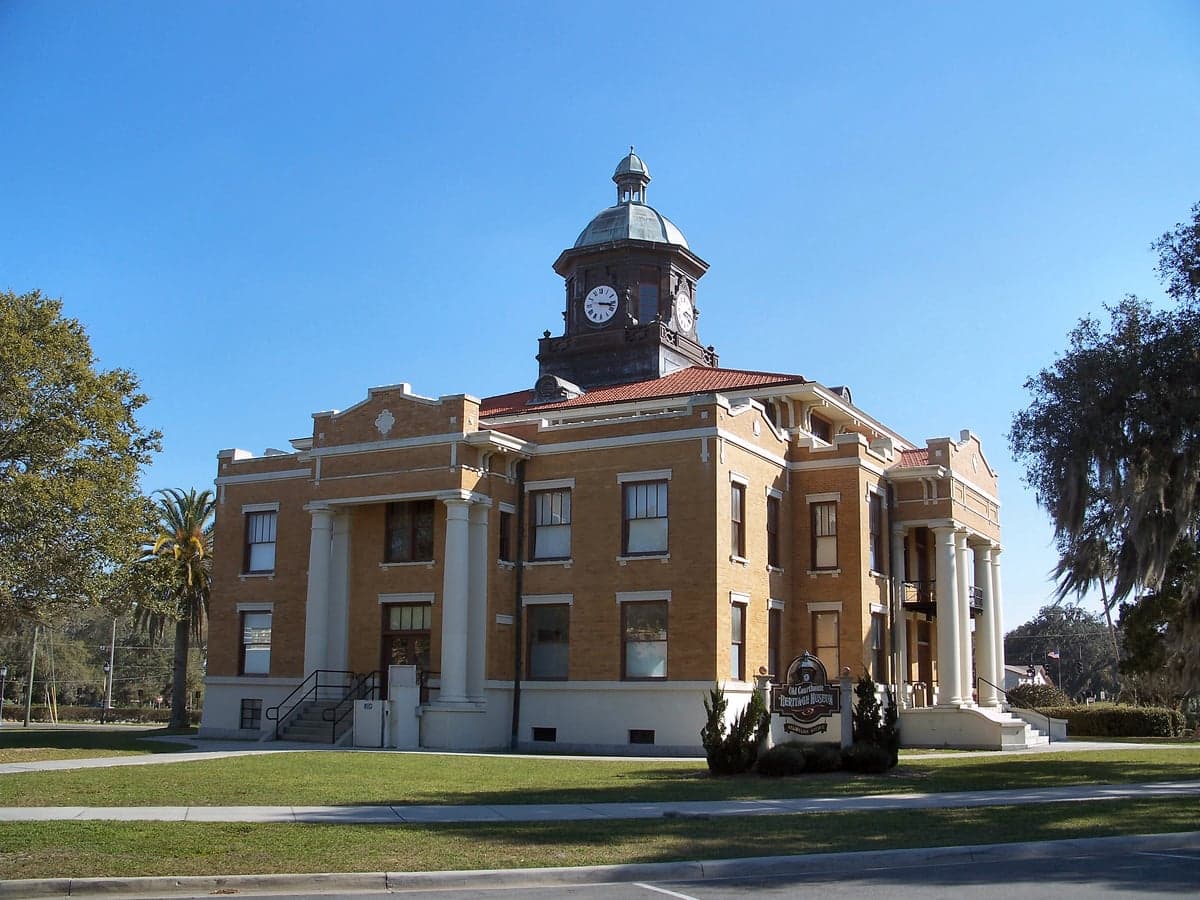
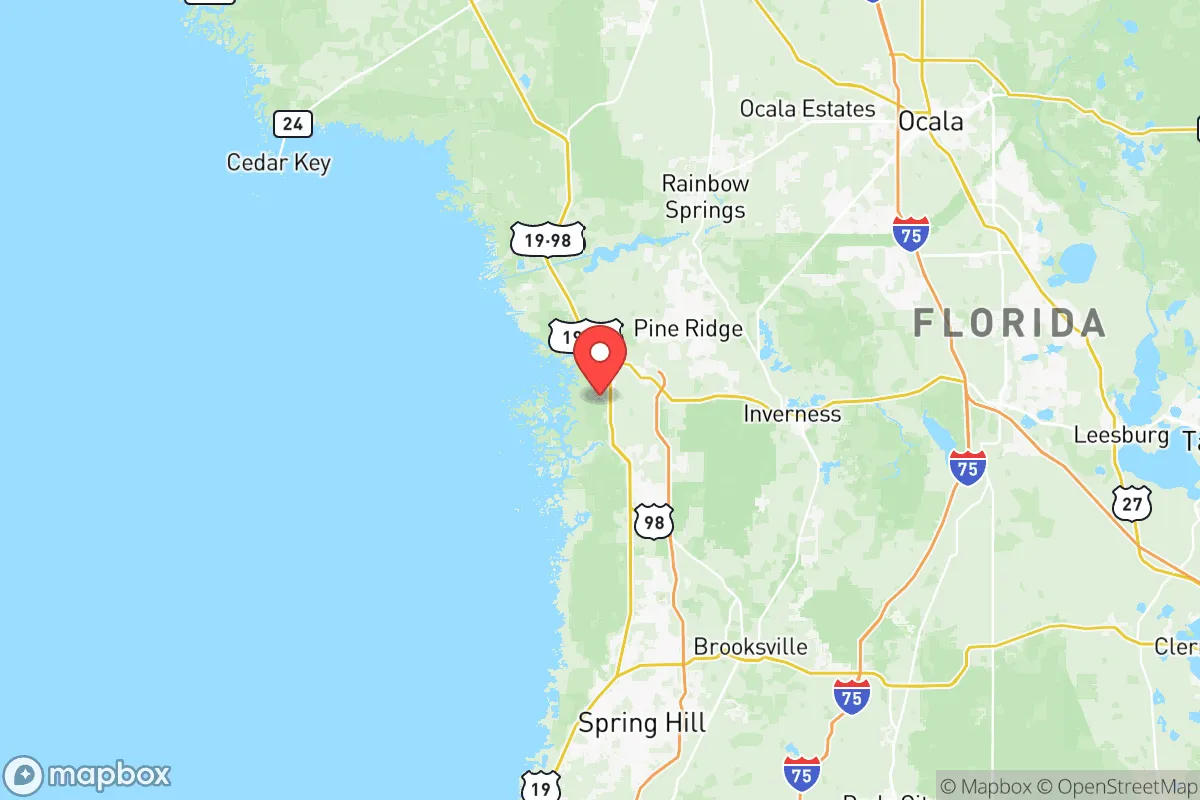
Photo: Wikipedia
Find The Best Places To Live in Citrus County
PRO TIP! You can paste a Zillow or Redfin link to get info on that property.
Best Places to Live in Citrus County
Cities & Towns in Citrus County
Cities in Citrus County
What It's Like Living in Citrus County, FL
Living in Citrus County, Florida, feels like stepping into a slower, quieter version of the Sunshine State—one where manatees outnumber tourists and the biggest traffic jam is a line of golf carts crossing U.S. 19. With a population hovering around 158,693 and a median age of nearly 57, this is a place that caters to retirees, seasonal snowbirds, and families who prioritize peace and nature over nightlife. The county’s identity is shaped by its sprawling springs, the Gulf Coast’s salt marshes, and a deeply ingrained “old Florida” character that resists the rapid development seen in Tampa or Orlando.
The Daily Rhythm: Laid-Back, Outdoorsy, and Predictable
Most mornings in Citrus County start with coffee on a screened porch or a walk along the Withlacoochee State Trail. In Crystal River, the day often begins with a kayak launch into Kings Bay to spot manatees, while Homosassa residents might head to the Homosassa Springs Wildlife State Park before the heat sets in. The average commute here is about 28 minutes—long enough to listen to a podcast, short enough to avoid frustration. That commute is largely along U.S. 19, the county’s main spine, which can feel congested near the Lecanto and Beverly Hills shopping corridors but opens up into rural stretches south of Inglis.
Weekends are for fishing piers, flea markets, and family cookouts. The Crystal River Mall is the primary indoor shopping hub, though many locals prefer the smaller hardware stores and farm stands in Floral City or Inverness. Dining is casual—think fried shrimp baskets at Seafood Seller & Cafe in Crystal River or a cold beer at MacRae’s of Homosassa, a waterfront bar where the bartender knows your name. There’s no rush, and that’s the point.
Who Fits In: Retirees, Remote Workers, and Nature-Loving Families
Citrus County’s median age of 56.9 tells a clear story: this is a magnet for retirees and near-retirees. But a growing number of younger families are moving here, priced out of Tampa or Orlando, drawn by a median home value of $223,200 and a cost of living index of 87—well below the national average. With a median household income of $55,355, the economy leans on healthcare, retail, and construction. The largest employers include Citrus Memorial Hospital in Inverness and the School District of Citrus County. Only about 20.4% of adults hold a college degree, so the workforce is blue-collar and service-oriented. The person who thrives here values quiet, space, and water access over career ambition or cultural buzz.
Sports, Festivals, and the Local Social Scene
High school football is the closest thing to a professional sports experience here. The Lecanto Panthers and Crystal River Pirates draw big Friday-night crowds, with parents tailgating in the parking lots and local businesses sponsoring team banners. There’s no major league team within an hour, so the Tampa Bay Lightning or Buccaneers fandom is more of a TV affair. For festivals, the Homosassa Arts, Crafts & Seafood Festival in February is a highlight, drawing vendors from across the state. The Crystal River Manatee Festival in January celebrates the county’s most famous residents with live music, food trucks, and educational exhibits.
Outdoor recreation is the main entertainment. The Chassahowitzka National Wildlife Refuge offers kayaking through spring-fed creeks, while the Withlacoochee State Forest provides miles of hiking and horseback trails. Hunters and anglers flock to the Gulf of Mexico for redfish and trout. For a quieter evening, locals gather at Liberty Park in Inverness for free summer concerts or at the Valley Royal Lanes bowling alley in Crystal River.
Honest Pros and Cons of Citrus County Living
- Pros: Low cost of living (87 index), abundant natural springs and wildlife, minimal traffic compared to Tampa or Orlando, strong sense of community in small towns like Homosassa and Floral City, and a slower pace that appeals to retirees and remote workers.
- Cons: Limited job opportunities outside healthcare and retail, a violent crime rate of 209.9 per 100,000 (slightly above the national average), a lack of cultural amenities like museums or live theater, and summer humidity that can feel oppressive from June through September. The school system is adequate but not top-tier, so families often supplement with private or charter options in Lecanto.
A cultural quirk: locals take their manatee protection seriously. In Crystal River, it’s common to see “Idle Speed” signs on waterways and neighbors reporting boaters who disturb the animals. The county’s identity is wrapped up in being a sanctuary—for wildlife and for people who want to escape the rat race. That’s the trade-off: you trade career growth and nightlife for clean air, quiet streets, and the sight of a manatee surfacing in your backyard canal.

* Values derived from national, state, county, city and local statistics and may differ in a specific area. Last updated: 2026-09-29T09:19:26.000Z
Narrative content on this page is AI-generated and may contain mistakes. Verify any details that matter before acting on them.
ReloMaps may earn a commission from affiliate links at no extra cost to you.

