Photo: Wikipedia
Find The Best Places To Live
in Folly Beach
PRO TIP! You can paste a Zillow or Redfin link to get info on that property.
What It's Like Living in Folly Beach, SC
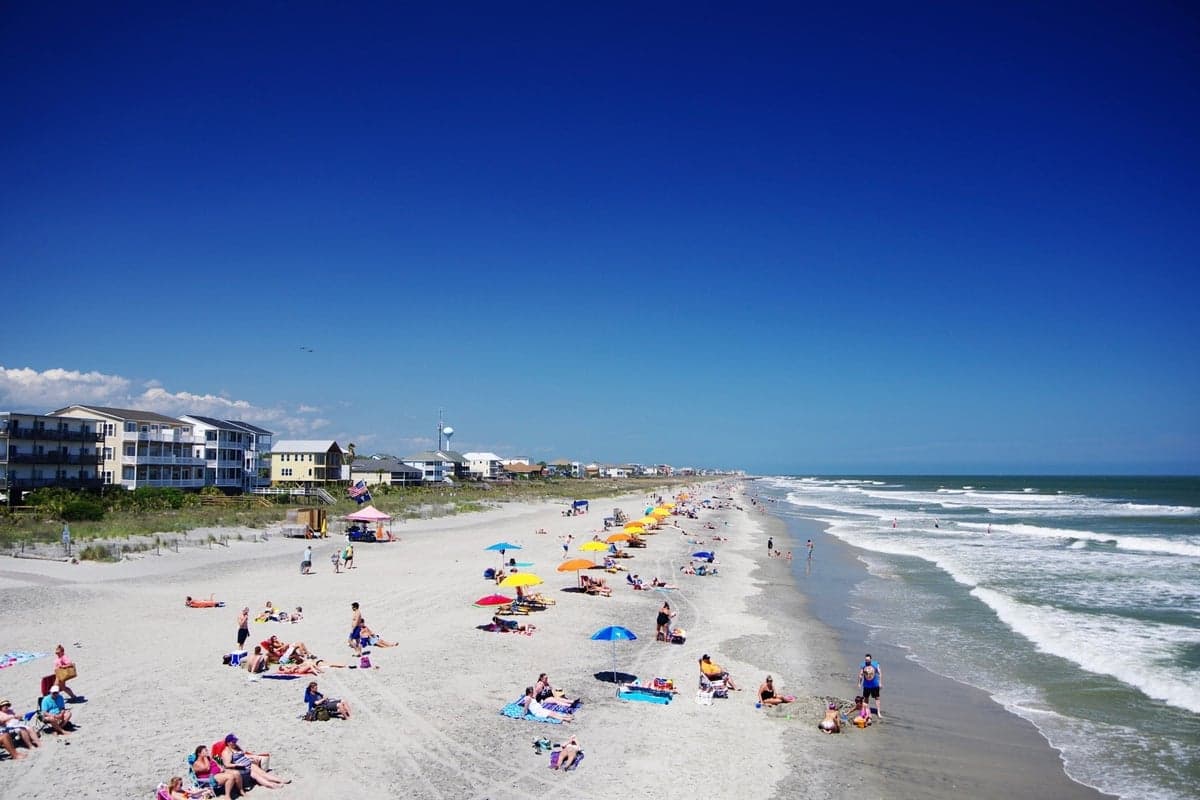
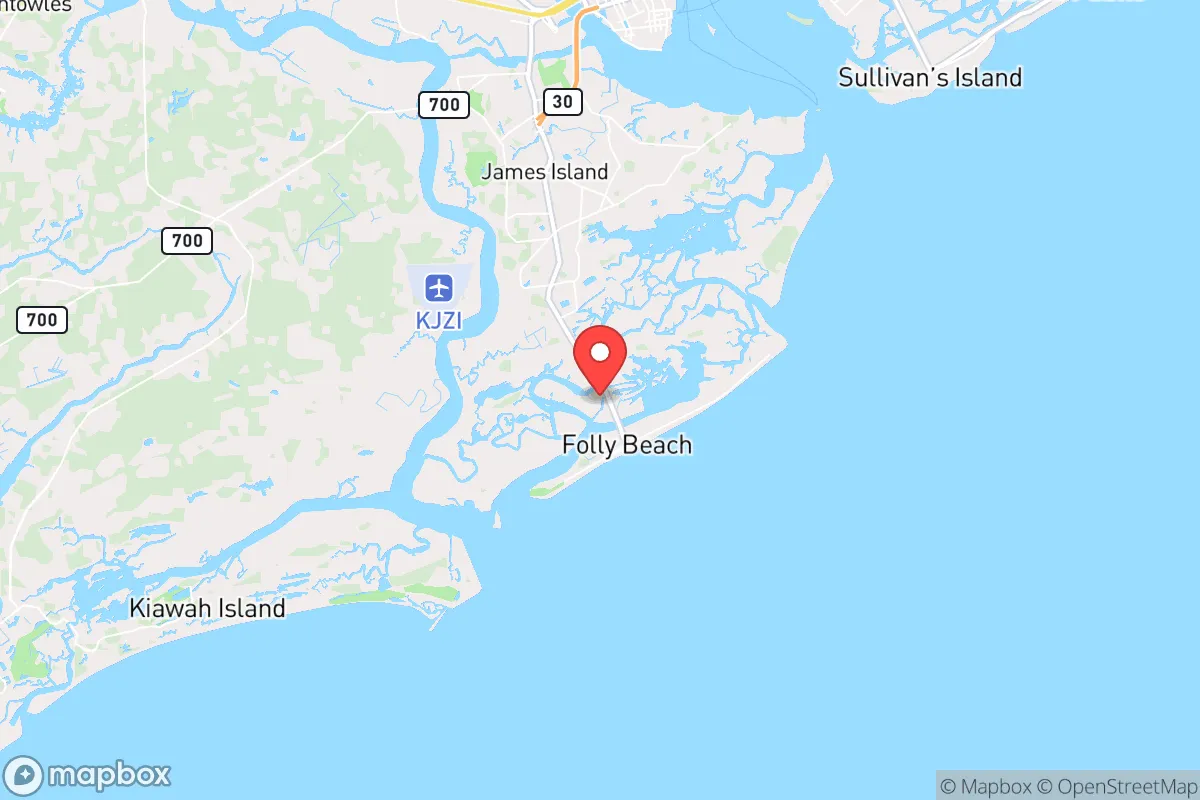
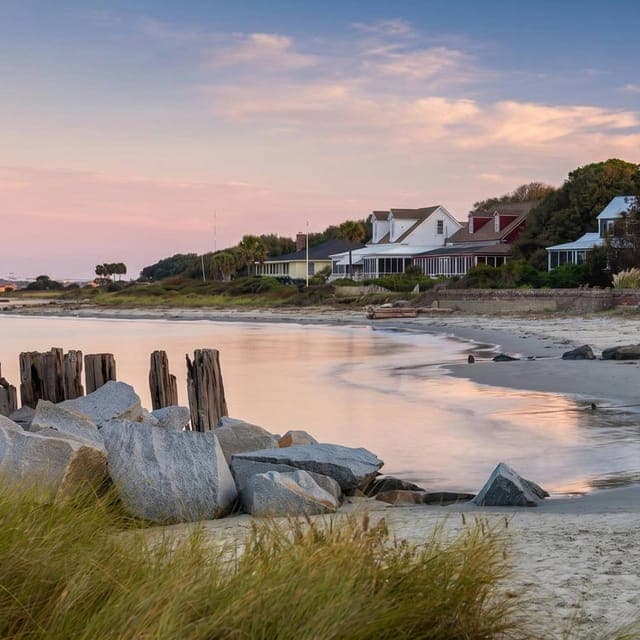
Folly Beach is a tiny barrier island community just south of Charleston, but it feels a world apart. With a year-round population under 1,000, it’s less a city and more a close-knit beach village where everyone knows your dog’s name and the rhythm of the tide sets the schedule. The median age hovers around 63, so this is a place where retirees and second-home owners outnumber college kids, and the pace is deliberately slow – unless you’re chasing a wave at The Washout.
The Day-to-Day Rhythm on the Edge of the Atlantic
Life on Folly revolves around the ocean and the small commercial strip along Center Street. Mornings start with coffee at Lost Dog Cafe or a breakfast burrito from Bert’s Market, then a walk on the pier or a surf session if the swell is up. Grocery shopping means a 15-minute drive to James Island – there’s no full-service supermarket on the island, which is a common gripe. The average commute to Charleston is about 25 minutes, but many residents work remotely or are retired, so rush hour is more of a concept than a reality. Weekends are for beach days, kayaking through the marsh, or grabbing a seat on the deck at Chico Feo for tacos and live music. The median household income of roughly $98,000 supports the lifestyle, but the cost of living index of 235 (more than double the national average) means that everyday expenses – from a gallon of milk to a plumber’s visit – hit harder than they do inland.
Who Fits In – and Who Might Feel Out of Place
Folly Beach attracts a specific type: people who value quiet, natural beauty, and a tight community over nightlife and convenience. The median home value of $951,200 puts a single-family house out of reach for most young families unless they bought years ago or have significant equity. That skews the demographic toward empty-nesters, remote professionals with high incomes, and retirees who can afford the premium. College-educated residents make up 60.5% of the population, so conversations at the post office or the dog park tend to lean toward travel, local ecology, or real estate rather than school sports or corporate gossip. For parents, the trade-off is that the local elementary school is small and beloved, but older kids commute to James Island or Charleston for middle and high school – and that means a daily drive that eats into afternoons. The island’s political leanings are mixed; while Charleston County trends blue, Folly’s older, property-owning base often votes more conservatively, especially on issues like development limits and property taxes.
What There Is to Do (Besides the Beach)
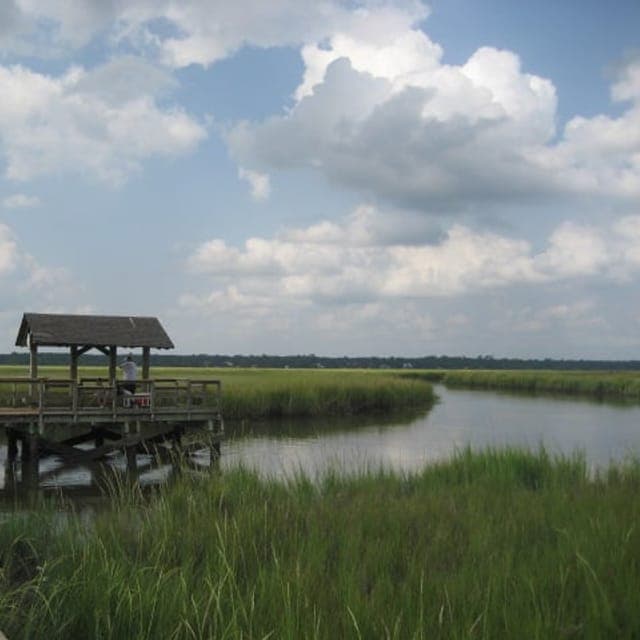
Yes, the beach is the main draw – 6 miles of wide, public shoreline with decent surf breaks. But the community calendar is surprisingly full. The Folly Beach Wahine Classic (a women’s surfing competition) and the Sea & Sand Festival draw crowds in spring and fall. The Folly River offers paddleboarding and kayaking through quiet tidal creeks. For nightlife, it’s low-key: The Drop In Bar & Deli for a cold beer and a sandwich, Loggerhead’s Beach Grill for sunset drinks, and the occasional cover band at The Washout. High school sports aren’t a big deal here – there’s no local high school – but college football Saturdays see plenty of Clemson and South Carolina flags on porches. The real entertainment is the outdoors: fishing off the pier, biking the island’s flat roads, or just watching the dolphins feed at low tide.
The Trade-Offs: What Locals Love and What Grinds Their Gears
Longtime residents will tell you they love the quiet winters, the lack of chain restaurants, and the fact that you can still find a stretch of sand with nobody else on it in October. The violent crime rate of 191.8 per 100,000 is slightly above the national average, but most crime is property-related – break-ins of rental cars or bikes left unlocked. The real frustrations are practical: summer crowds turn Center Street into a parking lot, hurricane season brings mandatory evacuations and anxiety, and the lack of a grocery store or hardware store means you’re always running errands off-island. Property taxes and insurance are high, and the cost of living means that even well-off households feel pinched. But for the people who stay, the trade-off is worth it: a front-row seat to the Atlantic, a community that looks out for each other, and a pace of life that feels like a permanent vacation – if you can afford the ticket.

Similar small towns to Folly Beach

* Values derived from national, state, county, city and local statistics and may differ in a specific area. Last updated: 2026-05-14T18:51:23.000Z
Narrative content on this page is AI-generated and may contain mistakes. Verify any details that matter before acting on them.
ReloMaps may earn a commission from affiliate links at no extra cost to you.

