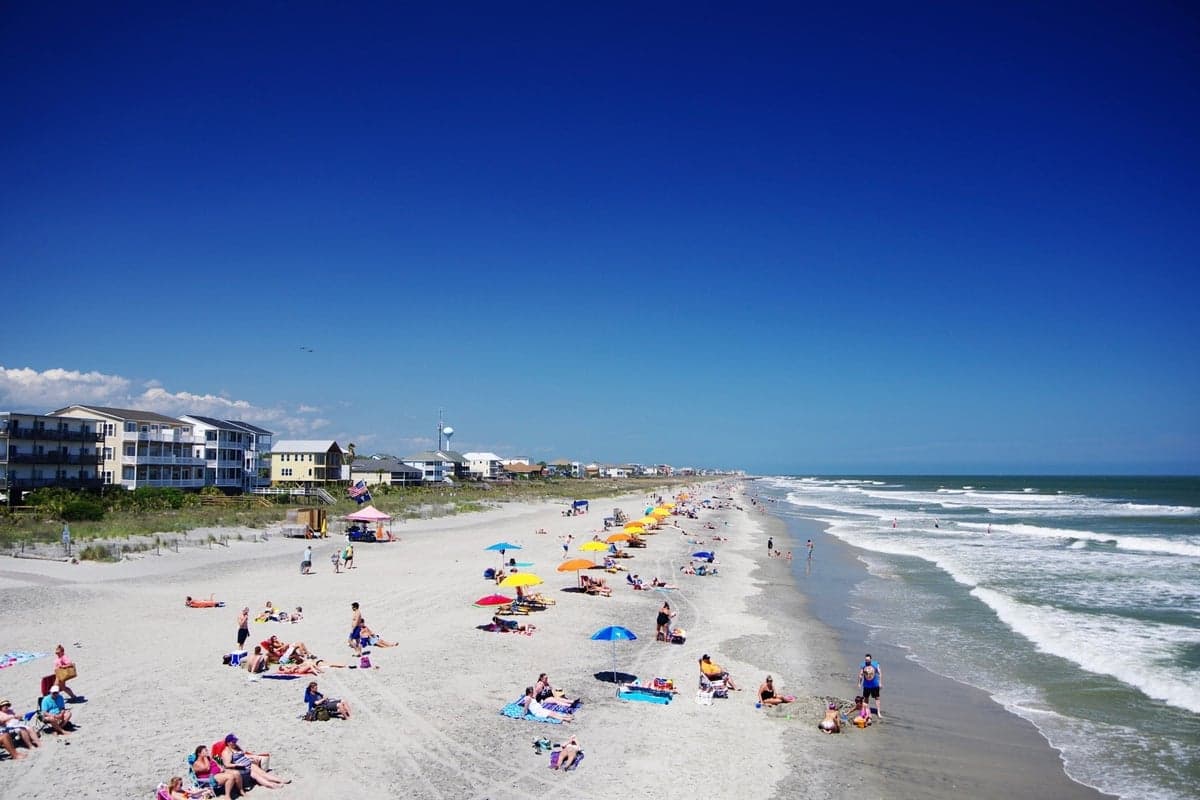
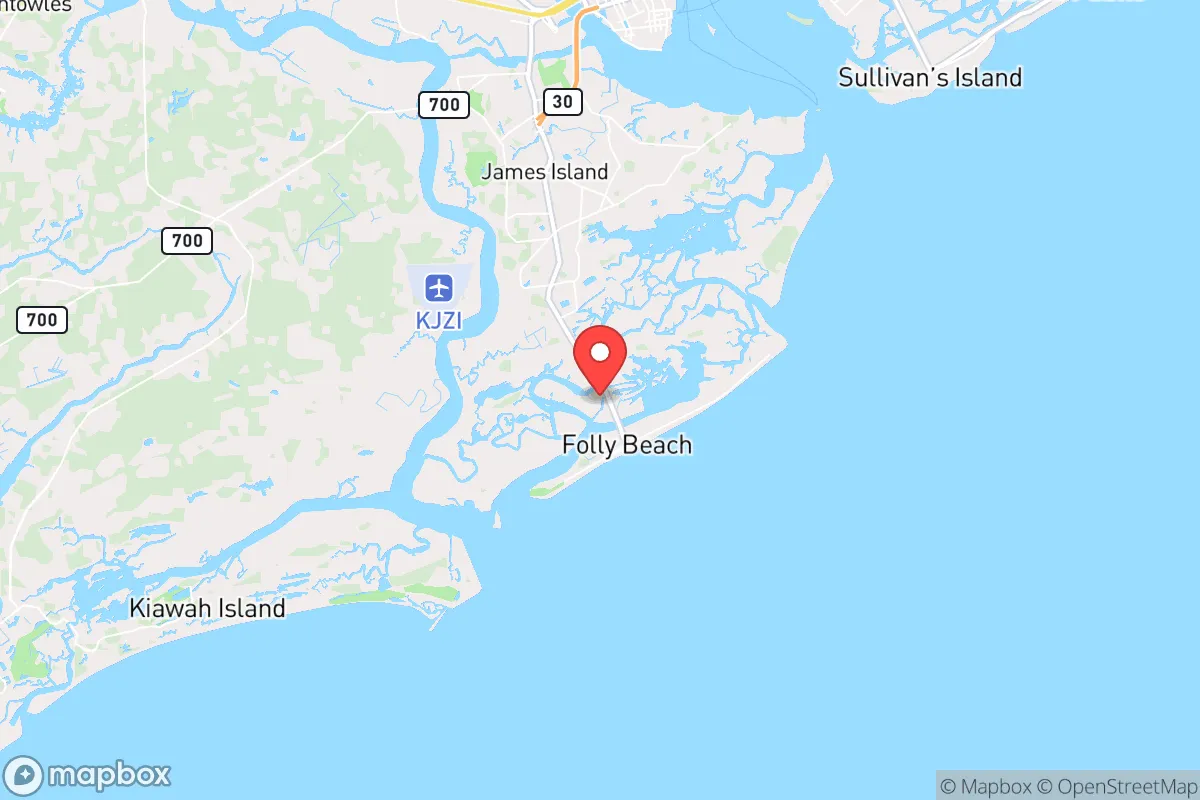
Photo: Wikipedia
Quality of Life in Folly Beach, SC
A high quality of life with strong walkability, manageable living costs, healthy neighborhood signals, and solid amenity access.
What does Quality of Life tell us?
Quality of Life blends cost of living, nearby amenities, socioeconomic signals, and neighborhood character. City-level scores represent the whole municipality; individual neighborhoods can differ.
What does this tell us?
Quality of Life blends cost of living, nearby amenities, socioeconomic signals, and neighborhood character. City-level scores represent the whole municipality; individual neighborhoods can differ.
Cost of Living
135% above national average
The Real Cost of Living in Folly Beach, SC for 2026
| Tier | Individual | Family (4) |
|---|---|---|
| Survival | $31k | $58k |
| Comfortable | $130k | $191k |
| Luxury | $177k+ | $274k+ |
| Elite (Top 5%) | $224k+ | $347k+ |
51%
* top-5% income substituted from county-level data — local Census figures unavailable for small populations
The Area Signal
A metric tracking the socioeconomic signals of the area.
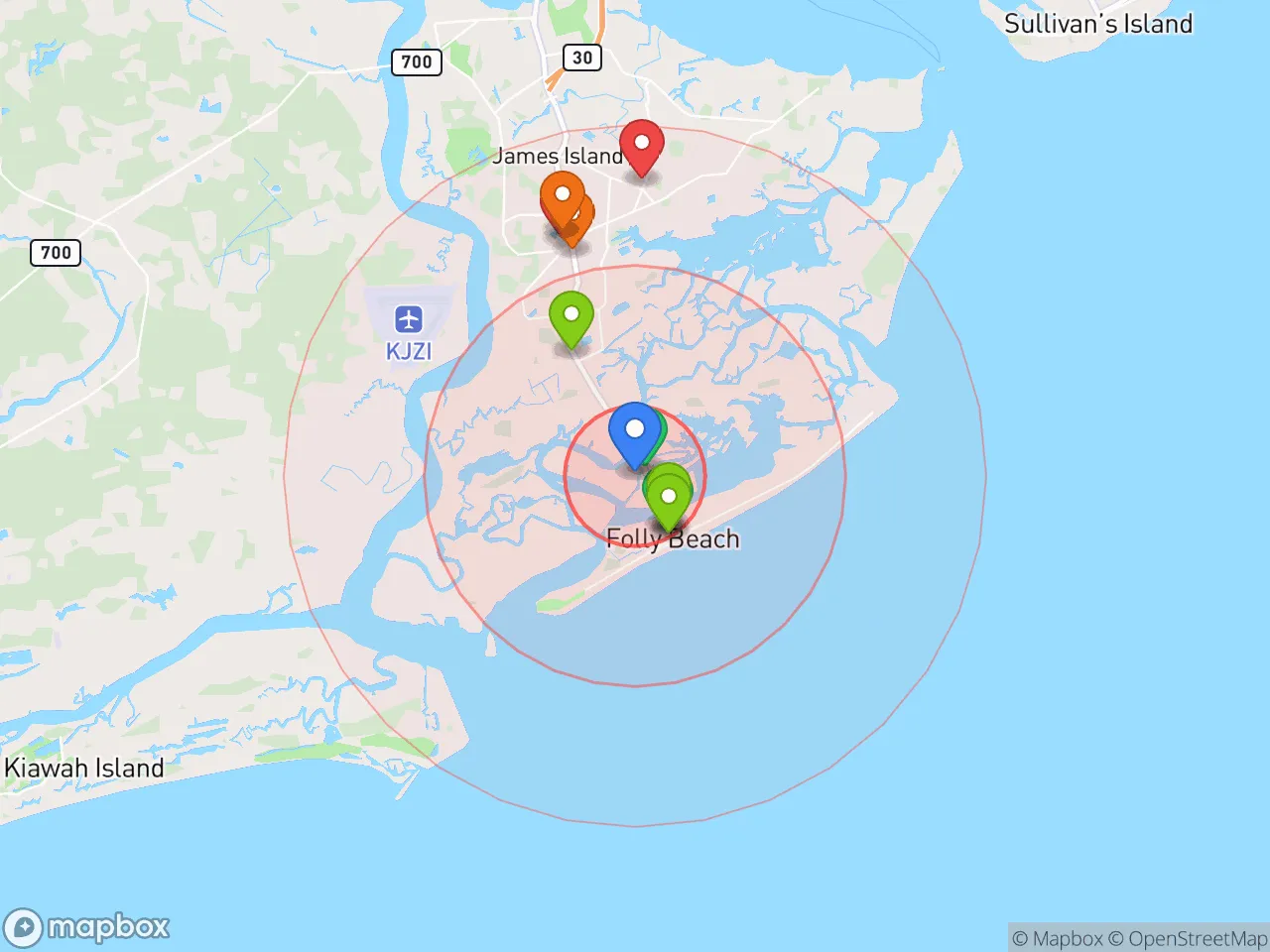
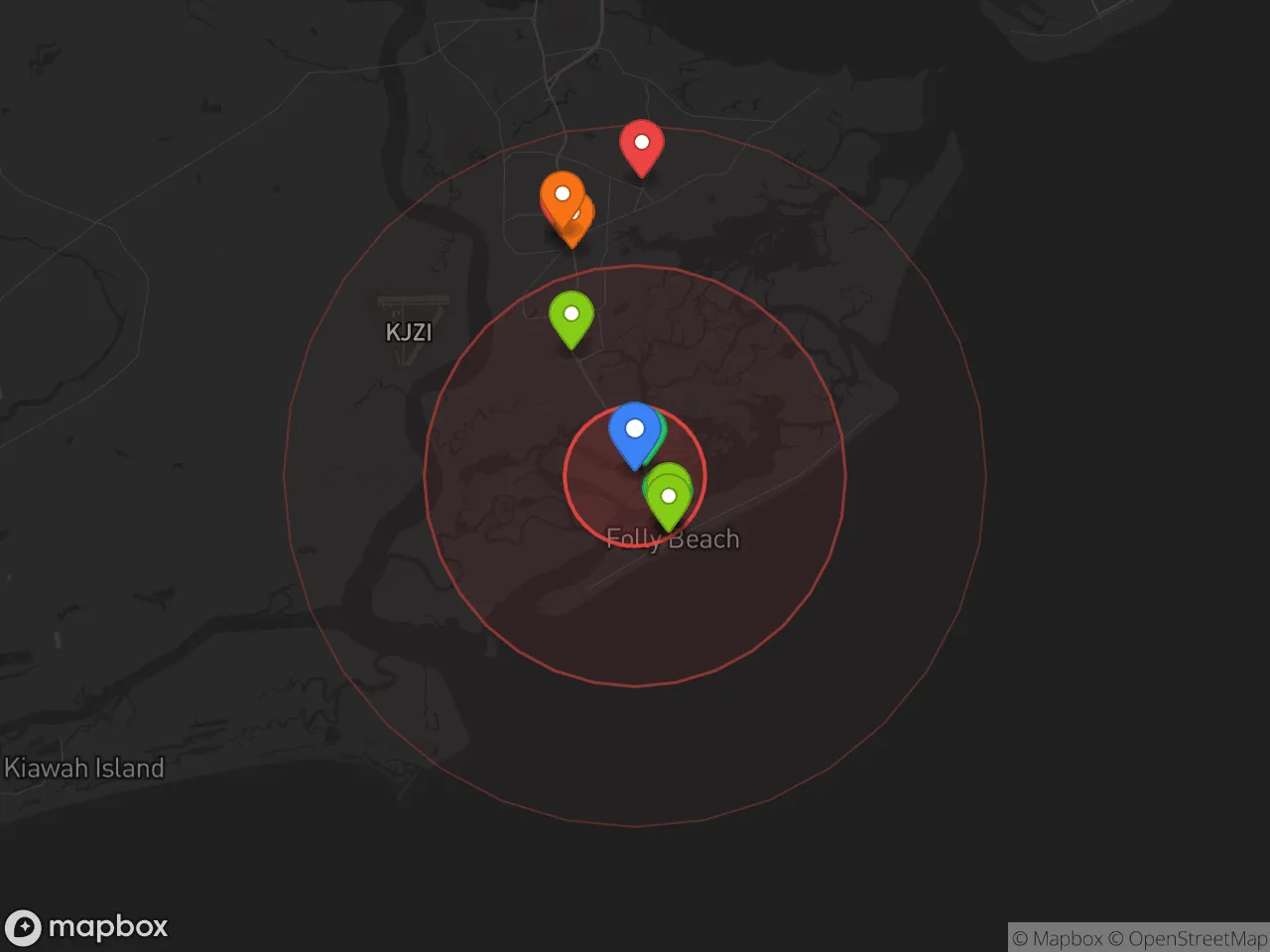
Hobbies
Explore the areaGroceries
5 within 10 miles
Gas
20 within 10 miles
Hospital
10 within 20 miles
Airport
CLT — Charlotte Douglas International
Post Office
USPS — Folly Beach, SC
Critical Amenities
Quality-of-Life Analysis
Folly Beach, South Carolina, is an affluent barrier-island community where the cost of living index reaches 235—more than double the national average—reflecting its status as a premium coastal enclave. The permanent population of roughly 2,700 is a mix of retirees, second-home owners, and surf-oriented professionals who prioritize oceanfront living over suburban space. With a median home value of $951,200 and a median rent of $1,930, the island draws buyers and renters who can afford a lifestyle centered on the Atlantic, while the average commute of just under 25 minutes keeps Charleston’s job market within easy reach.
How housing costs and affordability compare to Charleston and Mount Pleasant
Folly Beach’s housing market sits well above the Charleston metro average. The median home value of $951,200 is roughly triple the metro-wide median (around $320,000), and the cost-of-living index of 235 is nearly double the Charleston-area average of about 120. Rents, while high at $1,930, are more competitive with downtown Charleston and Mount Pleasant, where two-bedroom units often exceed $2,200. The trade-off is space: a typical Folly Beach lot is narrow and flood-prone, and many homes are elevated on pilings. Buyers here pay a premium for immediate beach access and the island’s laid-back character, not for square footage or yard size. The 24.9-minute average commute—shorter than Mount Pleasant’s 28-minute average—reflects the island’s proximity to downtown Charleston via the James Island connector, though summer tourist traffic can double that time on weekends.
What daily life is like for families and beach lovers
Daily life on Folly Beach revolves around the ocean. The island’s 6-mile-long beach, the Folly Beach Pier, and the protected Morris Island Lighthouse provide year-round recreation for surfing, fishing, and kayaking. The small commercial strip on Center Street holds a handful of restaurants, a grocery store, and surf shops, but most residents drive to James Island or West Ashley for big-box shopping and medical services. Public schools are zoned through Charleston County: Folly Beach students attend James Island Elementary, James Island Middle, and James Island Charter High School, all rated above average by state metrics. The island has no hospital and limited police presence, so emergency services come from the county. The rhythm is distinctly seasonal—quiet and uncrowded in winter, bustling with day-trippers from May through September. Many residents work remotely or in Charleston’s tourism, tech, or healthcare sectors, using the short commute to balance beach access with urban employment.
Folly Beach is best suited for those who can absorb its high housing costs and who value coastal recreation over suburban amenities. Retirees, remote workers with strong incomes, and families who prioritize beach lifestyle over large homes or top-tier school districts will find the island rewarding. Budget-conscious buyers, those needing frequent medical access, or anyone seeking a quiet, low-traffic environment year-round may struggle with the seasonal crowds and premium pricing. For the right household, Folly Beach offers a rare combination of surf-town character and Charleston proximity that few other East Coast islands can match.

Crime in Folly Beach, SC
Generally safer than 72% of comparable U.S. locations.
Violent CrimeViolent Crime Analysis
Property CrimeProperty Crime Analysis
Crime Analysis
Folly Beach, South Carolina, presents a mixed safety profile for residents and visitors. Its violent crime rate of 191.8 per 100,000 residents is roughly half the national average and well below the South Carolina state rate. However, property crime stands at 1,342.3 per 100,000—lower than the state average but still a concern, particularly given the city's proximity to Charleston, a large metro area where progressive district attorneys and judges have implemented lenient sentencing and bail policies. Critics argue that such approaches can lead to repeat offenders cycling back into beach communities, undermining local safety efforts.
Crime in context
When compared to broader benchmarks, Folly Beach's violent crime rate is notably low. The national average for violent crime is approximately 380 per 100,000, and South Carolina's rate hovers around 511 per 100,000. Folly Beach's 191.8 figure places it in a safer tier for a coastal tourist destination. Property crime, while below the state's 2,590 per 100,000, exceeds the national average of roughly 1,954 per 100,000. This gap is partly attributed to the seasonal influx of visitors and the opportunistic thefts—such as vehicle break-ins and package thefts—that accompany a high-traffic beach town. The influence of Charleston County's justice system, which has prioritized diversion programs and reduced cash bail, is a recurring topic in local safety discussions. Some residents worry that these policies, while sympathetic to offenders, result in more criminals on the street and negatively impact victims and public safety.
What residents experience
Daily life on Folly Beach involves typical beach-town rhythms, but property crime is the most common safety issue. Residents report thefts from unlocked cars, bicycle thefts, and occasional burglaries of vacation rentals. Violent crime is rare and usually confined to isolated incidents, often involving individuals known to each other rather than random attacks. The summer tourist season sees a spike in calls for service, with the Folly Beach Department of Public Safety responding to noise complaints, parking disputes, and alcohol-related disturbances. Many locals take preventive measures such as installing security cameras, forming neighborhood watch groups, and keeping vehicles locked. The city's small size—just over 2,600 year-round residents—means that community awareness is high, and suspicious activity is quickly reported.
Neighborhood-level variation on Folly Beach is limited due to the island's compact geography. The commercial corridor along Center Street and the areas closest to the beach access points experience the highest concentration of property crime, particularly during peak season
* Values derived from national, state, county, city and local statistics and may differ in a specific area. Last updated: 2026-05-14T18:51:23.000Z
Narrative content on this page is AI-generated and may contain mistakes. Verify any details that matter before acting on them.
ReloMaps may earn a commission from affiliate links at no extra cost to you.

