Photo: Wikipedia
Political ClimatePolitical Climate in Folly Beach, SC
District shown is the primary district for this city’s centroid. Cities may span multiple districts.
Local Political AnalysisPolitical Analysis of Folly Beach, SC
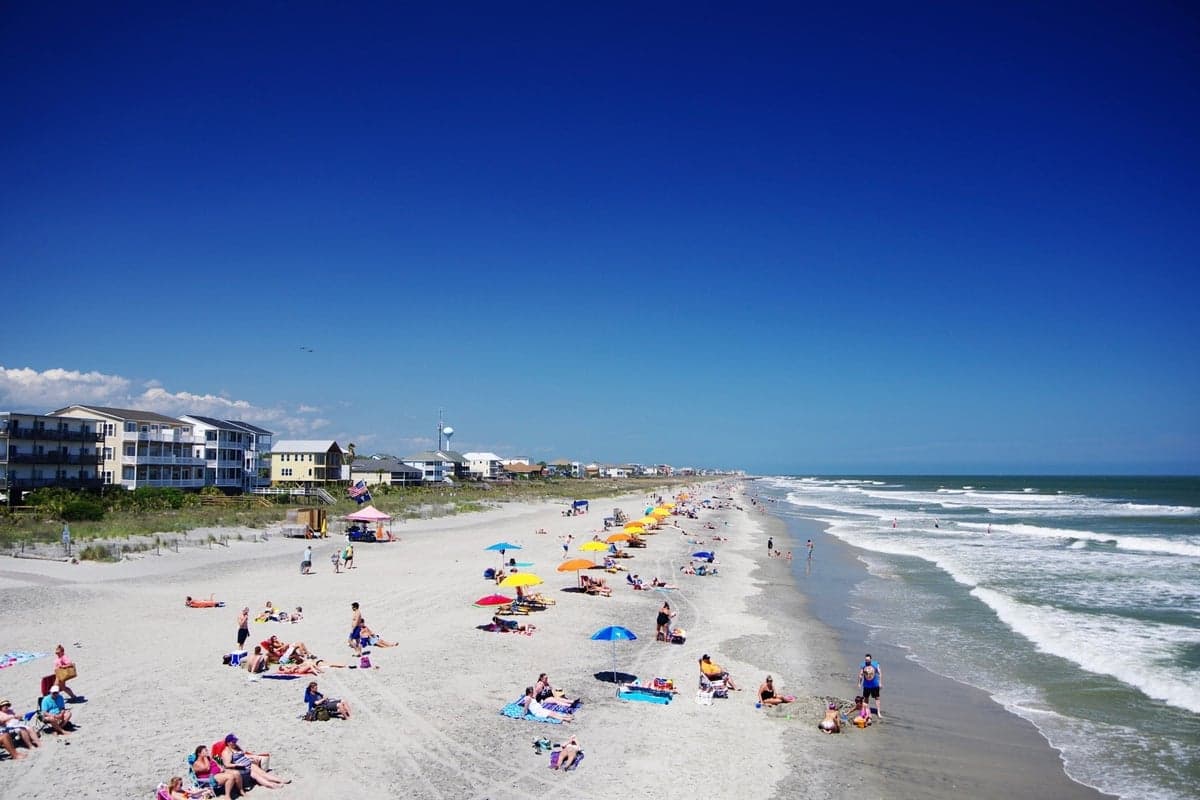
Folly Beach has long been a bit of a political outlier in the Lowcountry—historically more libertarian-leaning than the surrounding areas, but still solidly conservative at its core. The Cook PVI for the congressional district covering Folly Beach sits at R+6, which is a couple notches less Republican than the state of South Carolina as a whole (R+8). That gap might not sound huge, but it reflects a real shift over the past decade. The old-timers here remember when you could count the number of progressive yard signs on one hand during election season. Now you see more of them, especially on the west end near the Washout. The trajectory is concerning if you value limited government and personal freedoms—the kind of live-and-let-live attitude that used to define this island. More folks moving in from out of state are bringing big-government ideas with them, and it shows in local zoning fights and beach-access debates.
How it compares
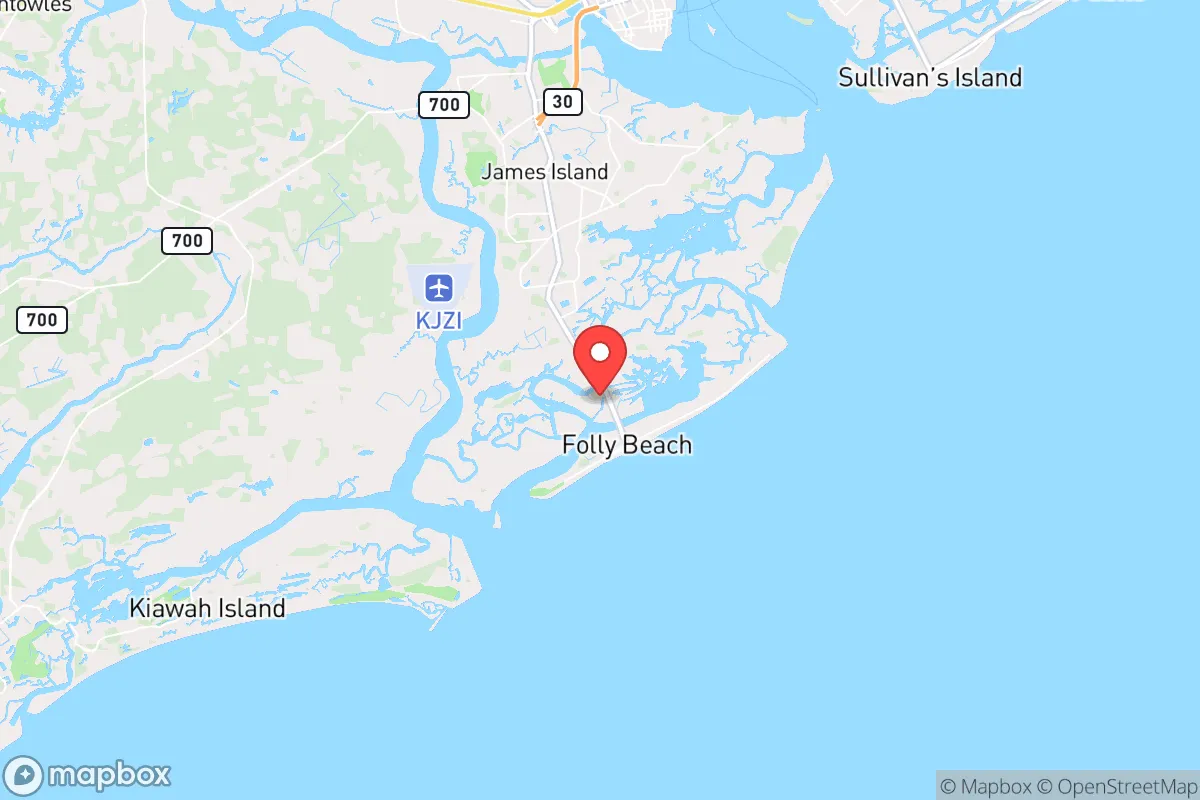
Compared to the rest of South Carolina, Folly Beach is a little more purple, but still leans right. The state as a whole is R+8, meaning the rural and suburban counties—like Berkeley and Dorchester—pull the average hard to the right. Folly sits inside Charleston County, which is more competitive (roughly R+4), but the island itself has its own flavor. Drive ten minutes north to James Island and you’ll find a similar mix of old-school conservatives and newer transplants. Head into downtown Charleston proper, and the political vibe shifts noticeably left—more density, more regulation, more government involvement in daily life. That’s the contrast that worries a lot of us: Folly Beach is still a place where you can park your golf cart in the sand and not get a ticket, but the pressure to adopt Charleston-style ordinances—like short-term rental caps and stricter noise rules—keeps building. The state legislature in Columbia is reliably conservative, which helps buffer some of that local creep, but it’s a constant tug-of-war.
What this means for residents
For someone who values personal freedom—whether that’s carrying a firearm, running a small business out of your home, or just enjoying the beach without a dozen new rules—the trend here is worth watching closely. The local city council elections have become more contentious, with progressive candidates pushing for “equity” initiatives that often translate into more red tape. Property taxes have crept up as the town tries to fund new programs that many residents never asked for. The good news is that the conservative base on Folly is still strong and organized. The Folly Beach Republican Club remains active, and voter turnout in off-year elections is high among locals who remember when the island was a sleepy surf town, not a destination for coastal gentrification.
One cultural distinction that still holds: Folly Beach has a strong tradition of resisting overreach. The “Keep Folly Funky” bumper stickers aren’t just nostalgia—they represent a genuine distrust of government telling people how to live. That ethos aligns more with classic conservatism than with the progressive agenda gaining ground in nearby Charleston and Mount Pleasant. If you’re looking for a place where you can still have a bonfire on the beach without a permit (within reason) and where the sheriff’s deputies are more focused on real crime than on enforcing petty ordinances, Folly Beach is still that place—for now. But the political winds are shifting, and it’s worth keeping an eye on who gets elected to city council next cycle.

State Political ClimatePolitical Climate in South Carolina
State Political AnalysisPolitical Environment in the State
South Carolina sits at R+8 on the Cook Partisan Voting Index, making it a solidly Republican state that has only reddened over the past two decades. The dominant coalition is a blend of traditional Southern conservatives, evangelical Christians, and a growing wave of transplants from the Northeast and Midwest who are drawn to lower taxes and a slower pace of life. While Democrats still hold sway in a few urban pockets and the Lowcountry's Gullah-Geechee corridor, the statewide trajectory since the early 2000s has been a steady march rightward — punctuated by GOP trifectas in the legislature and governor's mansion for most of that period.
Urban vs. rural divide
The political map breaks down along familiar lines, but with some local wrinkles that surprise newcomers. The Upstate — anchored by Greenville and Spartanburg — is the engine of the state's conservative majority. Greenville County itself votes about 60% Republican in most statewide races, and the surrounding counties of Pickens, Oconee, and Anderson are even redder. The Midlands, centered on Columbia, are more competitive: Richland County (home to the state capital and the University of South Carolina) is a Democratic stronghold, but Lexington County just across the river is one of the most reliably GOP suburbs in the Southeast. Down in the Lowcountry, Charleston has become a fascinating battleground — the city proper leans left, driven by young professionals and tourism workers, but the surrounding suburbs like Mount Pleasant and Summerville remain Republican-leaning, if softening slightly. The rural counties — places like Beaufort, Hilton Head, and the Pee Dee region — vote heavily Republican, though the coastal areas are seeing an influx of retirees from blue states who sometimes bring more moderate views on environmental issues. The real story is that the rural-urban gap has widened: in 2000, the difference between the reddest and bluest counties was about 30 points; today it's closer to 50.
Policy environment
South Carolina's policy posture is unmistakably conservative, and the legislature has been busy codifying that over the past decade. The state has a flat income tax that was recently cut from 7% to 6.4%, with a path to 6% by 2026 — a clear signal to high-tax refugees. There's no state property tax on vehicles, and the sales tax on groceries was eliminated in 2023. On education, the state passed a universal school choice program in 2024 that lets any family use state funds for private or homeschool expenses, a major win for parental rights advocates. Healthcare policy is more mixed: the state did not expand Medicaid under the ACA, but it has a robust network of rural hospitals that rely on state subsidies. Election laws have tightened: voter ID is required, absentee voting was restricted in 2021, and the state banned ballot drop boxes except at county election offices. The regulatory environment is business-friendly, with a right-to-work law and minimal zoning restrictions outside of coastal areas. On social issues, the state passed a six-week abortion ban in 2023 (with exceptions for rape, incest, and life of the mother), and a "Save Women's Sports Act" was signed in 2022. If you're looking for a state that lets you keep more of what you earn and doesn't meddle in your family decisions, this is a strong contender.
Trajectory & freedom
Over the last five years, South Carolina has moved decisively toward expanding personal liberty in several key areas, but there are warning signs. The biggest win for freedom was the 2024 passage of constitutional carry — permitless carry of handguns for anyone 18 or older who can legally own a firearm. That was a long fight, and it passed with strong bipartisan rural support. On parental rights, the 2023 "Parental Bill of Rights" (H. 3728) gave parents explicit authority over their children's medical decisions and educational records, and it banned classroom instruction on sexual orientation and gender identity in K-5. Property rights got a boost with the 2022 "Private Property Rights Protection Act," which limited the use of eminent domain for private development. But there are areas where freedom has contracted: the state's medical marijuana bill has stalled repeatedly, leaving patients with few legal options. And the 2023 abortion ban, while popular with the base, has created a legal gray area that some doctors find burdensome. The bigger concern for liberty-minded residents is the growing influence of corporate interests in the state's economic development deals — massive incentives for companies like Boeing and BMW have some wondering if the state is picking winners and losers. Overall, though, the trend is toward more freedom, especially on guns, education, and taxes.
Civil unrest & political movements
South Carolina has a relatively low profile when it comes to civil unrest, but there have been flashpoints. The 2015 Charleston church shooting and the subsequent debate over the Confederate flag on the Statehouse grounds was a defining moment — the flag came down after 54 years, and the decision was largely peaceful, though it exposed deep divides. More recently, the 2020 protests in Columbia and Charleston over George Floyd's death were mostly peaceful, but there were isolated incidents of property damage. The state has seen a rise in organized conservative activism: groups like the South Carolina Freedom Caucus and the Lowcountry Liberty Coalition have been effective at pushing school board and county council races to the right. Immigration politics are less heated here than in border states, but there's a strong undercurrent of concern about illegal immigration, especially in the construction and agriculture sectors. The state passed a law in 2024 requiring local law enforcement to cooperate with ICE detainers, and sanctuary policies are explicitly banned. Election integrity remains a live issue: the 2020 and 2022 cycles saw no major scandals, but the legislature has tightened rules around mail-in voting and ballot harvesting. A new resident would find a state where political disagreements are real but rarely spill into the streets — most of the action happens at the ballot box and in school board meetings.
Projection
Looking ahead five to ten years, South Carolina is likely to become more Republican, but with a different flavor. The in-migration from blue states — especially New York, New Jersey, and California — is accelerating, and these newcomers are generally conservative-leaning on economics but more moderate on social issues. The fastest-growing counties are York (Charlotte suburbs), Lancaster, and Berkeley (Charleston exurbs), and they're voting Republican at rates of 55-60%, not the 70%+ you see in the rural core. That means the GOP majority will hold, but the party may shift toward a more suburban, libertarian-leaning coalition that prioritizes tax cuts and school choice over culture war battles. The Democratic Party will remain competitive only in Charleston, Richland, and a few majority-minority rural counties, but their statewide ceiling is probably around 45% in a good year. The biggest wild card is the state's growing Hispanic population, concentrated in the Upstate and along the coast — they're currently voting about 40% Republican, which is higher than the national average, and that number could rise if the GOP continues to emphasize economic opportunity. For someone moving in now, expect a state that will be reliably red but increasingly diverse in its conservatism — less "Old South" and more "Sun Belt dynamo."
For a new resident, the bottom line is this: South Carolina offers a political environment where your tax dollars go further, your gun rights are protected, your children's education is in your hands, and your voice at the ballot box actually matters. The state is not without its tensions — the urban-rural divide is real, and the influx of out-of-state money is changing the landscape — but the overall direction is toward greater personal freedom and economic opportunity. If you're looking for a place where the government stays out of your way and the people are friendly, this is a solid bet. Just be prepared for the humidity and the fact that everyone will ask you what church you go to — even if you don't, they'll still be neighborly about it.
* Values derived from national, state, county, city and local statistics and may differ in a specific area. Last updated: 2026-05-14T18:51:23.000Z
Narrative content on this page is AI-generated and may contain mistakes. Verify any details that matter before acting on them.
ReloMaps may earn a commission from affiliate links at no extra cost to you.

