 Popular
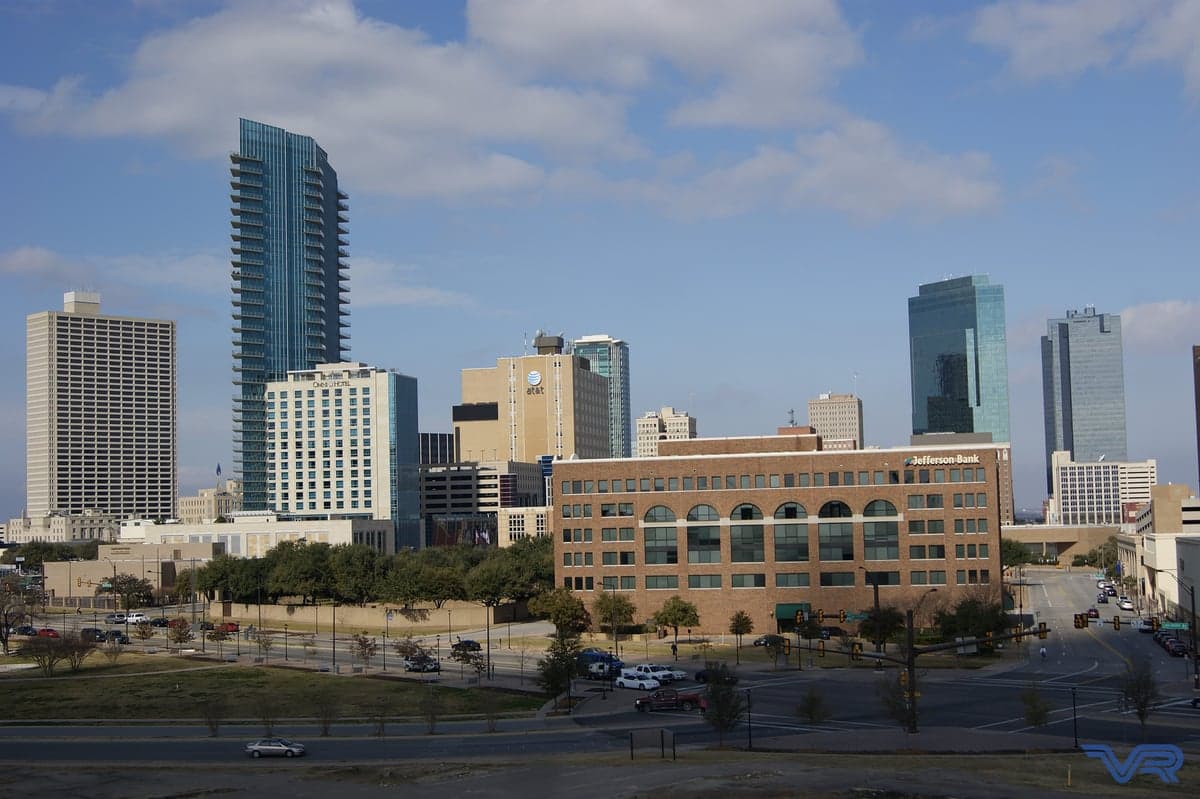
Photo: Wikipedia
Quality of Life in Fort Worth, TX
A high quality of life with strong walkability, manageable living costs, healthy neighborhood signals, and solid amenity access.
What does Quality of Life tell us?
Quality of Life blends cost of living, nearby amenities, socioeconomic signals, and neighborhood character. City-level scores represent the whole municipality; individual neighborhoods can differ.
What does this tell us?
Quality of Life blends cost of living, nearby amenities, socioeconomic signals, and neighborhood character. City-level scores represent the whole municipality; individual neighborhoods can differ.
Cost of Living
12% above national average
The Real Cost of Living in Fort Worth, TX for 2026
| Tier | Individual | Family (4) |
|---|---|---|
| Survival | $23k | $42k |
| Comfortable | $54k | $79k |
| Luxury | $135k+ | $209k+ |
| Elite (Top 5%) | $159k+ | $246k+ |
97%
The Area Signal
A metric tracking the socioeconomic signals of the area.


Hobbies
Explore the areaGroceries
10 within 10 miles
Gas
20 within 10 miles
Hospital
3 within 20 miles
Airport
DFW — Dallas Fort Worth International
Post Office
USPS — Fort Worth, TX
Critical Amenities
Quality-of-Life Analysis
Fort Worth presents a more attainable entry point into the Dallas-Fort Worth metroplex than its eastern neighbor, with a cost of living index of 112 (12% above the U.S. average) that feels moderate given the region's economic momentum. The city attracts a broad cross-section of residents: young families priced out of Dallas proper, professionals working in the growing logistics and aerospace sectors, and retirees drawn to the slower pace of the Cultural District. While not as affluent as suburbs like Southlake or Colleyville, Fort Worth's median household income of roughly $67,000 supports a solidly middle-to-upper-middle-class lifestyle, particularly in neighborhoods west of Interstate 35W.
Cost of living, housing affordability, and how Fort Worth compares to Dallas and Arlington
Fort Worth's housing market remains one of the most accessible in the DFW metroplex. The median home value of $277,300 is roughly 15% lower than Dallas's median and nearly 25% below Plano's, making it a practical choice for first-time buyers. Median rent sits at $1,412, which undercuts Arlington's average by about $100 and Dallas's by over $300. However, the cost of living index of 112 means groceries, utilities, and transportation all run above the national baseline. Property taxes in Tarrant County average around 2.5% of assessed value, a significant ongoing cost that buyers should factor into monthly budgets. The average one-way commute of 26.9 minutes is slightly shorter than the DFW regional average of 28 minutes, though traffic on I-30 and I-35W can push that higher during peak hours, especially for those commuting to jobs in Dallas or the Las Colinas area.
Neighborhood amenities, school quality, and what daily life actually feels like
Daily life in Fort Worth revolves around distinct districts rather than a single downtown core. The Cultural District offers world-class museums—the Kimbell Art Museum, Modern Art Museum of Fort Worth, and Amon Carter Museum of American Art—all within a two-mile radius, while the Stockyards National Historic District draws tourists and locals alike for cattle drives and honky-tonk music. For families, the Fort Worth Independent School District (FWISD) is the largest in the city, though many residents opt for suburban districts like Keller ISD or Northwest ISD, which consistently earn higher state accountability ratings. The city's park system is extensive, with the 3,621-acre Fort Worth Nature Center & Refuge offering hiking and wildlife viewing within city limits. Dining leans heavily toward Texas staples—barbecue at Heim or Goldee's, Tex-Mex at Joe T. Garcia's—but the Near Southside and West 7th corridor have added breweries, farm-to-table restaurants, and coffee shops that give the city a more contemporary feel. The rhythm is slower than Dallas but faster than most mid-sized Texas cities, with a noticeable emphasis on community events like the annual Fort Worth Stock Show & Rodeo and Main Street Arts Festival.
Fort Worth is best suited for residents who want access to big-city employment and cultural amenities without the intensity of Dallas's pace or cost. Families with school-age children should research individual school zones carefully, as quality varies widely between FWISD and suburban districts. Professionals in logistics, aviation (Lockheed Martin is a major employer), and healthcare will find the strongest job alignment. Those seeking a walkable, transit-dependent lifestyle will struggle—the city's sprawl and limited Tarrant County bus network make a car nearly mandatory. For buyers and renters who prioritize space, affordability relative to the rest of DFW, and a distinctly Texan cultural identity, Fort Worth delivers a quality of life that balances opportunity with room to breathe.

Crime in Fort Worth, TX
Higher crime rates than 62% of comparable U.S. locations.
Violent CrimeViolent Crime Analysis
Property CrimeProperty Crime Analysis
Crime Analysis
Fort Worth presents a mixed safety picture for potential residents. While the city is not among the most dangerous in Texas, its violent crime rate of 371.4 incidents per 100,000 residents and property crime rate of 2,206.4 per 100,000 both exceed national averages, placing it in a tier of concern for those relocating from safer suburban or rural areas. The city's crime challenges are compounded by a broader criminal justice environment in Tarrant County that, while historically more conservative than neighboring Dallas County, has seen shifts toward progressive prosecution policies that critics argue prioritize offender rehabilitation over public safety and victim accountability.
Crime in context
Fort Worth's violent crime rate of 371.4 per 100,000 is roughly 6% higher than the national average of approximately 350 per 100,000, but notably lower than the Texas average of about 450 per 100,000. The property crime rate of 2,206.4 per 100,000 significantly exceeds the national average of roughly 1,950 per 100,000, though it aligns closely with other large Texas metros like Houston and Dallas. These figures place Fort Worth in the middle tier of major U.S. cities for safety—better than high-crime metros like Memphis or St. Louis, but worse than safer large cities like El Paso or Virginia Beach. The city's crime index is approximately 15% higher than the U.S. average, meaning residents face elevated risk compared to the typical American community.
What residents experience
Residents report that property crime—particularly vehicle break-ins, package theft, and residential burglary—is the most common safety concern in daily life. The property crime rate of 2,206.4 per 100,000 translates to roughly a 1 in 45 chance of being a victim of property crime annually. Violent crime, while less frequent, is concentrated in specific areas and often involves acquaintance disputes rather than random attacks. The presence of progressive district attorneys and judges in Tarrant County has become a growing concern for residents, as these officials increasingly implement policies such as cash bail reform, diversion programs for repeat offenders, and reduced sentencing guidelines. Critics argue these approaches, while sympathetic to offenders, lead directly to more criminals on the street and negatively impact justice for victims and the public. This ideological shift is particularly relevant for families and retirees considering Fort Worth, as it may affect long-term safety trends.
Neighborhood-level variation
Safety in Fort Worth varies dramatically by neighborhood. The western suburbs like Benbrook, White Settlement, and parts of far north Fort Worth near Keller and Southlake experience crime rates 40-60% below the city average. Conversely, neighborhoods in the central city—particularly the Historic Southside, Stop Six, and parts of the Near East Side—see violent crime rates two to three times the city average. The Cultural District and areas near TCU are generally safer but experience higher property crime due to foot traffic. Prospective residents should examine block-level crime maps and consider that even within "safe" zip codes, proximity to major thoroughfares or apartment complexes with high turnover can significantly elevate risk. The city's ongoing growth in the Alliance Corridor and Walsh Ranch areas has not yet produced the crime patterns seen in older, denser parts of Fort Worth.
* Values derived from national, state, county, city and local statistics and may differ in a specific area. Last updated: 2026-04-20T03:53:02.000Z
Narrative content on this page is AI-generated and may contain mistakes. Verify any details that matter before acting on them.
ReloMaps may earn a commission from affiliate links at no extra cost to you.

