 Popular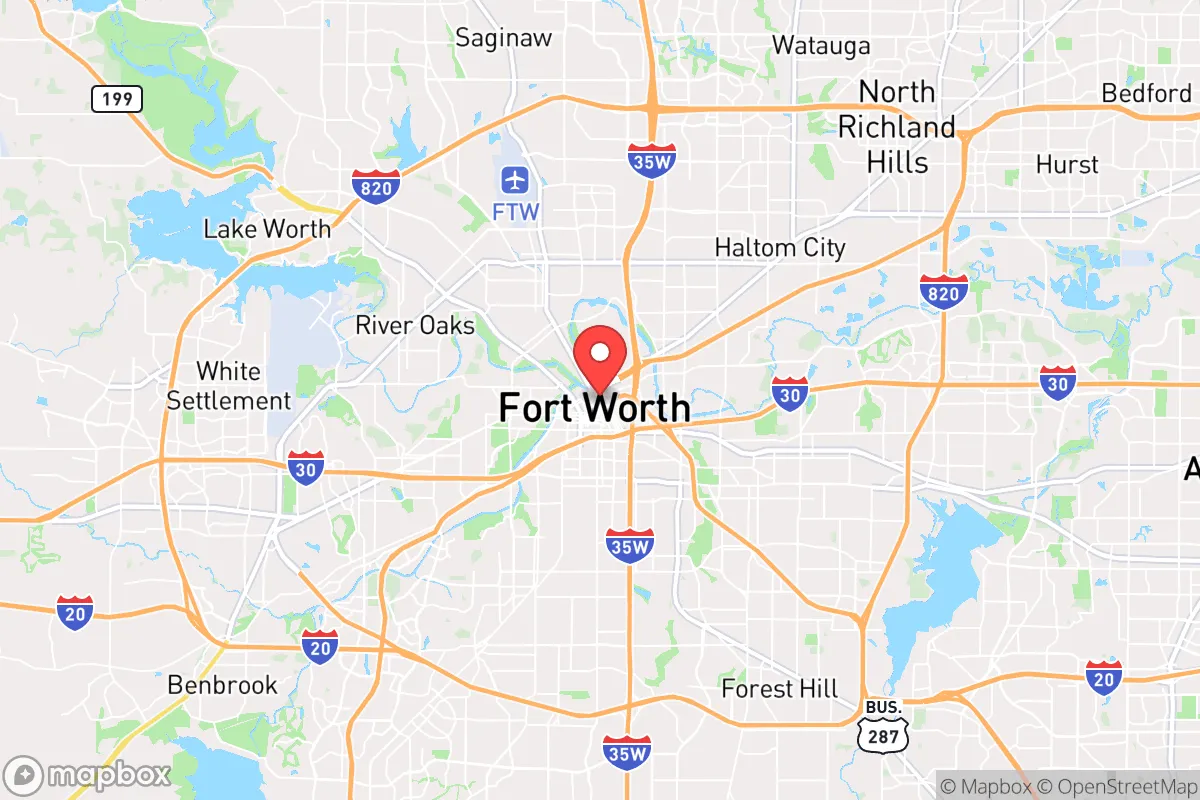
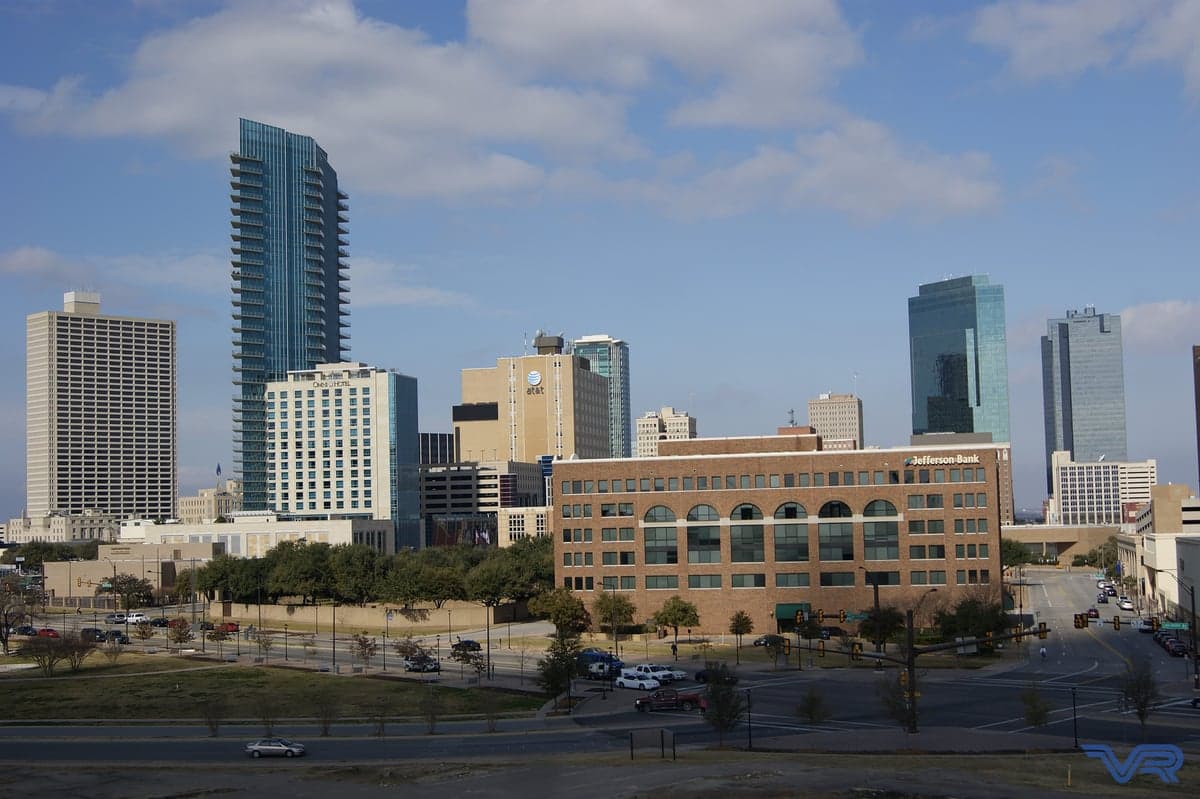
Photo: Wikipedia
Political ClimatePolitical Climate in Fort Worth, TX
District shown is the primary district for this city’s centroid. Cities may span multiple districts.
Local Political AnalysisPolitical Analysis of Fort Worth, TX
Fort Worth has long been the conservative anchor of North Texas, and that hasn't changed much at the ballot box. With a Cook Partisan Voting Index of R+11, the city and its surrounding areas lean heavily Republican, though you'll notice a real split once you cross into the eastern parts of Tarrant County or head toward Dallas. The political climate here is still rooted in a "live and let live" Texas tradition, but like everywhere else, you can feel the pressure from progressive waves washing in from the coast and the big-money transplants. The trajectory is a slow drift left in the urban core, but the suburbs and exurbs—places like Aledo, Burleson, and Weatherford—are holding the line hard.
How it compares
If you drive 30 minutes east into Dallas, you're in a completely different world—solidly blue, with all the big-city progressive politics that come with it. Fort Worth, by contrast, still feels like the "where the West begins" city. Surrounding towns like Arlington and Mansfield are more purple, swinging back and forth depending on the election cycle, but they still lean right overall. The real contrast is with Austin or Houston, where the urban cores have gone deep blue and the county governments have become activist. Here in Tarrant County, the commissioners court and local school boards are still mostly conservative, though you can see the fight heating up over things like library policies and curriculum. The rural counties west of Fort Worth—Parker, Wise, Hood—are deep red, and they're where a lot of folks have moved to escape the creeping overreach they see in the city limits.
What this means for residents
For the average resident, the political climate here means you still have a fair amount of breathing room when it comes to personal freedoms. Gun rights are respected, property taxes are a headache but not as bad as in blue states, and you're not getting lectured by city hall about what kind of car you drive or how you heat your home. That said, the warning signs are there. The city council has flirted with zoning changes and "equity" initiatives that sound harmless but often lead to more bureaucracy and less local control. The real concern is the long-term trend: as more people move in from California and the Northeast, they bring their voting habits with them. If you value limited government and the right to make your own choices without a permit or a task force, you'll want to keep an eye on school board races and city council elections—that's where the real battles are happening now.
One thing that sets Fort Worth apart culturally is its stubborn independence. You don't see the same level of corporate-driven social engineering you get in Austin or Dallas. The Stockyards still feel like a place where a cowboy and a welder can have a beer without someone handing them a survey about their pronouns. But the pressure is real. The next decade will tell whether Fort Worth stays true to its conservative roots or slowly becomes another homogenized metroplex suburb. For now, it's still a place where you can raise a family, keep your guns, and tell the government to mind its own business—but you've got to stay engaged to keep it that way.

State Political ClimatePolitical Climate in Texas
State Political AnalysisPolitical Environment in the State
Texas has been a reliably Republican state for decades, but the political landscape is more complex than a simple red-state label suggests. The dominant coalition is still conservative, anchored by rural voters, suburban families, and a strong business community that prizes low taxes and limited regulation. However, the 10-20 year trajectory shows a slow but steady shift toward competitive two-party politics, driven by explosive population growth in the major metros. In 2024, Donald Trump carried Texas by about 9 points, down from 11 points in 2020 and 16 points in 2016, signaling a real trend that anyone moving here should watch closely.
Urban vs. rural divide
The political map of Texas is a study in contrasts. The big cities — Austin, Houston, Dallas, San Antonio, and El Paso — are solidly Democratic, with Austin and El Paso being the most liberal. Harris County (Houston) and Dallas County have flipped from purple to reliably blue over the past decade. Meanwhile, the rural and exurban counties are deeply red. The real battleground is the suburbs. Places like Collin County (north of Dallas), Denton County, and Williamson County (north of Austin) were once Republican strongholds but are now trending purple as young families and professionals move in. In 2020, Biden won Tarrant County (Fort Worth) for the first time since 1964, though Trump narrowly flipped it back in 2024. The Rio Grande Valley, once a Democratic stronghold, has been shifting right, with counties like Starr County and Zapata County voting for Trump in 2024 — a huge realignment among Hispanic voters.
Policy environment
Texas remains a low-tax, low-regulation state, which is a major draw for conservatives. There is no state income tax, and property taxes are high but capped by law. The regulatory posture is business-friendly, with minimal red tape for startups and small businesses. On education, the state has pushed school choice and parental rights, including the 2023 passage of a school voucher-like program (HB 3) that created education savings accounts. Healthcare policy is mixed: Texas did not expand Medicaid under the ACA, and the state has some of the strictest abortion laws in the nation (SB 8, the heartbeat bill, and the near-total ban after Roe fell). Election laws were tightened in 2021 with SB 1, which added voter ID requirements and limited mail-in voting. For a conservative, the policy environment is largely favorable, though the growing urban influence is starting to chip away at some of these protections.
Trajectory & freedom
On the freedom front, Texas has been a mixed bag. The good news: the state expanded gun rights with permitless carry (HB 1927) in 2021, and property rights were strengthened with the passage of a constitutional amendment banning a state income tax. Parental rights in education were bolstered by HB 900, which restricts sexually explicit content in school libraries. The bad news: the state has seen an erosion of medical freedom, with COVID-era mandates and vaccine passports being pushed by local governments in Austin and Dallas, though the state legislature pushed back with bans on vaccine mandates. The biggest concern for many conservatives is the growing influence of progressive policies in the major cities — things like defunding police rhetoric in Austin and sanctuary city policies in El Paso and Houston. The state has preempted many local ordinances (like bans on fracking and plastic bags), but the cultural shift is real.
Civil unrest & political movements
Texas has seen its share of political flashpoints. The 2020 protests in Austin and Houston were large and sometimes violent, leading to a backlash that helped elect more conservative sheriffs and district attorneys in suburban counties. The border crisis has been a constant source of tension, with Governor Abbott's Operation Lone Star deploying state troopers and National Guard to the border, and busing migrants to sanctuary cities like New York and Chicago. This has created a visible divide: border communities like El Paso and Brownsville are more sympathetic to immigration, while inland areas are frustrated with the federal government's inaction. Election integrity remains a hot topic, with the 2020 and 2024 elections seeing lawsuits over ballot drop boxes and mail-in voting. Secession talk (Texit) is a fringe movement but has gained some traction in rural areas, though it's not a serious political force.
Projection
Over the next 5-10 years, Texas will likely continue its slow shift toward competitiveness. The in-migration from blue states (California, New York, Illinois) is bringing more moderate and left-leaning voters, especially to the suburbs of Dallas, Austin, and Houston. The Hispanic vote is becoming more Republican, which could offset some of those losses, but the urban growth is relentless. The state legislature is likely to remain Republican for the foreseeable future due to gerrymandering, but statewide races (governor, Senate) could become toss-ups by 2030. For a conservative moving in now, expect to see more blue pockets in the suburbs, more local fights over school curriculum and library books, and a continued battle between state preemption and local progressive ordinances. The freedom you find in Texas will depend heavily on which county you choose to live in.
For a new resident, the bottom line is this: Texas still offers a much freer environment than most blue states, with no income tax, strong gun rights, and a culture of personal responsibility. But the political winds are shifting, and the state is not immune to the national trends. If you want the full Texas experience — low taxes, limited government, and a conservative community — you'll want to look at the smaller cities and exurbs like Lubbock, Midland, or the Hill Country around Fredericksburg. The big metros are becoming more like the places people are fleeing. Choose your county wisely, and you'll find the freedom you're looking for.
* Values derived from national, state, county, city and local statistics and may differ in a specific area. Last updated: 2026-04-20T03:53:02.000Z
Narrative content on this page is AI-generated and may contain mistakes. Verify any details that matter before acting on them.
ReloMaps may earn a commission from affiliate links at no extra cost to you.

