Photo: Wikipedia
Find The Best Places To Live
in Framingham
PRO TIP! You can paste a Zillow or Redfin link to get info on that property.
What It's Like Living in Framingham, MA
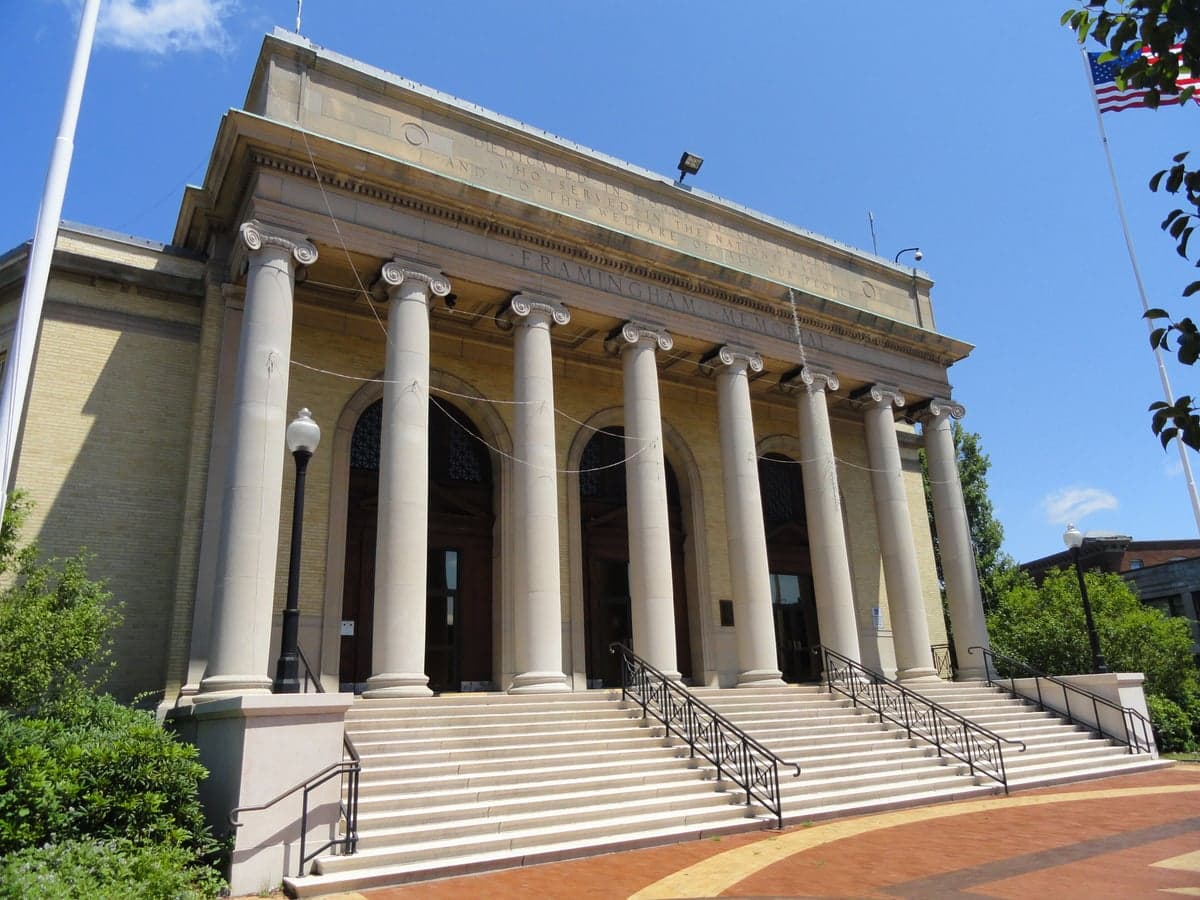
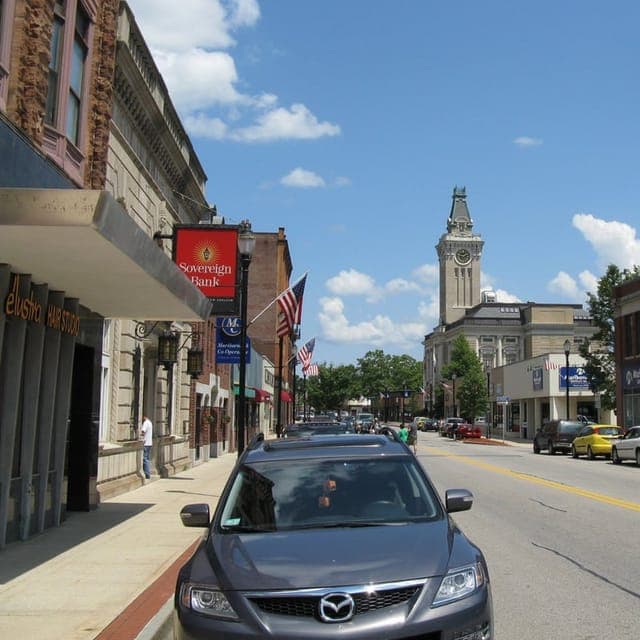
Framingham is one of those Massachusetts towns that feels less like a suburb and more like a small city that happens to have a Dunkin’ on every corner. It’s the largest municipality in the state by population that isn’t a city proper—though it officially became a city in 2018—and that identity shift sums up the place: it’s a working-to-middle-class hub with a dense, diverse, sometimes chaotic energy. You get the convenience of being 20 miles from Boston without the Boston price tag, but you also get the traffic, the aging infrastructure, and the sense that everyone here is either on their way somewhere else or has been here long enough to remember when Route 9 was two lanes.
Daily Rhythm: The Commuter’s Trade-Off
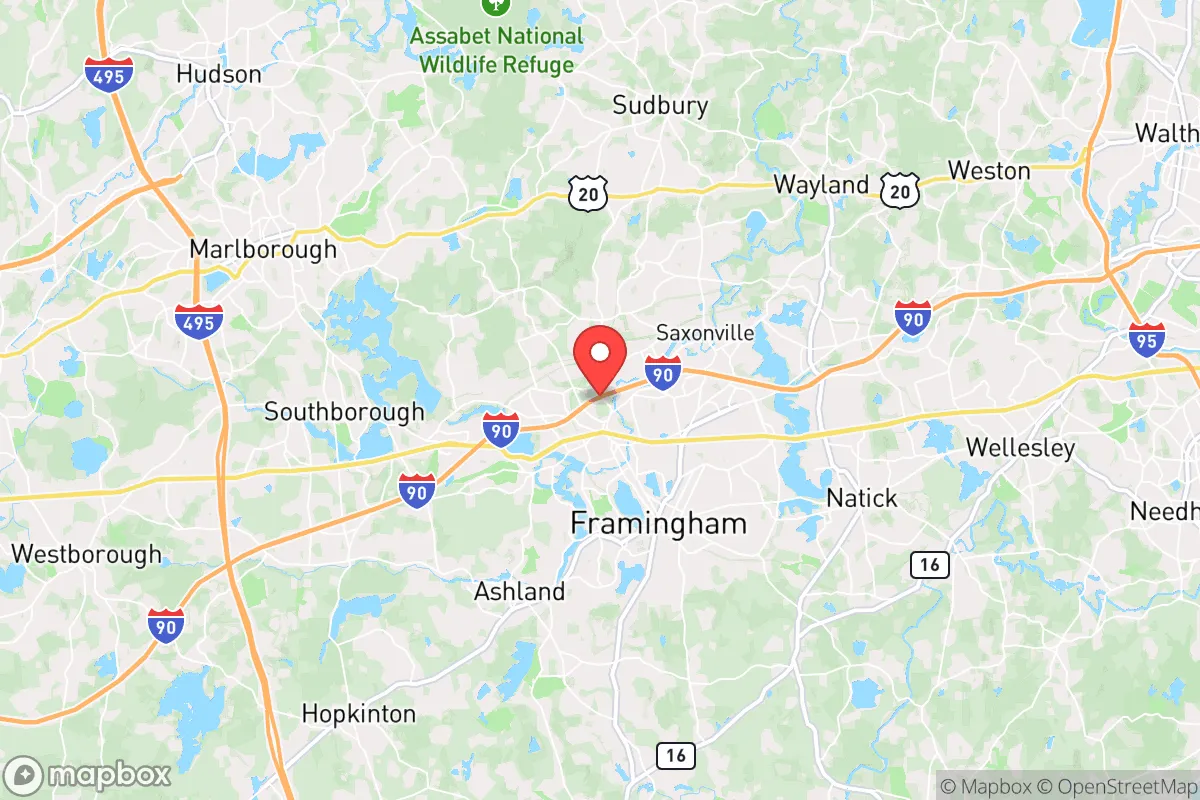
For most people living in Framingham, the day starts with a commute. The average drive time hovers around 30 minutes, which is about par for Metro West—long enough to finish a podcast, short enough that you’re not tempted to move closer to work. The commuter rail station on the Worcester Line is a lifeline for anyone working in Boston or Cambridge; it’s a 45-minute ride to South Station, and the parking lot fills up by 7:30 a.m. If you drive, you’ll learn to hate the intersection of Route 9 and Route 126, and you’ll develop strong opinions about which of the three Whole Foods locations (yes, three) has the least chaotic parking lot. After work, people tend to stay local. The Natick Mall is a 10-minute drive, but most errands happen at the Shoppers World plaza, which has a Target, a Best Buy, and a surprisingly good ramen spot called Sapporo. Weekends are for the farmers market at the Framingham Centre Common in summer, or for hitting Callahan State Park if you need woods and trails without driving all the way to the Berkshires.
Who Fits In—and Who Doesn’t
Framingham’s median age is 37.7, and the median household income is just under $98,000, which puts it solidly in the upper-middle range for Massachusetts but not in the “private school and ski house” bracket you see in Wellesley or Weston. The people who thrive here are pragmatists: they want decent schools, a 20-minute drive to a Red Sox game, and a mortgage that doesn’t require a second job. About 49% of adults hold a bachelor’s degree or higher, so you’ll find plenty of tech workers, healthcare professionals, and state employees. But it’s also a town with a strong Brazilian and Portuguese community—Framingham has one of the largest Brazilian populations in New England—which means you can get authentic pão de queijo at a bakery on Route 9 and hear Portuguese spoken at the grocery store. The kind of person who feels out of place here is someone who wants manicured lawns and zero traffic. This is not a quiet bedroom community; it’s a place where the fire station siren goes off at all hours and the high school football games draw real crowds.
Sports, Bars, and the Things That Actually Happen Here
High school sports are a bigger deal here than in most suburbs. Framingham High School’s football team, the Flyers, plays at the newly renovated Bowditch Field, and the rivalry with Natick is genuine—people show up, tailgate, and care about the Thanksgiving game. There’s no major pro team in town, but Fenway Park is a 35-minute drive, and Gillette Stadium is about 30 minutes south, so you’re never far from a game. For nightlife, the bar scene is scattered but functional. The British Beer Company on Route 9 is the default spot for trivia nights and nachos, while John Harvard’s Brewery & Ale House in the old Framingham Centre train station has a fireplace and a solid IPA. If you want live music, The Amazing Things Arts Center on Hollis Street books folk, jazz, and comedy acts in a tiny black-box theater that feels like a secret. The biggest annual event is the Framingham Farmers Market (May through October), but the real cultural touchstone is the Framingham History Center’s walking tours, which cover everything from the town’s role in the American Revolution to its history as a shoe-manufacturing hub.
The Honest Trade-Offs: What Works and What Grates
The pros are concrete. Cost of living is high but not insane—the index is 181 (81% above the national average), but the median home value of $600,600 is roughly half of what you’d pay in Cambridge or Brookline. The schools are solid, with Framingham High offering a strong STEM program and a well-regarded performing arts department. The parks system is underrated: Garden in the Woods is a 45-acre native plant garden that feels like a botanical escape, and Lake Cochituate State Park has swimming, kayaking, and a beach that gets crowded but never feels like Cape Cod. The cons are just as real. Violent crime is 172.8 per 100,000, which is higher than the national average but concentrated in specific areas—most people never feel unsafe, but you’ll hear about car break-ins and package thefts on the neighborhood Facebook page. Traffic on Route 9 is genuinely bad, especially on weekends, and the winter potholes are legendary. The biggest frustration for longtime residents is the sense that Framingham is always in transition: the downtown area has been “about to be revitalized” for a decade, and while new apartment buildings are going up, the retail mix still feels like a strip mall ecosystem. But if you can handle the trade-offs, you get a town that’s diverse, connected, and real—no one moves here for the prestige, but plenty of people stay because it works.

Similar small cities to Framingham
* Values derived from national, state, county, city and local statistics and may differ in a specific area. Last updated: 2026-05-01T02:57:55.000Z
Narrative content on this page is AI-generated and may contain mistakes. Verify any details that matter before acting on them.
ReloMaps may earn a commission from affiliate links at no extra cost to you.

