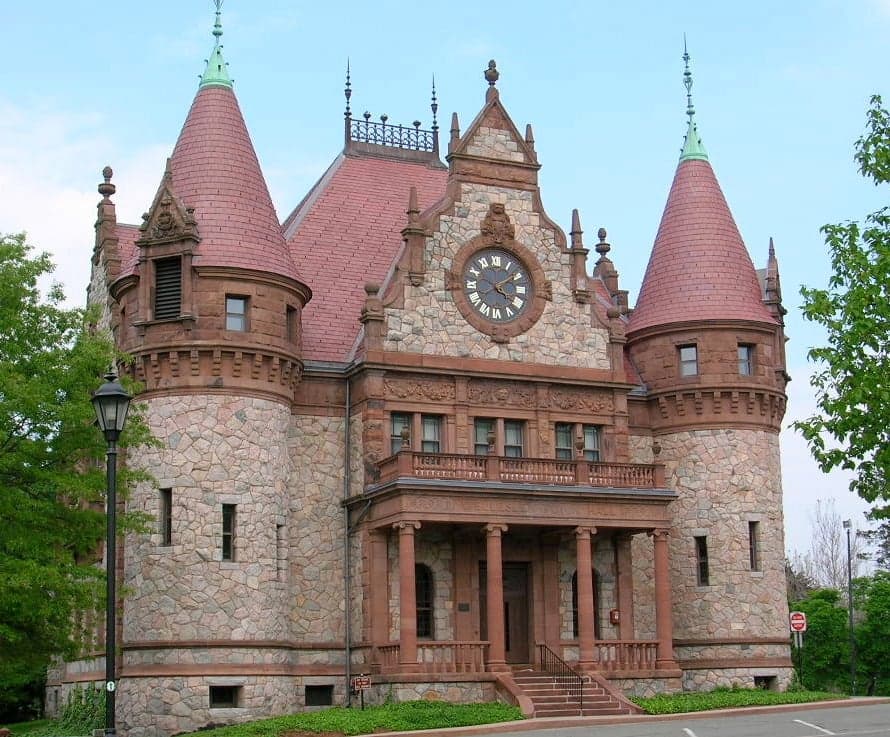
Photo: Wikipedia
Find The Best Places To Live
in Wellesley
PRO TIP! You can paste a Zillow or Redfin link to get info on that property.
What It's Like Living in Wellesley, MA
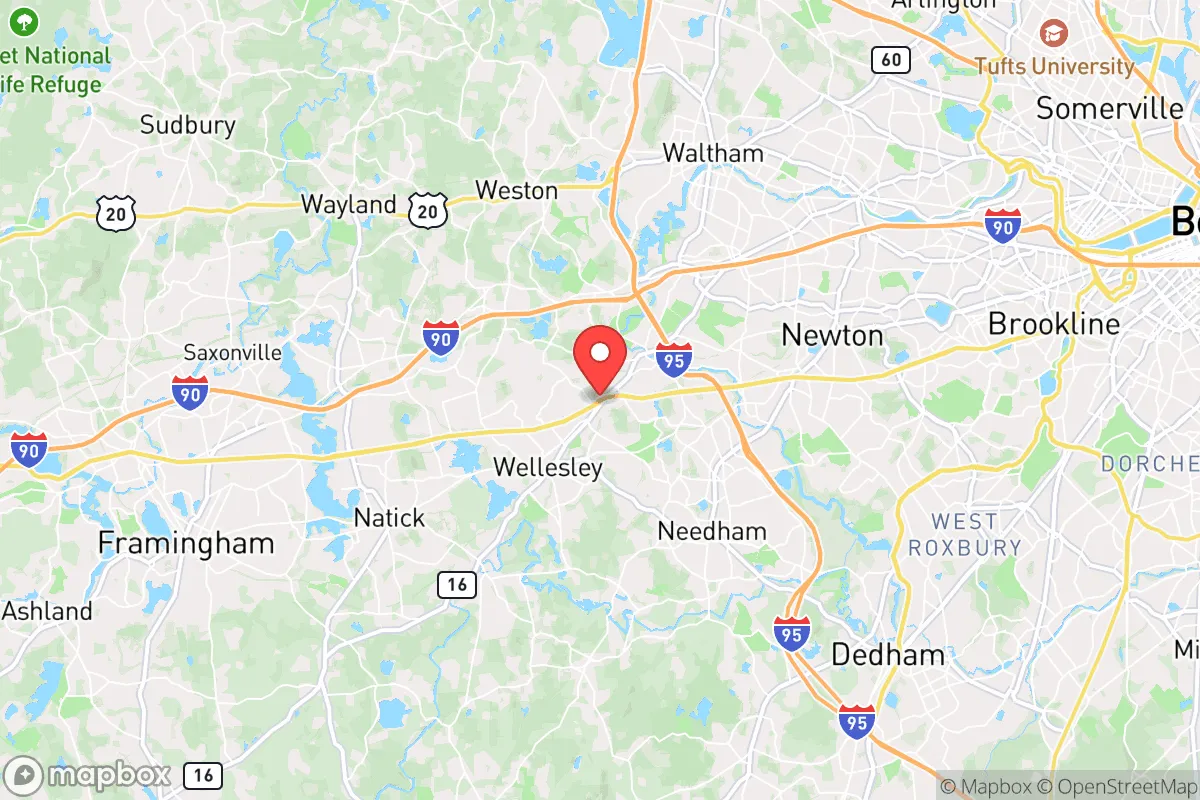
Wellesley, Massachusetts, carries a reputation that precedes it, and for the most part, the reality matches the myth. It’s a meticulously maintained, affluent suburb about 12 miles west of Boston, where the public schools are a primary draw and the town common feels like a movie set. Living here means trading urban chaos for a slower, more structured rhythm, but that trade-off comes with a price tag and a set of expectations that aren’t for everyone.
The Daily Rhythm: School, Commute, and the Village
For most residents, the day revolves around the school calendar. Wellesley’s public schools are the town’s anchor, and with 87.1% of adults holding a college degree, the pressure on kids to excel is real but not suffocating. Mornings see a steady stream of minivans and Teslas heading to the Hardy, Fiske, or Schofield elementary schools, and by 3 PM, the town center buzzes with students heading to Starbucks or the Wellesley Free Library. The average commute to Boston is about 28 minutes, but that’s a best-case scenario—the Mass Pike and Route 9 can turn that into 45 minutes during a snowstorm or a Red Sox game day. Many residents take the MBTA Commuter Rail from Wellesley Farms or Wellesley Hills stations, which drops you at South Station in under 30 minutes, making it a viable option for downtown workers who value a seat and a quiet ride over driving.
Weekends are a mix of errands and leisure. The Linden Square shopping center is the de facto town square, with a Roche Bros. grocery store, a few boutiques, and a popular spot for brunch. The Wellesley Village Church area hosts a farmers market in warmer months, and the town’s many parks—like the 200-acre Wellesley College campus with its lake and trails—are filled with dog walkers and joggers. The vibe is polished but not pretentious; you’ll see more Patagonia vests than designer handbags, and the local coffee shop conversations are more likely about school board meetings than stock tips.
Sports, Community, and the Local Identity
High school sports are a genuine event here. Wellesley High School’s football games on Friday nights draw crowds that rival small college games, and the rivalry with Needham is the stuff of local legend. The Raiders (the school’s teams) are a source of town pride, and the hockey and lacrosse programs are consistently strong. For pro sports, Boston’s teams are everyone’s teams—you’ll see Patriots flags on Commonwealth Avenue in the fall and Red Sox caps year-round. The town itself doesn’t have a major sports venue, but the proximity to Fenway Park (30 minutes by train) and Gillette Stadium (40 minutes by car) means game-day traffic is a shared annoyance.
The town’s cultural quirks are subtle but defining. The annual Wellesley Wonderful Weekend in May is a town-wide celebration with a parade, a carnival, and a road race that feels like a reunion. The Wellesley Symphony Orchestra and the Wellesley Players community theater group offer low-key cultural options. There’s no real “nightlife” in the traditional sense—the bars are mostly restaurant-adjacent, like the bar at Blue Ginger (Ming Tsai’s former spot, now a different concept) or the casual pub at The Cottage. Most socializing happens at dinner parties, school events, or the Wellesley Country Club, which is a central social hub for families who can swing the membership.
What’s There to Do: Parks, Eats, and the Boston Connection
Outdoor life is defined by the town’s green spaces. Morses Pond is a summer hotspot for swimming and paddleboarding, and the Broadmoor Wildlife Sanctuary offers 9 miles of trails through marshes and woodlands. For a more structured outing, the Wellesley College Botanic Gardens are free and stunning in spring. Dining is solid but not destination-level. Juniper on Washington Street is a reliable spot for Mediterranean small plates, and Bocado serves upscale tapas in a converted house. For a quick bite, White’s Bakery is a local institution for whoopee pies and breakfast sandwiches. The real entertainment draw is Boston itself—a 20-minute drive or train ride gets you to the Museum of Fine Arts, the North End for Italian food, or the Seaport District for concerts and nightlife. That proximity is a major selling point for residents who want quiet streets but urban access.
Pros and Cons of Living Here
- Pros: The schools are genuinely excellent, with a graduation rate above 98% and a curriculum that includes Mandarin and robotics. Crime is negligible—violent crime sits at 47.2 per 100,000, roughly a tenth of the national average. The town is walkable in its core, with sidewalks and bike lanes connecting neighborhoods to the village. The community is engaged and civic-minded; town meeting is a real event, not a formality.
- Cons: The cost of living is punishing. With a median home value of $1.51 million and a cost of living index of 362 (more than three times the national average), this is not a place for first-time buyers or renters on a budget. The median household income of $250,001 tells you the kind of person who can afford to live here—typically dual-income professionals or inherited wealth. Traffic on Route 9 and Washington Street is a daily grind, and the town’s homogeneity (predominantly white, upper-income) can feel stifling for those seeking diversity. Winters are long and gray, and the town’s strict zoning and historic preservation rules mean few new housing options.
Wellesley works best for families who prioritize schools and safety above all else, and for professionals who can absorb the cost without strain. It’s a beautiful, well-run machine, but it’s not a place for spontaneity or urban energy. If you value a predictable, high-quality life and have the means to afford it, you’ll fit right in. If you’re looking for a bargain or a vibrant nightlife, keep driving east.

Similar towns to Wellesley
* Values derived from national, state, county, city and local statistics and may differ in a specific area. Last updated: 2026-04-16T01:00:27.000Z
Narrative content on this page is AI-generated and may contain mistakes. Verify any details that matter before acting on them.
ReloMaps may earn a commission from affiliate links at no extra cost to you.

