Political ClimatePolitical Climate in Gardiner, ME
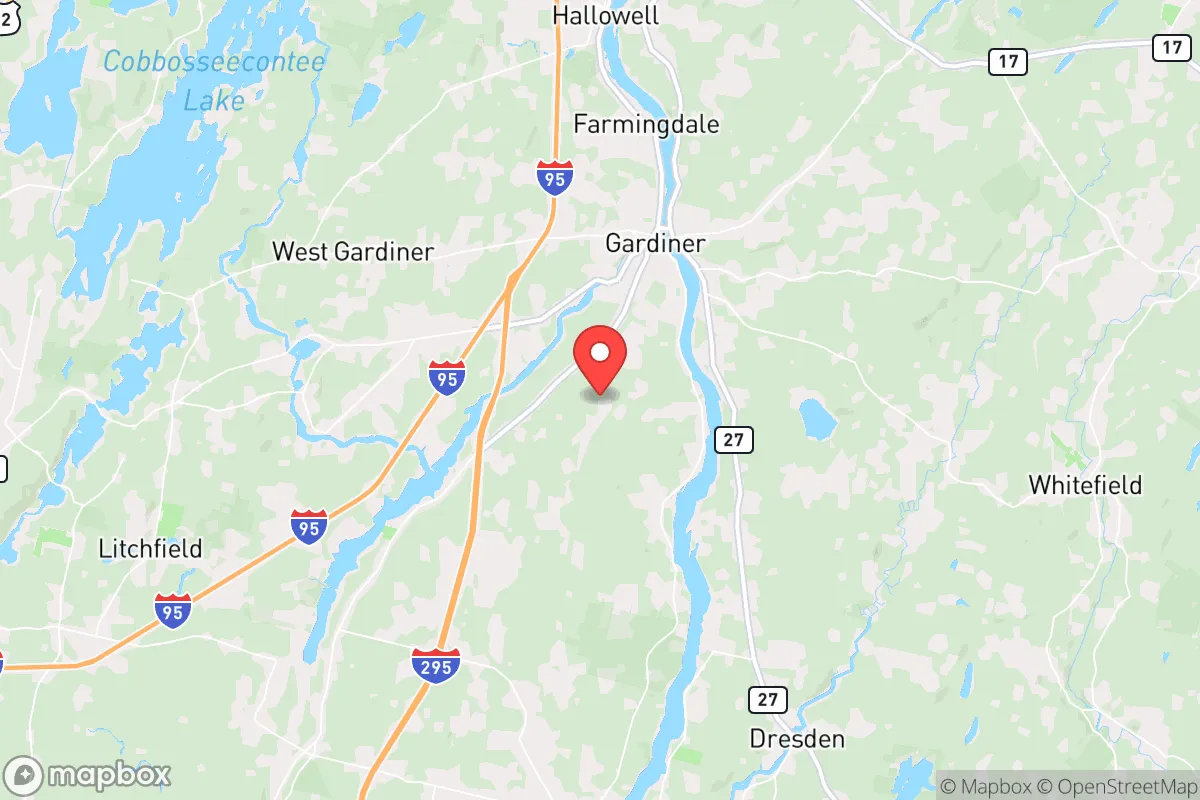
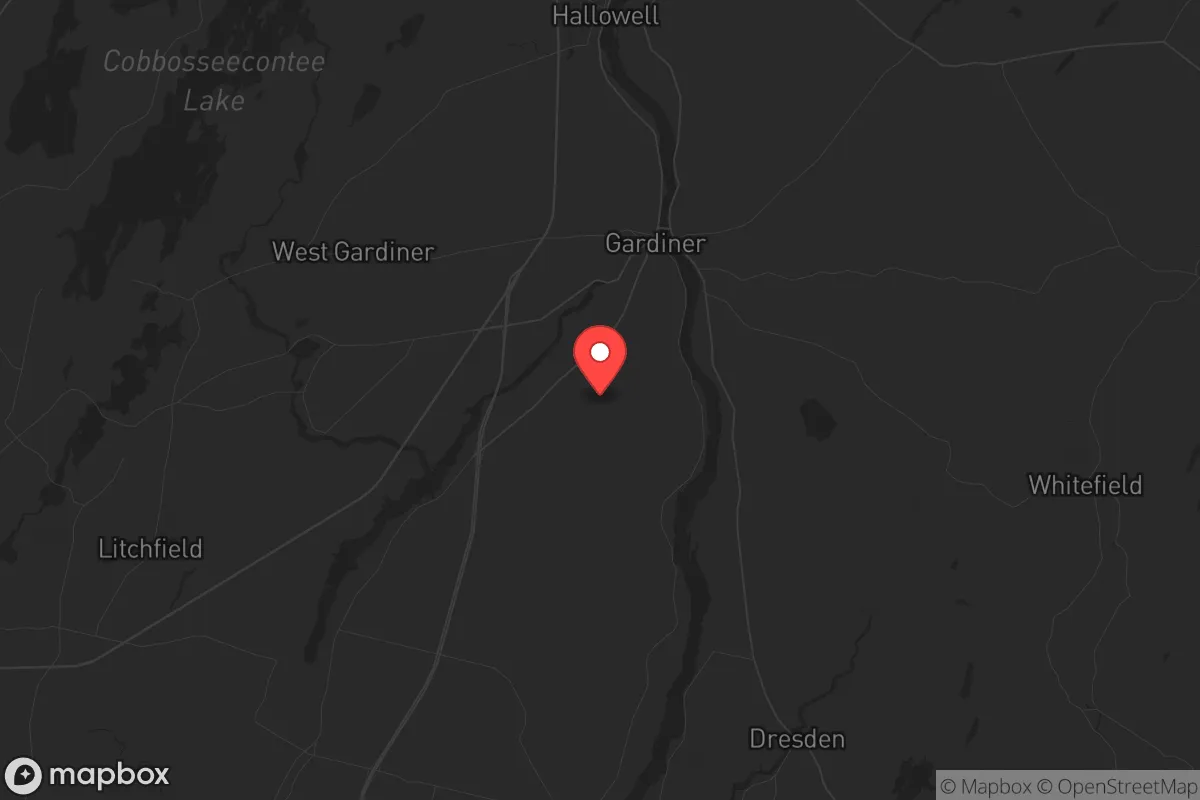
District shown is the primary district for this city’s centroid. Cities may span multiple districts.
Local Political AnalysisPolitical Analysis of Gardiner, ME
Gardiner, Maine, has long been a quiet pocket of conservative common sense in a state that’s been drifting leftward. With a Cook PVI of R+4, this Kennebec River town leans reliably Republican, and that’s not just a number on a map—it’s how folks around here live. You’ll see it in the local elections, the town council votes, and the way people talk about property rights and school budgets. But don’t let the R+4 fool you into thinking it’s a fortress; the surrounding state of Maine has a Cook PVI of D+3, meaning the progressive tide is lapping at our doorstep, especially from places like Portland and Augusta just up the road. The trajectory here is a slow, grinding shift, and it’s got a lot of us watching our step.
How it compares
When you stack Gardiner up against the rest of Maine, the contrast is stark. The state as a whole went for Biden by about 6 points in 2020, but Gardiner and its immediate neighbors—like Randolph, Pittston, and even parts of Chelsea—stayed red. Drive 20 minutes south to Augusta, the state capital, and you’re in a D+10 zone where the government buildings and university crowd push a very different agenda. Head north to Waterville or west to Lewiston, and you’ll find similar blue pockets. Gardiner sits as a kind of buffer, a place where the old-school Maine values of minding your own business and keeping government out of your wallet still hold. The difference isn’t just electoral; it’s cultural. In Gardiner, you’re more likely to hear someone complain about property taxes or a new zoning rule than about national politics. In Portland, it’s the opposite. That R+4 rating feels like a bulwark, but it’s a thin one—every election cycle, we see more transplants from away bringing their big-city ideas with them.
What this means for residents
For those of us living here, the political climate means we have to stay vigilant. The local school board and town council are where the rubber meets the road, and we’ve seen attempts to push progressive policies—like diversity initiatives or climate action plans—that sound nice on paper but often come with mandates and higher taxes. The real concern is government overreach. Gardiner’s conservative lean has kept things like zoning restrictions and business regulations relatively light, but the state government in Augusta keeps trying to impose uniform rules that don’t fit a town like ours. If you value personal freedoms—like deciding what to do with your own land, how to educate your kids, or whether to carry a firearm—Gardiner is still a good bet, but you can’t take it for granted. The shift is real, and it’s happening faster than a lot of folks realize.
One thing that sets Gardiner apart is its stubborn sense of independence. You won’t find the same kind of activist energy here as in Hallowell or Brunswick. The local culture prizes self-reliance and a healthy skepticism of authority, which is why you’ll see more “Don’t Tread on Me” flags than rainbow banners. That said, the long-term outlook is uncertain. As Maine’s population ages and younger, more liberal residents move in from out of state, the political balance could tip. For now, Gardiner remains a place where a conservative can breathe easy, but it’s worth keeping an eye on the town council meetings and the state legislature—because the fight over personal freedoms isn’t going away anytime soon.

State Political ClimatePolitical Climate in Maine
State Political AnalysisPolitical Environment in the State
Maine is a state that looks politically competitive on paper—Cook PVI D+3—but in practice it’s a tale of two Maines that’s been drifting leftward for the better part of two decades. The state hasn’t voted for a Republican president since George H.W. Bush in 1988, and while it still elects centrist GOP governors like Paul LePage (2011-2019) and occasionally splits its congressional delegation, the legislature has been under Democratic control for most of the last 15 years. The real story is the urban-rural chasm: Portland and its suburbs have grown bluer and more populous, while vast stretches of the north and east have stayed red but lost people. That demographic shift is slowly but steadily pulling the whole state left.
Urban vs. rural divide
The political map of Maine is brutally simple: the Portland metro area—Cumberland County and parts of York County—drives the state’s Democratic lean. Portland itself is a progressive stronghold, with the state’s highest density of college-educated professionals, out-of-state transplants, and young families who moved in during the pandemic. South Portland, Falmouth, and Yarmouth are reliably blue, often voting 65-70% Democratic. Bangor, the second-largest city, is more moderate but still leans left, while Lewiston and Auburn are working-class swing areas that have trended Democratic in recent cycles. The rural interior—Aroostook County, Washington County, Piscataquis, and Somerset—votes heavily Republican, often 60-70% for the GOP. But those counties have been losing population for decades, so their electoral weight shrinks every cycle. The 2020 presidential race saw Biden win Maine by 9 points, but Trump actually flipped Maine’s 2nd Congressional District (the vast rural north and east) by 7 points—a reminder that the state is effectively two separate political ecosystems. The 1st District (Portland south) is D+9; the 2nd is R+6. That split is getting sharper, not softer.
Policy environment
Maine’s state-level policy leans progressive, and it’s been accelerating. The income tax is a flat 5.8% for most earners, but the top marginal rate hits 7.15% on income over $68,000—high by national standards. Property taxes are among the highest in the country, averaging about 1.3% of home value, which hits rural landowners hard. The sales tax is a modest 5.5%, but it’s applied broadly. On education, Maine has a strong public school system but also a growing homeschool and private school movement, partly driven by frustration with COVID-era mandates and curriculum battles. The state passed a universal school meal program in 2021 and has expanded pre-K, but parental rights advocates have been fighting back against LGBTQ-inclusive curricula and gender identity policies in schools. Healthcare is dominated by MaineHealth, a large nonprofit system, and the state expanded Medicaid under the Affordable Care Act in 2019 via a ballot initiative—voters approved it 59-41%, overriding a veto by then-Governor LePage. Election laws are relatively open: same-day voter registration, no-excuse absentee voting, and automatic voter registration at the DMV. There’s no voter ID law, which is a flashpoint for conservatives who worry about election integrity. The state also uses ranked-choice voting for federal and state primaries, which was adopted by referendum in 2016 and expanded in 2018.
Trajectory & freedom
On personal freedom, Maine is a mixed bag trending in the wrong direction. Gun rights are relatively strong—Maine is a shall-issue state for concealed carry, no permit needed for open carry, and no assault weapons ban—but that’s under threat. In 2023, after the Lewiston mass shooting, the legislature passed a 72-hour waiting period for gun purchases and expanded background checks to private sales, both signed by Governor Janet Mills. A red-flag law (extreme risk protection order) was already on the books from 2019. Second Amendment advocates see this as the thin edge of the wedge. On medical freedom, Maine was aggressive with COVID mandates: a statewide indoor mask mandate, vaccine requirements for healthcare workers, and school mask mandates that lasted into 2022. The state also passed a law in 2023 protecting access to gender-affirming care for minors, which conservatives view as government overreach into parental rights. Property rights are generally respected, but the state’s Land Use Planning Commission has broad authority over development in the unorganized territories (about half the state’s land area), and environmental regulations on shoreline development and wetlands are strict. The tax burden is high and rising—Maine’s state and local tax burden as a percentage of income ranks 11th highest in the country. The state also has a “right to repair” law for cars, which is popular across the spectrum, but overall the trajectory is toward more regulation, not less.
Civil unrest & political movements
Maine is not a hotbed of street protests, but there have been notable flashpoints. The Lewiston shooting in October 2023 sparked massive gun-control rallies in Augusta and Portland, with thousands demanding stricter laws—and the legislature responded quickly. On the right, the “Maine 2nd” movement is a loose coalition of rural conservatives who talk about secession from the state, or at least greater autonomy for the 2nd Congressional District. It’s mostly rhetorical, but it reflects real frustration with Portland-centric governance. There have also been protests at the State House over vaccine mandates, school mask policies, and critical race theory in schools, with the “Maine Parents Union” organizing busloads of families to testify against curriculum changes. Immigration is a quieter issue here than in border states—Maine’s foreign-born population is only about 4%—but Portland has a sanctuary city policy (since 2017), and there have been tensions over asylum-seeker housing in hotels and motels, especially in Lewiston and Portland. Election integrity is a live issue: the 2020 election saw no major fraud cases, but the state’s use of drop boxes and universal mail-in ballots (temporarily expanded during COVID) has drawn scrutiny from conservative groups. The Maine GOP has pushed for voter ID laws and stricter ballot security, but those bills have died in the Democratic-controlled legislature.
Projection
Over the next 5-10 years, Maine will likely continue its slow leftward drift. The Portland metro is growing, attracting young professionals and remote workers from Massachusetts and New York, while rural counties continue to age and shrink. That demographic shift means the 2nd Congressional District could eventually flip blue, though it’s still a few cycles away. The state’s tax burden and regulatory environment will probably get heavier, not lighter—expect more gun restrictions, expanded paid family leave (already passed in 2023), and possibly a move toward a progressive income tax. The housing crisis is a wild card: high property taxes and a shortage of affordable homes are pushing some working-class families out of the state, which could accelerate the political sorting. If you’re moving in now, expect a state where your personal freedoms—especially around guns, medical choices, and school curriculum—are increasingly contested, and where the political center of gravity is in Portland, not the paper mill towns. The rural-urban divide will only get sharper.
Bottom line for a new resident: Maine offers beautiful landscapes, strong communities, and a slower pace of life, but it’s not the libertarian haven some imagine. The state government is actively expanding its reach into areas conservatives value—gun rights, parental authority, tax burden, and medical freedom. If you’re looking for a place where you can be left alone, the rural 2nd District is still your best bet, but even there, the political winds are shifting. Come for the coast and the quiet, but understand that the state’s politics are increasingly shaped by the Portland metro, and that trend isn’t reversing anytime soon.
* Values derived from national, state, county, city and local statistics and may differ in a specific area. Last updated: 2026-05-04T15:55:55.000Z
Narrative content on this page is AI-generated and may contain mistakes. Verify any details that matter before acting on them.
ReloMaps may earn a commission from affiliate links at no extra cost to you.

