
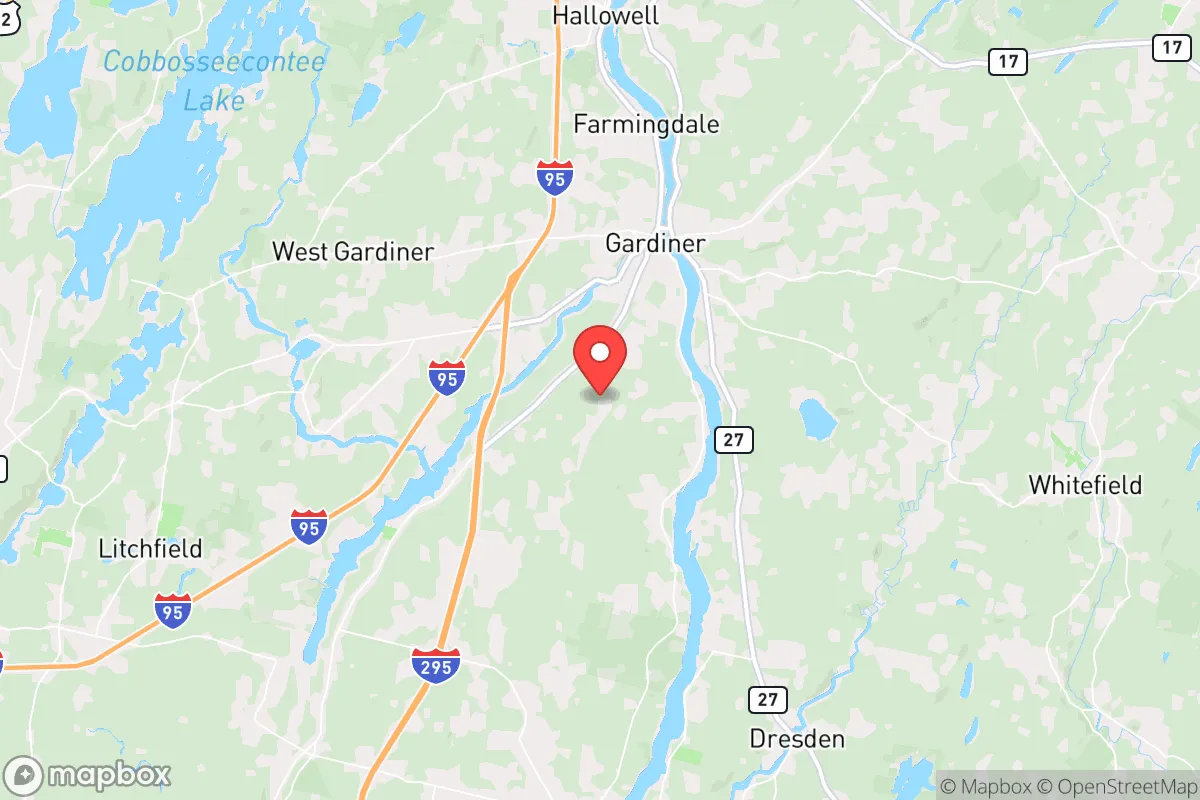
Quality of Life in Gardiner, ME
A high quality of life with strong walkability, manageable living costs, healthy neighborhood signals, and solid amenity access.
What does Quality of Life tell us?
Quality of Life blends cost of living, nearby amenities, socioeconomic signals, and neighborhood character. City-level scores represent the whole municipality; individual neighborhoods can differ.
What does this tell us?
Quality of Life blends cost of living, nearby amenities, socioeconomic signals, and neighborhood character. City-level scores represent the whole municipality; individual neighborhoods can differ.
Cost of Living
24% below national average
The Real Cost of Living in Gardiner, ME for 2026
| Tier | Individual | Family (4) |
|---|---|---|
| Survival | $15k | $28k |
| Comfortable | $38k | $57k |
| Luxury | $96k+ | $149k+ |
| Elite (Top 5%) | $113k+ | $175k+ |
103%
The Area Signal
A metric tracking the socioeconomic signals of the area.
Hobbies
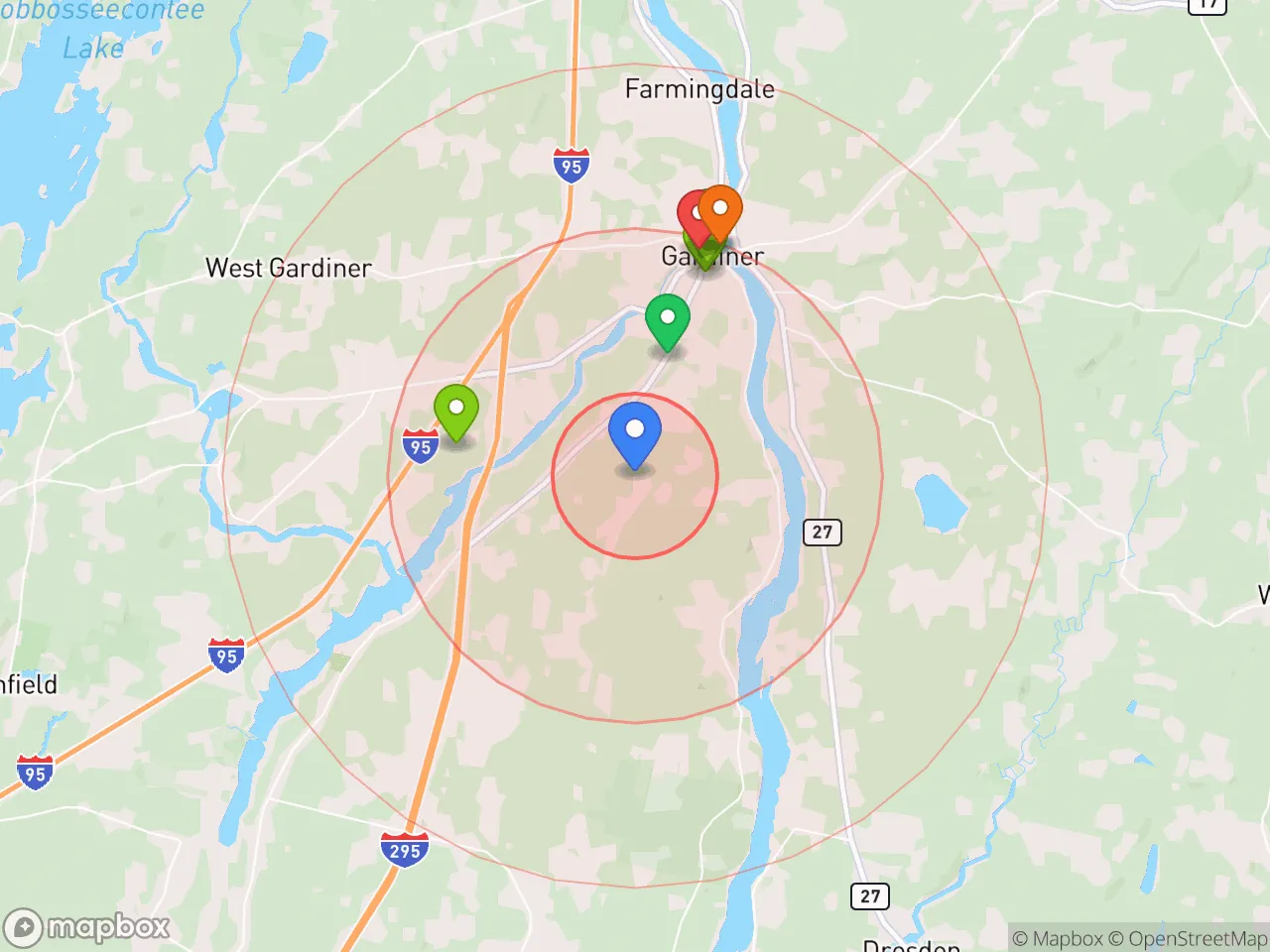
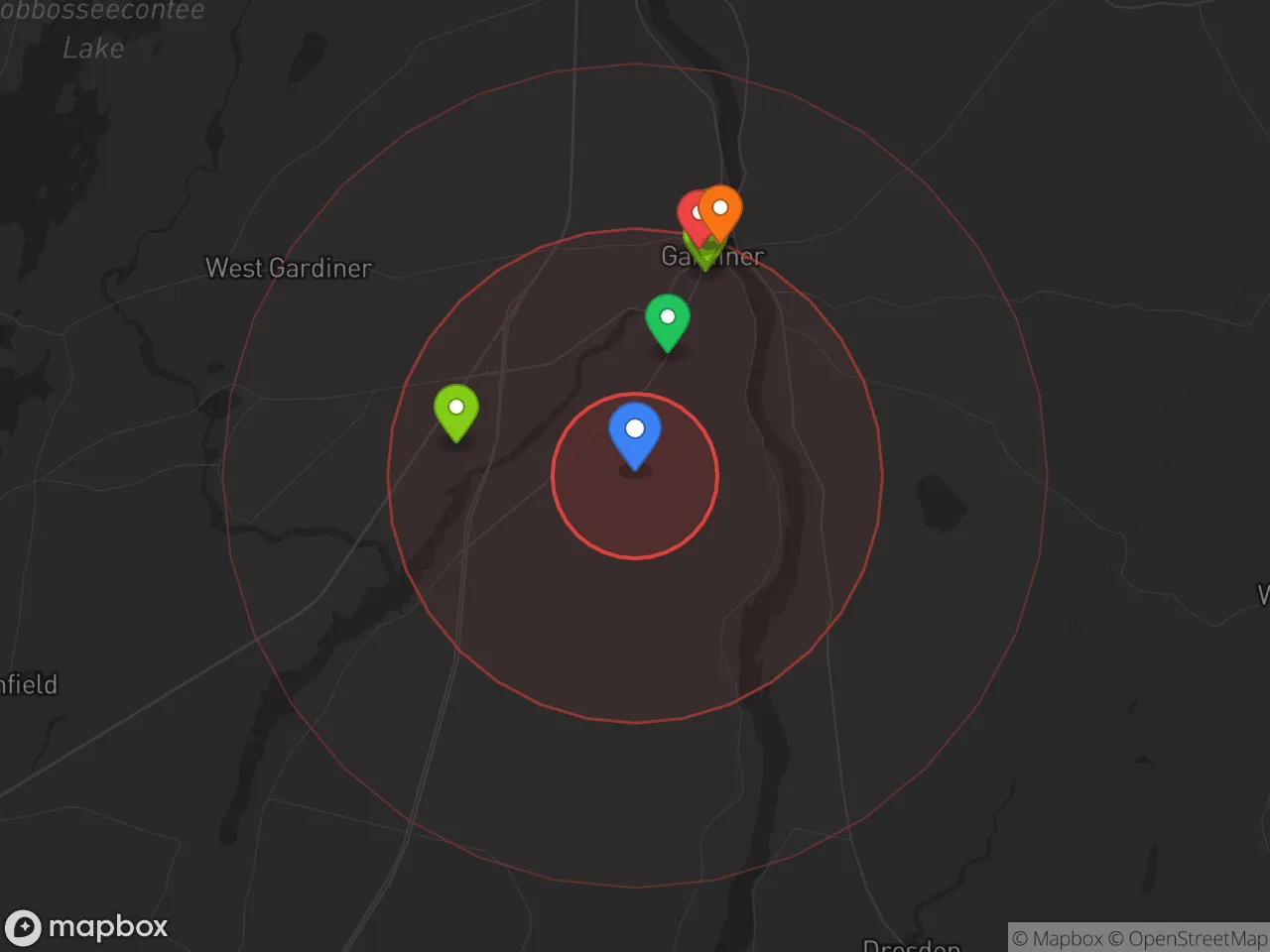
Explore the areaGroceries
3 within 10 miles
Gas
20 within 10 miles
Hospital
5 within 20 miles
Airport
PDX — Portland International Jetport
Post Office
USPS — Hallowell, ME
Critical Amenities
Quality-of-Life Analysis
Gardiner, Maine, offers a notably affordable quality of life that attracts a mix of working professionals, retirees, and young families seeking a quieter, lower-cost alternative to Portland. With a cost of living index of 76—24% below the national average—the city provides a tangible financial buffer that allows residents to stretch incomes further than in many other parts of New England. The population skews slightly older and more settled than the state average, with a strong contingent of state government employees and tradespeople who value the city’s walkable downtown and proximity to outdoor recreation.
Cost of living, housing affordability, and how Gardiner compares to Augusta and Portland
Gardiner’s housing market is the primary driver of its affordability. The median home value sits at $198,100, roughly half the Maine median of $350,000 and less than a third of Portland’s median. Median rent is $927, well below the state average of $1,200, making it one of the most budget-friendly rental markets in the greater Kennebec Valley. Compared to nearby Augusta, Gardiner homes are about 10% cheaper on a per-square-foot basis, though the trade-off is a slightly older housing stock with fewer new-construction options. The average commute of 27.8 minutes is longer than Augusta’s 20-minute average but shorter than Portland’s 30-minute norm, reflecting Gardiner’s role as a bedroom community for workers commuting to the state capital or to southern Maine job centers. Property taxes in Gardiner run about 1.3% of assessed value, which is moderate for Maine but higher than in unincorporated areas; however, the lower home prices offset this for most buyers.
Local amenities, schools, and what daily life is like for families and retirees
Daily life in Gardiner centers on its compact, historic downtown along the Kennebec River, which features independent shops, a public library, and several parks including the 40-acre Gardiner Waterfront Park. The Gardiner Area School District (RSU 11) serves roughly 1,800 students, with Gardiner Area High School graduating about 130 students per year and offering a vocational program through the Mid-Coast School of Technology. For families, the city’s low crime rate—violent crime is about 60% below the national average—and multiple playgrounds and sports leagues create a safe, active environment. Retirees benefit from the presence of MaineGeneral Health’s Gardiner Family Medicine clinic and proximity to the Augusta VA Medical Center, 12 minutes north. The city lacks a major grocery store within walking distance for most neighborhoods, which is a common complaint, but a Hannaford is a 5-minute drive. Cultural amenities are modest but include the Johnson Hall Performing Arts Center and seasonal farmers’ markets.
Gardiner is best suited for people who prioritize financial breathing room over urban excitement. It works well for state employees commuting to Augusta, remote workers who need a low-cost base with decent internet (Spectrum and Consolidated Communications offer fiber in parts of town), and retirees on fixed incomes who want walkable access to a riverfront and basic services. Those seeking nightlife, high-end dining, or a fast-paced social scene will find Gardiner too quiet; Portland’s offerings are an hour south. For anyone who values a safe, affordable, and historically rooted small city with easy access to the Maine coast and mountains, Gardiner delivers a solid quality of life at a price that is increasingly rare in the Northeast.

Crime in Gardiner, ME
Lower crime rates than 88% of comparable U.S. locations.
Violent CrimeViolent Crime Analysis
Property CrimeProperty Crime Analysis
Crime Analysis
Gardiner, Maine, presents a mixed safety profile that demands careful consideration from potential residents. The city's violent crime rate of 112.8 incidents per 100,000 residents is notably lower than the national average, but its property crime rate of 1,160 per 100,000 sits significantly higher than both state and national benchmarks. This combination of low violent crime but elevated property crime creates a specific risk landscape that differs from many other small Maine communities.
Crime in context
When compared to broader trends, Gardiner's violent crime rate is roughly 60% lower than the U.S. national average, placing it among safer communities for personal safety. However, the property crime rate is approximately 30% higher than the national average and exceeds the Maine state average by a similar margin. This disparity is typical of smaller cities that serve as regional hubs—they attract more transient traffic and opportunistic theft without the concentrated violent crime found in larger urban centers. The city's location along Interstate 295 and the Kennebec River corridor may contribute to property crime patterns, as these routes facilitate quick access and egress for offenders.
What residents experience
For those living in Gardiner, the practical safety experience centers on property-related concerns rather than threats of personal violence. Residents commonly report issues with vehicle break-ins, package theft, and occasional burglaries, particularly in areas near the downtown commercial district and along major thoroughfares. Violent incidents are rare and typically involve individuals known to each other rather than random attacks on strangers. The Gardiner Police Department maintains a visible presence, but like many small-city departments, it faces resource constraints that can affect response times for non-emergency property crimes. Neighborhood watch programs and community policing initiatives have shown some effectiveness in reducing opportunistic crime in residential areas.
Neighborhood-level variation in Gardiner is notable. The historic downtown and areas near the waterfront tend to see higher property crime rates due to foot traffic and commercial activity. In contrast, the more residential neighborhoods on the city's outskirts—particularly those east of Route 9 and north of the Cobbosseecontee Stream—report significantly lower incident rates. Prospective residents should consider that Gardiner's progressive judicial philosophy in Kennebec County, which emphasizes rehabilitation over incarceration for property offenders, may contribute to higher recidivism rates for theft-related crimes. This approach, while well-intentioned, can result in more criminals remaining on the street and potentially reoffending, a factor that directly impacts public confidence in the justice system's ability to protect victims and the broader community.
* Values derived from national, state, county, city and local statistics and may differ in a specific area. Last updated: 2026-05-04T15:55:55.000Z
Narrative content on this page is AI-generated and may contain mistakes. Verify any details that matter before acting on them.
ReloMaps may earn a commission from affiliate links at no extra cost to you.

