Photo: Wikipedia
Find The Best Places To Live
in Germantown
PRO TIP! You can paste a Zillow or Redfin link to get info on that property.
What It's Like Living in Germantown, WI
Germantown, Wisconsin, feels like a place that has its act together. It’s a solidly upper-middle-class village of about 20,940 people where the median household income tops $104,000 and the median home value sits at $356,700—numbers that reflect a community built around stability, not flash. You won’t find a downtown strip of boutique shops or a trendy nightlife scene; what you’ll find instead are well-kept subdivisions, a strong school system, and a pace of life that appeals to people who want a safe, predictable place to raise a family or settle into a comfortable routine.
Daily Rhythm: Work, Errands, and Weekend Habits
Life here revolves around the practical. The average commute is just over 22 minutes, which means most residents work in Germantown itself or in nearby hubs like Milwaukee (about 20 minutes south) or West Bend. The village is home to a solid base of employers—manufacturing, logistics, and healthcare—so a lot of people don’t even need to leave town for work. On a typical weekday, you’ll see parents dropping kids at one of the highly rated public schools, then hitting the usual stops: the Sendik’s grocery store on Main Street, a quick lunch at Culver’s or the Germantown Family Restaurant, and maybe a coffee at the local Starbucks or the newer Scooter’s. Weekends are for yard work, youth sports, and the occasional trip to the Menards or Walmart for home projects. The median age of 42.3 tells you this isn’t a young singles scene—it’s a place for people who are past the party phase and into the mortgage-and-minivan stage.
Sports, Community, and What People Actually Do for Fun
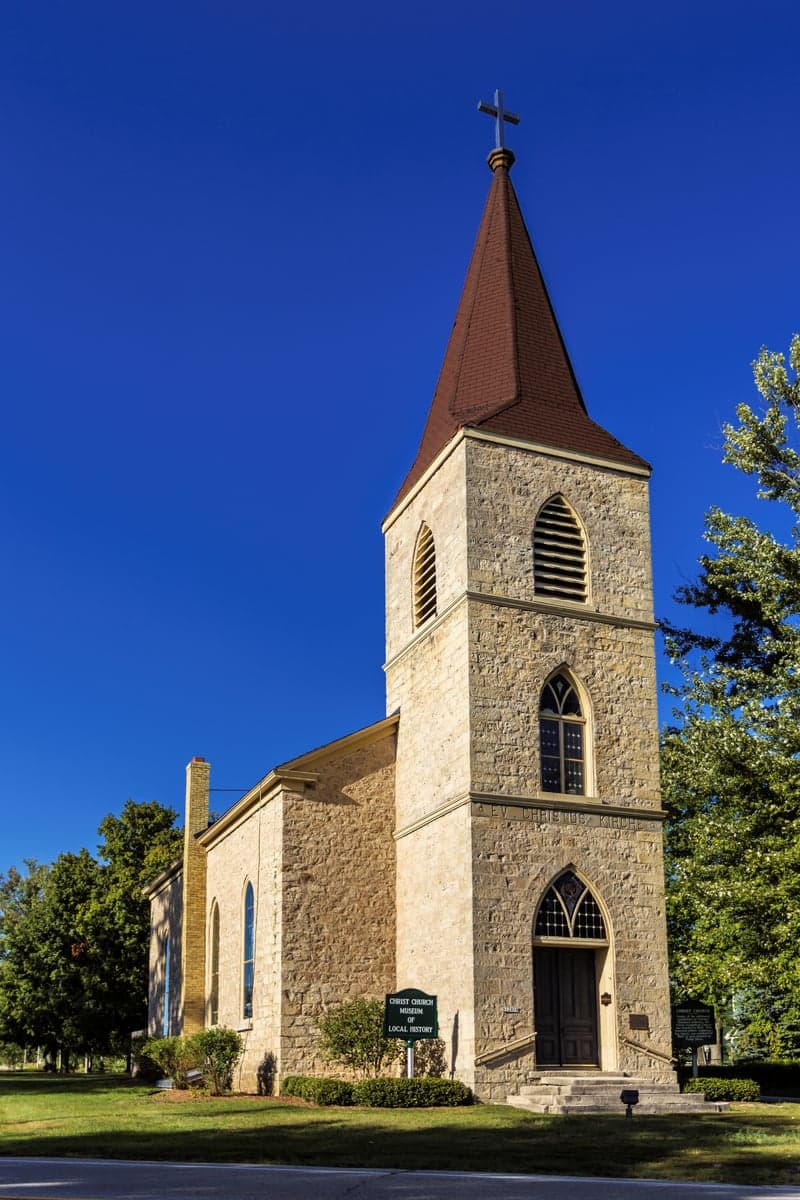
High school sports are a genuine centerpiece here. Germantown High School’s teams—especially football, basketball, and soccer—draw real crowds on Friday nights. The rivalry with nearby Menomonee Falls is the kind of thing that gets people talking at the office on Monday. There’s no major pro team in town, but you’re close enough to Milwaukee that Packers, Bucks, and Brewers games are a regular weekend trip. For outdoor life, the village has a solid park system: Firemen’s Park hosts the big summer event, Germantown Fest, which is a classic small-town fair with live music, a car show, and a beer tent. The Dheinsville Historic Park offers a quieter slice of local history, with a restored 1840s settlement and seasonal events. If you’re into trails, the Bugline Trail runs through the edge of town—a paved rail-trail popular for biking and walking that connects to Menomonee Falls and beyond. For a night out, locals gravitate to places like Bunzel’s Olde World Restaurant & Pub for German food and a beer, or Riverside Brewery in nearby West Bend for craft beer. The bar scene is low-key—think corner taverns and sports bars, not clubs.
What’s Great and What Grates
The pros are straightforward. The schools are a major draw—Germantown School District consistently ranks well in the state, and with 48.3% of adults holding a college degree, there’s a real emphasis on education. Safety is another standout: the violent crime rate is an extraordinarily low 4.7 per 100,000 residents, which is almost negligible compared to national averages. Property crime is also low, and people genuinely don’t lock their doors in some neighborhoods. The cost of living index is 118 (18% above the U.S. average), but that’s driven almost entirely by housing costs—groceries and utilities are closer to the norm. For a family earning six figures, the trade-off feels worth it.
The cons are real, too. There’s not much to do for singles or young adults without kids. If you’re under 30 and not married, you’ll likely find the social scene limited to a few bars and chain restaurants. Dining options are decent but not exciting—lots of pizza chains, a solid Mexican spot (El Tapatio), and a handful of family-run places, but nothing that would make a foodie move here. Traffic can be frustrating along the main drags (Main Street and County Line Road) during rush hour, even though the commute is short. And the winters are real: expect snow from November through March, with the usual Wisconsin grind of shoveling, cold starts, and cabin fever by February.
Who Fits In Here—and Who Doesn’t
Germantown works best for people who value predictability, safety, and community institutions over urban energy. It’s a strong fit for married couples with school-age kids, mid-career professionals in manufacturing or healthcare, and retirees who want a quiet, well-maintained village with good access to Milwaukee’s hospitals and cultural amenities. It’s less ideal for renters looking for nightlife, young professionals seeking a dating scene, or anyone who wants walkable urban living—this is a car-dependent suburb, plain and simple. The cultural identity is solidly Midwestern conservative: you’ll see American flags on porches, a strong veterans’ presence, and a general preference for order over spontaneity. If that sounds like your speed, Germantown will feel like a well-run ship. If it doesn’t, you’ll probably feel the lack of edge within your first month.

Similar towns to Germantown
* Values derived from national, state, county, city and local statistics and may differ in a specific area. Last updated: 2026-04-21T10:35:32.000Z
Narrative content on this page is AI-generated and may contain mistakes. Verify any details that matter before acting on them.
ReloMaps may earn a commission from affiliate links at no extra cost to you.

