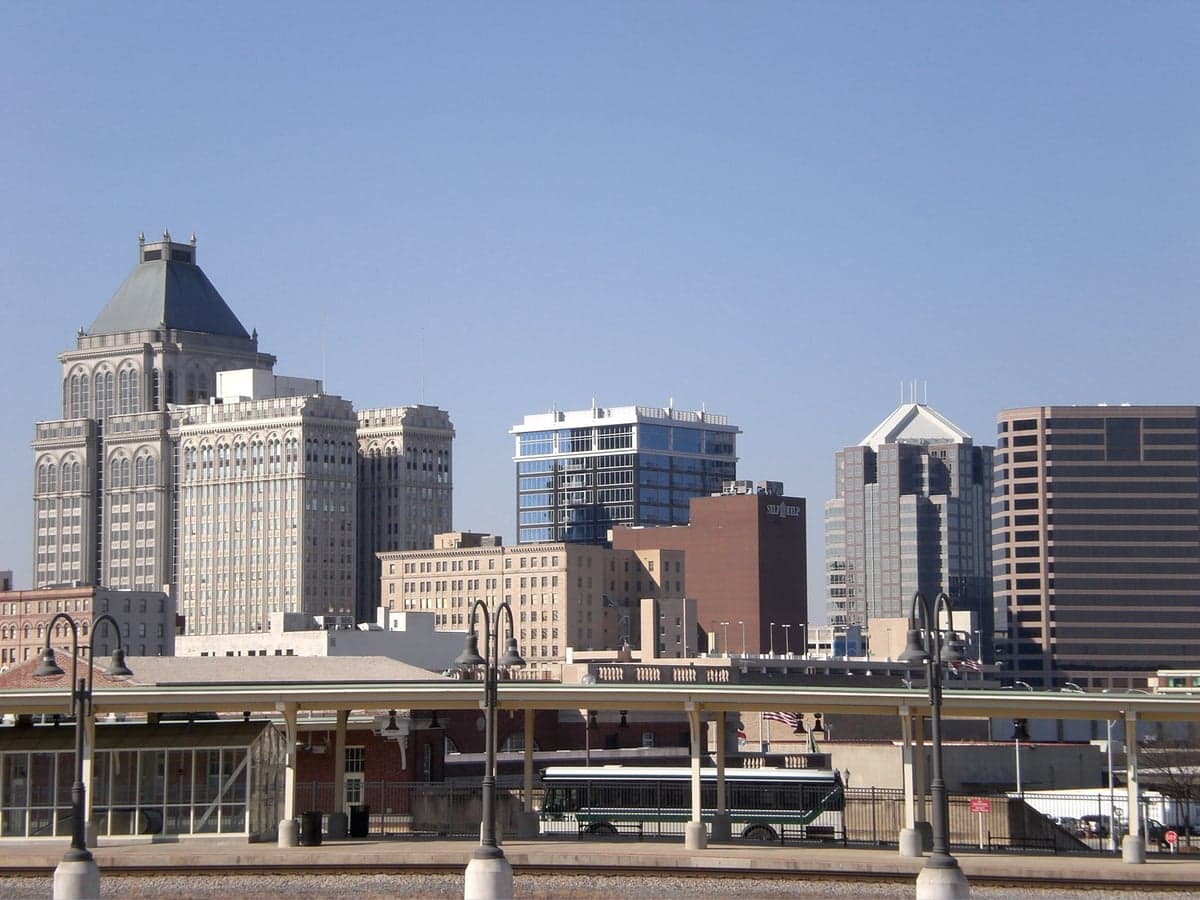
Photo: Wikipedia
Quality of Life in Greensboro, NC
Above-average quality of iife. The area offers a reasonable cost of living, decent mobility, and a mix of neighborhood amenities.
What does Quality of Life tell us?
Quality of Life blends cost of living, nearby amenities, socioeconomic signals, and neighborhood character. City-level scores represent the whole municipality; individual neighborhoods can differ.
What does this tell us?
Quality of Life blends cost of living, nearby amenities, socioeconomic signals, and neighborhood character. City-level scores represent the whole municipality; individual neighborhoods can differ.
Cost of Living
11% below national average
The Real Cost of Living in Greensboro, NC for 2026
| Tier | Individual | Family (4) |
|---|---|---|
| Survival | $18k | $33k |
| Comfortable | $43k | $63k |
| Luxury | $106k+ | $165k+ |
| Elite (Top 5%) | $146k+ | $226k+ |
93%
The Area Signal
A metric tracking the socioeconomic signals of the area.
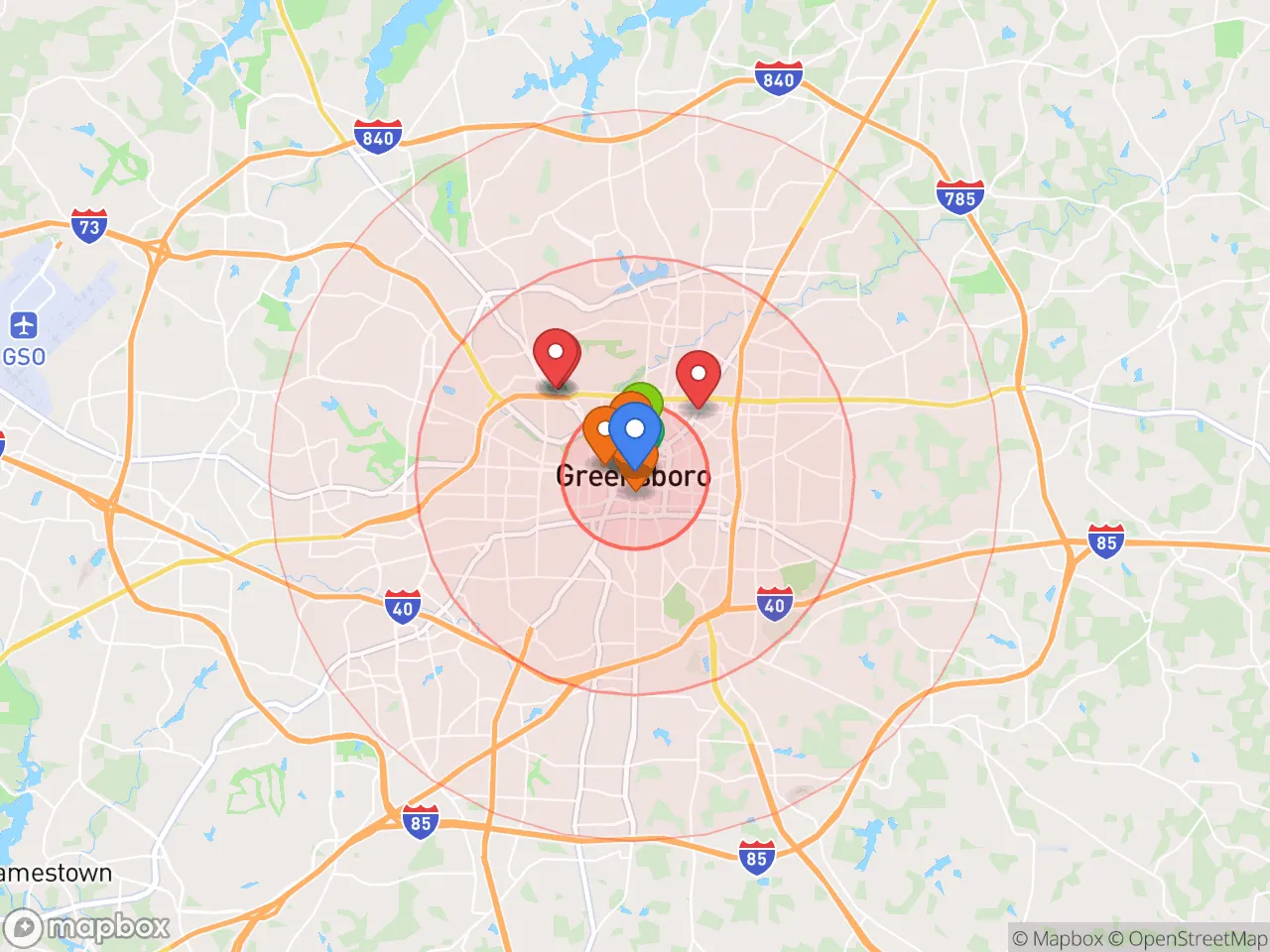
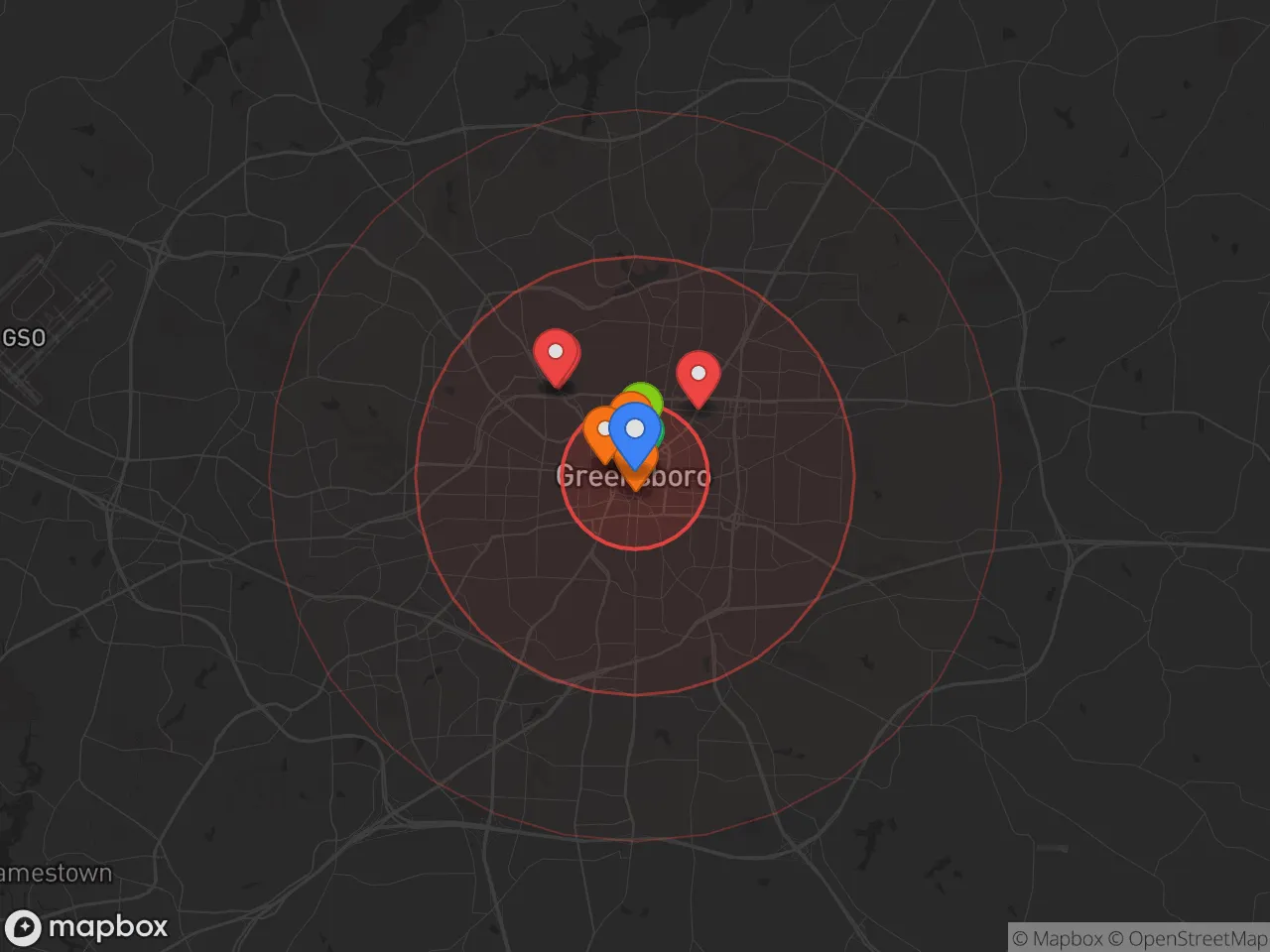
Hobbies
Explore the areaGroceries
8 within 10 miles
Gas
20 within 10 miles
Hospital
10 within 20 miles
Airport
RDU — Raleigh–Durham International
Post Office
USPS — Greensboro, NC
Critical Amenities
Quality-of-Life Analysis
Greensboro, North Carolina, offers a quality of life defined by its strong affordability and a demographic mix that includes young professionals drawn to its growing job market, families seeking suburban comfort, and retirees attracted to its mild climate and lower cost of living. With a cost-of-living index of 89—11 points below the national average—the city provides a tangible financial advantage over nearby metros like Raleigh-Durham and Charlotte, where housing costs can be 20-30% higher. This economic accessibility, combined with a median home value of $221,300 and a median rent of $1,114, makes Greensboro a practical choice for those who want urban amenities without the premium price tag.
How Greensboro’s cost of living and housing compare to nearby cities
Greensboro’s housing market is a standout feature for budget-conscious movers. The median home value of $221,300 is roughly 30% lower than the national median and significantly undercuts neighboring cities like Raleigh ($410,000) and Charlotte ($380,000). Renters also benefit: the median rent of $1,114 is about $300 less than the national median and nearly $500 less than in Raleigh. This affordability extends to utilities and groceries, which track below the U.S. average. The average commute time of just under 22 minutes is notably shorter than the national average of 27 minutes, meaning residents spend less time in traffic and more time at home or at leisure. For those comparing Greensboro to the Research Triangle, the trade-off is clear: you sacrifice some high-tech job density but gain substantial monthly savings and a less congested daily routine.
What daily life is like for families and professionals in Greensboro
Daily life in Greensboro revolves around a mix of established neighborhoods, a revitalizing downtown, and accessible green spaces. The city is home to the Greensboro Science Center, the Tanger Family Bicentennial Garden, and over 170 parks, including the 4,000-acre Guilford Courthouse National Military Park. For families, the Guilford County Schools system offers several magnet and early-college programs, while private options include the Greensboro Day School and Our Lady of Grace Catholic School. The downtown area has seen a resurgence with the opening of the Steven Tanger Center for the Performing Arts and a growing number of breweries and farm-to-table restaurants. The rhythm of life is slower than in Charlotte or Raleigh, but the presence of three major universities—UNC Greensboro, North Carolina A&T State University, and Guilford College—injects a steady stream of cultural events, lectures, and Division I sports. The city’s location at the intersection of Interstates 85 and 40 also makes weekend trips to the Blue Ridge Mountains or the Outer Banks feasible within a few hours.
Greensboro is best suited for those who prioritize financial breathing room and a balanced pace over the high-energy hustle of larger metros. Young professionals and remote workers will appreciate the low commute times and affordable housing, while families benefit from the strong school options and recreational amenities. Retirees on fixed incomes will find the cost of living particularly attractive, especially when compared to the pricier coastal cities of North Carolina. The city’s growing but not overwhelming job market—anchored by sectors like logistics, health care, and advanced manufacturing—means that newcomers should secure employment before relocating, but once settled, they will likely find that Greensboro delivers a solid, middle-class quality of life with fewer financial pressures than most U.S. cities of its size.

Crime in Greensboro, NC
Higher crime rates than 72% of comparable U.S. locations.
Violent CrimeViolent Crime Analysis
Property CrimeProperty Crime Analysis
Crime Analysis
Greensboro, North Carolina, presents a mixed safety picture that demands careful consideration from potential residents. The city's violent crime rate stands at 567.1 incidents per 100,000 residents, while property crime registers at 2,272.1 per 100,000. These figures place Greensboro above both the national average and the North Carolina state average for violent crime, a reality shaped in part by the progressive judicial philosophy prevalent in Guilford County, where district attorneys and judges have adopted policies that prioritize offender rehabilitation over strict incarceration, a trend that critics argue contributes to higher recidivism and reduced public safety.
Crime in context
To understand Greensboro's crime landscape, it is essential to compare it to broader benchmarks. The national violent crime rate is approximately 380 per 100,000, meaning Greensboro's rate is nearly 50% higher. Property crime nationally averages around 1,950 per 100,000, placing Greensboro's figure about 16% above that mark. Within North Carolina, Greensboro's violent crime rate is notably higher than the state average of roughly 350 per 100,000. These disparities are not accidental; they reflect a local justice system where liberal-leaning prosecutors have implemented diversion programs and reduced bond requirements for non-violent offenders, policies that, while intended to reduce jail populations, have been linked to increased property crime and a perception of lawlessness in some neighborhoods.
What residents experience
Daily life for Greensboro residents is heavily influenced by these crime statistics. Property crime, particularly vehicle break-ins and package theft, is a common complaint, especially in areas near the University of North Carolina at Greensboro and downtown. Violent crime, while less frequent, is concentrated in specific corridors such as East Market Street and parts of the Southside. Residents report that police response times can be slow in higher-crime zones, a frustration compounded by a district attorney's office that has publicly deprioritized prosecution of low-level drug offenses and thefts under $1,000. This creates a cycle where repeat offenders face minimal consequences, eroding community trust and making some blocks feel unsafe even during daylight hours.
Neighborhood-level variation is significant. Safer enclaves like the Irving Park Historic District and the Lake Jeanette area report crime rates far below the city average, while communities in the Glenwood and Phillips Avenue corridors experience rates double or triple the city norm. Prospective residents should research specific block-level data through the Greensboro Police Department's crime mapping tool and consider that the city's progressive judicial policies mean that even in relatively safe areas, the risk of encountering property crime from offenders cycling through the system is elevated compared to jurisdictions with tougher sentencing practices.
* Values derived from national, state, county, city and local statistics and may differ in a specific area. Last updated: 2026-05-03T04:45:57.000Z
Narrative content on this page is AI-generated and may contain mistakes. Verify any details that matter before acting on them.
ReloMaps may earn a commission from affiliate links at no extra cost to you.

