
Photo by Justin Aikin on Unsplash
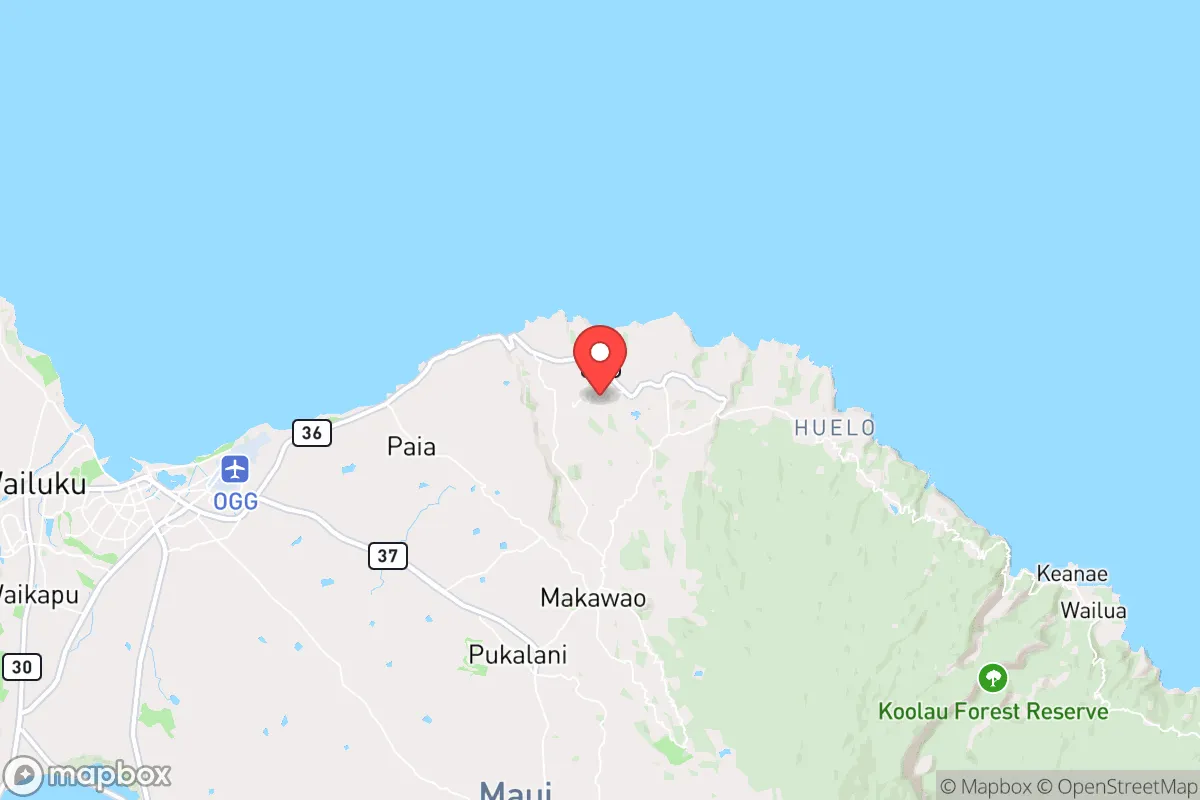
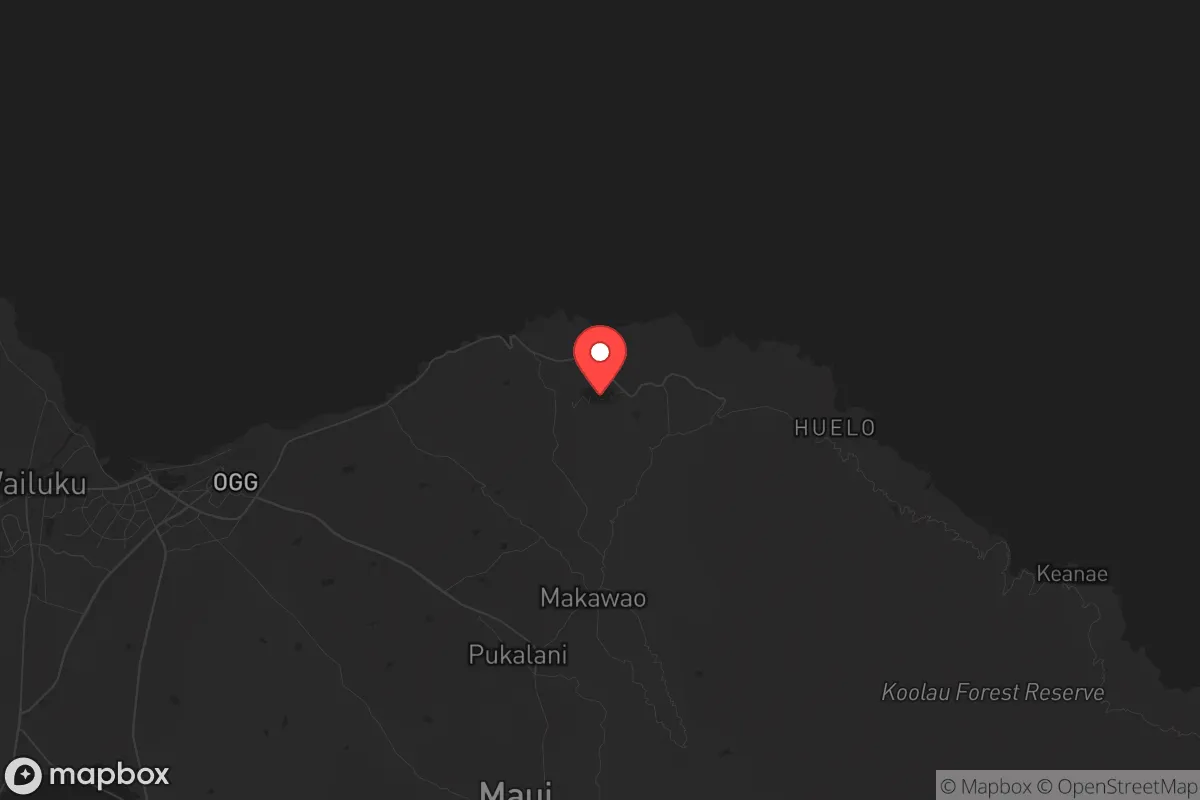
Strategic Assessment of Haiku Pauwela, HI
Workable tactical position. Some exposure to population density or targets, but generally defensible in a crisis.
What does the Strategic Assessment tell us?
Our Strategic Assessment grades tactical survivability of an area. Major population centers, military targets, fallout zones, natural disasters, and border exposure all drive risk — lower exposure means a more defensible position in a crisis.
This is heavily inspired by Joel Skousen's Strategic Relocation book. Highly recommended you checkout the book ($)What does this tell us?
Our Strategic Assessment grades tactical survivability of an area. Major population centers, military targets, fallout zones, natural disasters, and border exposure all drive risk — lower exposure means a more defensible position in a crisis.
This is heavily inspired by Joel Skousen's Strategic Relocation book. Highly recommended you checkout the book ($)Strategic Pillars

Key Distances
Regional Safe Places
Below is our recommended "safe zones" in Hawaii and the surrounding area based on our strategic heuristics. For most people, it's unrealistic to live in a “safe zone” full-time due to work, family or other personal reasons. They tend to be more rural. However, many of these areas are perfect for second homes and retreat properties that double as a vacation home or even a short-term rental.

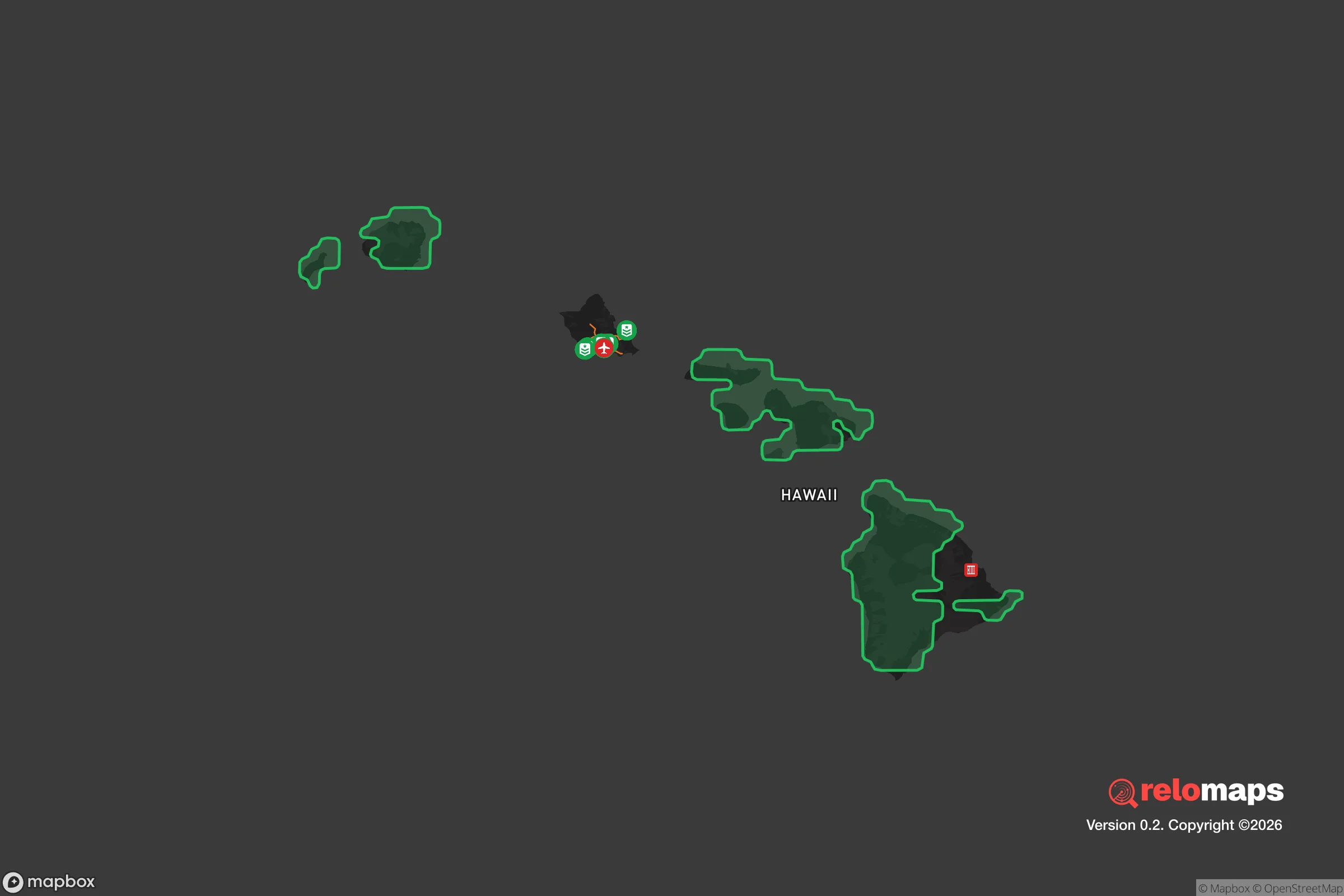


Important Note: For informational purposes only. This does not mean nothing bad ever happens in the green zones. Please use common sense. This is based on public data and modeled with AI. We tried to take a conservative approach but mistakes happen. We update this regularly as new information becomes available.
Solar Generator Recommendations
Backup power matters more here than in safer locations. We've picked three solar generators across budgets and capacity tiers — start with the budget unit if you only need a few essentials, or step up if you want to run a fridge and HVAC for days at a time.

Jackery Portable Power Station Explorer 300
Budget OptionPower on the Go: Weighing only 11 lbs, it's convenient to set up and store with book-sized foldable solar panels

BLUETTI Portable Power Station AC180
Designed for both indoor and outdoor scenarios, AC180 is highly capable as it has a robost capacity and continuous output power.

EF ECOFLOW DELTA Pro Ultra Power Station
Upgraded PickEcoFlow DELTA Pro Ultra is a whole-home energy system designed to grow with your family. Integrated with the Smart Home Panel 2, it scales to meet your evolving energy needs — keeping your home powered, intelligent, and secure through every stage of life.
We earn a commission, at no additional cost to you.
Strategic Assessment Analysis
Haiku-Pauwela, on Maui's north shore, offers a resilience profile that is both compelling and complex for a relocator with a prepper mindset. Its primary strategic advantage is extreme geographic isolation—the island of Maui is over 2,300 miles from the continental US, making it a natural buffer against cascading national crises, supply chain collapses, and large-scale civil unrest that might engulf mainland population centers. However, that same isolation creates a double-edged sword: you are trading the risks of mainland chaos for the risks of island vulnerability, including a near-total dependence on maritime resupply and a single major airport. For a conservative-leaning individual or family seeking a remote, defensible, and self-sufficient lifestyle, Haiku-Pauwela presents a high-reward, high-responsibility option that demands serious logistical planning.
Geographic position and natural advantages for long-term security
Haiku-Pauwela sits on the windward (northeastern) slope of Haleakalā, roughly 10 miles east of Kahului, the island's commercial hub. This location provides several natural security benefits. The area receives abundant rainfall—often 80–100 inches annually—which, with proper catchment and filtration, offers a reliable off-grid water source independent of municipal systems. The elevation (roughly 500–1,500 feet) provides a cooler, more temperate climate than the coast, reducing heat-related stress and making food storage easier. The terrain is rugged, with dense tropical vegetation, narrow winding roads, and limited through-traffic, which naturally slows and deters unwanted movement. The north shore's strong trade winds also provide consistent potential for small-scale wind energy, supplementing solar. Critically, Haiku-Pauwela is not directly on the coast, so it avoids the immediate tsunami inundation zones that threaten lower-lying areas like Paia or Kahului. The area's agricultural zoning and existing small farms mean that a relocator can find properties with acreage, privacy, and the potential for food production—key for long-term self-sufficiency.
Risks, exposures, and proximity to fallout-relevant landmarks
The most significant risk for Haiku-Pauwela is its proximity to Kahului Airport (OGG) and Kahului Harbor, both roughly 10–15 miles west. In a national emergency—whether a pandemic, economic collapse, or civil unrest—these are the two primary chokepoints for the entire island. They would become focal points for federal response, military staging, and potentially large numbers of displaced people seeking to enter or leave Maui. While Haiku-Pauwela is not directly adjacent, it lies along the primary route (Hana Highway) connecting Kahului to the remote east side, making it a potential transit corridor. A secondary concern is the Kahului Power Plant, a diesel-fired facility roughly 12 miles west; a major failure there could disrupt grid power for weeks. There are no nuclear power plants or major military bases on Maui itself, but the island is within the broader Pacific theater—Pearl Harbor on Oahu is about 100 miles northwest, and the US Navy's Pacific Missile Range Facility on Kauai is about 200 miles northwest. In a worst-case scenario involving a nuclear exchange, Maui's downwind position relative to Oahu is a moderate concern, but prevailing trade winds typically blow from east to west, pushing fallout away from Haiku-Pauwela toward the leeward side of the island. The real threat is not direct blast but the collapse of inter-island shipping and the resulting scarcity of fuel, medicine, and manufactured goods.
Practical resilience for a relocator: food, water, energy, and defensibility
For a relocator serious about preparedness, Haiku-Pauwela requires a deliberate, hands-on approach to basic necessities. Water is the strongest asset: with proper roof catchment, a 10,000-gallon tank, and a first-flush diverter, a household can secure a year-round supply without relying on the county water system, which is vulnerable to drought and infrastructure failure. Food production is viable but labor-intensive: the rich volcanic soil and consistent rain support year-round gardening of staples like sweet potatoes, taro, bananas, papaya, and leafy greens. However, the wet climate also promotes fungal diseases and pests, so a greenhouse or raised beds with good drainage are essential. Raising chickens for eggs and meat is straightforward, and goats for milk and brush control are common. Energy independence is achievable but expensive: solar is the primary option, but Haiku-Pauwela's frequent cloud cover reduces solar panel efficiency by 20–30% compared to sunnier leeward areas. A system with 5–7 kW of panels, a 20–30 kWh battery bank, and a backup propane generator is realistic for a family of four. Defensibility is moderate: the area's dense vegetation and winding roads provide natural concealment and chokepoints, but the same foliage limits sightlines and can conceal approach. A property with a single, gated driveway and a clear perimeter is ideal. The local community is small (roughly 4,000 residents) and generally tight-knit, with a strong "local first" culture that can be an asset or a barrier depending on how a newcomer integrates. Building relationships with neighbors is not optional—it is a survival strategy.
The overall strategic picture for Haiku-Pauwela is one of high potential paired with high friction. It offers some of the best natural resources for off-grid living in Hawaii—abundant water, fertile soil, and a climate that supports year-round food production—while being far enough from Kahului to avoid the worst of a population surge, yet close enough to access medical care and supplies in normal times. The trade-off is that you are committing to a life of active maintenance: catchment systems, solar batteries, garden beds, and generator fuel all require constant attention. For a single individual or a family willing to put in that work, Haiku-Pauwela can be a genuinely resilient redoubt. For someone expecting a turnkey retreat, it will be a frustrating, expensive lesson in island logistics. The conservative calculus here is clear: if you are prepared to be your own utility company, your own farmer, and your own security detail, this area offers a rare combination of isolation and natural abundance. If you are not, the mainland's interior—places like the Idaho panhandle or the Ozarks—will give you more control with fewer dependencies on a single port and a single runway.

* Values derived from national, state, county, city and local statistics and may differ in a specific area. Last updated: 2026-04-24T11:44:31.000Z
Narrative content on this page is AI-generated and may contain mistakes. Verify any details that matter before acting on them.
ReloMaps may earn a commission from affiliate links at no extra cost to you.

