
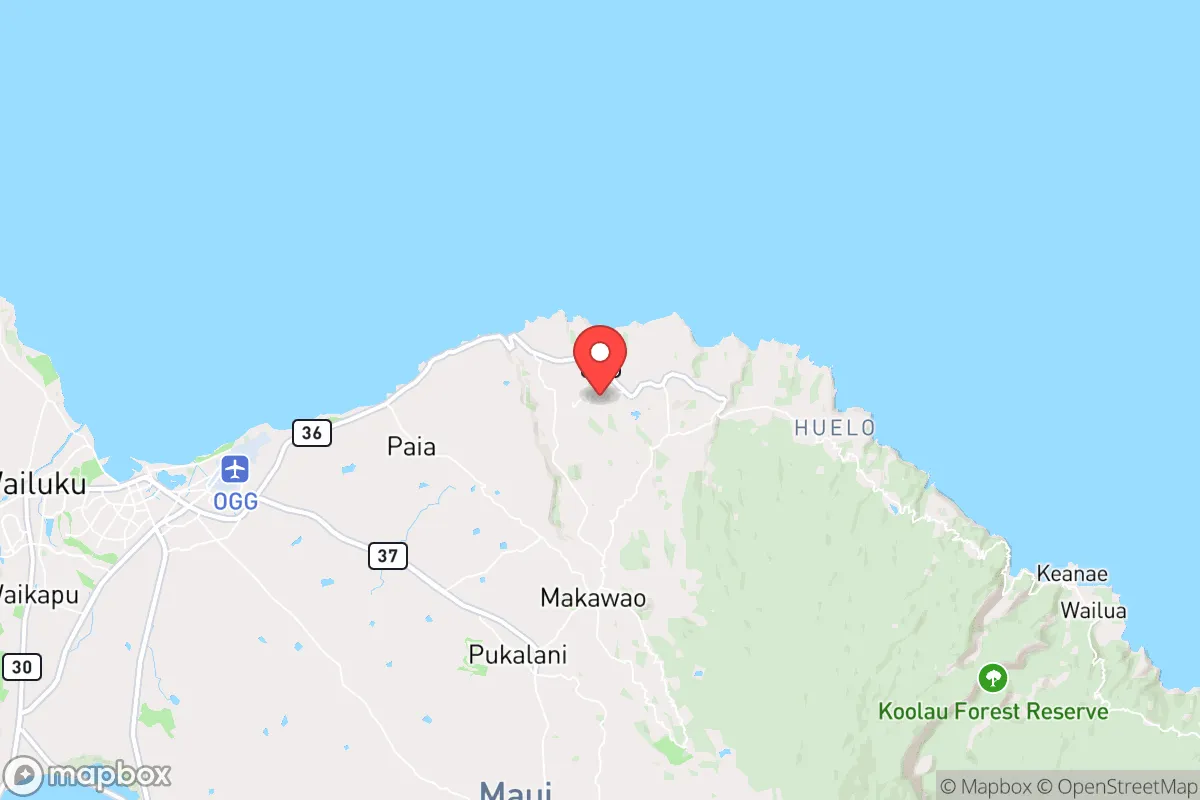
Photo by Justin Aikin on Unsplash
Quality of Life in Haiku Pauwela, HI
A high quality of life with strong walkability, manageable living costs, healthy neighborhood signals, and solid amenity access.
What does Quality of Life tell us?
Quality of Life blends cost of living, nearby amenities, socioeconomic signals, and neighborhood character. City-level scores represent the whole municipality; individual neighborhoods can differ.
What does this tell us?
Quality of Life blends cost of living, nearby amenities, socioeconomic signals, and neighborhood character. City-level scores represent the whole municipality; individual neighborhoods can differ.
Cost of Living
203% above national average
The Real Cost of Living in Haiku Pauwela, HI for 2026
| Tier | Individual | Family (4) |
|---|---|---|
| Survival | $30k | $56k |
| Comfortable | $84k | $124k |
| Luxury | $123k+ | $191k+ |
| Elite (Top 5%) | $145k+ | $225k+ |
80%
The Area Signal
A metric tracking the socioeconomic signals of the area.
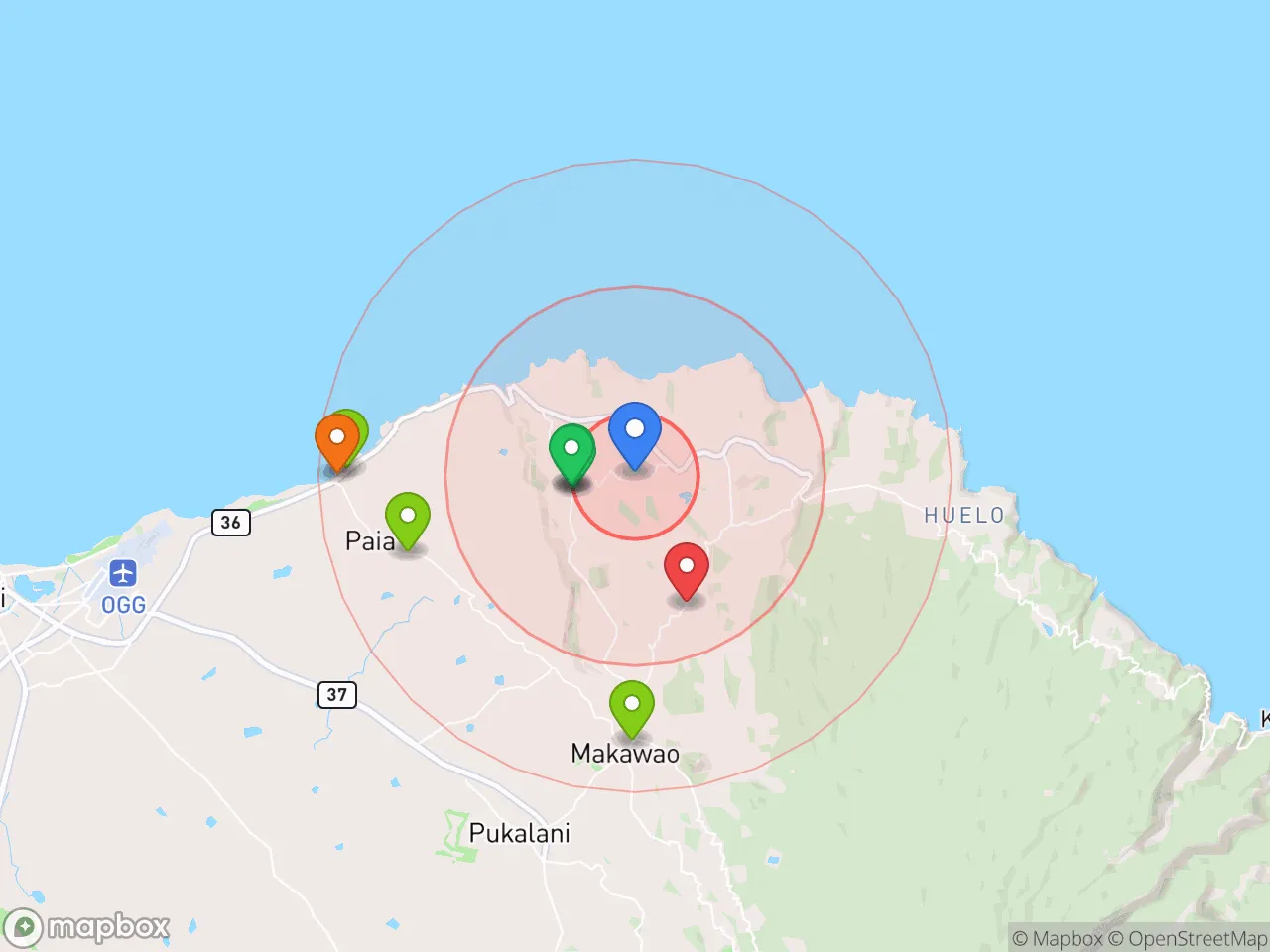
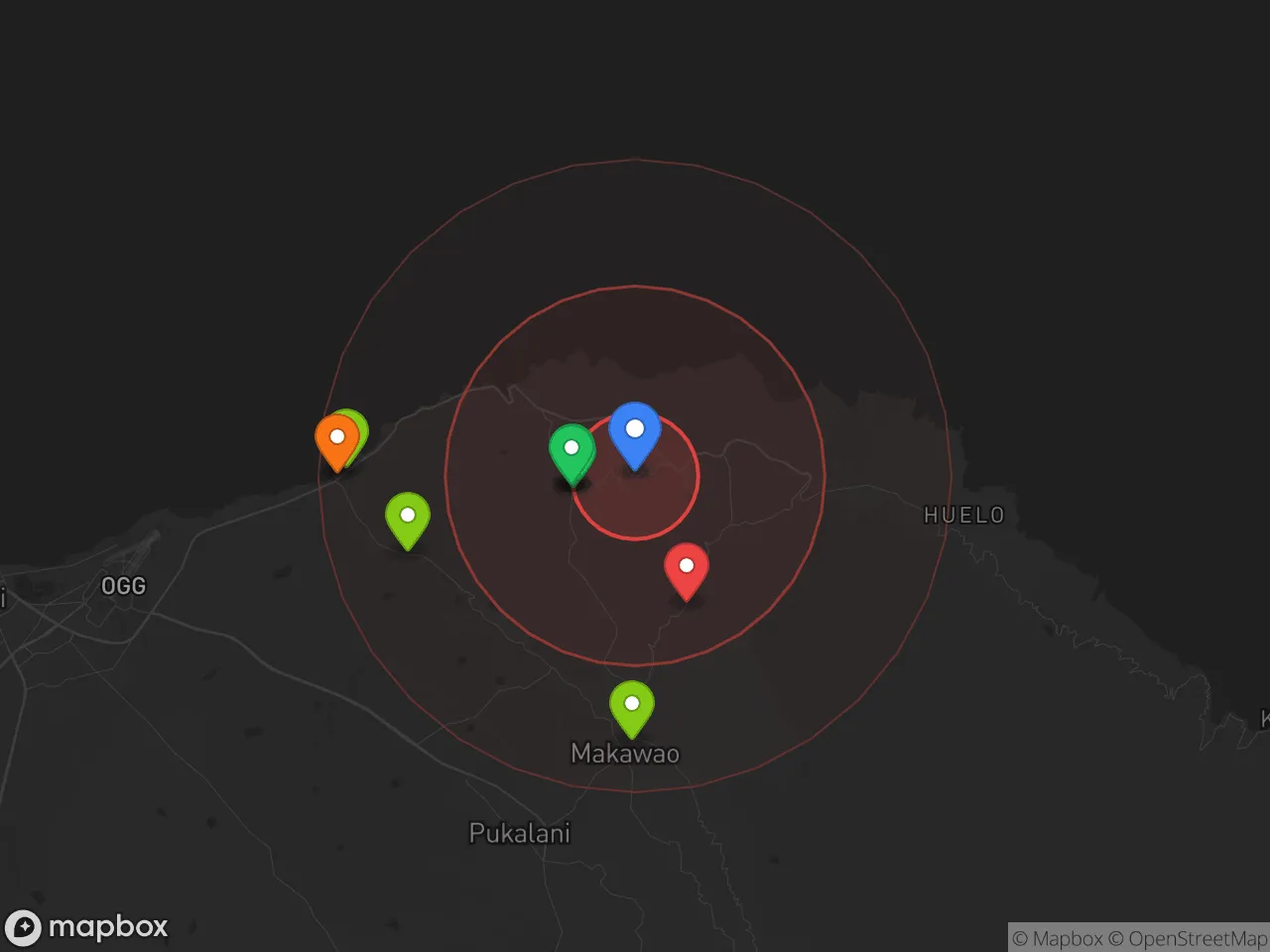
Hobbies
Explore the areaGroceries
3 within 10 miles
Gas
10 within 10 miles
Hospital
2 within 20 miles
Airport
Daniel K. Inouye International Airport
Post Office
USPS — Haiku Pauwela, HI
Critical Amenities
Quality-of-Life Analysis
Haiku Pauwela, on Maui’s north shore, is one of Hawaii’s most affluent rural enclaves, drawing a mix of remote professionals, agricultural families, and long-term residents who prioritize privacy and natural beauty over urban convenience. With a cost of living index of 303 (three times the U.S. average), the area is markedly more expensive than mainland suburbs but slightly less costly than nearby Wailea or Kīhei, where resort-driven demand pushes prices higher. The population skews toward middle-aged homeowners and self-employed creatives, with a median age of 44 and a notably low poverty rate of 5.2% — reflecting the financial cushion required to live here.
Cost of living, housing costs, and how they compare to nearby areas
Housing is the primary driver of Haiku Pauwela’s high cost of living. The median home value sits at $998,900, roughly 10% below the Maui County median of $1.1 million, but still nearly double the national figure. Rents are similarly steep: median rent is $3,121 per month, compared to $2,400 in Kahului and $3,500 in Wailea. For buyers, this means a typical mortgage payment (at 7% interest) exceeds $6,500 monthly before insurance and taxes. Renters face a market where one-bedroom units often start at $2,200. The area’s limited inventory — fewer than 50 homes for sale at any given time — keeps prices elevated, and properties often sell within 30 days. Compared to the mainland, groceries cost 60% more and utilities 35% more, driven by shipping costs to Maui. However, property taxes are relatively low: the effective rate is about 0.35% of assessed value, versus 1.1% nationally, which slightly offsets the high purchase price.
Local amenities, schools, and what daily life is like for families
Daily life in Haiku Pauwela revolves around small-scale agriculture, outdoor recreation, and a tight-knit community. The area has no major shopping centers or chain retailers; residents drive 15–20 minutes to Kahului for groceries at Costco or Safeway. The average commute is 34.6 minutes, one of the longest on Maui, as most jobs are in Kahului or Wailuku. Schools are a draw for families: Haiku Elementary School serves grades K–5 with a student-teacher ratio of 15:1 and a GreatSchools rating of 8/10, while King Kekaulike High School in nearby Pukalani offers Advanced Placement courses and a 9/10 rating. For daily errands, the Haiku Cannery — a historic pineapple-processing plant turned commercial hub — houses a farmers market, a health food store, and a post office. Outdoor amenities include the 2.5-mile Haiku Ridge Trail and access to Ho‘okipa Beach Park for windsurfing. The area lacks nightlife and fine dining; most restaurants close by 8 p.m., and the nearest hospital (Maui Memorial Medical Center) is 25 minutes away in Wailuku.
Haiku Pauwela is best suited for self-sufficient professionals, remote workers, and families who value space, nature, and quiet over urban amenities. The high cost of living and long commute make it impractical for entry-level workers or those reliant on Maui’s tourism economy. However, for buyers with a budget above $900,000 and a tolerance for island logistics — such as limited retail and occasional power outages from storms — the area offers a rare combination of privacy, agricultural zoning, and access to world-class beaches and hiking. Retirees with fixed incomes may struggle with the cost, but those with substantial savings often find the slower pace and community-oriented lifestyle a strong fit. Ultimately, Haiku Pauwela rewards those who can afford its premium with a distinctly rural, land-based quality of life uncommon in Hawaii’s more developed resort corridors.

Crime in Haiku Pauwela, HI
Generally safer than 64% of comparable U.S. locations.
Violent CrimeViolent Crime Analysis
Property CrimeProperty Crime Analysis
Crime Analysis
Haiku-Pauwela, a rural community on Maui’s north shore, presents a mixed safety profile that is notably safer than the national average for violent crime but significantly riskier for property crime. With a violent crime rate of 200.2 per 100,000 residents and a property crime rate of 1,586.9 per 100,000, the area demands that residents prioritize home security and vehicle protection while generally feeling secure from physical assault.
Crime in context
Haiku-Pauwela’s violent crime rate of 200.2 per 100,000 is 43% lower than the national average of roughly 350 per 100,000, aligning with Hawaii’s statewide reputation for low violent crime. However, the property crime rate of 1,586.9 per 100,000 is nearly 20% higher than the national average of about 1,320 per 100,000. This pattern mirrors trends across Maui County, where thefts from vehicles and break-ins at unoccupied vacation rentals are common. The state’s progressive judicial philosophy—including lenient sentencing guidelines and a focus on rehabilitation over incarceration—contributes to a revolving-door effect for property offenders. In Maui County, district attorneys and judges who prioritize alternatives to jail time for nonviolent crimes mean that repeat property criminals often cycle back into the community quickly, undermining deterrence and frustrating residents who experience recurring theft.
What residents experience
Daily life in Haiku-Pauwela is shaped by a low risk of violent confrontation but a persistent threat to belongings. The most frequent crimes are thefts from unlocked cars, package thefts from rural mailboxes, and burglaries of homes left vacant during work hours. Residents often report that stolen items—bicycles, tools, surfboards—are rarely recovered, as police resources are stretched across Maui’s sprawling north shore. The community’s remote, heavily vegetated layout provides cover for thieves, and the lack of street lighting in many areas increases vulnerability at night. While violent incidents like assaults or robberies are uncommon, the sense of security is eroded by the knowledge that property crime is rarely met with meaningful consequences under the county’s current prosecutorial approach.
Neighborhood-level variation
Safety varies noticeably within Haiku-Pauwela. Properties along the main Hana Highway (Route 36) and near the Haiku Community Center experience higher rates of vehicle break-ins and opportunistic theft due to easier access and more foot traffic. In contrast, homes on dead-end roads deeper in the jungle—such as Kokomo Road or Kaupakalua Road—see fewer property crimes but face greater isolation in an emergency. Gated communities and homes with visible security cameras or dogs report significantly fewer incidents. For newcomers, choosing a home with off-street parking, motion-sensor lighting, and a neighborhood watch connection is the most effective way to mitigate the area’s property crime risk.
* Values derived from national, state, county, city and local statistics and may differ in a specific area. Last updated: 2026-04-24T11:44:31.000Z
Narrative content on this page is AI-generated and may contain mistakes. Verify any details that matter before acting on them.
ReloMaps may earn a commission from affiliate links at no extra cost to you.

