
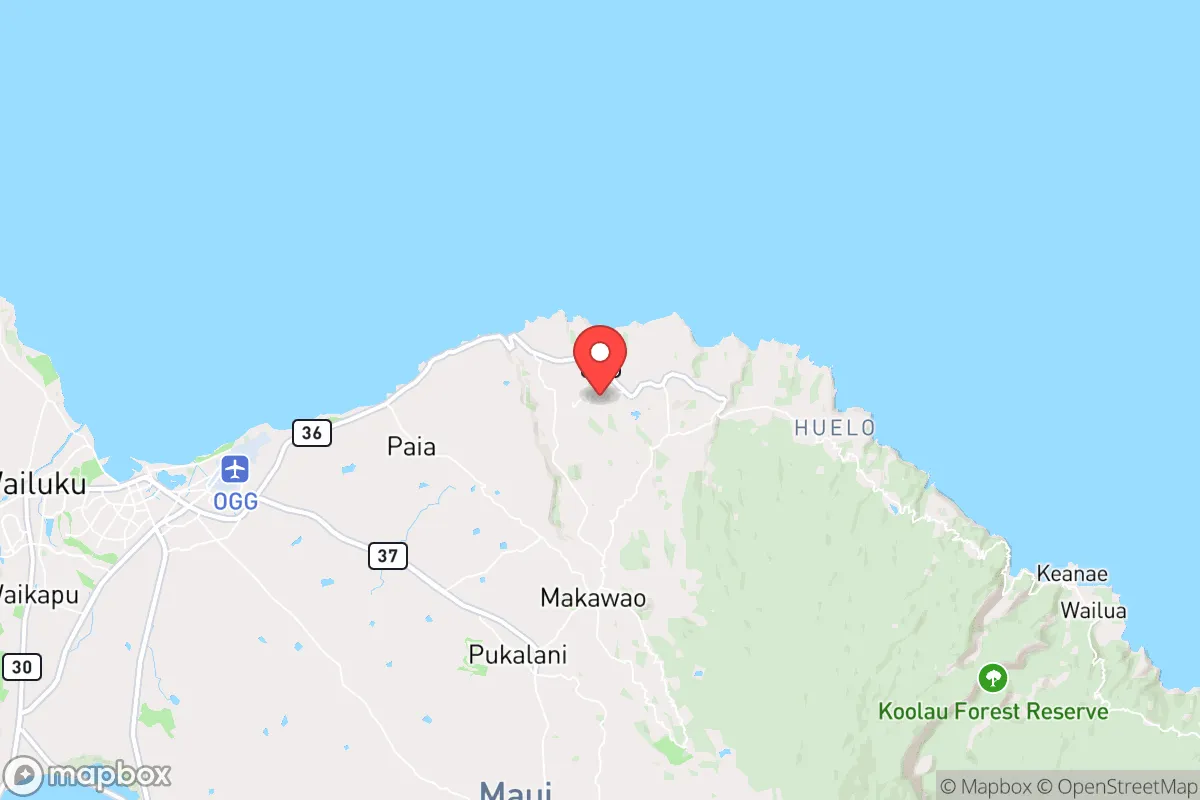
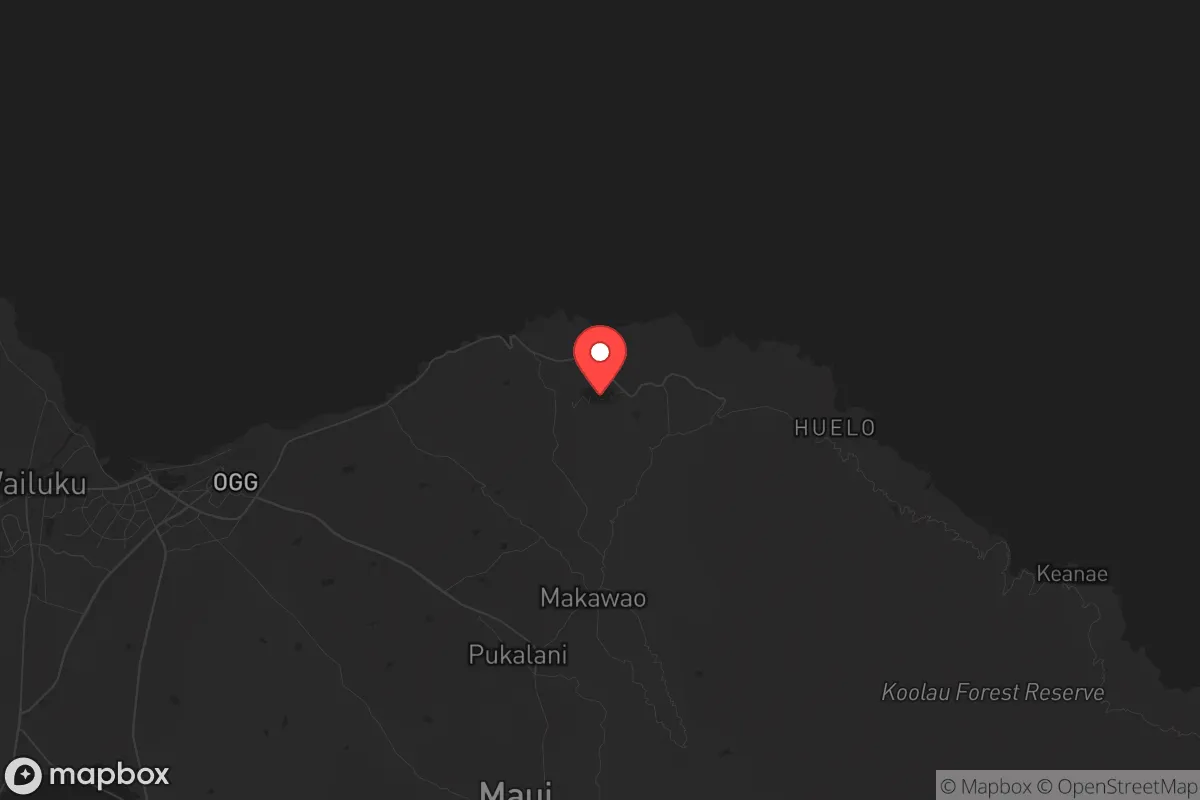
Photo by Justin Aikin on Unsplash
An Unincorporated Community in Maui County, Hawaii
Find The Best Places To Live
in Haiku Pauwela
PRO TIP! You can paste a Zillow or Redfin link to get info on that property.
What It's Like Living in Haiku Pauwela, HI
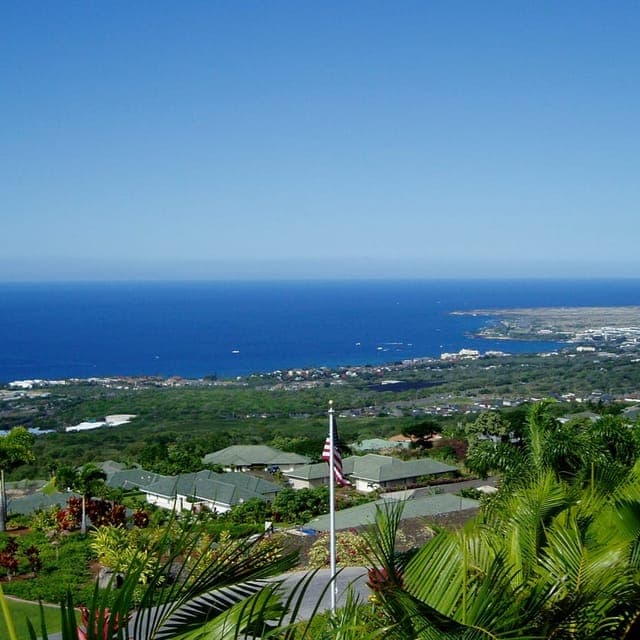
Haiku Pauwela feels less like a town and more like a state of mind — a quiet, green corridor on Maui’s north shore where the pace slows to a steady rhythm of wind, rain, and roosters. It’s not a tourist destination; it’s a place where people live, raise kids, and grow old, tucked between the surf of Ho‘okipa and the cool slopes of Haleakalā. If you’re considering a move here, you’re likely drawn by the promise of space, privacy, and a deep connection to the land, but you’ll also need to make peace with the trade-offs that come with that isolation.
The Daily Rhythm: Slow Mornings and Long Commutes
Life in Haiku Pauwela revolves around the land and the clock. Mornings often start with coffee on a lanai overlooking a jungle of mango, avocado, and banana trees, with the sound of coqui frogs fading as the sun rises. Most residents work in service, agriculture, or remote jobs — the median household income here is $99,066, well above the national average, but so is the cost of living index of 303, meaning everyday expenses are roughly three times what you’d pay on the mainland. The average commute clocks in at 34.6 minutes, a grind that takes you down the narrow, winding Hana Highway into Kahului or Wailuku. That drive is beautiful but can feel long after a rainy week, and it’s a daily reality for anyone who doesn’t work from home or in the local ag sector.
Weekends are for farmers markets, beach days at Baldwin Beach or Paia Bay, and backyard projects. Locals shop at the Haiku Grocery Store for essentials, but most do a weekly Costco or Foodland run in Kahului. Eating out means driving to Paia for fish tacos at Paia Fish Market or a burger at the Flatbread Company — there’s no real bar scene in Haiku itself, just a few quiet spots like the Haiku Tavern where you can grab a beer and talk surf or soil. The kind of person who fits here is self-sufficient, comfortable with solitude, and likely in their late 30s or early 40s — the median age is 37.6 — with a job that either pays well remotely or ties them to the island’s agriculture or trades.
Sports, Community, and What People Actually Do
Sports aren’t a big deal in Haiku Pauwela the way they are in mainland suburbs. There’s no pro team to rally around, and high school sports at King Kekaulike High School draw modest crowds — mostly parents and close friends. The real athletic culture here is ocean-based: surfing at Ho‘okipa, stand-up paddleboarding, and outrigger canoe paddling. The annual Maui Windsurfing and Kiteboarding Championships bring pros to Ho‘okipa, and locals treat it as a spectator event, not a tailgate. For kids, soccer and youth surfing leagues are more common than football or basketball, and the community’s social life often centers around school events, beach cleanups, or potlucks at the Haiku Community Center.
Entertainment is low-key and nature-driven. The Haiku Mill hosts occasional weddings and art events, but the real draw is the outdoors: hiking the Makamakaole Falls trail, exploring the bamboo forest on the Pipiwai Trail, or simply driving up to the upcountry town of Makawao for the Makawao Rodeo in July. The Haiku Farmers Market on Saturday mornings is a social hub where you’ll see the same faces week after week. There’s no movie theater, no bowling alley, no mall — you make your own fun, and that’s either a feature or a bug depending on your personality.
Pros and Cons of Living in Haiku Pauwela
Longtime residents love the privacy and space — lots are large, neighbors are far enough away that you don’t hear their arguments, and the jungle canopy makes every property feel like its own world. The weather is another draw: cooler and wetter than the leeward side, with temperatures in the 70s year-round and a reliable afternoon breeze that keeps the humidity manageable. But the same rain that feeds the lush landscape also brings mold, rust, and constant maintenance — everything from your car to your shoes to your outdoor furniture degrades faster here. The violent crime rate of 200.2 per 100,000 is higher than the national average, though most of it is property-related and concentrated in more populated areas; Haiku itself feels safe, but you’ll still lock your doors and keep an eye on packages.
The cost of living is the biggest frustration. With a median home value of $998,900, even a modest three-bedroom house is a stretch for most families, and only 29.2% of adults hold a college degree, meaning many locals work multiple jobs to stay afloat. Schools like Haiku Elementary and King Kekaulike High are well-regarded but underfunded, and the community rallies around them — PTA meetings are well-attended, and teachers are treated like local celebrities. Traffic on the Hana Highway can be a nightmare during tourist season, and the nearest hospital is 20 minutes away in Kahului. For the right person — someone who values quiet, green space, and a slower life over convenience and nightlife — Haiku Pauwela is a hidden gem. For anyone who needs a Target within 10 minutes or a vibrant social scene, it’s a beautiful but lonely place.

Similar small towns to Haiku Pauwela
* Values derived from national, state, county, city and local statistics and may differ in a specific area. Last updated: 2026-04-24T11:44:31.000Z
Narrative content on this page is AI-generated and may contain mistakes. Verify any details that matter before acting on them.
ReloMaps may earn a commission from affiliate links at no extra cost to you.

