Photo: Wikipedia
Find The Best Places To Live in Honolulu County
PRO TIP! You can paste a Zillow or Redfin link to get info on that property.
Best Places to Live in Honolulu County

Cities & Towns in Honolulu County
Cities in Honolulu County
What It's Like Living in Honolulu County, HI
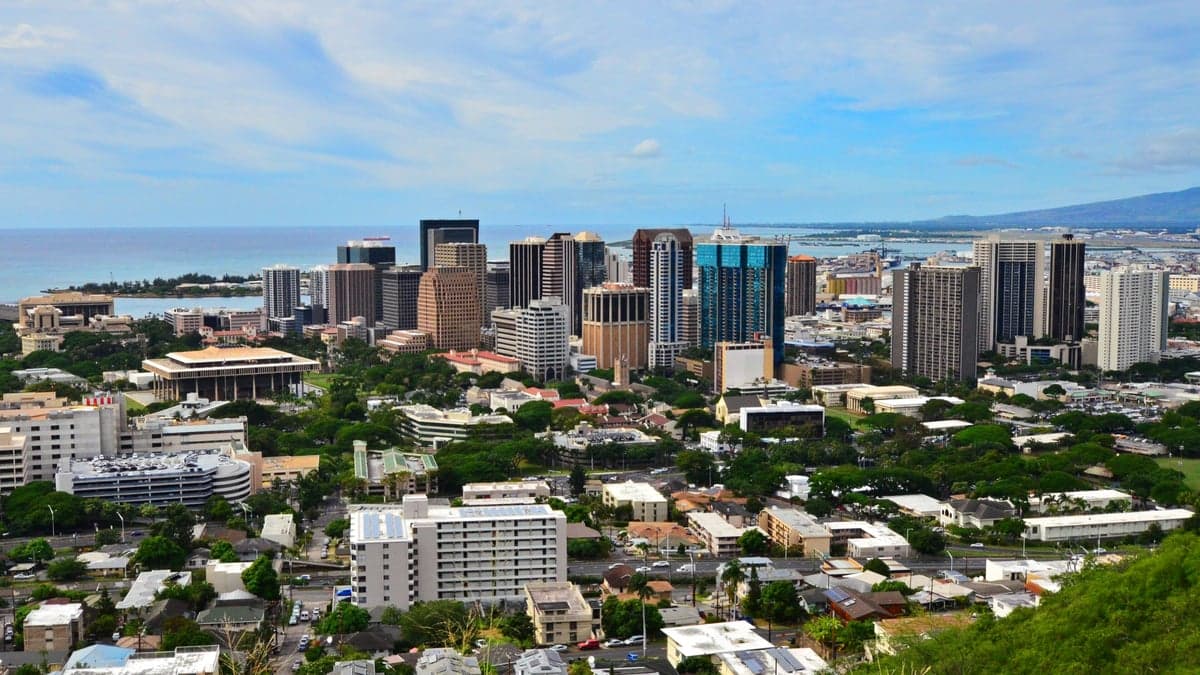
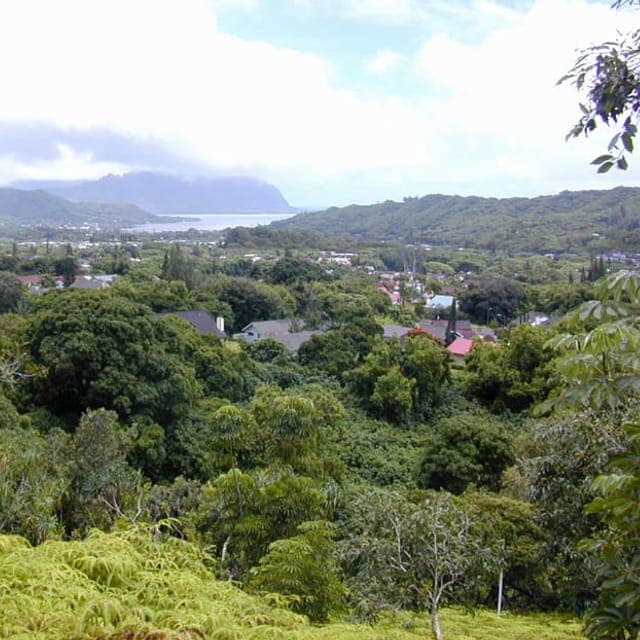
Living in Honolulu County means trading the mainland’s four seasons for a year-round rhythm of trade winds, plate lunches, and traffic jams that have their own local names. This single county covers the entire island of Oʻahu, from the high-rise bustle of Honolulu and Waikīkī to the surf-town feel of Haleʻiwa on the North Shore and the more suburban, family-oriented communities of Kailua, Kāneʻohe, and Mililani. With just over a million residents, it’s the state’s population center, and the vibe shifts noticeably depending on whether you’re in a downtown high-rise, a windward-side beach town, or a central Oʻahu master-planned neighborhood.
Daily Rhythm: From Plate Lunches to the Pali Highway
A typical weekday in Honolulu County starts early, often before sunrise, to beat the traffic. The average commute here is about 27 minutes, but that number can balloon to an hour or more if you’re driving from Kapolei into downtown Honolulu or from Kailua over the Pali Highway. Locals plan their days around the “rush hour” windows, and many workers in Honolulu proper opt for a bus or TheBus pass to avoid parking costs that can run $200–$300 a month. Lunch is a serious affair: plate lunches from spots like Rainbow Drive-In in Kapahulu or Liliha Bakery in Kalihi are a staple, mixing teriyaki beef, mac salad, and rice for under $15. Dinner often means a mix of local favorites—poke bowls from Foodland supermarkets, saimin from a neighborhood shop, or a family gathering at a Korean barbecue spot in McCully.
Weekends are where the island’s geography really shapes life. Families in Mililani or ʻEwa Beach might spend Saturday morning at a youth soccer game at Central Oʻahu Regional Park, then head to the North Shore for a beach day at Waimea Bay or a shrimp truck in Kahuku. People in Kailua and Kāneʻohe often stick to the windward side, kayaking to the Mokulua Islands or hiking the Koko Crater Railway Trail. The cost of living index sits at 230—more than double the U.S. average—so everyday choices like where to buy groceries (Costco in Iwilei is a weekend ritual) and whether to eat out are weighed carefully. The median home value of $873,000 means that even with a median household income of $104,264, homeownership is a stretch for many, and renting a two-bedroom in a decent area often runs $2,500–$3,500 a month.
Sports, Community, and the Local Identity
Sports on Oʻahu are less about pro teams and more about community pride and college athletics. The University of Hawaiʻi Rainbow Warriors football team at the Clarence T.C. Ching Athletics Complex draws a loyal, if not massive, crowd, and basketball games at the Stan Sheriff Center are a Friday-night staple. High school football is genuinely big—games between Saint Louis School (home of Heisman winner Marcus Mariota) and Punahou School can fill Aloha Stadium with 20,000 fans. The Honolulu Marathon in December is a global event, but locals also pack the Great Aloha Run in February. Surfing is the island’s true sport: the Vans Triple Crown of Surfing on the North Shore (November–December) turns Haleʻiwa and Waimea Bay into a global stage, and even non-surfers head up to watch the waves.
Cultural quirks run deep. The “Aloha spirit” is real but not saccharine—it’s a code of mutual respect and patience that locals expect, especially from newcomers. The Prince Lot Hula Festival at Moanalua Gardens in July and the King Kamehameha Day parade in Honolulu are big community events. Food traditions like Spam musubi and malasadas (from Leonard’s Bakery in Kapahulu) are everyday treats. The island’s mix of Native Hawaiian, Filipino, Japanese, Portuguese, and Chinese heritage means that local identity is proudly multicultural, and the pidgin English you’ll hear in Kapolei or Waiʻanae is a marker of belonging, not a lack of education.
What’s There to Do: Outdoor Life and Nightlife
Outdoor activities dominate. Hiking trails like Diamond Head (touristy but worth it), Koko Head (a brutal stair climb), and Mānoa Falls (a shaded rainforest walk) are free and popular. Snorkeling at Hanauma Bay requires a reservation and a $25 fee, but it’s world-class. The Bishop Museum in Honolulu is the go-to for Hawaiian history and culture, while the Honolulu Museum of Art offers a quiet afternoon. Nightlife is concentrated in Waikīkī and downtown Honolulu: Bar Leather Apron for craft cocktails, Arnold’s Beach Bar for a divey vibe, and The Republik for live music. For families, the Waikīkī Aquarium and Sea Life Park in Waimānalo are solid afternoon outings. The Ala Moana Center is the island’s shopping hub, with everything from luxury brands to local boutiques like Sig Zane Designs.
Pros and Cons of Living Here
- Pros: Year-round warm weather (70s–80s, no snow), world-class beaches and hiking within 30 minutes of anywhere, a genuinely diverse and welcoming culture, strong local food scene, and a slower pace of life that prioritizes family and community over hustle culture.
- Cons: Extreme cost of living (housing is the biggest barrier), heavy traffic on the H-1 and Pali Highway, limited job market outside tourism, government, and healthcare, and a sense of isolation from the mainland (flights to the West Coast are 5+ hours and expensive). The violent crime rate of 200.2 per 100,000 is slightly above the national average, and property crime in tourist-heavy areas like Waikīkī is a real concern.
The kind of person who fits in here is someone who values outdoor access over square footage, who can handle a slower pace and a high price tag, and who respects the local culture rather than trying to change it. It’s a place where a single person can thrive on a $70,000 salary if they’re okay with roommates or a small studio, but where a family of four needs a combined income well over $150,000 to feel comfortable. The schools—especially in Mililani, Kailua, and Hawaiʻi Kai—are solid, but many parents supplement with after-school programs or consider private options like Iolani School or Punahou. If you’re moving here, expect to pay more for less space, but also expect to trade that for a life where the beach is your backyard and the weekend hike is your commute home.

* Values derived from national, state, county, city and local statistics and may differ in a specific area. Last updated: 2026-05-12T03:12:14.000Z
Narrative content on this page is AI-generated and may contain mistakes. Verify any details that matter before acting on them.
ReloMaps may earn a commission from affiliate links at no extra cost to you.

