 Popular
Photo: Wikipedia
Find The Best Places To Live
in Highland Park
PRO TIP! You can paste a Zillow or Redfin link to get info on that property.
What It's Like Living in Highland Park, IL
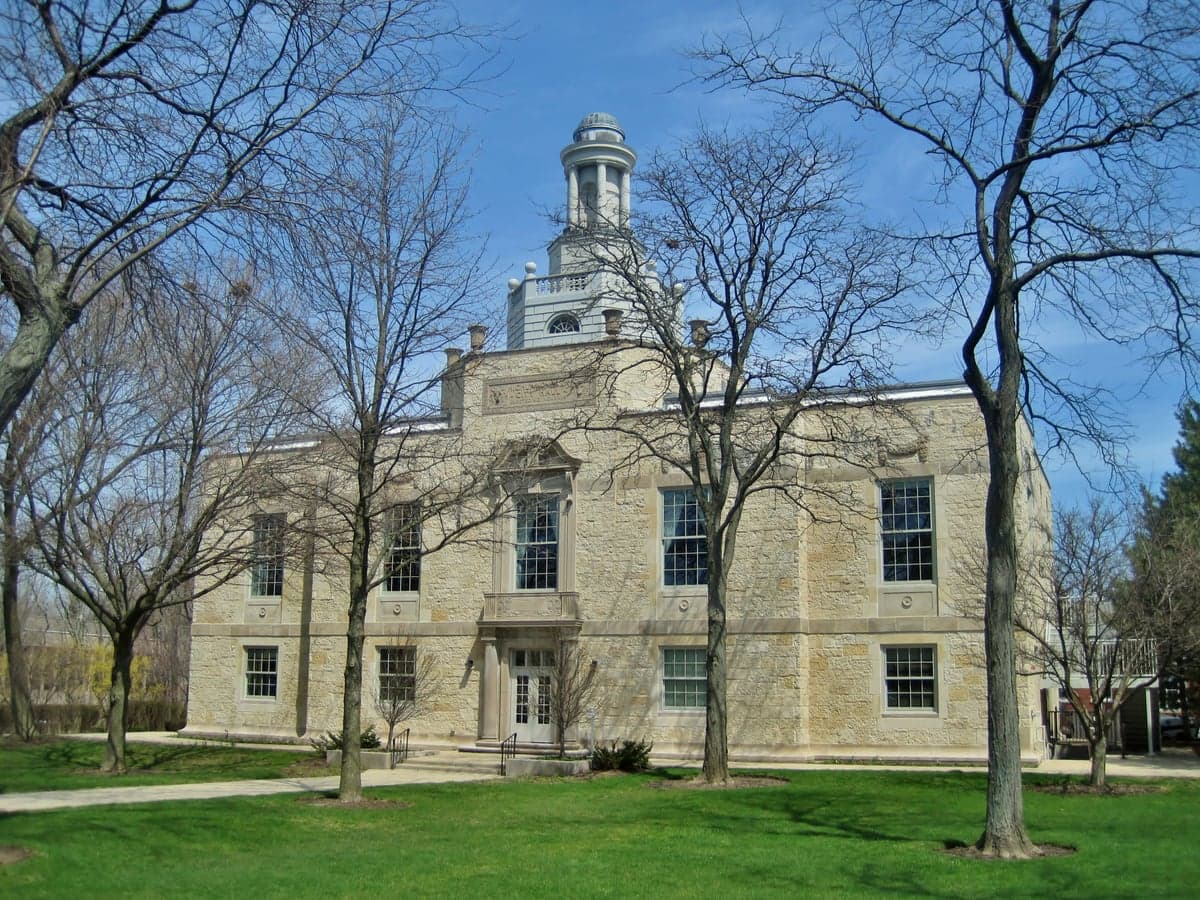
Highland Park feels less like a typical Chicago suburb and more like a small, self-contained city with its own identity, thanks to the bluffs overlooking Lake Michigan and a downtown that actually has a pulse. It’s a place where people trade stories at the farmers market on Saturday morning and then catch a show at the Ravinia Festival that same evening, all without ever needing to drive into the city. The vibe is distinctly affluent and established, but it’s not flashy—it’s the kind of quiet prosperity that shows up in well-maintained parks, a highly educated population (over 76% hold a college degree), and a deep commitment to local schools.
The Daily Rhythm: Work, School, and the Lake
For most residents, the day starts with a commute that averages about 28 minutes, often on the Metra Union Pacific North Line into downtown Chicago or to corporate hubs in Lake County. The median age of 46 hints at a community heavy on established professionals and empty-nesters, though families with school-aged kids are a major presence. After school, you’ll see kids biking to the Highland Park Public Library or heading to practice at one of the many athletic fields. The lakefront is the real anchor: Rosewood Beach is the go-to spot for summer swims and sunset walks, while the Green Bay Trail (a paved path running through town) is packed with joggers and dog-walkers year-round. Shopping and errands center on the Port Clinton Square downtown and the Highland Park Village shopping center, where you’ll find everything from a local bookstore to a high-end grocery. The cost of living index sits at 183—nearly double the national average—so this isn’t a place for bargain hunters; it’s a trade-off for top-tier schools and a safe, walkable downtown.
Sports, Festivals, and Where People Actually Hang Out
High school sports are a surprisingly big deal here. Highland Park High School (the Giants) draws solid crowds for Friday night football and basketball games, and the rivalry with nearby Deerfield is genuine. There’s no major pro team in town, but plenty of residents are Cubs or Bears fans who make the 45-minute drive south for games. The real entertainment draw is Ravinia Festival, the summer home of the Chicago Symphony Orchestra. It’s a massive outdoor amphitheater where people picnic on the lawn with wine and cheese before a concert—it’s less about the music and more about the scene, especially on summer weekends. For a more low-key night, locals head to Walker Bros. Original Pancake House for breakfast (expect a wait), Bennison’s Bakery for a slice of their famous cake, or Mickey Finn’s Brewery in nearby Libertyville for craft beer. The Highland Park Art Festival in August and the Port Clinton Art Festival in July are the big annual events, turning downtown into a pedestrian-only gallery.
What Works and What Grates
What residents love:
- The schools. They are the backbone of the community. District 113 (Highland Park High School) and District 112 (elementary/middle) consistently rank among Illinois’ best, and property taxes reflect that commitment.
- Safety. The violent crime rate is just 54.9 per 100,000—roughly one-tenth the national average. People leave doors unlocked and kids walk to the park alone.
- The lakefront. Having a beach, a bluff-top park, and a nature preserve (the Fort Sheridan Forest Preserve) within walking distance for many residents is a genuine luxury.
What frustrates locals:
- Property taxes. They are among the highest in the nation. A $600,000 home can carry $12,000–$15,000 in annual taxes. It’s the single biggest complaint you’ll hear at a dinner party.
- Traffic on 41. Skokie Highway (Route 41) is the main north-south artery, and it bottlenecks badly during rush hour. The 28-minute average commute can easily become 45 minutes on a bad day.
- Winter. Lake-effect snow can dump 40+ inches a year, and the lakefront wind makes January walks brutal. The town quiets down from December through March.
Who Fits In (and Who Might Not)
Highland Park works best for people who value community investment over convenience. You’ll find a lot of doctors, lawyers, and executives who could live anywhere but choose to stay because their kids’ friends are here and they know their neighbors. The median household income of $162,000 and median home value of $594,400 mean the bar for entry is high. Single people in their 20s often feel out of place—the dating scene is thin, and most social life revolves around families or established couples. But for a family with school-age children or an empty-nester couple who wants a walkable downtown and cultural amenities without the city’s chaos, it’s hard to beat. The town has a slightly progressive tilt politically, but it’s not a bubble—there’s a pragmatic, “live and let live” attitude that keeps things civil. If you’re looking for a place where you can raise kids, join a book club, and never feel the need to leave for a weekend, Highland Park delivers.

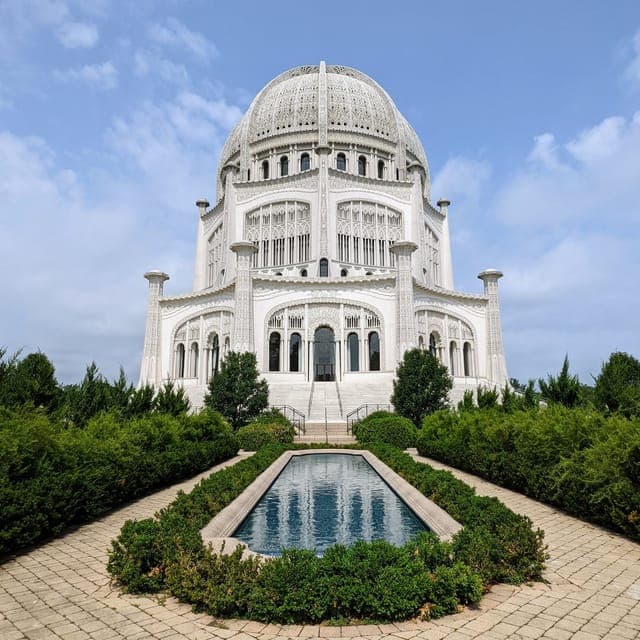
Similar towns to Highland Park
* Values derived from national, state, county, city and local statistics and may differ in a specific area. Last updated: 2026-08-24T21:17:27.000Z
Narrative content on this page is AI-generated and may contain mistakes. Verify any details that matter before acting on them.
ReloMaps may earn a commission from affiliate links at no extra cost to you.

