Demographics of Hilo, HI
Affluence Level in Hilo, HI
A middle-class area roughly in line with national averages across income, home values, education, and employment.
People of Hilo, HI
The people of Hilo today form a distinctive community of 48,223 residents defined by its strong East/Southeast Asian plurality (31.3%) and a White population of 15.6%, with a notably low foreign-born share of just 4.6%. This is a deeply rooted, multi-generational population where families have stayed for decades, creating a stable but aging demographic profile. The city feels more like a close-knit small town than a tourist hub, with a college-educated rate of 34.0% that reflects the influence of the University of Hawaii at Hilo. Hilo’s identity is shaped by its plantation-era history, its relative isolation on the rainy east side of the Big Island, and a population that is predominantly native-born and locally oriented.
How the city was settled and grew
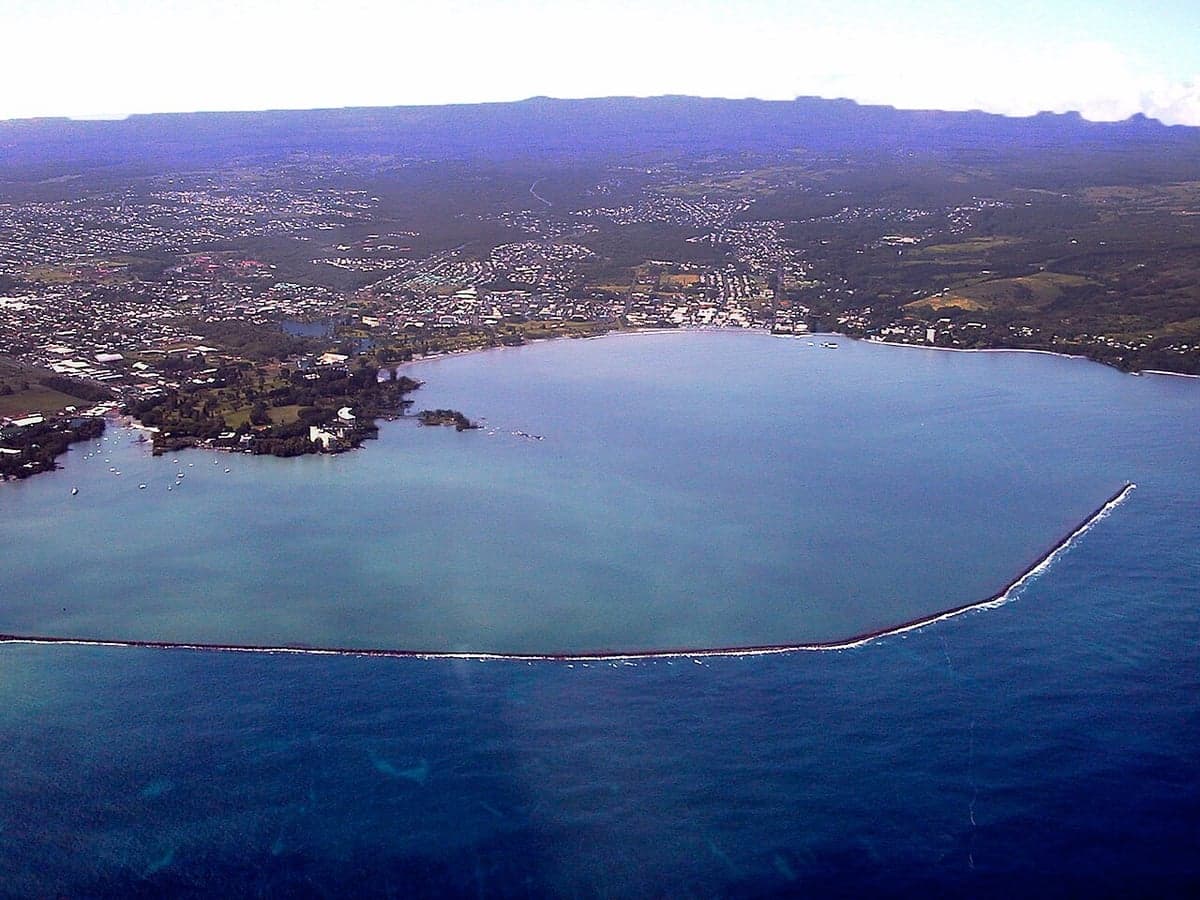
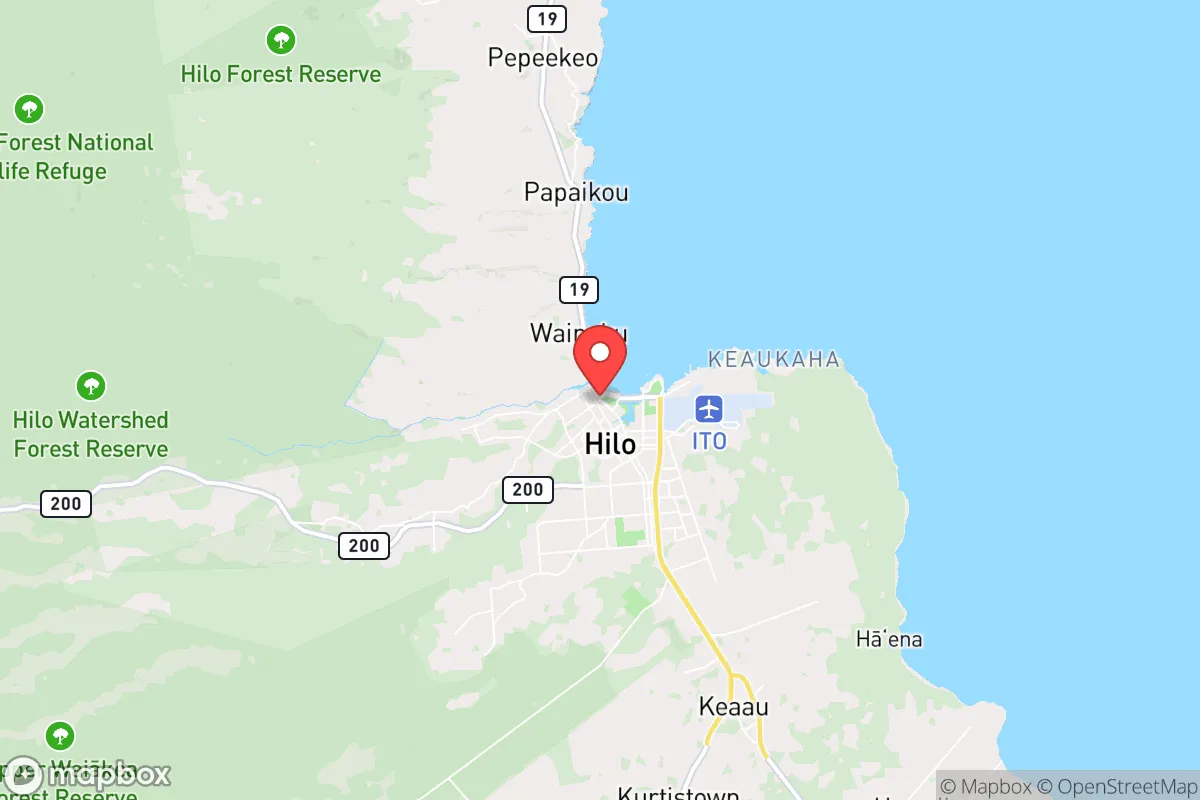
Hilo’s population history begins with Native Hawaiians, who established coastal settlements along Hilo Bay and the Wailuku River centuries before Western contact. The modern city took shape in the mid-19th century when sugar plantations became the economic engine. The first major wave of immigrants came from Japan, China, and Portugal between the 1880s and 1920s, recruited as contract laborers for plantations like the Hilo Sugar Mill and the Waiakea Sugar Company. These workers built their own communities in neighborhoods that still bear their imprint. Waiakea, originally a separate village near the bay, became a Japanese and Chinese enclave with its own stores, temples, and social halls. Puueo, along the Wailuku River, was settled by Portuguese and later Japanese families who worked the nearby fields. The plantation system created a rigid ethnic hierarchy, with White managers living in higher-elevation areas like Kaumana, while laborers clustered in low-lying camps. By the 1930s, Hilo was a patchwork of ethnic enclaves, each with its own language, religion, and mutual-aid societies. The 1946 tsunami devastated the downtown and waterfront areas, displacing many families and accelerating a shift away from the old plantation camp layout toward newer subdivisions.
Modern era (post-1965)
The 1965 Immigration and Nationality Act opened the door for a second wave of Asian immigration, but Hilo did not see the large influx that Honolulu did. Instead, the post-1965 period was marked by domestic in-migration from other parts of Hawaii and the U.S. mainland, as well as a gradual decline of the sugar industry. The last sugar plantation closed in the 1990s, forcing economic diversification into tourism, education, and healthcare. Newer subdivisions like Keaau (just south of Hilo) and Panaewa absorbed many of the families moving out of older neighborhoods for more space and newer housing. The East/Southeast Asian population—primarily Japanese and Filipino—remained the largest group, but their share has slowly declined as younger generations intermarry and move to Oahu or the mainland. The Hispanic population (11.4%) grew modestly, largely from Puerto Rican and Mexican families arriving for service-sector jobs. The White population (15.6%) includes both long-time haole (Hawaii-born White) families and newer arrivals from the mainland, often retirees or remote workers drawn by lower housing costs compared to Honolulu. The Black population (0.8%) and Indian population (0.2%) remain very small, reflecting Hilo’s limited draw for these groups. The foreign-born share of 4.6% is strikingly low for a Hawaii city, indicating that nearly all residents are either native-born or have lived in Hilo for decades.
The future
Hilo’s population is aging and slowly shrinking, with a median age above the state average and outmigration of young adults to Oahu or the mainland for jobs and education. The East/Southeast Asian plurality is likely to continue its gradual decline through assimilation and intermarriage, while the White and Hispanic shares may rise slightly as mainland retirees and service workers arrive. The city is not tribalizing into distinct new enclaves; instead, older ethnic neighborhoods like Waiakea and Puueo are becoming more mixed as long-time families sell and newcomers buy. The biggest wildcard is climate change: rising sea levels and increased hurricane risk could discourage coastal development and push population inland toward Kaumana and Upper Waiakea. The University of Hawaii at Hilo will remain a stabilizing force, attracting a small but steady stream of students and faculty. For the next 10–20 years, Hilo will likely remain a stable, predominantly native-born community with a strong local identity, but with a slowly diversifying and aging population.
For someone moving in now, Hilo offers a community where roots run deep and newcomers are welcomed but will always be outsiders to some degree. The low crime rate, strong sense of place, and affordable (by Hawaii standards) housing make it attractive for families and retirees seeking a quieter, more authentic Hawaii experience. However, the limited job market, geographic isolation, and heavy rainfall require a realistic adjustment. This is not a place of rapid change or demographic upheaval—it is a steady, multi-generational town that rewards patience and community involvement.

* Values derived from national, state, county, city and local statistics and may differ in a specific area. Last updated: 2026-04-23T22:53:42.000Z
Narrative content on this page is AI-generated and may contain mistakes. Verify any details that matter before acting on them.
ReloMaps may earn a commission from affiliate links at no extra cost to you.

