Political ClimatePolitical Climate in Hilo, HI
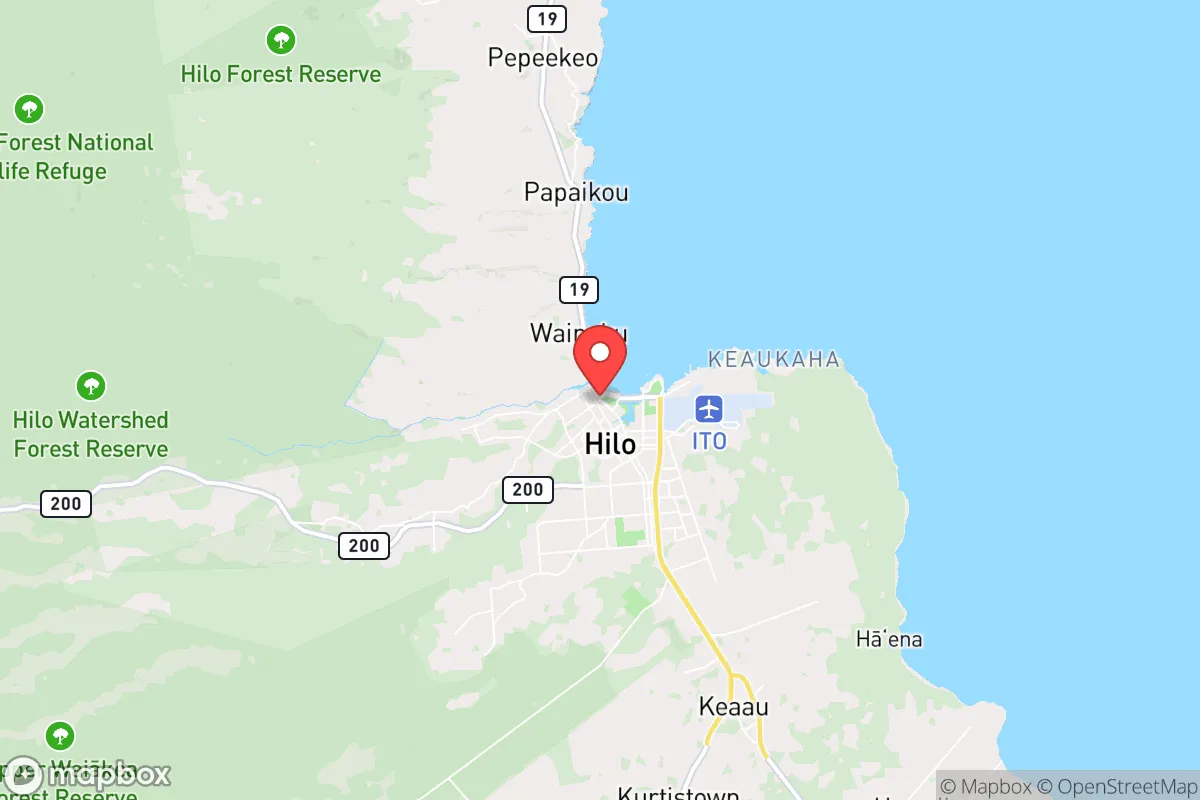
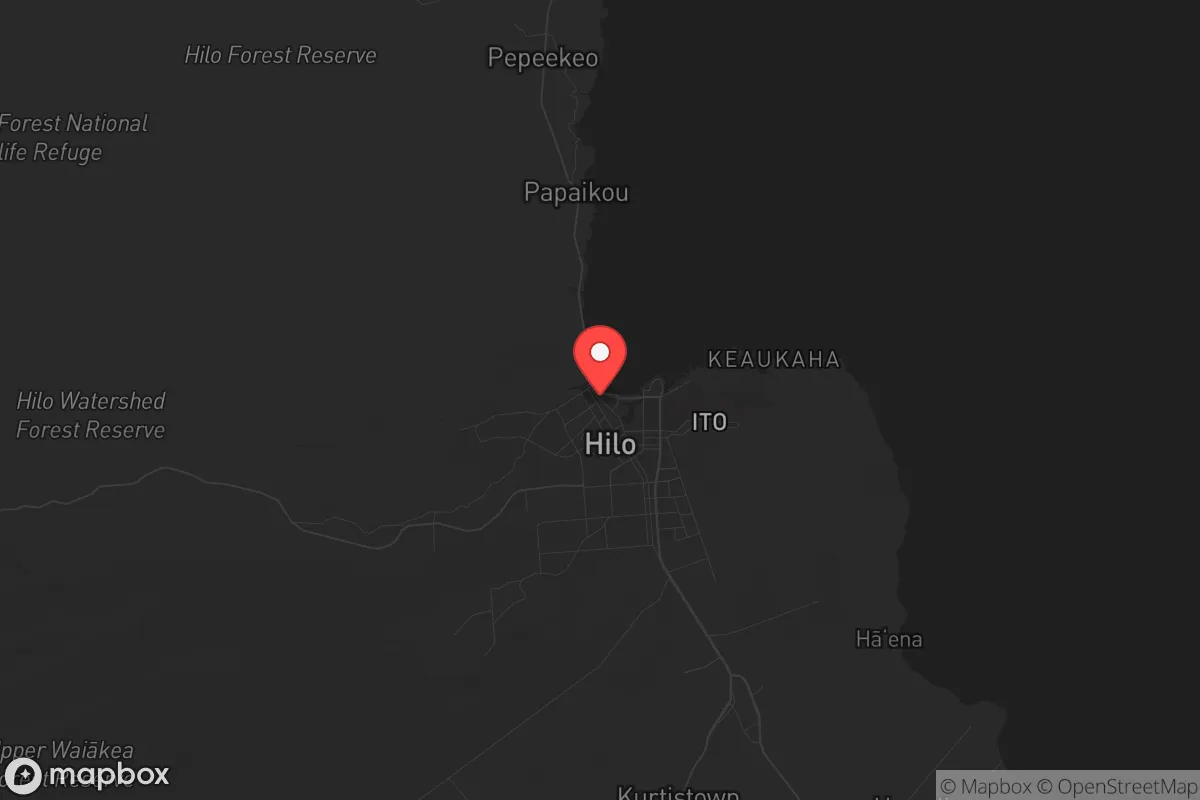
District shown is the primary district for this city’s centroid. Cities may span multiple districts.
Local Political AnalysisPolitical Analysis of Hilo, HI
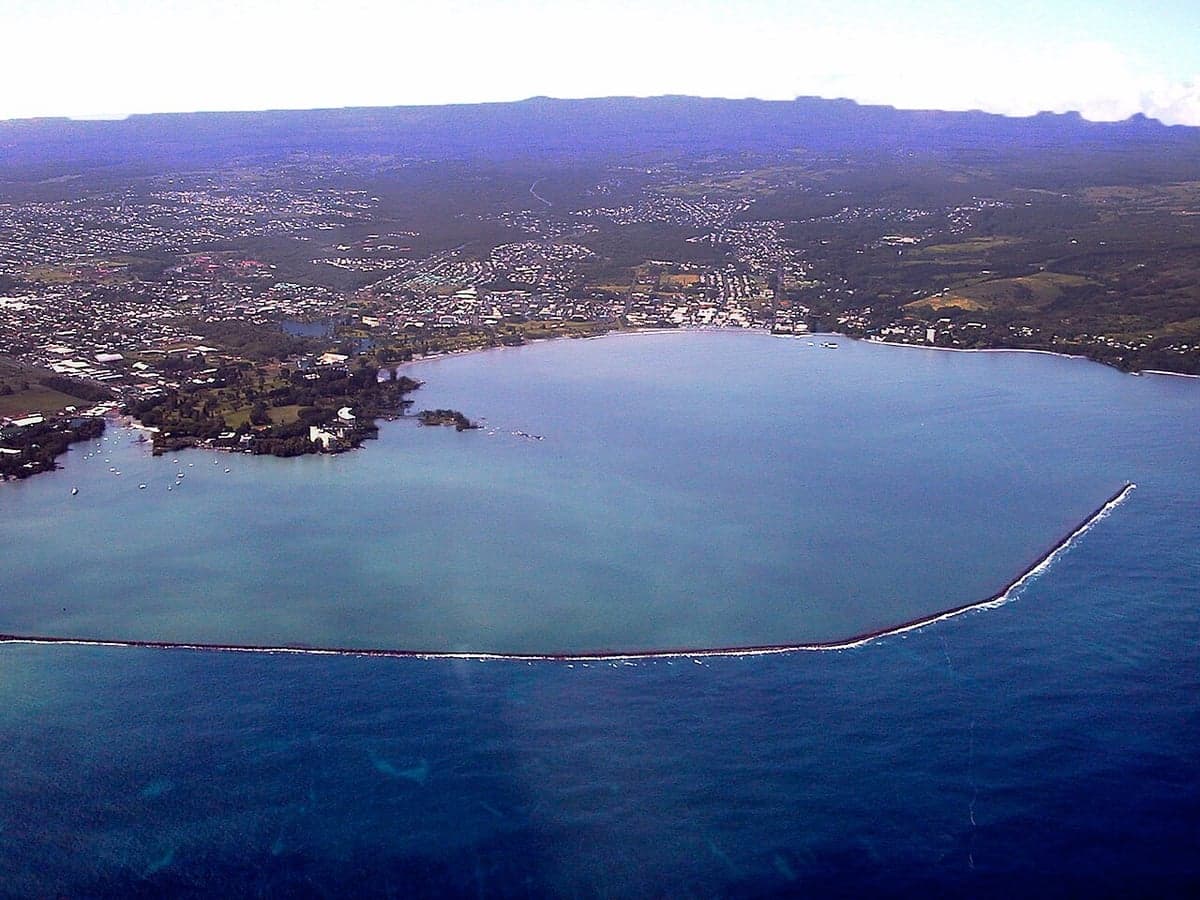
Hilo leans heavily Democratic, with a Cook PVI of D+12, meaning the area votes about 12 points more Democratic than the national average. That’s not just a number—it’s a reality you feel in local elections, zoning meetings, and even how folks talk about property rights. The political trajectory here has been a slow, steady march leftward over the past two decades, driven by an influx of mainland transplants and a younger, more progressive local population. If you’ve been around since the 90s like I have, you’ve watched the old-school, live-and-let-live Hawaii culture get crowded out by a more activist government presence.
How it compares
Drive 30 minutes north to Honoka‘a or 45 minutes south to Pahala, and you’ll find a more mixed political landscape—still blue, but with a stronger libertarian streak and less appetite for new regulations. The contrast is sharpest with Puna, just east of Hilo, which has become a hotbed for progressive activism, including land-use restrictions and plastic bag bans that feel like they came straight from Portland. Meanwhile, Kona on the west side is more conservative, with a stronger small-business, pro-tourism vibe. Hilo sits in the middle: reliably Democratic, but with a growing undercurrent of frustration among long-time residents who feel the city council and county planning department are overstepping on everything from short-term rental rules to building permit delays.
What this means for residents
For anyone who values personal freedom, the biggest red flag is the creeping regulatory environment. The county has tightened rules on vacation rentals, making it harder for homeowners to rent out their property without jumping through expensive hoops. There’s also a push for stricter environmental impact reviews on new construction, which can stall a simple home addition for months. Property taxes are relatively low compared to the mainland, but the trade-off is that you’ll face more government oversight on what you can do with your own land. The school system is heavily unionized, and local politics often prioritize public-sector jobs over private-sector growth. If you’re a small-business owner, expect to deal with more permitting layers than you’d see in a place like Kona or even rural parts of the mainland.
What daily life is like for families
On the ground, Hilo is still a friendly, slow-paced town where neighbors know each other. But the political drift has real consequences. The local farmers market is great, but you’ll notice more vendors pushing organic-only rules and fewer selling traditional, affordable produce. The public library and parks are well-maintained, but there’s a growing sense that the government is more interested in social engineering than practical services. For families, the biggest concern is the school board’s focus on equity initiatives over academic basics—test scores have slipped, and parents I know are increasingly looking at private or charter options. The long-term trend is concerning: if the progressive agenda keeps accelerating, Hilo could become a place where personal choices—like what you build, how you rent, or even what you grow in your backyard—are subject to more and more bureaucratic approval.

State Political ClimatePolitical Climate in Hawaii
State Political AnalysisPolitical Environment in the State
Hawaii has been a one-party Democratic state for decades, with Democrats holding supermajorities in both legislative chambers and every statewide office since 1962. The state’s overall partisan lean is roughly D+20 in presidential elections, but that masks a growing conservative undercurrent, especially among Native Hawaiians and rural residents who feel the progressive agenda has left them behind. Over the last 10-20 years, the Democratic coalition has shifted from a moderate, labor-oriented party to a more progressive, government-expanding machine, while Republicans have been reduced to a rump presence in the legislature—holding just 5 of 51 House seats and 2 of 25 Senate seats as of 2025.
Urban vs. rural divide
The political map of Hawaii is starkly divided between the urban core of Honolulu on Oahu and the rest of the state. Honolulu and its suburbs—like Waipahu, Kaneohe, and Ewa Beach—drive the Democratic supermajority, with precincts routinely voting 70-80% Democratic. These areas are dense, diverse, and heavily unionized, with public-sector workers and tourism employees forming the base. In contrast, the neighbor islands—Hilo and Kailua-Kona on the Big Island, Kahului on Maui, and Lihue on Kauai—are more politically mixed. The Big Island’s rural Puna and Ka’u districts have seen a rise in libertarian-leaning and conservative candidates, while Maui’s upcountry (Kula, Makawao) leans Republican. The only reliably Republican stronghold is the Mililani area on Oahu, a master-planned community of military families and professionals that votes about 55% Republican. The rural-urban split is widening as Honolulu’s progressive policies—like mandatory paid family leave and rent control—push conservative-leaning residents to the neighbor islands, where land is cheaper and government feels less intrusive.
Policy environment
Hawaii’s policy environment is a textbook case of progressive overreach. The state has the highest combined state and local tax burden in the nation (about 12% of income), with a 4% general excise tax that applies to nearly everything, including rent and groceries. Property taxes are low (0.3% of assessed value), but the state makes up for it with aggressive income taxes—top rate of 11% on incomes over $200,000. Education policy is dominated by a single statewide school district, the Hawaii Department of Education, which is notoriously bureaucratic and underperforming; only about 50% of students are proficient in reading and math. The state has a universal pre-K program and mandates ethnic studies in public schools, which many conservatives see as ideological indoctrination. Healthcare is heavily regulated, with a state-run insurance exchange and a law requiring employers to provide coverage for 20+ hours per week. Election laws are relatively open—same-day registration, no-excuse absentee voting, and automatic voter registration—but the state’s all-mail voting system (adopted permanently in 2021) has raised concerns about ballot security, especially in rural areas where mail delivery is spotty. Gun laws are among the strictest in the nation: a permit-to-purchase system, a ban on “assault weapons” and standard-capacity magazines, and a 14-day waiting period. The state also has a red-flag law that allows family members or police to petition for temporary firearm seizure without a criminal conviction.
Trajectory & freedom
Hawaii is becoming less free by almost any measure. The 2023 legislative session was a disaster for personal liberty: the state passed a law (HB 103) requiring all new residential construction to include electric vehicle charging infrastructure, effectively mandating a technology choice. It also expanded the state’s rent control law (SB 898) to cover more units, reducing property rights for landlords. On parental rights, the state passed Act 2 in 2022, which prohibits schools from notifying parents if a student changes their gender identity or pronouns—a direct assault on family autonomy. Gun rights took another hit in 2024 with the passage of SB 1230, which bans carrying firearms in “sensitive places” like parks, beaches, and public transit, effectively gutting the Bruen decision. On the positive side, the state has not passed any new COVID-19 mandates since 2022, and the emergency powers used to shut down businesses and schools have expired. But the overall trajectory is clear: the legislature is controlled by a progressive caucus that sees government as the solution to every problem, and there is no serious political opposition to stop them.
Civil unrest & political movements
Hawaii has a long history of civil unrest, much of it centered on land rights and Native Hawaiian sovereignty. The most visible flashpoint in recent years was the Thirty Meter Telescope (TMT) protests on Mauna Kea from 2015-2019, which drew thousands of Native Hawaiians and environmental activists to block construction. That movement was largely left-wing, but it also exposed a deep distrust of government and corporate power that resonates with conservatives. More recently, the Kakaako homeless sweeps in Honolulu (2021-2023) sparked clashes between police and activists, with the city’s aggressive enforcement of sit-lie ordinances drawing criticism from both the left (for criminalizing poverty) and the right (for wasting money on ineffective programs). The state’s sanctuary policy—Hawaii was the first state to adopt a “Trust Act” in 2019, limiting cooperation with ICE—has made it a magnet for undocumented immigrants, though the numbers are small (estimated 20,000). There is no serious secession movement, but the “Hawaii Independence” group has a small but vocal following, and the state legislature has held hearings on decolonization. Election integrity is a growing concern: the 2020 and 2022 elections saw no major scandals, but the all-mail system has led to reports of ballots being left in mailboxes for days, and the state’s voter rolls are notoriously bloated (over 100% registration in some precincts).
Projection
Over the next 5-10 years, Hawaii will likely become more progressive and more expensive, driving out the middle class and small business owners who are the backbone of any conservative movement. The state’s population has been declining since 2016, with net out-migration of about 10,000 people per year, mostly to Texas, Nevada, and Arizona. Those who leave tend to be younger, more conservative, and more entrepreneurial—exactly the people who would push back against the progressive agenda. The remaining population is older, more dependent on government services, and more likely to vote for the status quo. The Democratic supermajority is unlikely to be broken, as the state’s single-district system and lack of competitive races mean incumbents rarely lose. However, there are glimmers of hope: the rise of the “Aloha Conservative” movement on social media, and a few Republican wins in rural Big Island races, suggest that a coalition of Native Hawaiians, libertarians, and fiscal conservatives could eventually mount a challenge. But for now, anyone moving to Hawaii should expect a government that taxes heavily, regulates aggressively, and prioritizes progressive social policies over economic freedom.
Bottom line for a new resident: If you value low taxes, gun rights, parental control over education, and a government that stays out of your life, Hawaii is a tough place to call home. The natural beauty and aloha spirit are real, but they come with a price tag—both financial and personal. You’ll be paying some of the highest taxes in the country, sending your kids to a struggling public school system, and living under some of the strictest gun laws in the nation. If you can afford to live in a rural area like Hana on Maui or Volcano on the Big Island, you might find a more libertarian-leaning community, but you’ll still be subject to state-level policies that feel like they were written in San Francisco. My advice: visit for a month before you commit, and talk to locals—especially small business owners and farmers—about what it’s really like to live under the Aloha State’s heavy hand.
* Values derived from national, state, county, city and local statistics and may differ in a specific area. Last updated: 2026-04-23T22:53:42.000Z
Narrative content on this page is AI-generated and may contain mistakes. Verify any details that matter before acting on them.
ReloMaps may earn a commission from affiliate links at no extra cost to you.

