Quality of Life in Hilo, HI
A high quality of life with strong walkability, manageable living costs, healthy neighborhood signals, and solid amenity access.
What does Quality of Life tell us?
Quality of Life blends cost of living, nearby amenities, socioeconomic signals, and neighborhood character. City-level scores represent the whole municipality; individual neighborhoods can differ.
What does this tell us?
Quality of Life blends cost of living, nearby amenities, socioeconomic signals, and neighborhood character. City-level scores represent the whole municipality; individual neighborhoods can differ.
Cost of Living
34% above national average
The Real Cost of Living in Hilo, HI for 2026
| Tier | Individual | Family (4) |
|---|---|---|
| Survival | $21k | $40k |
| Comfortable | $88k | $130k |
| Luxury | $142k+ | $220k+ |
| Elite (Top 5%) | $172k+ | $267k+ |
61%
The Area Signal
A metric tracking the socioeconomic signals of the area.
Hobbies
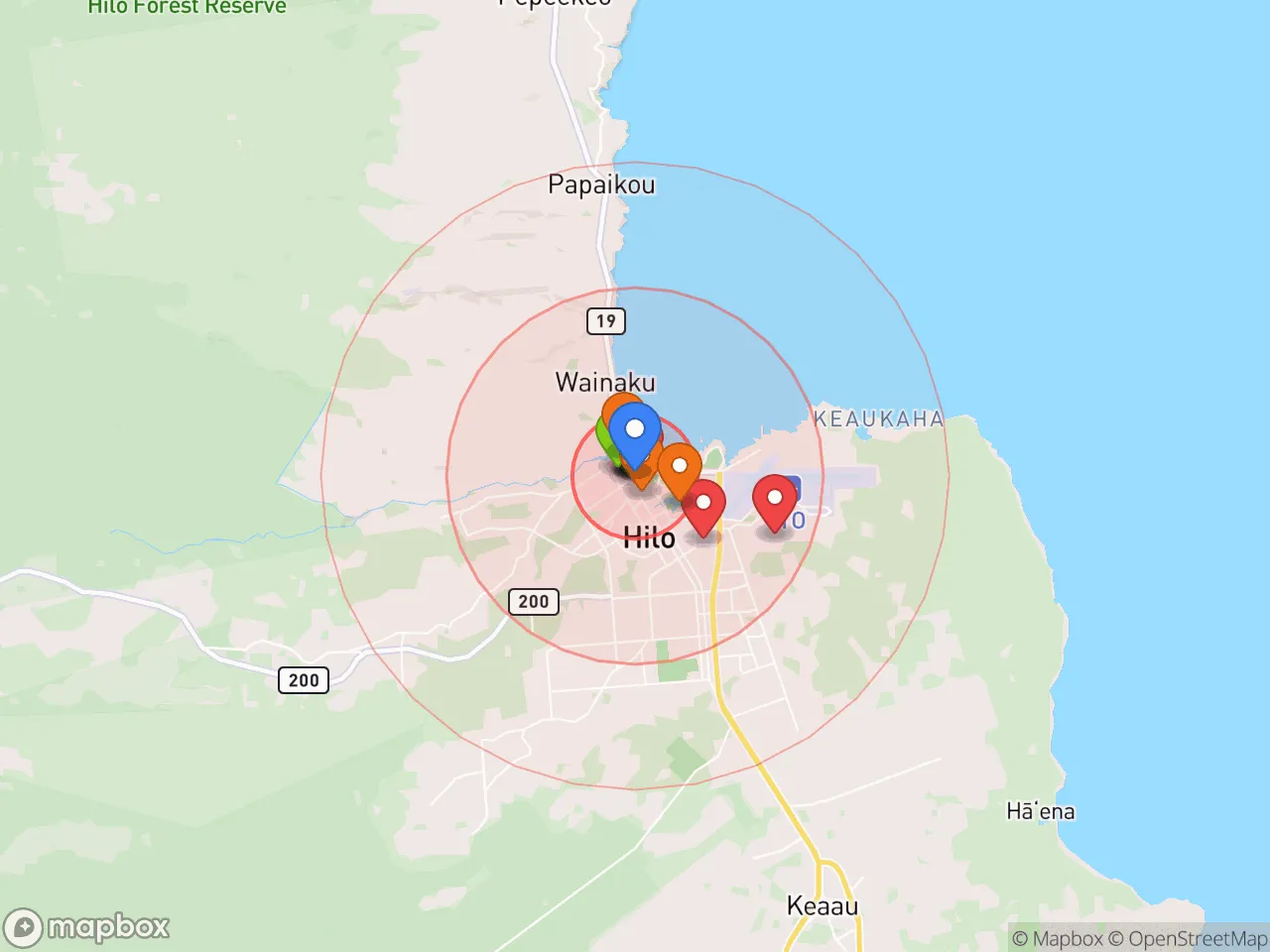
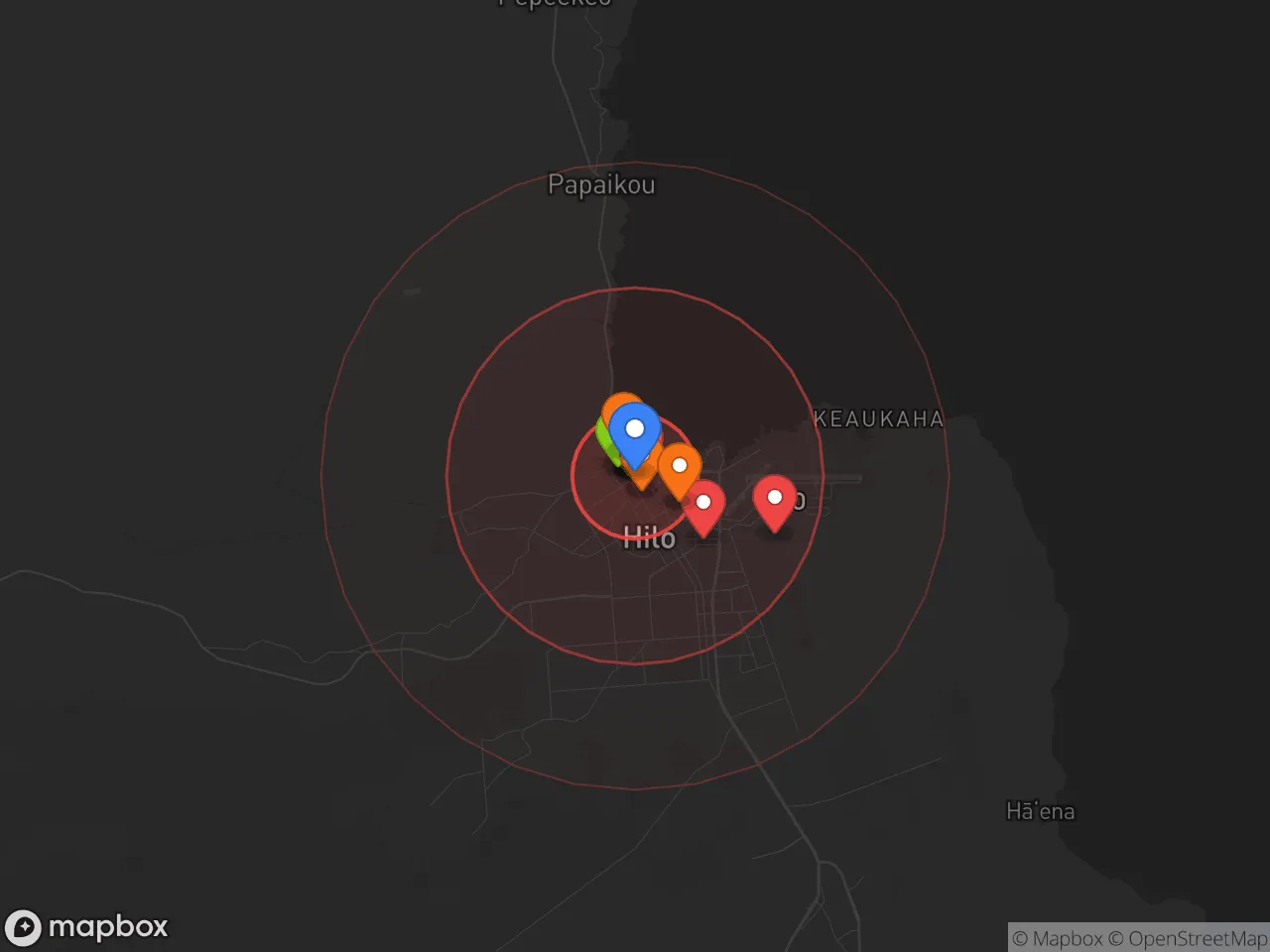
Explore the areaGroceries
2 within 10 miles
Gas
20 within 10 miles
Hospital
1 within 20 miles
Airport
Daniel K. Inouye International Airport
Post Office
USPS — Hilo, HI
Critical Amenities
Quality-of-Life Analysis
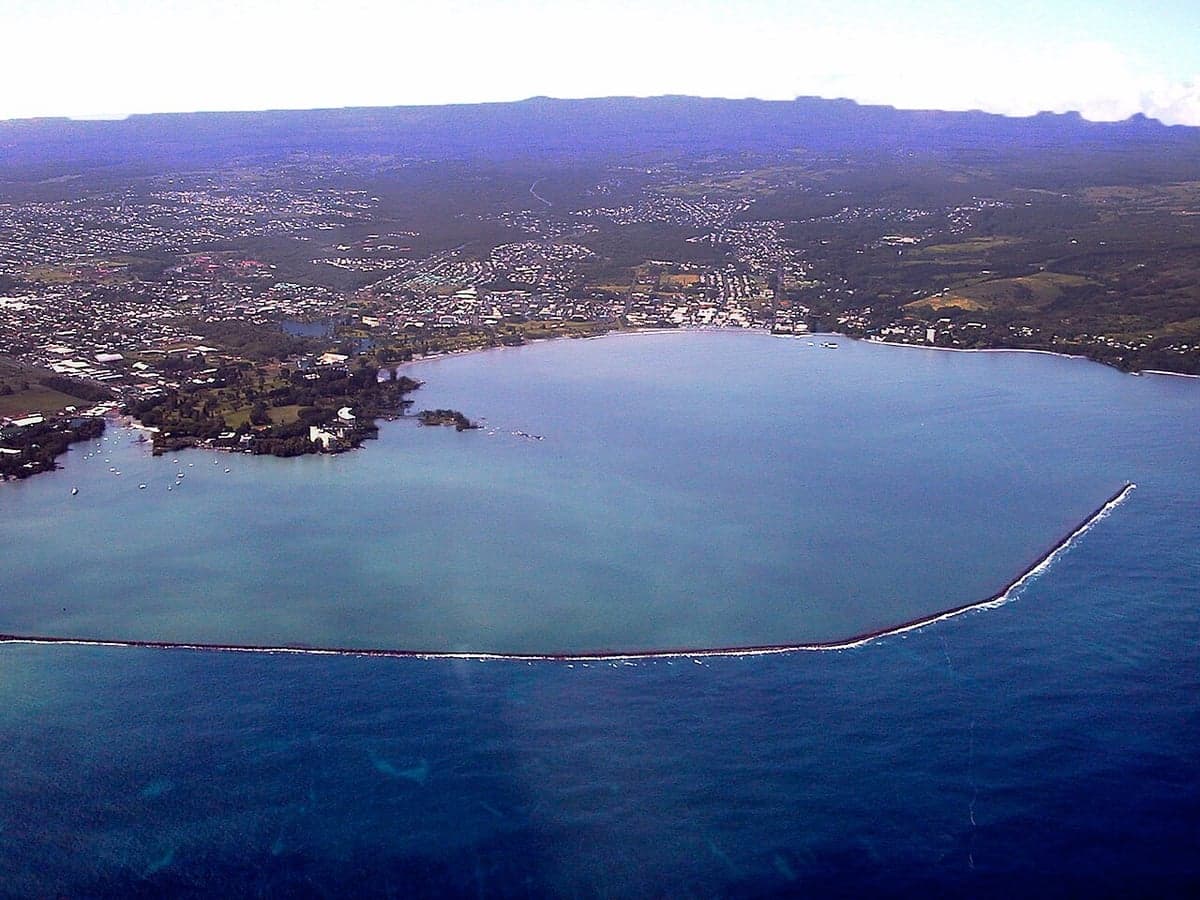
Hilo, on the Big Island’s wet, windward coast, offers a quality of life that trades high-end affluence for deep-rooted community and natural immersion. The median household income hovers around $60,000, notably lower than Honolulu’s $90,000, and the population skews toward working-class families, University of Hawaiʻi at Hilo students, and retirees drawn by slower rhythms rather than luxury. This is not a resort town; it is a genuine, rain-fed Hawaiian city where life centers on farmers’ markets, shoreline parks, and a palpable sense of local identity.
Cost of living, housing, and affordability compared to Kona and Honolulu
Hilo’s cost of living index sits at 134 (100 = U.S. average), making it significantly cheaper than Honolulu (index ~180) but pricier than mainland averages. The median home value is $455,100—roughly half of Oʻahu’s median—while the median rent of $1,347 is about $700 less than in Honolulu. Compared to Kona on the drier leeward side, Hilo homes are typically 10–15% more affordable, though inventory is tighter. The trade-off is weather: Hilo receives over 130 inches of rain annually, while Kona gets about 20 inches. For buyers, a $455,000 home in Hilo might be a three-bedroom fixer-upper in Waiākea or a newer townhouse in Puna’s subdivisions; in Kona, that same price buys a smaller condo. Property taxes are low—around 0.35% of assessed value—but homeowners insurance is high due to hurricane and volcanic risk. The average commute of 20.1 minutes is a standout advantage: most residents reach work, school, or the Hilo Medical Center within a short, traffic-free drive, a rarity in Hawaiʻi.
Local amenities, schools, and what daily life feels like
Daily life in Hilo revolves around outdoor, low-cost activities. The Hilo Farmers Market runs daily, with Wednesday and Saturday being the largest, offering local produce, flowers, and prepared foods. The town’s anchor is University of Hawaiʻi at Hilo (enrollment ~3,000), which brings a modest cultural scene—planetarium shows, art exhibits, and Division II athletics. Public schools are mixed: Waiākea High School and Hilo High School both offer Advanced Placement courses, but state test scores lag behind mainland averages. For families, the ʻImiloa Astronomy Center and Liliʻuokalani Gardens provide free or low-cost weekend outings. The biggest lifestyle adjustment is the rain: many homes lack air conditioning, and mold is a constant battle. Restaurants lean toward plate lunches, poke, and Filipino fare, with few fine-dining options. The rhythm is slow—stores close early, nightlife is minimal, and the nearest Costco is a 30-minute drive in Kona. Healthcare is adequate, anchored by Hilo Medical Center, but specialists often require a flight to Honolulu.
Hilo is best suited for people who prioritize space, nature, and community over career advancement or urban amenities. Remote workers, early retirees, and families willing to embrace rain and limited job options will find a lower-stress, more affordable slice of Hawaiʻi. Those seeking nightlife, luxury shopping, or consistent sunshine should look to Kona or Oʻahu. For the right person, Hilo’s trade-offs—wet weather, modest schools, and a small-town pace—are a fair price for a life where the ocean is a five-minute walk and the volcano is a 45-minute drive away.

Crime in Hilo, HI
Generally safer than 64% of comparable U.S. locations.
Violent CrimeViolent Crime Analysis
Property CrimeProperty Crime Analysis
Crime Analysis
Hilo, on the Big Island of Hawaii, presents a safety profile that is notably mixed. While its violent crime rate of 200.2 incidents per 100,000 residents is lower than the national average, its property crime rate of 1,586.9 per 100,000 is significantly higher, making property theft and vehicle break-ins the primary public safety concern for residents and newcomers alike.
Crime in context
Compared to the rest of the United States, Hilo’s violent crime rate is roughly 43% lower than the national median, placing it in a safer bracket for serious offenses like homicide and aggravated assault. However, the property crime rate is approximately 30% higher than the national median, a figure that aligns with broader Hawaii trends where property crime, particularly theft from vehicles and unsecured homes, is a persistent issue. The Hawaii County Police Department, which covers Hilo, has faced scrutiny over response times and resource allocation, but overall clearance rates for violent crimes remain in line with state averages. It is important to note that Hawaii’s judicial system, particularly in more progressive districts like those on the Big Island, has been criticized for lenient sentencing and pretrial release policies. This progressive ideology, while focused on rehabilitation, can result in repeat property offenders cycling through the system quickly, directly contributing to the elevated property crime numbers residents experience.
What residents experience
Daily life in Hilo involves a heightened awareness of property security. Residents commonly report theft from unlocked cars, porch piracy, and burglaries of sheds or garages. Violent crime is far less common in daily experience, but it does occur, often concentrated in specific social contexts rather than random attacks on the street. The presence of a large transient population and the economic pressures of a high-cost island environment are frequently cited as underlying drivers of the property crime problem. Many long-time residents recommend securing vehicles, installing motion-sensor lights, and building relationships with neighbors as practical countermeasures. The local police department runs community policing programs, but their effectiveness is hampered by the sheer geographic spread of the district.
Neighborhood-level variation is significant. The more affluent, hillside areas like Waiākea Uka and parts of Kaumana tend to see lower property crime rates due to better lighting, private security, and less foot traffic. In contrast, downtown Hilo, the Kanoelehua Avenue corridor, and areas near the university campus experience higher rates of vehicle break-ins and theft. The Puna district, just south of Hilo, has a reputation for even higher property crime and drug-related activity, which can spill over into Hilo’s southern neighborhoods. For anyone relocating, choosing a home with off-street parking and a visible security presence is a practical step to mitigate the area’s most common safety risk.
* Values derived from national, state, county, city and local statistics and may differ in a specific area. Last updated: 2026-04-23T22:53:42.000Z
Narrative content on this page is AI-generated and may contain mistakes. Verify any details that matter before acting on them.
ReloMaps may earn a commission from affiliate links at no extra cost to you.

