Photo: Wikipedia
Quality of Life in Holland, MI
Above-average quality of iife. The area offers a reasonable cost of living, decent mobility, and a mix of neighborhood amenities.
What does Quality of Life tell us?
Quality of Life blends cost of living, nearby amenities, socioeconomic signals, and neighborhood character. City-level scores represent the whole municipality; individual neighborhoods can differ.
What does this tell us?
Quality of Life blends cost of living, nearby amenities, socioeconomic signals, and neighborhood character. City-level scores represent the whole municipality; individual neighborhoods can differ.
Cost of Living
8% below national average
The Real Cost of Living in Holland, MI for 2026
| Tier | Individual | Family (4) |
|---|---|---|
| Survival | $18k | $34k |
| Comfortable | $46k | $67k |
| Luxury | $119k+ | $185k+ |
| Elite (Top 5%) | $140k+ | $217k+ |
108%
The Area Signal
A metric tracking the socioeconomic signals of the area.
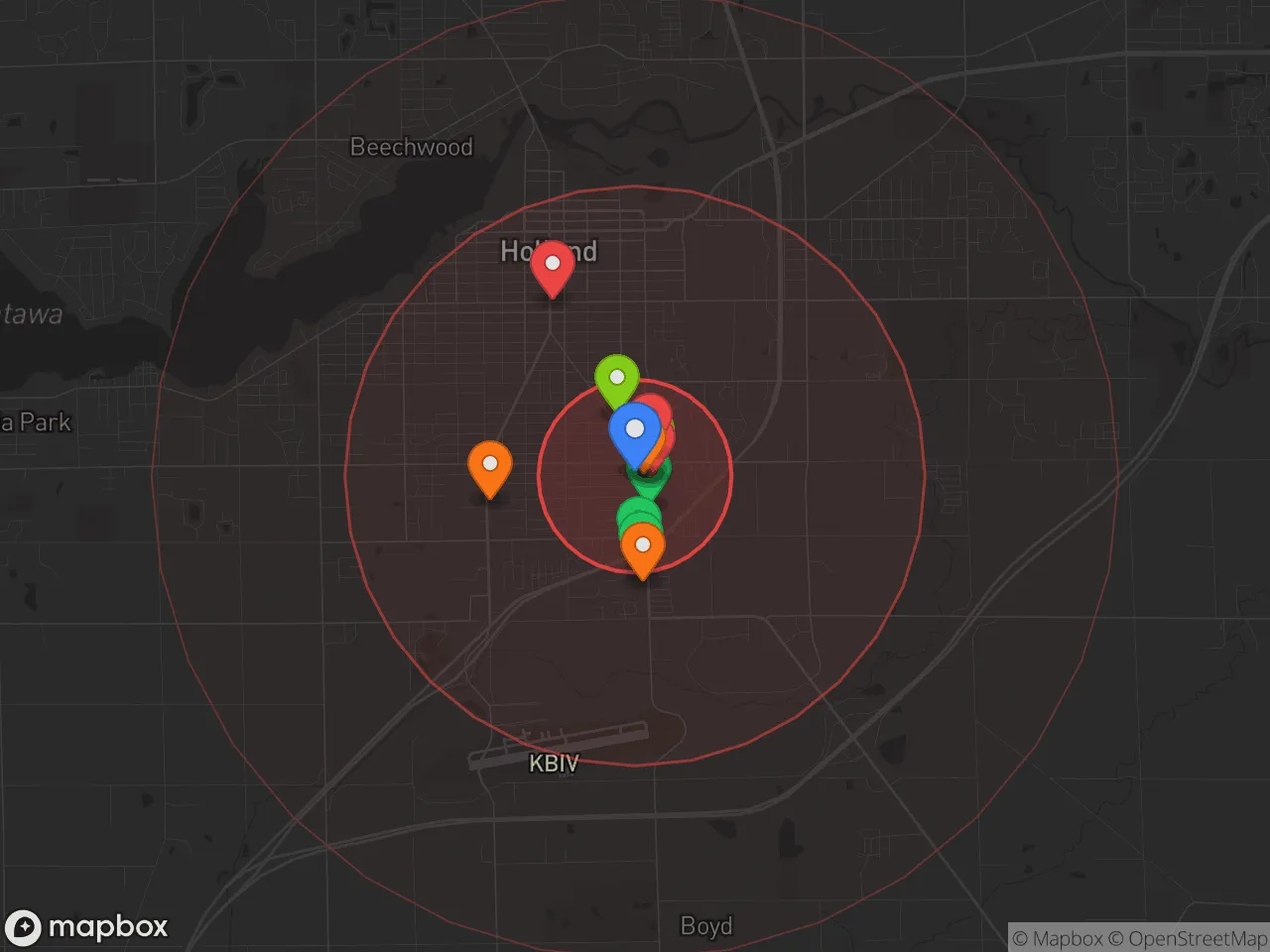
Hobbies
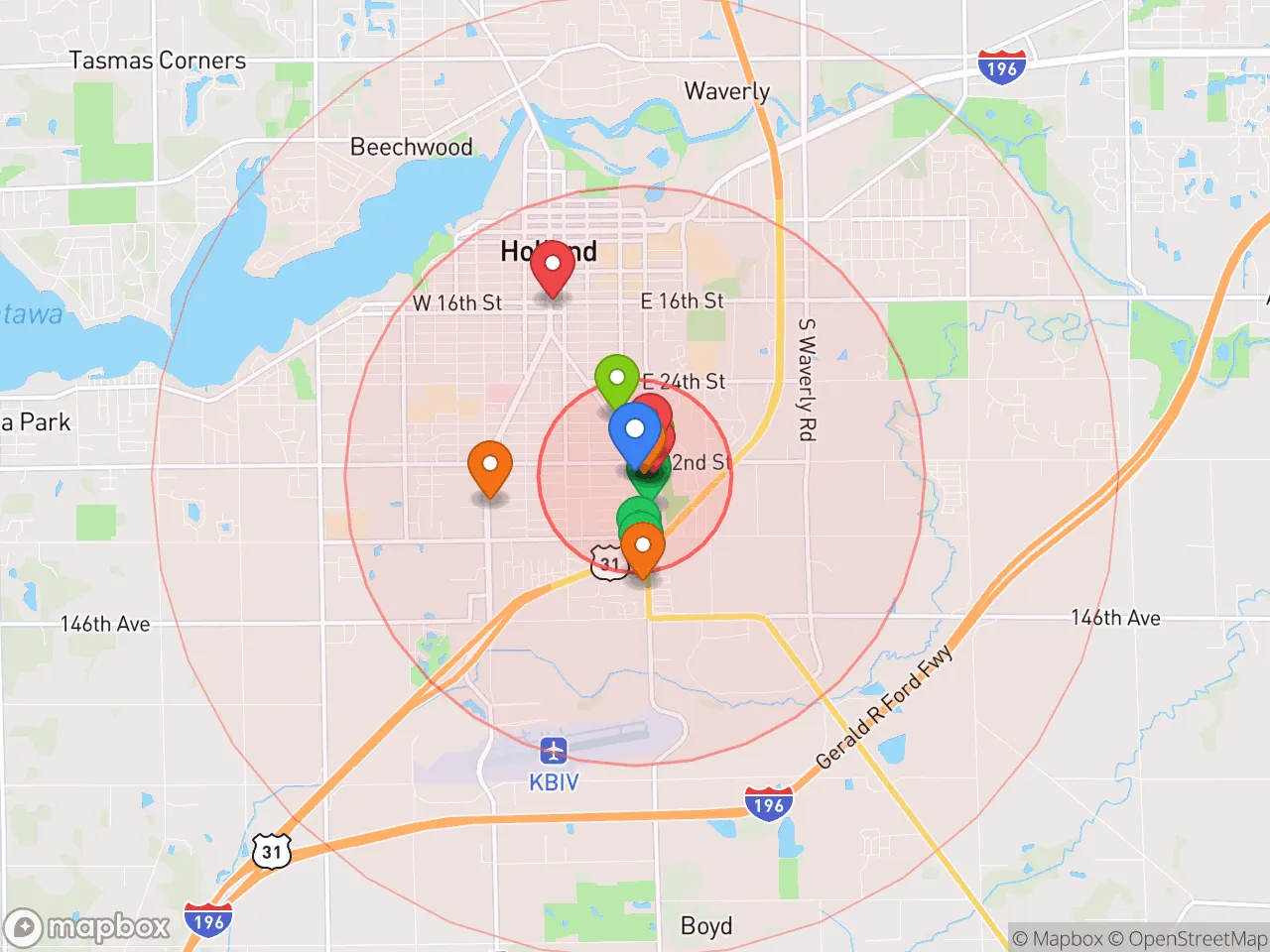
Explore the areaGroceries
5 within 10 miles
Gas
20 within 10 miles
Hospital
4 within 20 miles
Airport
ORD — O'Hare International
Post Office
USPS — Holland, MI
Critical Amenities
Quality-of-Life Analysis
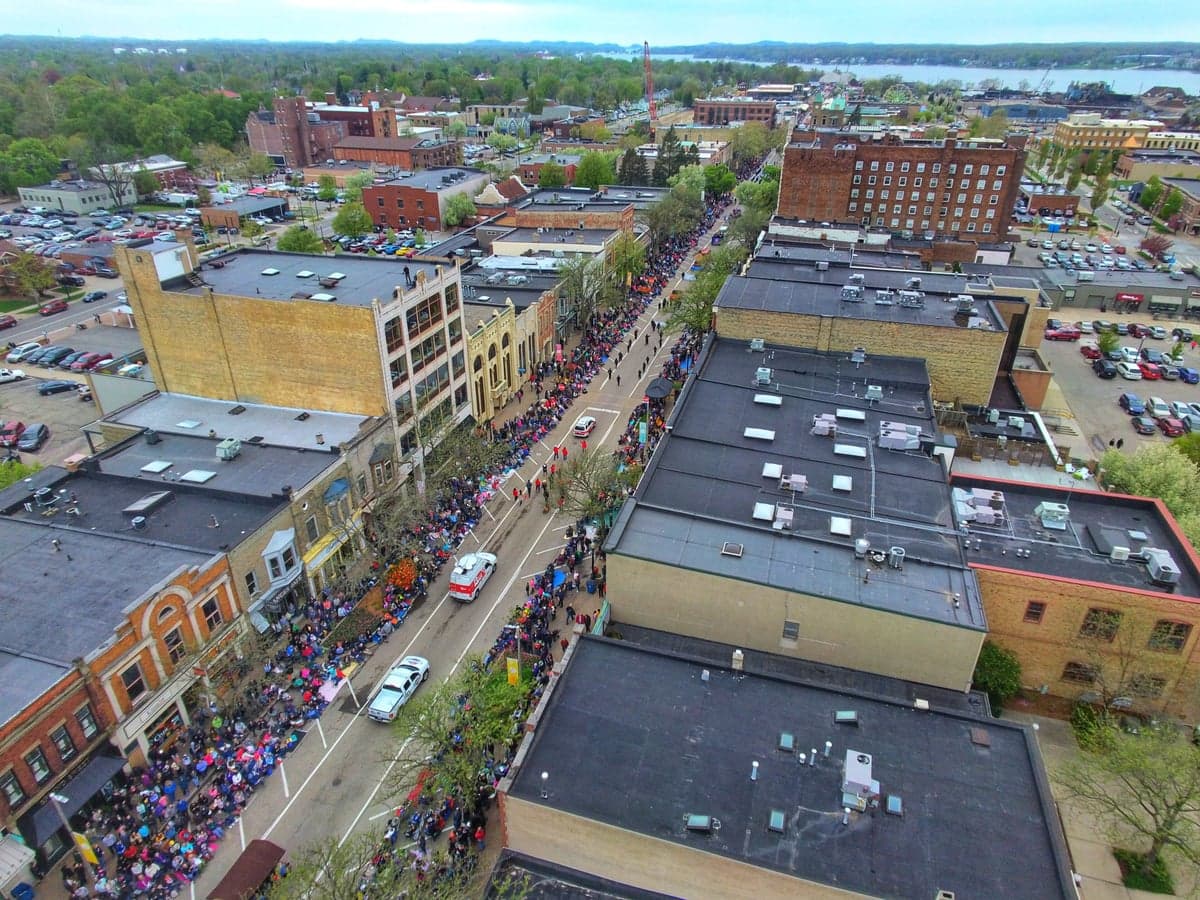
Holland, Michigan, presents a quality of life defined by a blend of Midwestern affordability and lakeshore affluence, attracting a population that skews toward families, retirees, and professionals employed in manufacturing, healthcare, and tourism. The city’s cost of living index of 92 (100 = U.S. average) and a median home value of $235,800 make it notably more accessible than nearby lakeshore communities like Saugatuck or Grand Haven, while still offering a strong sense of place anchored by Lake Michigan and a historic downtown. Residents here tend to value community engagement, outdoor recreation, and a slower pace than the suburban sprawl of Grand Rapids, 30 miles east.
Cost of living and housing affordability compared to nearby lakeshore towns
Holland’s housing market is a key draw for those seeking value along the Lake Michigan shoreline. With a median home value of $235,800 and a median rent of $1,143, the city undercuts pricier neighbors like Saugatuck (median home value above $400,000) and Grand Haven (around $300,000). The overall cost of living index of 92 is 8% below the national average, driven largely by lower housing costs and moderate utility expenses. Property taxes in Ottawa County are competitive, averaging about 1.2% of assessed value, which keeps monthly carrying costs manageable. However, the market has tightened since 2020, with inventory low and homes often selling within 30 days, so buyers should expect competition. Renters face a vacancy rate below 3%, making early lease signing advisable. The average commute of just over 17 minutes is a standout advantage—far shorter than the 25- to 30-minute drives common in Grand Rapids suburbs—allowing residents to reclaim time for family or recreation.
Schools, amenities, and the daily rhythm of life in Holland
Daily life in Holland revolves around a walkable downtown core, a robust public school system, and easy access to Lake Michigan beaches. The Holland Public Schools district serves roughly 6,000 students and maintains a graduation rate above 90%, with strong programs in STEM and the arts at Holland High School. Private options include Holland Christian Schools and Zeeland Christian, both within a 10-minute drive. Amenities are concentrated along 8th Street, where independent bookstores, farm-to-table restaurants, and the Holland Farmers Market (May through October) anchor weekend routines. The city’s 30-plus parks include the 200-acre Windmill Island Gardens and the 4-mile Lakeshore Trail, which connects to Tunnel Park and the Lake Michigan shoreline. Cultural life is shaped by the annual Tulip Time Festival (attracting 500,000 visitors) and the Holland Symphony Orchestra, while the Holland Civic Center hosts concerts and community events year-round. For daily errands, grocery options include a Meijer supercenter and a local Fresh Thyme, with most shopping within a 10-minute drive. The rhythm is notably unhurried: restaurants close by 9 p.m. on weeknights, and the city’s quiet streets reflect a family-oriented, safety-conscious atmosphere.
Holland is best suited for families seeking strong schools and a low-crime environment, retirees drawn to lakeside living without the premium price tag, and professionals in manufacturing (Haworth, Herman Miller, LG Energy Solution) or healthcare (Holland Hospital) who value a short commute. The city’s conservative-leaning politics and predominantly Christian cultural fabric may feel less welcoming to younger singles or those seeking a more diverse, nightlife-driven urban experience. For anyone prioritizing affordability, outdoor access, and a tight-knit community within an hour of Grand Rapids, Holland offers a compelling, grounded quality of life.

Crime in Holland, MI
Lower crime rates than 80% of comparable U.S. locations.
Violent CrimeViolent Crime Analysis
Property CrimeProperty Crime Analysis
Crime Analysis
Holland, Michigan, presents a mixed safety picture for prospective residents. The city's violent crime rate of 292.7 incidents per 100,000 people is notably lower than the national average, but its property crime rate of 1,028.6 per 100,000 exceeds both state and national benchmarks. This combination means that while the risk of a violent encounter is relatively low, the likelihood of experiencing theft, burglary, or vandalism is a tangible concern for those considering a move to this Lake Michigan community.
Crime in context
To understand Holland's safety profile, it helps to compare its numbers directly. The city's violent crime rate of 292.7 per 100,000 is roughly 20% below the national average of 369.8 and sits close to Michigan's statewide rate of 270.1. However, the property crime picture is less reassuring. At 1,028.6 per 100,000, Holland's property crime rate is about 30% higher than the national average of 789.0 and significantly above Michigan's rate of 691.9. This disparity is a key factor for anyone evaluating neighborhood safety, as property offenses—particularly larceny and motor vehicle theft—are the most common crimes residents will encounter. The city's location within a larger West Michigan metro area, combined with the influence of progressive judicial philosophies in Ottawa County's court system, can contribute to a revolving-door justice approach that may embolden repeat property offenders.
What residents experience
Daily life in Holland for most residents does not involve violent crime, but property crime is a recurring nuisance. Common reports include theft from vehicles, package theft from porches, and bicycle theft, especially near the downtown area and the Hope College campus. The city's police department has responded with targeted patrols and community awareness campaigns, but the volume of property crime remains a persistent issue. Residents often cite the need for secure parking, well-lit properties, and neighborhood watch participation as practical necessities. The progressive policies of local prosecutors, who may prioritize diversion programs and reduced sentencing for non-violent offenders, mean that many property criminals face minimal consequences, increasing the likelihood of repeat offenses in the same areas.
Neighborhood-level variation is significant in Holland. The central downtown core and areas immediately surrounding the college see higher rates of theft and vandalism due to foot traffic and transient populations. In contrast, the outlying residential neighborhoods—such as those near Lake Macatawa or the Waukazoo Woods area—report far fewer incidents. The city's south side, closer to the industrial corridor along US-31, has historically shown elevated property crime numbers. Prospective residents should examine block-level crime maps and speak with local real estate agents to identify the safest pockets, as the difference between a quiet suburban street and a higher-risk block can be stark within just a few minutes' drive.
* Values derived from national, state, county, city and local statistics and may differ in a specific area. Last updated: 2026-04-29T18:11:04.000Z
Narrative content on this page is AI-generated and may contain mistakes. Verify any details that matter before acting on them.
ReloMaps may earn a commission from affiliate links at no extra cost to you.

