Photo: Wikipedia
Find The Best Places To Live
in Holland
PRO TIP! You can paste a Zillow or Redfin link to get info on that property.
What It's Like Living in Holland, MI
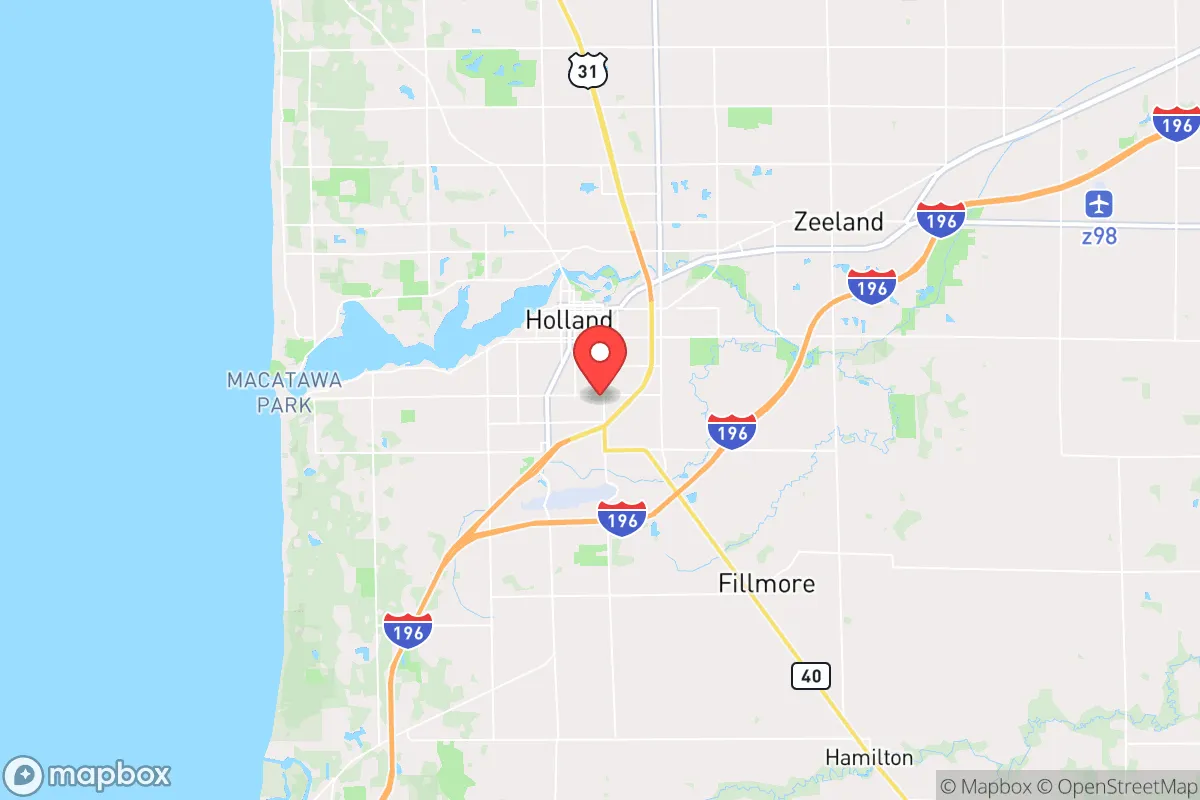
If you mention Holland, Michigan, most people picture tulips and windmills—and sure, those are real. But living here day-to-day is less about the tourist postcards and more about a small city that balances Midwestern practicality with a surprising amount of youth and energy. With a population just over 34,000 and a median age of 32, Holland feels younger than many West Michigan towns, thanks largely to Hope College and a growing base of young professionals. It’s the kind of place where you can walk downtown for coffee, know your neighbors by name, and still be twenty minutes from Lake Michigan beaches—but also where the local culture is shaped by a strong Dutch Reformed heritage that not everyone immediately clicks with.
Daily Rhythm: What People Actually Do
Most mornings in Holland start with a commute that averages about 17 minutes—short enough that you can run home for lunch. The biggest employers are Herman Miller (furniture design), Haworth (office furniture), and the local hospital system, so a lot of people work in manufacturing, healthcare, or education. After work, you’ll find folks at the New Holland Brewing Company on 8th Street, grabbing a pint of Dragon’s Milk or a wood-fired pizza, or at the Holland Farmers Market on Saturday mornings, which runs from May through October and is genuinely one of the best in the region. Weekends often involve a trip to Holland State Park for the beach or a hike through the dunes at Saul Minard Woods. The Macatawa River runs through town, and kayaking or paddleboarding is common in warmer months. For groceries, most people hit Meijer or the local DeBoer Bakkerij for Dutch letters and banket—a pastry that’s a local obsession.
Sports, Festivals, and the Big Events
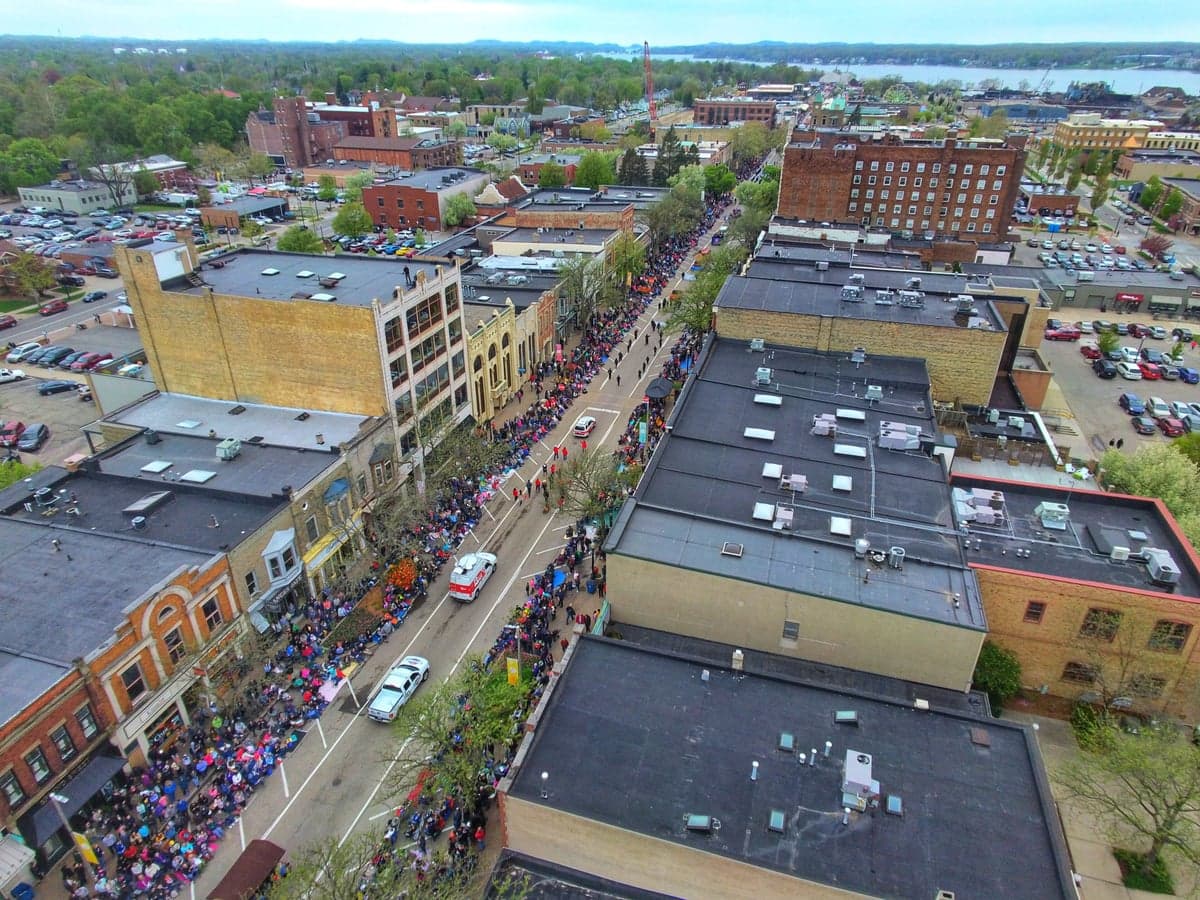
Sports here are a big deal, but not in a major-league way. Hope College athletics dominate the local scene—especially football and basketball games at Ray & Sue Smith Stadium, where the stands fill up on fall Saturdays. There’s no pro team closer than Grand Rapids (about 30 minutes north), so high school sports also get serious attention; Holland High School and West Ottawa High School rivalries are genuine community events. The biggest cultural draw is Tulip Time, a week-long festival in early May that brings in over 500,000 visitors. Locals have mixed feelings—it’s crowded and shuts down downtown, but it also funds a lot of city programs. Other standout events include the Holland Civic Theatre productions and the Venetian Festival in July, which features a parade of lit boats on Lake Macatawa. Music-wise, the Park Theatre on 8th Street hosts national acts, and the Holland Symphony Orchestra offers classical performances at the Jack H. Miller Center.
Who Fits In—and Who Might Struggle
Holland works best for people who value community over anonymity. The median household income is about $73,000, and the cost of living is 8% below the national average, so a middle-class lifestyle is achievable. Home values average around $236,000, which is affordable compared to much of the country, though prices have risen steadily since 2020. The kind of person who thrives here is often a young family, a Hope College grad who stayed, or a professional in manufacturing or healthcare who wants a slower pace but still wants access to city amenities. The violent crime rate is 292.7 per 100,000—slightly above the national average, but most of it is concentrated in specific areas, and the overall feel is safe. What frustrates some longtime residents is the cultural homogeneity; the Dutch Reformed influence is strong, and if you’re not part of that church network, it can feel a little insular. Bars close early (last call at 2 a.m., but many places shut down by midnight), and the social scene can be quiet outside of college events. Winters are real—lake-effect snow means you’ll shovel from November through March, and the gray can wear on you.
Pros and Cons of Living Here
- Pro: Access to Lake Michigan. You’re 20 minutes from some of the best beaches in the state, with no crowds outside of summer weekends.
- Pro: Strong local economy. Furniture manufacturing and healthcare provide stable jobs, and the unemployment rate is consistently low.
- Pro: Good schools. Holland Public Schools and West Ottawa are well-regarded, and Hope College gives the area a college-town feel.
- Con: Limited nightlife. If you want live music past 11 p.m. or a diverse bar scene, you’re driving to Grand Rapids.
- Con: Winter is long. Average snowfall is around 80 inches, and the lake-effect can make roads treacherous.
- Con: Cultural insularity. The Dutch Reformed heritage is a big part of local identity, and newcomers who aren’t religious or who come from different backgrounds sometimes feel like outsiders.
Overall, Holland is a solid, livable small city with a strong sense of place. It’s not for everyone—if you crave constant stimulation or a diverse urban environment, you’ll chafe. But if you want a community where you can buy a house without breaking the bank, raise kids in a safe environment, and spend weekends on the water or at a farmers market, it’s hard to beat. The tulips are just the garnish.

Similar towns to Holland
* Values derived from national, state, county, city and local statistics and may differ in a specific area. Last updated: 2026-04-29T18:11:04.000Z
Narrative content on this page is AI-generated and may contain mistakes. Verify any details that matter before acting on them.
ReloMaps may earn a commission from affiliate links at no extra cost to you.

