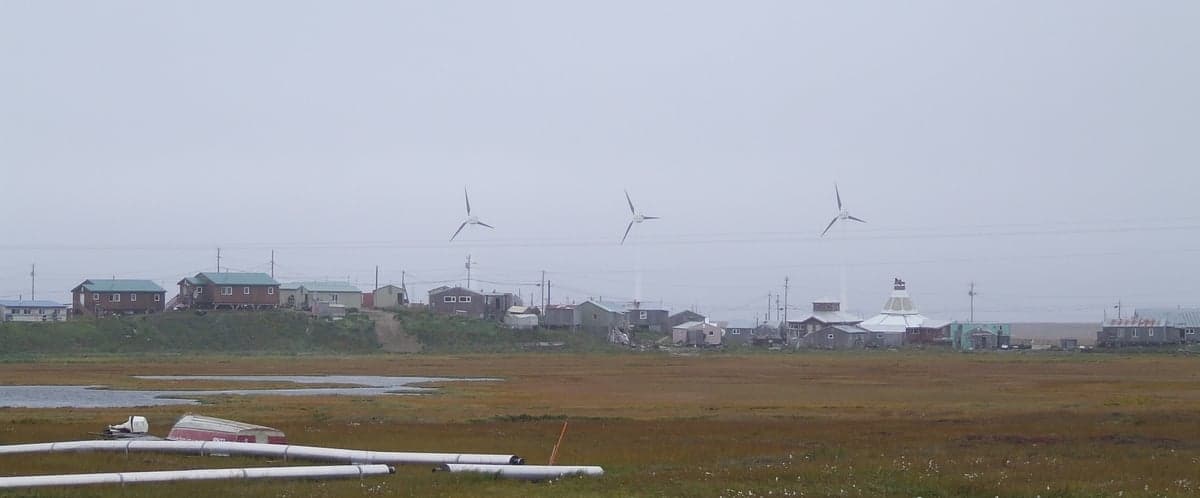
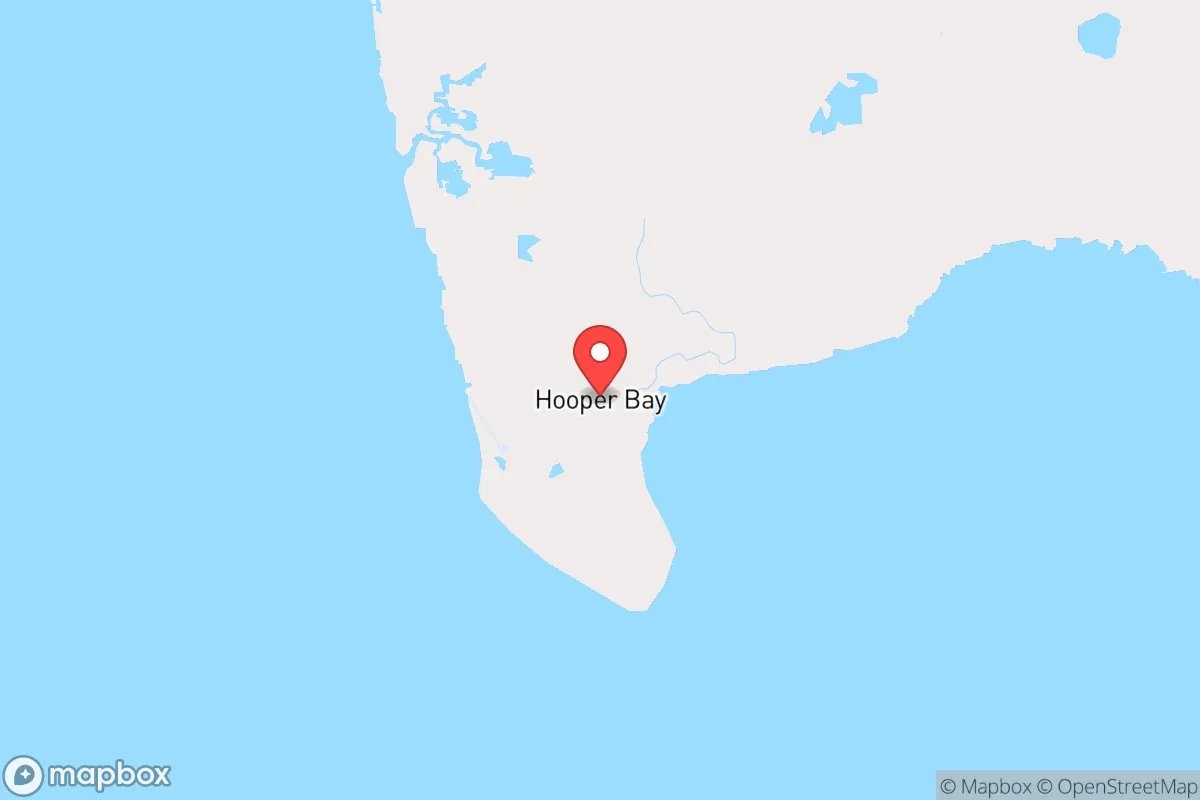
Photo: Wikipedia
Quality of Life in Hooper Bay, AK
A livable area that tracks near national norms for affordability, walkability, and neighborhood health.
What does Quality of Life tell us?
Quality of Life blends cost of living, nearby amenities, socioeconomic signals, and neighborhood character. City-level scores represent the whole municipality; individual neighborhoods can differ.
What does this tell us?
Quality of Life blends cost of living, nearby amenities, socioeconomic signals, and neighborhood character. City-level scores represent the whole municipality; individual neighborhoods can differ.
Cost of Living
38% below national average
The Real Cost of Living in Hooper Bay, AK for 2026
| Tier | Individual | Family (4) |
|---|---|---|
| Survival | $13k | $24k |
| Comfortable | $55k | $81k |
| Luxury | $85k+ | $132k+ |
58%
The Area Signal
A metric tracking the socioeconomic signals of the area.


Limited data for this area
Limited data for this area
Hobbies
Explore the areaGroceries
1 within 10 miles
Gas
0 within 10 miles
Hospital
0 within 20 miles
Airport
Hooper Bay Airport
Post Office
USPS — Hooper Bay, AK
Critical Amenities
Quality-of-Life Analysis
Hooper Bay, a remote Yup'ik community on Alaska's western coast, is not an affluent area by conventional economic measures, but it possesses a distinct quality of life rooted in cultural richness and subsistence living. The population is predominantly Alaska Native, with a strong emphasis on traditional values, community interdependence, and a deep connection to the Bering Sea and tundra environment. This is a place where wealth is measured in family ties, harvested food, and cultural knowledge rather than disposable income, attracting those who prioritize heritage and self-sufficiency over urban conveniences.
Cost of living, housing affordability, and how Hooper Bay compares to nearby communities
With a cost of living index of 62 (100 = US average), Hooper Bay appears significantly cheaper than the national norm, but this figure is misleading due to the extremely high cost of goods in remote Alaska. While the index suggests affordability, essentials like food, fuel, and utilities are dramatically more expensive because nearly everything must be flown or barged in. The median home value of $333,300 is surprisingly high for a rural village, reflecting the scarcity of housing and the high construction costs in a region with permafrost and no road access. In contrast, the median rent of $725 is relatively low, though rental units are very limited. Compared to nearby communities like Chevak or Scammon Bay, Hooper Bay's housing values are similar, but all are far more expensive than the national average when adjusted for income levels. The average commute of 4.87 minutes is essentially a walk or short ATV ride across the village, a stark contrast to the long drives typical in urban Alaska.
Local amenities, schools, and what daily life is really like
Daily life in Hooper Bay revolves around subsistence activities—fishing for salmon and herring, hunting seals and waterfowl, and gathering berries and greens. The community has a small grocery store, a health clinic, a post office, and a school (Hooper Bay School, part of the Lower Yukon School District, serving grades K-12). There are no restaurants, movie theaters, or shopping centers; entertainment comes from community events, potlatches, and outdoor pursuits. The school is the social and educational hub, offering a curriculum that blends state standards with Yup'ik language and culture. Internet and cell service are available but can be unreliable and expensive. The rhythm of life is dictated by the seasons and the weather, with winter bringing long periods of darkness and extreme cold, while summer offers nearly 24-hour daylight for intensive harvesting. For those accustomed to modern conveniences, the lack of paved roads, running water in many homes, and limited medical services can be challenging.
Hooper Bay is a place for individuals and families who are deeply committed to Yup'ik traditions, subsistence living, and a close-knit community. It is not suited for those seeking career opportunities, material comforts, or urban amenities. People who thrive here are resilient, resourceful, and value cultural preservation over economic gain. Teachers, healthcare workers, and public servants who are willing to embrace a remote, culturally immersive lifestyle will find a welcoming community, but the adjustment requires significant adaptability and respect for local customs. For anyone seeking a modern, convenience-oriented life, Hooper Bay would be a difficult fit; for those drawn to a life of purpose, tradition, and connection to the land, it offers an unparalleled experience.

Crime in Hooper Bay, AK
Higher crime rates than 66% of comparable U.S. locations.
Violent CrimeViolent Crime Analysis
Property CrimeProperty Crime Analysis
Crime Analysis
Hooper Bay, a remote Alaska Native village on the Bering Sea coast, faces significant public safety challenges, with crime rates that substantially exceed both state and national averages. The community of roughly 1,400 residents reports a violent crime rate of 726.6 per 100,000 people and a property crime rate of 1,909.5 per 100,000, placing it among the higher-crime communities in the Yukon-Kuskokwim Delta region. These figures reflect a reality where safety is a daily concern, shaped by the village's isolation, limited law enforcement resources, and socioeconomic factors common to rural Alaska.
Crime in context
Hooper Bay's violent crime rate is nearly double the national average of roughly 380 per 100,000 and significantly above Alaska's statewide rate of approximately 640 per 100,000. The property crime rate, while high, is closer to Alaska's average of about 2,200 per 100,000 but still exceeds the national figure of roughly 1,950 per 100,000. These numbers are particularly stark given the village's small population, meaning a single incident can dramatically skew annual statistics. The Alaska Department of Public Safety and the local tribal police—the Hooper Bay Police Department—are the primary law enforcement agencies, but response times can be delayed due to the village's remote location and limited staffing. The region's justice system, operating under state and tribal frameworks, has faced criticism for progressive sentencing approaches that some argue prioritize offender rehabilitation over public safety, potentially contributing to repeat offenses and a sense of impunity among some individuals.
What residents experience
For those living in Hooper Bay, crime is not an abstract statistic but a tangible part of daily life. Violent offenses, including assault and sexual assault, are the most frequently reported serious crimes, often linked to alcohol abuse and domestic disputes. Property crimes like burglary and theft are also common, with homes and vehicles frequently targeted, especially during the long winter months when darkness and isolation provide cover. Residents often report a heightened sense of vigilance, with many securing their homes with extra locks and avoiding walking alone at night. The village's close-knit nature means that victims and offenders are often known to each other, which can complicate reporting and prosecution. The lack of a local jail means that those arrested are often transported to Bethel or even Anchorage, a costly and time-consuming process that can deter victims from coming forward.
Neighborhood-level variation
While Hooper Bay is a small, compact village without clearly defined neighborhoods, safety does vary by proximity to the village core and the school. The area around the Hooper Bay School and the main community center tends to see more foot traffic and informal surveillance, offering a slightly lower risk of property crime. In contrast, the outskirts of the village, particularly homes near the coastline or along the less-traveled roads, experience higher rates of burglary and vandalism. The village's single road network means that most homes are within a short walk of each other, but the lack of street lighting and the presence of abandoned buildings create pockets of higher risk. Overall, the entire community is affected by the same underlying issues, and no area is considered truly safe from the prevalent crime challenges.
* Values derived from national, state, county, city and local statistics and may differ in a specific area. Last updated: 2026-04-19T19:22:32.000Z
Narrative content on this page is AI-generated and may contain mistakes. Verify any details that matter before acting on them.
ReloMaps may earn a commission from affiliate links at no extra cost to you.

