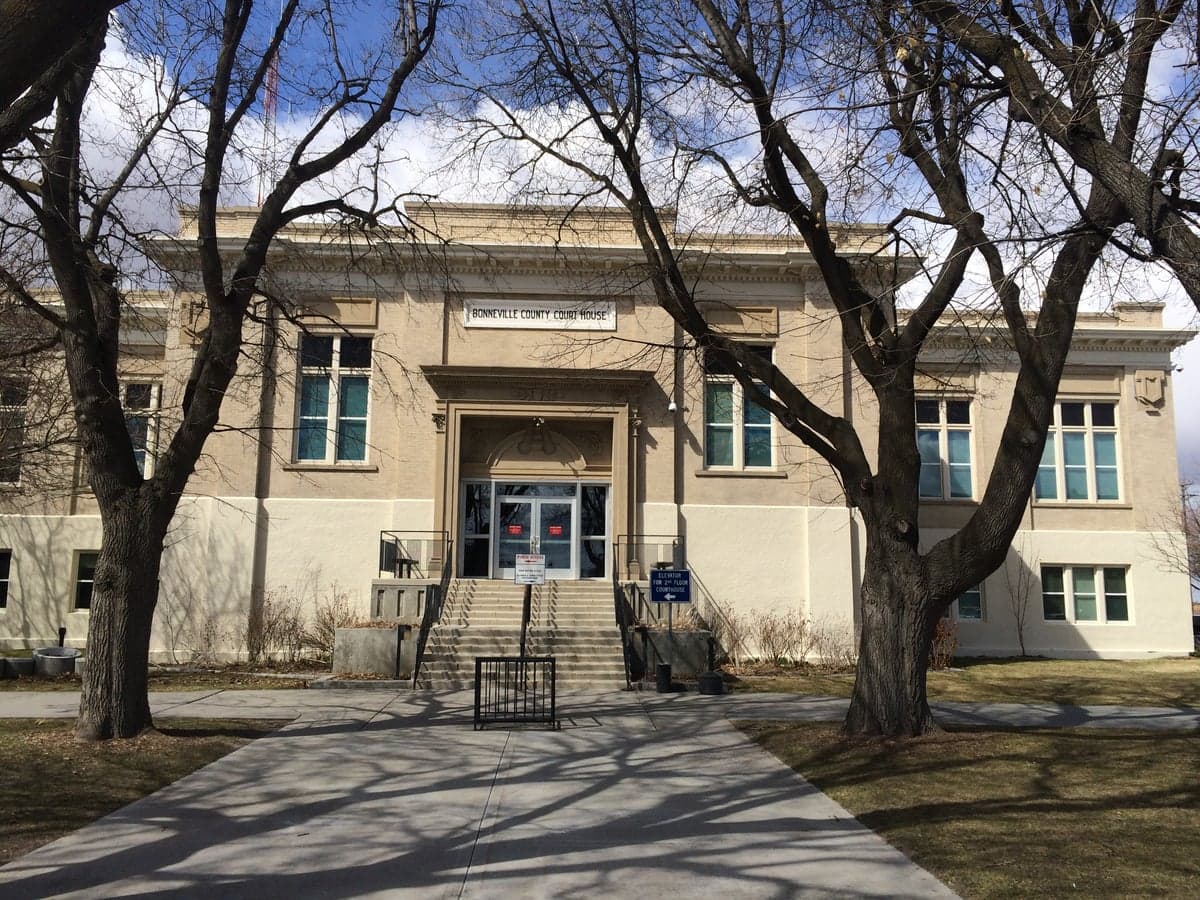
Photo: Wikipedia
Quality of Life in Bonneville County
A livable area that tracks near national norms for affordability, walkability, and neighborhood health.
What does Quality of Life tell us?
Quality of Life measures an area by evaluating factors like cost of living, nearby amenities, country club access, airport proximity, socioeconomic signals and neighborhood character. For large states, this is a general average — quality of life can vary dramatically between metro areas, suburbs, and rural communities within the same state.
What does this tell us?
Quality of Life measures an area by evaluating factors like cost of living, nearby amenities, country club access, airport proximity, socioeconomic signals and neighborhood character. For large states, this is a general average — quality of life can vary dramatically between metro areas, suburbs, and rural communities within the same state.
Cost of Living
1% above national average
82%
The Real Cost of Living in Bonneville County for 2026
| Tier | Individual | Family (4) |
|---|---|---|
| Survival | $17k | $32k |
| Comfortable | $64k | $93k |
| Luxury | $129k+ | $199k+ |
| Elite (Top 5%) | $151k+ | $235k+ |
Quality-of-Life Analysis
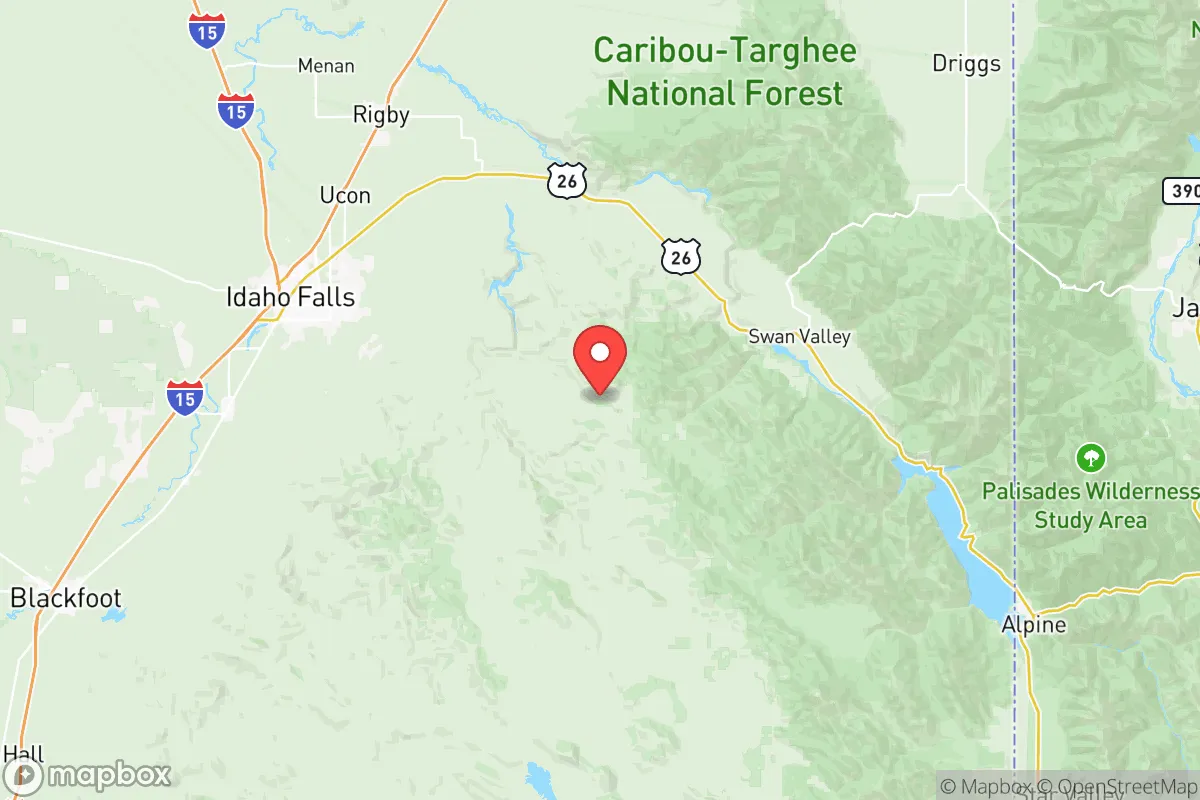
Bonneville County, anchored by Idaho Falls but stretching into the Snake River Plain and the Caribou-Targhee National Forest foothills, offers a quality-of-life spectrum that ranges from dense suburban convenience to remote agricultural solitude. The county’s overall cost of living index sits at 101 (on par with the U.S. average), with a median home value of $327,000 and median rent of $1,054, but those numbers mask significant variation between its population centers and its rural pockets. Residents self-select into different parts of the county based on whether they prioritize walkable downtowns, acreage for farming, or quick access to the region’s outdoor recreation.
Largest town(s) & population centers
Idaho Falls is the county’s undisputed hub, home to roughly 67,000 people and the region’s primary employment, retail, and healthcare center. Daily life here revolves around the Snake River Greenbelt, a 5-mile paved trail system that connects the downtown core to parks, the Idaho Falls Zoo at Tautphaus Park, and the historic Colonial Theater. The city’s downtown has seen a revival of locally owned restaurants and breweries, while the Grand Teton Mall and surrounding commercial corridors on 17th Street and Hitt Road provide big-box retail. Commute times average just under 21 minutes countywide, and Idaho Falls residents typically enjoy that figure or slightly less, as most jobs in healthcare (Mountain View Hospital, Eastern Idaho Regional Medical Center), education (College of Eastern Idaho), and the Idaho National Laboratory are within a 15-minute drive. The Ammon area, immediately east of Idaho Falls, functions as a fast-growing bedroom community with newer subdivisions, big-box shopping along Lincoln Road, and a more family-oriented, suburban feel. Together, Idaho Falls and Ammon concentrate the county’s densest housing stock, with median home values near the county average and rents slightly above it.
Smaller towns & rural pockets
South of Idaho Falls, Iona (pop. ~2,700) and Ucon (pop. ~1,200) are classic farming communities where residents trade city amenities for larger lots and quieter streets. Iona’s historic Main Street still has a grain elevator and a handful of local businesses, while Ucon is largely residential with a strong LDS church presence and a volunteer fire department. Further east, Swan Valley (pop. ~200) sits at the mouth of the Snake River Canyon, a gateway to the Palisades Reservoir and the Caribou-Targhee National Forest. Life there is oriented around fishing, hunting, and seasonal tourism, with no grocery store or gas station within town limits—residents drive 30–40 minutes to Idaho Falls for supplies. To the west, Ririe (pop. ~700) straddles the Jefferson County line and offers a mix of small farms and commuter homes, with a median home value roughly 15% below the county average. Unincorporated areas like Beach Corner and Osgood are little more than crossroads with scattered ranch houses, where residents rely on well water and septic systems and may drive 20 minutes to the nearest paved road.
Cost & lifestyle range
The cost spread across Bonneville County is driven almost entirely by lot size and proximity to Idaho Falls. At the high end, newer subdivisions in Ammon’s “Lion’s Park” area and custom homes along the Snake River in Idaho Falls’ west side command prices above $450,000, with some riverfront properties exceeding $600,000. These areas offer walkability to parks and schools but still require a car for most errands. At the low end, older homes in Iona’s original townsite and manufactured homes in Ririe can be found for under $250,000, though buyers often inherit aging infrastructure or well-water systems. Rentals follow a similar pattern: a two-bedroom apartment in Idaho Falls averages $1,054, while a comparable unit in Swan Valley or rural Ucon may rent for $800–$900 but come with a longer commute and fewer nearby services. Property taxes are relatively low across the county (roughly 0.7% of assessed value), but rural residents pay more in transportation costs—the average commute of 21 minutes masks a tail of 35–45 minute drives for those living in the county’s far eastern or western edges.
Bonneville County works best for people who value a clear trade-off: urban convenience and employment density in Idaho Falls and Ammon, versus space, quiet, and lower housing costs in Iona, Ucon, Ririe, or Swan Valley. Families with school-age children often gravitate to Ammon for its newer schools and shorter bus routes, while retirees and remote workers increasingly buy acreage in the Swan Valley corridor for its mountain views and recreation access. The county’s overall affordability relative to the rest of the Mountain West—median home values are roughly half of Boise’s and a third of Salt Lake City’s—means that even the pricier neighborhoods remain accessible to dual-income households earning the regional median of $68,000. Those who thrive here are typically self-reliant, comfortable with a car-dependent lifestyle, and willing to drive 20–40 minutes for a sit-down restaurant or a medical specialist.

Crime in Bonneville County
Lower crime rates than 76% of comparable U.S. locations.
Violent CrimeViolent Crime Analysis
Property CrimeProperty Crime Analysis
Crime Analysis
Bonneville County, anchored by Idaho Falls, reports a violent crime rate of 216.9 per 100,000 residents and a property crime rate of 611.7 per 100,000, placing it in a moderate safety tier within the state. While these figures are below the national average for violent crime, they are notably higher than the Idaho state average, meaning residents face a slightly elevated risk compared to rural or smaller counties. The county’s safety picture is uneven, with significant variation between the more urbanized Idaho Falls area and its smaller, quieter communities like Ammon and Iona.
Crime in context
Bonneville County’s violent crime rate of 216.9 per 100K is roughly 40% lower than the national average but sits about 20% above the Idaho state average of roughly 180 per 100K. Property crime, at 611.7 per 100K, is similarly positioned: below the national figure but above the state’s typical rate. This pattern is common for counties containing a regional economic hub—Idaho Falls draws commerce and population, which in turn attracts more property crime and occasional violent incidents. By comparison, neighboring Jefferson County to the north and Bingham County to the west report lower crime rates, reflecting their more rural character. The Bonneville County Sheriff’s Office and Idaho Falls Police Department have maintained clearance rates near the state average for violent offenses, but property crime clearance lags, a challenge shared by many mid-sized jurisdictions.
What residents experience
Daily life in Bonneville County is shaped by a mix of urban and suburban realities. Idaho Falls, the county seat and largest city, sees the bulk of reported crime, particularly in areas near the downtown core and along the Yellowstone Highway corridor. Residents there report occasional vehicle break-ins and theft from unlocked cars, a common property crime pattern. In contrast, the city of Ammon—a fast-growing suburb east of Idaho Falls—enjoys a violent crime rate roughly half the county average, with most incidents limited to minor theft. Iona, a small town of about 2,000, consistently records the lowest crime rates in the county, often with zero violent crimes reported in a given year. The county’s judicial system, overseen by the Seventh Judicial District, has a reputation for moderate sentencing; however, some residents express concern that progressive-leaning policies in the Idaho Falls city prosecutor’s office have led to more plea deals and reduced charges for repeat property offenders, a trend that frustrates victims and business owners. The Bonneville County Sheriff has publicly emphasized a “law and order” approach, but the county’s larger urban jurisdiction remains a point of caution for families seeking safer neighborhoods.
Neighborhood-level variation is pronounced. The safest areas are generally the newer subdivisions in Ammon and the rural outskirts near Iona and Ucon, where community watch programs are active and response times from the Sheriff’s Office are under 10 minutes. Higher-risk zones include the central Idaho Falls neighborhoods around Broadway Street and the area near the Snake River landing, where transient populations and late-night activity correlate with elevated theft and assault reports. For those relocating, the data suggests that choosing a home in Ammon or Iona offers a statistically safer daily experience, while Idaho Falls proper requires more vigilance, especially regarding property crime. Overall, Bonneville County is a reasonably safe place to live, but the gap between its safest and least safe neighborhoods is wider than many newcomers expect.
* Values derived from national, state, county, city and local statistics and may differ in a specific area. Last updated: 2026-06-04T21:37:24.000Z
Narrative content on this page is AI-generated and may contain mistakes. Verify any details that matter before acting on them.
ReloMaps may earn a commission from affiliate links at no extra cost to you.

