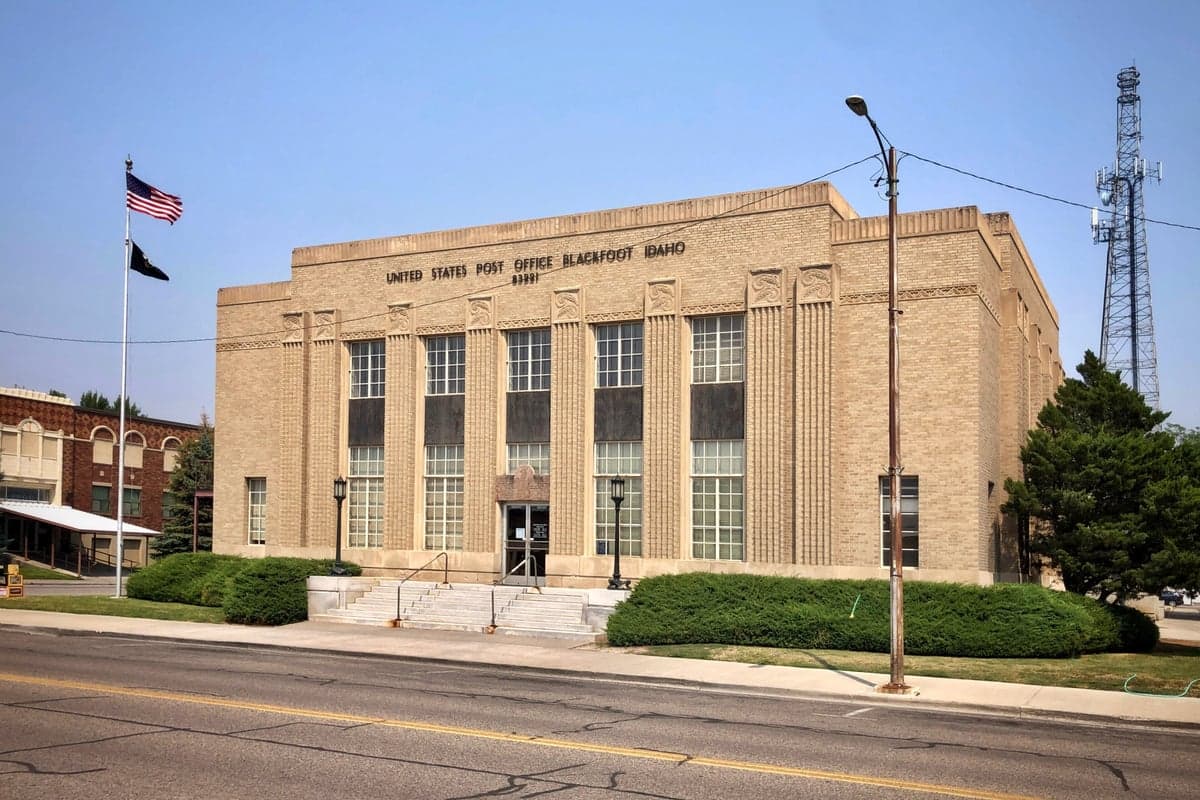
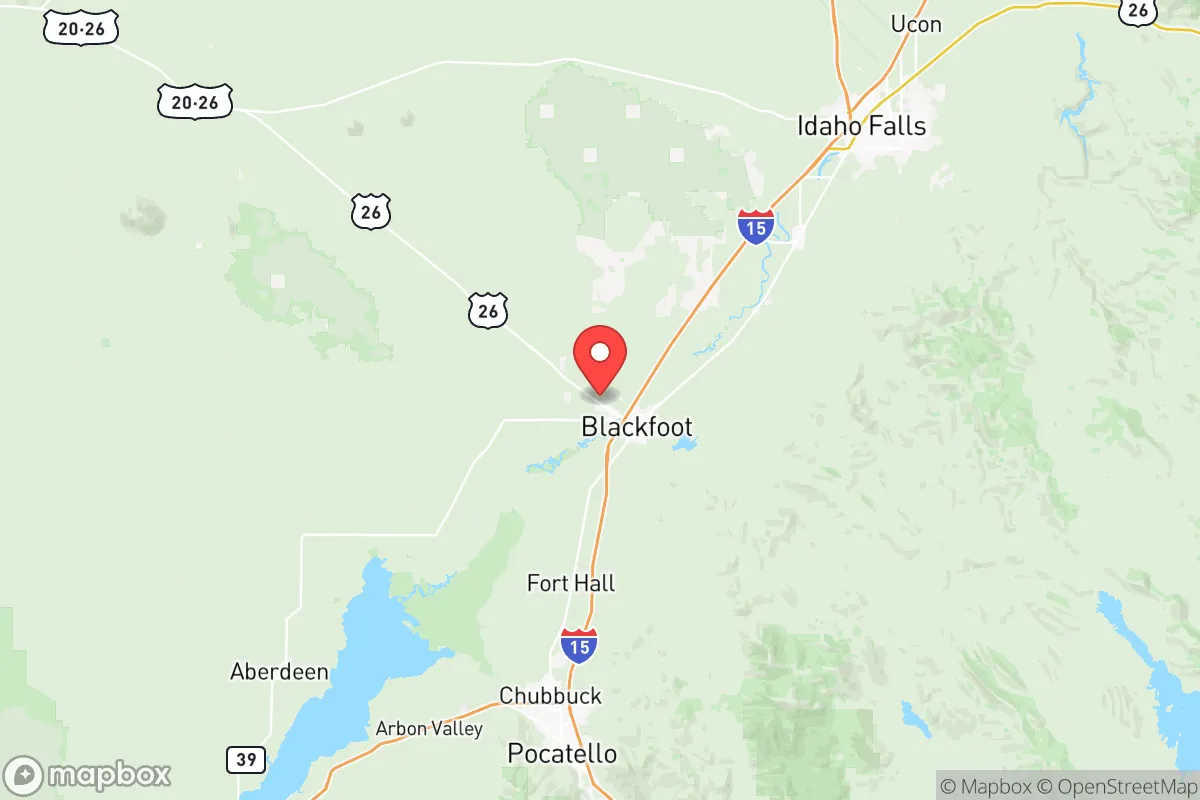
Photo: Wikipedia
Find The Best Places To Live in Bingham County
PRO TIP! You can paste a Zillow or Redfin link to get info on that property.
Best Places to Live in Bingham County
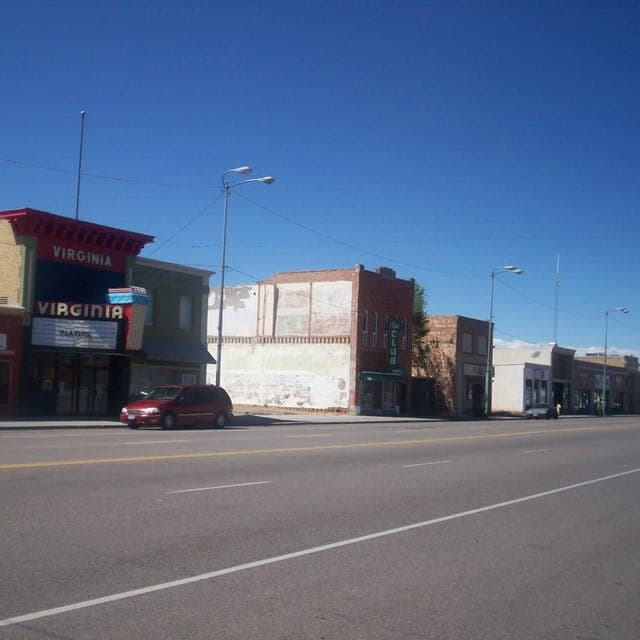
Cities & Towns in Bingham County
Cities in Bingham County
What It's Like Living in Bingham County, ID
Living in Bingham County means settling into a place where the pace of life is dictated by the seasons and the school calendar, not by rush-hour traffic. Spread across the Snake River Plain, the county is anchored by the city of Blackfoot, with smaller communities like Shelley, Firth, and Aberdeen offering their own distinct flavors. It’s a region where the median age hovers around 34.8, reflecting a mix of young families and established residents, and where the cost of living index sits at 80—well below the national average—making it a practical choice for those who value affordability and space over urban amenities.
Daily Rhythm and Where People Actually Go
Most days in Bingham County revolve around work, school, and the outdoors. The average commute is just under 22 minutes, which means people in Blackfoot can get to their jobs at the Idaho National Laboratory or the local hospital without the grind of a long drive. Shelley residents often head to the grocery co-op or the local hardware store, while families in Firth might spend a Saturday morning at the Firth Community Park before grabbing lunch at a diner like the Firth Cafe. Shopping is practical—think Walmart in Blackfoot for basics, but locals also frequent the Bingham County Farmers Market during summer for fresh produce and handmade goods. Evenings are often spent on front porches or at high school sporting events, which are a genuine social hub.
The kind of person who fits in here is someone who doesn’t mind a slower rhythm and values self-reliance. With a median income of $76,842 and a median home value of $258,000, the county attracts blue-collar workers, small business owners, and remote professionals who want a lower cost of living. It’s not a place for those seeking nightlife or high-end dining; instead, it suits people who prioritize a safe environment for kids, a tight-knit community, and easy access to hunting, fishing, and hiking. The violent crime rate of 215.5 per 100,000 is slightly above the national average, but residents often point out that most incidents are concentrated in specific areas and that the overall feel is one of security, especially in smaller towns like Shelley or Aberdeen.
Sports, Community, and the Big Events
High school sports are the main event here. The Blackfoot Broncos and the Shelley Russets draw big crowds on Friday nights, with football and basketball games serving as weekly social gatherings where you’ll see three generations of families. The rivalry between Blackfoot and Shelley is genuine but good-natured, and it’s not unusual for a game to be the talk of the town for days. Beyond the gridiron, the county hosts the Eastern Idaho State Fair in Blackfoot every September—a major draw that brings in rodeo events, carnival rides, and 4-H competitions. It’s the kind of event that defines the fall season and gives locals a reason to stick around rather than drive to Idaho Falls.
Outdoor recreation is a quieter but equally important part of life. The Snake River runs through the county, offering fishing spots near the Blackfoot River access points, while the nearby Caribou-Targhee National Forest provides hiking and camping for those willing to drive 30 minutes east. In winter, snowmobiling and ice fishing are popular, though the weather can be harsh—winters are cold and snowy, with temperatures often dropping below zero, while summers are hot and dry, hitting the 90s. The seasonal rhythm is something residents either love or tolerate, but it shapes the calendar: spring is for planting gardens, fall is for harvest and fair season, and winter is for hunkering down.
What Works, What Grates, and the Local Character
The biggest pro is the affordability. A home in Blackfoot or Shelley costs roughly $258,000 on average, which is a fraction of what you’d pay in Boise or even Idaho Falls. That low cost of living—80 on the index—means a middle-class income goes further, and many families can afford a house with land. The schools, particularly in Shelley and Blackfoot, are deeply integrated into community life, with parent involvement high and extracurriculars well-supported. The downside? Job diversity is limited. The largest employers are the Idaho National Laboratory, the school districts, and agriculture (potatoes and wheat dominate the fields around Aberdeen and Firth). If you’re not in those fields, you might find yourself commuting to Idaho Falls or Pocatello, which adds 30-40 minutes each way.
Another frustration is the lack of entertainment options. There’s no major music venue, no shopping mall, and only a handful of bars—like the Silver Spur in Blackfoot or the Rusty Nail in Shelley—that serve as social anchors. For a night out, many residents drive 30 minutes to Idaho Falls for restaurants or movies. The cultural quirk here is a strong sense of self-reliance and neighborly help; if someone’s roof needs fixing or a harvest needs bringing in, people show up. It’s also a politically conservative area, with a noticeable Latter-day Saint influence that shapes community events and Sunday rhythms. Only about 20.8% of adults hold a college degree, which reflects the blue-collar backbone of the economy, but it also means that professional networking can be thin outside of the lab or healthcare.
For a single person, the social scene can feel limited unless you’re into outdoor sports or church groups. For parents, it’s a different story: the schools, the low crime in most neighborhoods, and the abundance of open space make it a solid place to raise kids. The honest trade-off is that you trade convenience and variety for space and community. If you’re looking for a place where you know your neighbors, where the fair is the highlight of the year, and where a 22-minute commute feels long, Bingham County delivers.

* Values derived from national, state, county, city and local statistics and may differ in a specific area. Last updated: 2026-05-28T09:33:10.000Z
Narrative content on this page is AI-generated and may contain mistakes. Verify any details that matter before acting on them.
ReloMaps may earn a commission from affiliate links at no extra cost to you.

