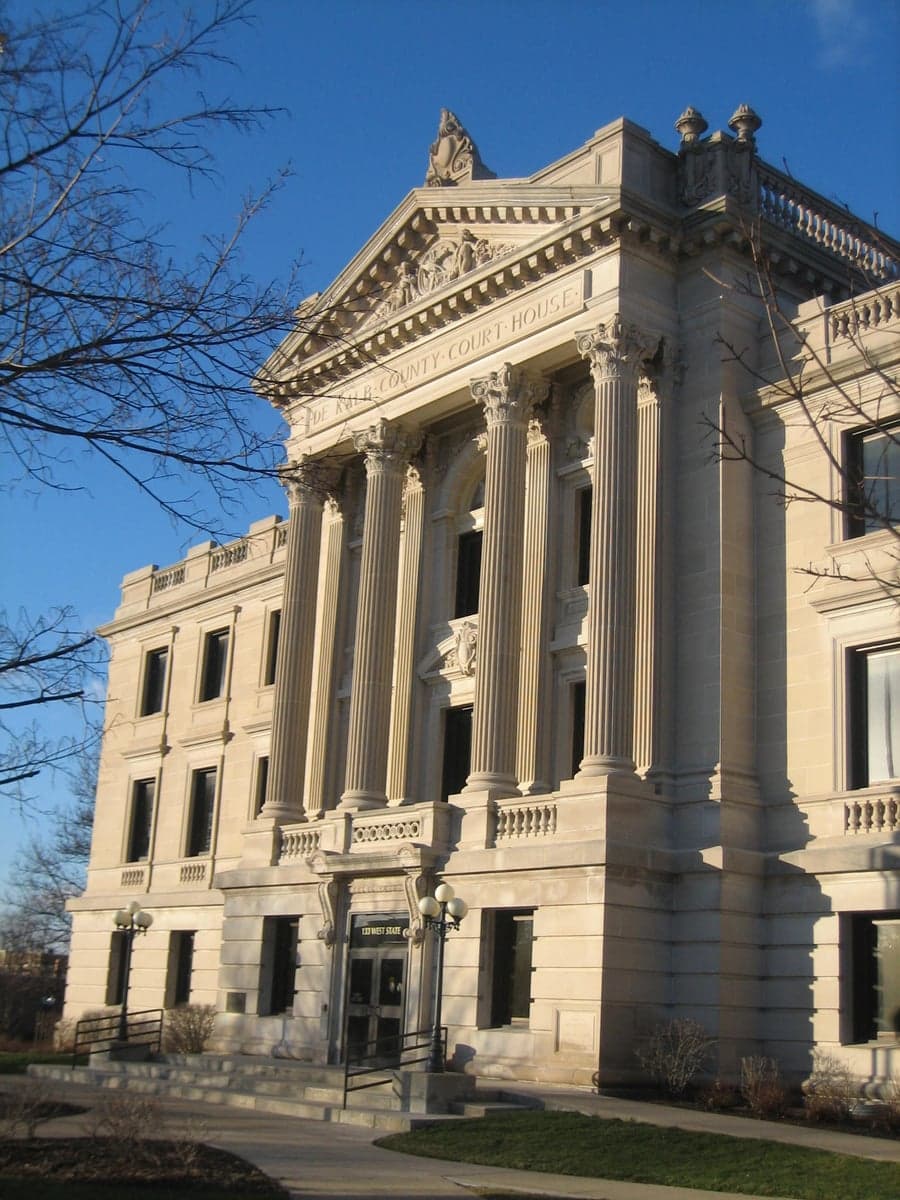
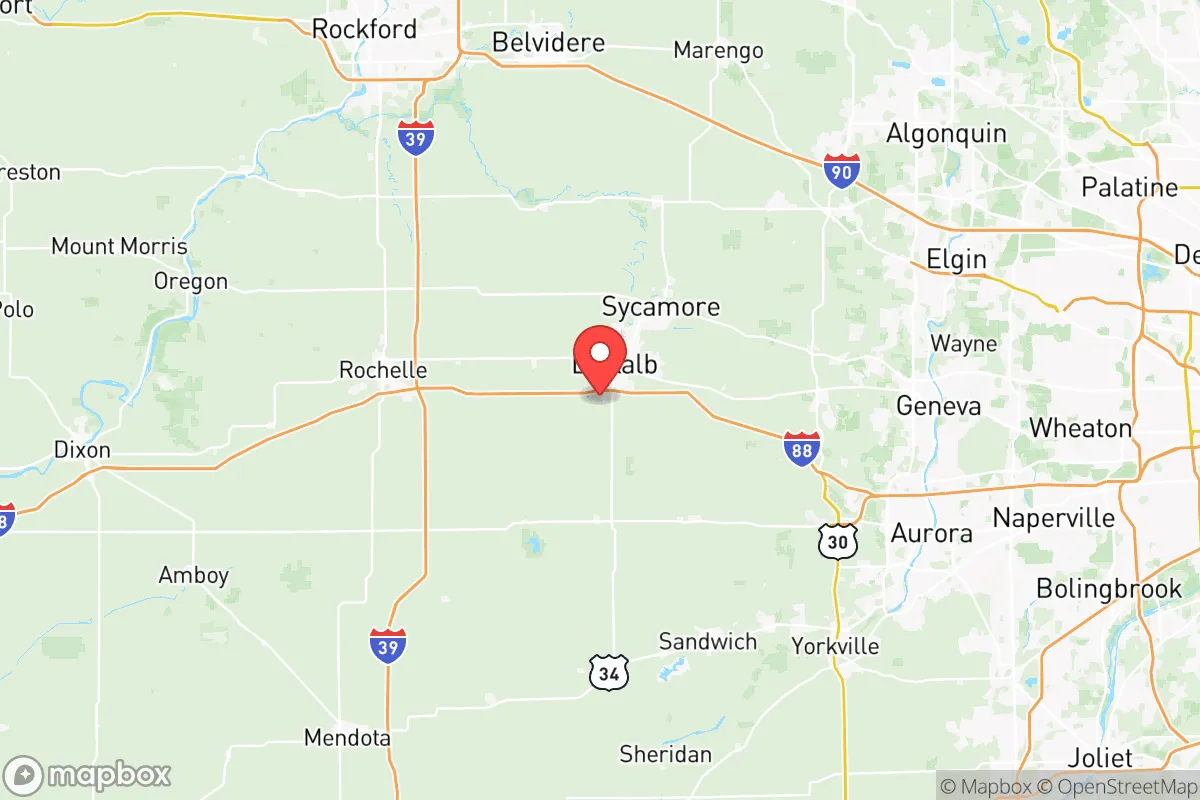
Photo: Wikipedia
Find The Best Places To Live in Dekalb County
PRO TIP! You can paste a Zillow or Redfin link to get info on that property.
Best Places to Live in Dekalb County
Cities & Towns in Dekalb County
Cities in Dekalb County
What It's Like Living in Dekalb County, IL
Dekalb County feels like a place caught between two worlds—the quiet, open farmland that still defines much of its landscape, and the steady hum of Northern Illinois University that anchors its largest city. Living here means getting used to a rhythm that shifts depending on whether you're in downtown Dekalb, the smaller towns like Sycamore or Genoa, or out past the cornfields near Waterman. It's a county where people know each other, where high school football on a Friday night still draws a crowd, and where the cost of living lets you breathe a little easier than in the Chicago suburbs an hour east.
Daily Rhythm: Where You Shop, Eat, and Spend Your Weekends
A typical day in Dekalb County moves at a slower pace than what you'd find in Naperville or Aurora. Most grocery shopping happens at the local Jewel-Osco or the Hy-Vee in Sycamore, though the Dekalb Farmers Market on Saturdays in the summer draws a loyal crowd for local produce and baked goods. For a night out, locals gravitate toward places like Fatty's Pub & Grille in Dekalb for burgers and a beer, or the more upscale Tapa La Luna for tapas and live music. In Sycamore, the Sycamore Family Restaurant is a breakfast staple, and the old-school vibe at The Junction Bar & Grill keeps regulars coming back. Weekends often mean a trip to the Kishwaukee River for kayaking or fishing, or a drive out to the Russell Woods Forest Preserve for hiking trails that feel a world away from the campus bustle. The county's median age of 32.6 reflects the student population, but outside of Dekalb proper, you'll find families and retirees who've been here for decades.
Sports, Community, and the NIU Factor
Northern Illinois University isn't just a school—it's the cultural and economic engine of the county. Huskie football games at Huskie Stadium bring in crowds from across the region, and the energy on game days spills into downtown Dekalb bars like The House Cafe and Otto's Nightclub. High school sports are a bigger deal than you might expect: Sycamore High School's football team has a strong following, and the rivalry between Dekalb High School and Sycamore High School is genuine, with packed bleachers and local pride on the line. For a smaller town feel, Genoa-Kingston High School's teams draw solid support from the surrounding rural areas. The county's median income of $69,022 is modest, but the cost of living index at 87 means that money goes further than it would in most of the country—a key reason why families priced out of DeKalb County's closer-in suburbs sometimes land here.
What's There to Do: Festivals, Parks, and Local Hangouts
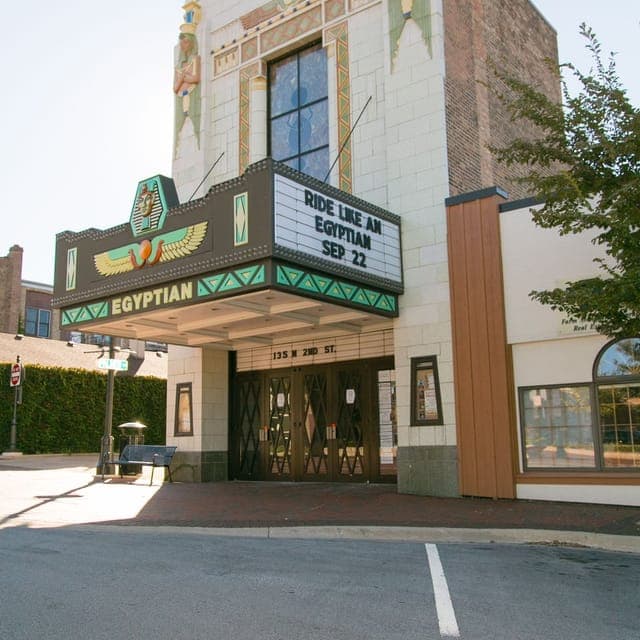
The biggest annual event is the Sycamore Pumpkin Festival in October, a tradition that's been running for over 60 years and draws thousands for the parade, carnival, and pumpkin-themed contests. In Dekalb, the Corn Fest in late August is a three-day block party with live music, a car show, and enough fried food to feed an army. For outdoor recreation, the Kishwaukee River Forest Preserve offers canoeing and birdwatching, while the Great Western Trail runs through the county for biking and walking. The Egyptian Theatre in downtown Dekalb is a restored 1920s movie palace that hosts concerts, films, and live theater—a surprising cultural gem for a county of 100,512 people. If you're into hunting or fishing, the rural areas near Waterman and Kingston have public access spots that see regular use. The county's violent crime rate of 241.9 per 100,000 is slightly above the national average, but most residents will tell you it's concentrated in specific areas near campus, not a countywide concern.
Pros and Cons of Living Here
- Pro: Affordable housing. The median home value of $231,900 is well below the national average, and you can find a decent three-bedroom in Sycamore or Genoa for under $250,000. Rents are also reasonable, especially compared to the Chicago metro.
- Pro: Low cost of living. With a cost of living index of 87, everyday expenses like groceries, utilities, and gas are noticeably cheaper than in most of Illinois. That $69,022 median income stretches further here than it would in DuPage County.
- Pro: Strong community feel. People know their neighbors. The county's small towns—places like Waterman, Kingston, and Malta—have a genuine small-town character that's hard to find closer to the city.
- Con: Limited job opportunities outside of NIU. The university is the largest employer, and while there are manufacturing jobs (like at the Nestlé plant in DeKalb), white-collar professionals often commute to the suburbs or Chicago. The average commute of 26.7 minutes is manageable, but it's a reality for many.
- Con: Weather extremes. Winters are cold and snowy, with lake-effect snow sometimes piling up. Summers can be humid and buggy. The seasonal rhythm is real—you'll spend months indoors if you're not prepared.
- Con: Not much nightlife for young singles. Outside of the college bars in Dekalb, options are limited. If you're not a student or a parent, the social scene can feel thin, especially in the winter.
The kind of person who fits in here is someone who values space, affordability, and a slower pace over urban amenities. It's a good fit for families who want a yard and a good school district without a six-figure mortgage, or for NIU faculty and staff who want to live near work. Single professionals without a connection to the university might find it quiet, but the low cost of living means you can save aggressively or buy a house outright. The county's 32.7% college-educated rate is driven largely by the university, so there's a solid base of educated residents, but it's not a place where you'll find a thriving startup scene or a bustling arts district. What you get instead is a straightforward, no-fuss lifestyle—one where a Friday night might mean a high school football game, a beer at a local pub, or a quiet evening at home with the windows open to the sound of crickets from the fields beyond.

* Values derived from national, state, county, city and local statistics and may differ in a specific area. Last updated: 2026-05-29T18:24:21.000Z
Narrative content on this page is AI-generated and may contain mistakes. Verify any details that matter before acting on them.
ReloMaps may earn a commission from affiliate links at no extra cost to you.

