 Popular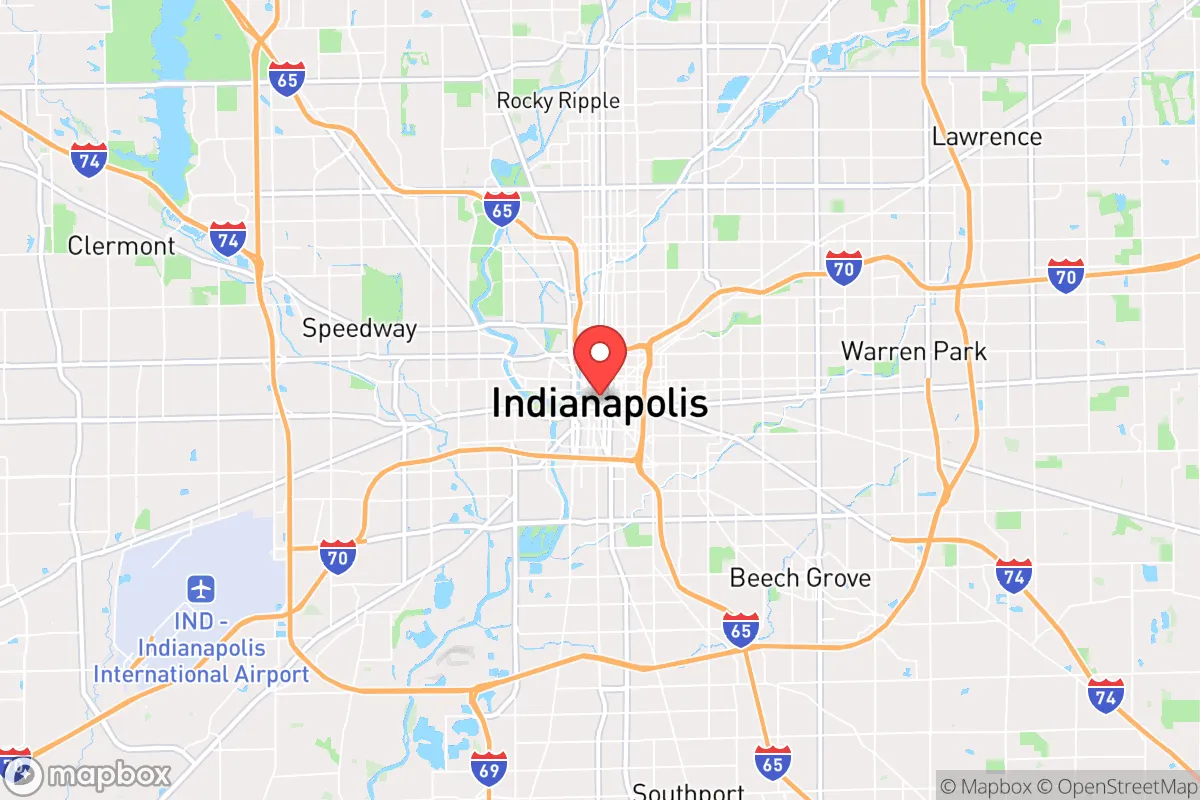
Photo: Wikipedia
Personal Sovereignty in Indianapolis, IN
Viable for self-reliance. Generally workable, though some barriers may limit total independence.
What does Personal Sovereignty tell us?
Personal Sovereignty measures your capacity for self-reliance and independence with minimal government friction. Higher scores mean fewer barriers between you and the way you want to live... but it assumes you have the space you need and good neighbors.
What does this tell us?
Personal Sovereignty measures your capacity for self-reliance and independence with minimal government friction. Higher scores mean fewer barriers between you and the way you want to live... but it assumes you have the space you need and good neighbors.
State Policy
Energy independence: Importer (35% of energy produced in-state)
Personal Liberty
Homesteading

Personal Liberty Analysis
Indianapolis offers a mixed bag for those prioritizing personal sovereignty, with Indiana’s generally conservative state laws providing a solid baseline for autonomy, but the city’s own governance and demographic pressures creating friction points that demand careful navigation. For the survivalist or prepper mindset, the Hoosier state’s constitutional carry, low property taxes, and right-to-work status are strong draws, but Marion County’s local ordinances, urban density, and progressive lean in certain pockets mean you can’t just assume the whole area is a libertarian haven. The key is understanding where state-level protections end and city-level overreach begins—because in a crisis, that gap can make or break your self-reliance strategy.
Tax burden and regulatory posture: how much the state and city take from your wallet and freedom
Indiana’s tax structure is relatively friendly to personal sovereignty, with a flat state income tax of 3.05% (scheduled to drop to 2.9% by 2027) and property taxes capped at 1% of assessed value for owner-occupied homes. That cap is a constitutional protection, meaning the city can’t arbitrarily jack up rates to fund pet projects—a real concern in places like Cook County, Illinois, just up the road. However, Indianapolis imposes a combined state and local sales tax of 9%, which is among the highest in the Midwest, and Marion County’s property tax rates can creep higher due to local levies for schools and infrastructure. For a prepper, this means your cost of living is predictable but not negligible; you’ll want to lock in a fixed-rate mortgage and avoid over-improving your property to keep assessments low. Regulatory posture is a mixed signal: Indiana is a right-to-work state, which weakens union power and gives you more hiring flexibility if you run a side hustle or small homestead operation, but Indianapolis has its own building codes and zoning overlays that can complicate off-grid modifications. The city’s permitting process for things like rainwater collection or solar panels is straightforward but not automatic—expect a few hoops, but nothing like the bureaucratic maze of coastal states.
Self-defense and gun law specifics: what you can carry, where, and how to stay legal
Indiana is a constitutional carry state, meaning you can carry a handgun openly or concealed without a permit if you’re 18 or older and legally allowed to possess a firearm. This is a major win for personal sovereignty—no government permission slip required to defend yourself. Indianapolis, however, has local quirks: the city’s parks and public buildings are generally off-limits for carry, and the state preemption law prevents the city from passing its own stricter ordinances, but enforcement can be inconsistent. For example, the Indianapolis Metropolitan Police Department (IMPD) has been known to stop and question carriers in high-crime areas, even if they’re legally armed. Stand-your-ground laws apply statewide, meaning no duty to retreat before using deadly force if you’re in a place you have a right to be. Magazine capacity and firearm types are unrestricted—no bans on AR-15s or standard-capacity mags. For the prepper, this is a green light to build a robust armory, but you should still keep a low profile: Indianapolis has seen a spike in gun thefts from vehicles, so secure storage is non-negotiable. The state also has a red flag law (extreme risk protection order), which allows law enforcement to seize firearms temporarily if a judge deems you a threat—a potential overreach tool that conservatives should monitor, as it’s been used more frequently in Marion County than in rural parts of the state.
Self-reliance and homesteading viability: lot sizes, zoning, and off-grid feasibility
Indianapolis proper is a dense urban core, but the city’s sprawling footprint includes plenty of suburban and even semi-rural pockets within a 20-minute drive of downtown. Lot sizes in the outer neighborhoods like Franklin Township or Decatur Township can range from half an acre to several acres, with some older subdivisions having no HOA restrictions—critical for those wanting to keep chickens, a large garden, or even a small livestock operation. Zoning is the main hurdle: Marion County’s unified development code classifies most residential areas as “urban” or “suburban,” which limits accessory structures like workshops, greenhouses, or detached storage sheds to a certain square footage and setback. Off-grid feasibility is limited but not impossible. Rainwater collection is legal for non-potable uses (irrigation, livestock) without a permit, but you can’t use it for drinking without a separate well permit and treatment system. Solar panels are allowed, but net metering policies are state-regulated and favorable—you can sell excess power back to the grid at retail rates, though the utility (AES Indiana) has been known to drag its feet on interconnection approvals. For a serious prepper, the best bet is to buy on the outskirts of the county, where well and septic are still common, and where you can legally build a root cellar or storm shelter without a zoning fight. The city’s urban agriculture ordinance is surprisingly permissive: you can keep up to four hens (no roosters) on any residential lot, and beekeeping is allowed with a simple registration. But don’t expect to go full homesteader inside the 465 loop—you’ll need to be in unincorporated areas or adjacent counties like Hendricks or Johnson for true self-reliance.
Personal liberties: parental rights, medical autonomy, speech, and property
Indiana has strong parental rights protections, including a law that requires schools to notify parents of any changes in a student’s health or well-being (the “Parental Bill of Rights”), and a ban on gender transition procedures for minors. This is a solid win for families who want to maintain authority over their children’s upbringing without government or school interference. Medical autonomy is more complicated: Indiana has a broad religious exemption for vaccine mandates, but the state’s public health emergency powers were expanded during COVID and haven’t been fully rolled back—meaning the governor could theoretically impose restrictions again. For the prepper, this means stocking up on essential medications and building a relationship with a doctor who respects alternative treatment approaches is wise. Speech protections are strong under the state constitution, and Indianapolis has no local hate speech or “misinformation” ordinances that would chill political or survival-related discussions. Property rights are generally respected, but the city has a controversial “vacant building” ordinance that allows the city to seize and demolish properties deemed blighted—a potential threat if you own a fixer-upper or a bug-out property that looks rundown. The state’s eminent domain laws are limited to public projects, but Marion County has used them aggressively for economic development, so avoid buying land in areas targeted for redevelopment.
Overall, Indianapolis offers a decent baseline for personal sovereignty compared to many blue-state metros, but it’s not a libertarian paradise. The state-level protections—constitutional carry, low taxes, parental rights—give you a solid foundation, but the city’s local governance, urban density, and occasional overreach mean you have to stay vigilant and strategically choose your neighborhood. For a conservative prepper, the best move is to buy on the county’s fringe, keep a low profile, and rely on state law to shield you from city-level nonsense. Compared to Chicago or Portland, you’re in a much stronger position; compared to rural Indiana or Texas, you’re still dealing with some bureaucratic friction. It’s a workable compromise if you’re willing to adapt, but don’t expect to fly completely under the radar.

* Values derived from national, state, county, city and local statistics and may differ in a specific area. Last updated: 2026-09-21T19:36:35.000Z
Narrative content on this page is AI-generated and may contain mistakes. Verify any details that matter before acting on them.
ReloMaps may earn a commission from affiliate links at no extra cost to you.

