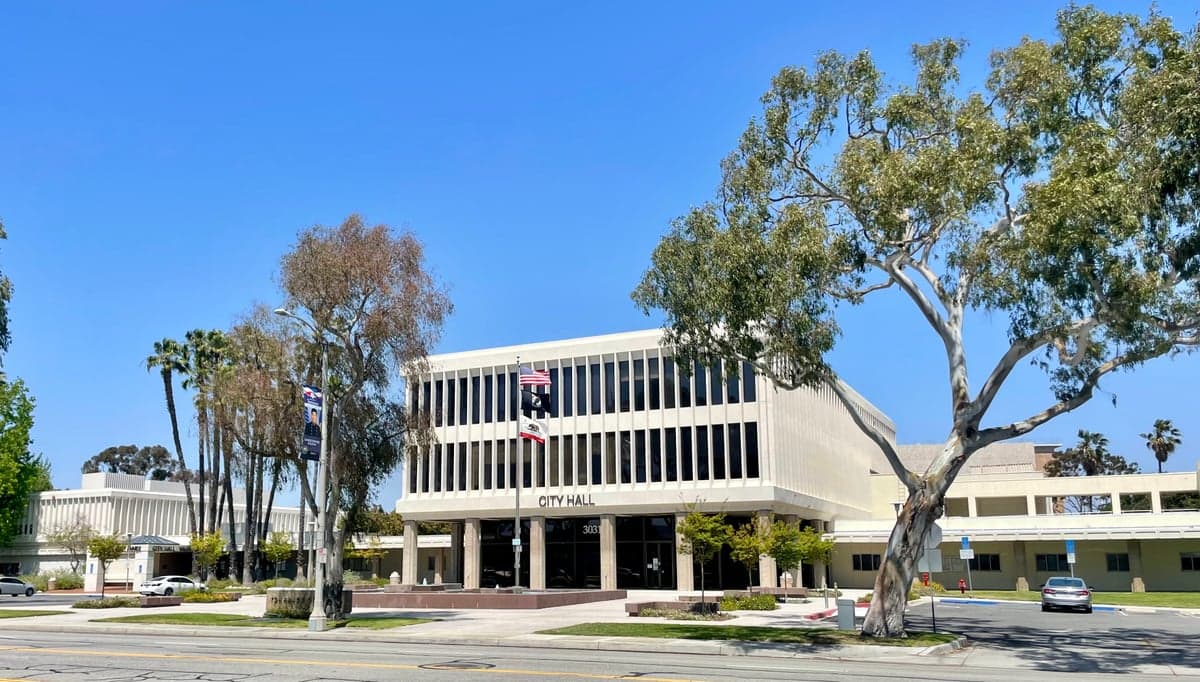
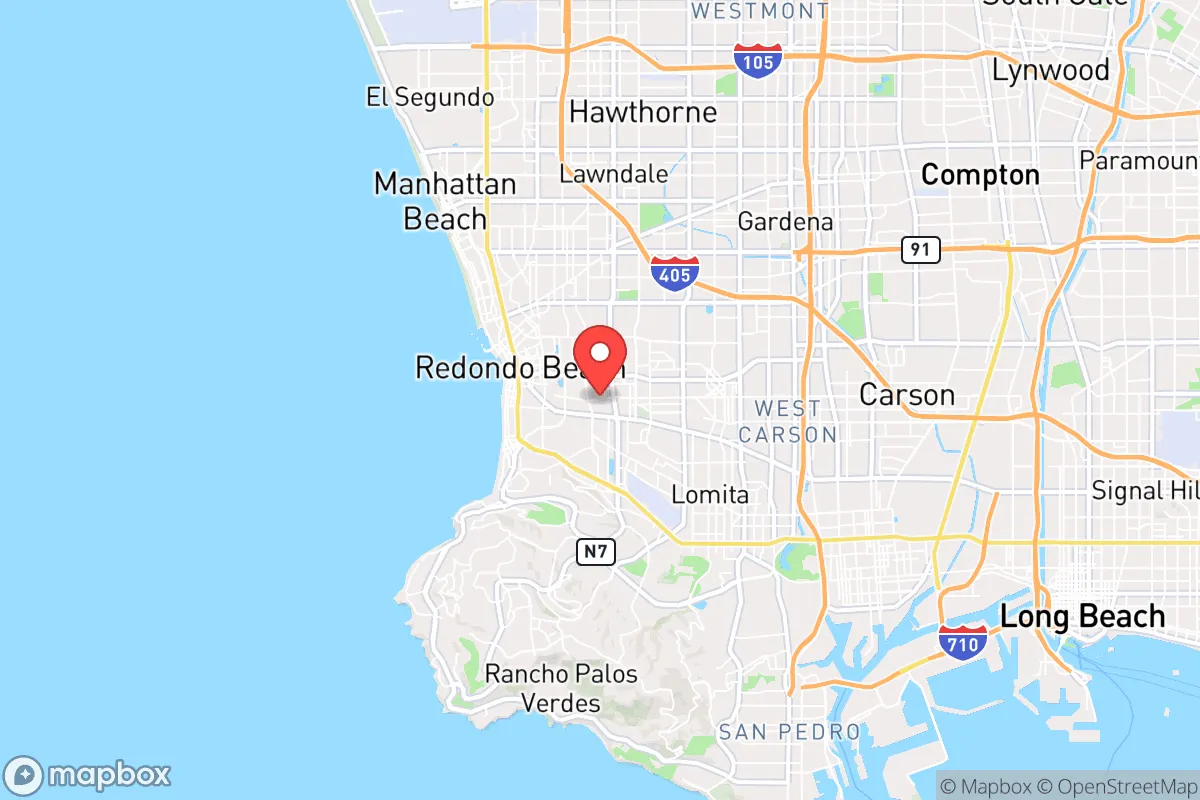
Photo: Wikipedia
Find The Best Places To Live
in Torrance
PRO TIP! You can paste a Zillow or Redfin link to get info on that property.
What It's Like Living in Torrance, CA
Torrance is one of those rare Southern California cities that feels like a self-contained small town, even though it’s home to roughly 143,500 people. It’s not a beach town in the touristy sense, but it’s close enough to the coast that the marine layer burns off by late morning, and the air smells like salt and eucalyptus. The vibe is solidly middle-to-upper-middle class, with a strong Japanese-American cultural thread woven into the fabric, and a reputation for being a place where people actually raise families rather than just pass through on their way to something flashier.
Daily Rhythm: What People Actually Do Here
Life in Torrance moves at a pace that feels deliberate. The average commute clocks in around 27 minutes, which is better than much of Los Angeles County, but still long enough that morning coffee stops at places like King’s Hawaiian Bakery & Restaurant on Sepulveda are a ritual. That bakery is a local landmark—people line up for the sweet bread and the Portuguese sausage breakfast plates, and it’s a genuine gathering spot. Weekends often involve a trip to the Del Amo Fashion Center, one of the largest malls in the country, but locals know the real action is at the farmers’ market on Saturdays at Wilson Park, or grabbing a beer at Smog City Brewing in the industrial-arts district. The median age is 43.1, and you feel it: this is a place where people have settled in, not just landed temporarily. The median household income is $113,105, which supports a lifestyle that includes decent restaurants, regular home maintenance, and the occasional weekend trip to the mountains.
Sports, Schools, and Community Identity
High school sports are a genuinely big deal here. Torrance High School football games on Friday nights draw crowds that include alumni who graduated decades ago, and the rivalry with West Torrance and South Torrance is real—people care. The city also has a strong youth soccer and Little League culture, and the parks are full on weekends with parents coaching from the sidelines. For pro sports, you’re close enough to catch a Dodgers or Lakers game without it being a major production, but the local identity isn’t built around a single pro team. Instead, the community rallies around the Torrance Air Show at Zamperini Field and the annual Lobster Festival at Wilson Park, which is exactly as messy and fun as it sounds. The schools are a major draw: about 53% of adults hold a bachelor’s degree or higher, and the public schools—especially Torrance High and South High—are consistently rated well, which keeps property values high and families invested in the community.
What’s There to Do (and What’s Missing)
Outdoor life is solid but not spectacular. Madrona Marsh is a small nature preserve that feels like a secret—good for a quiet walk or birdwatching—and the beach at Redondo or Hermosa is a 10-minute drive. But Torrance itself doesn’t have a dramatic coastline; it’s more about flat, tree-lined streets and well-maintained parks. The Torrance Cultural Arts Center hosts concerts and plays, and the James R. Armstrong Theatre is a decent mid-sized venue, but if you want big-name music or nightlife, you’re driving to Los Angeles or Long Beach. The restaurant scene is better than you’d expect for a suburb: Mitsuwa Marketplace is a Japanese grocery and food court that draws people from all over the South Bay, and Yamadaya serves ramen that rivals anything in Little Tokyo. For bars, The Standing Room is a tiny burger-and-beer spot that feels like a locals-only club, and HopSaint Brewing Company is a newer addition that’s become a weekend hangout for the 30s-and-40s crowd.
Pros and Cons of Living Here
The honest upsides are clear: good schools, low violent crime relative to the region (308.2 per 100K, which is below the LA County average), a strong sense of community, and weather that rarely dips below 50 or above 85. The downsides are equally real. The cost of living index is 261—more than two and a half times the national average—and the median home value is $1,036,600, which means even dual-income professionals feel the squeeze. Traffic on the 405 and Hawthorne Boulevard is a daily frustration, and the city’s strict zoning and slow development mean that finding a rental or a starter home is genuinely competitive. Some longtime residents also grumble that Torrance can feel a bit insular—if you didn’t grow up here, it takes effort to break into social circles. But for the kind of person who values stability, good public schools, and a predictable routine over nightlife and urban energy, Torrance delivers exactly what it promises: a comfortable, well-run city where you can put down roots and not feel the need to leave.

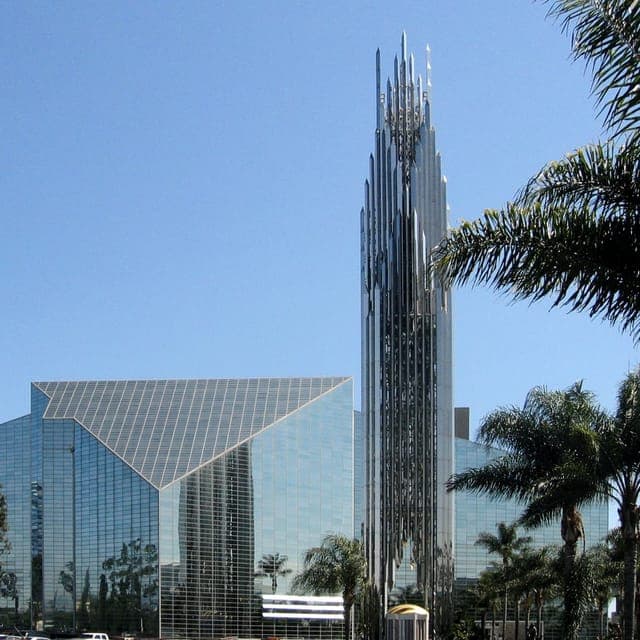
Similar small cities to Torrance
* Values derived from national, state, county, city and local statistics and may differ in a specific area. Last updated: 2026-04-24T11:34:32.000Z
Narrative content on this page is AI-generated and may contain mistakes. Verify any details that matter before acting on them.
ReloMaps may earn a commission from affiliate links at no extra cost to you.

