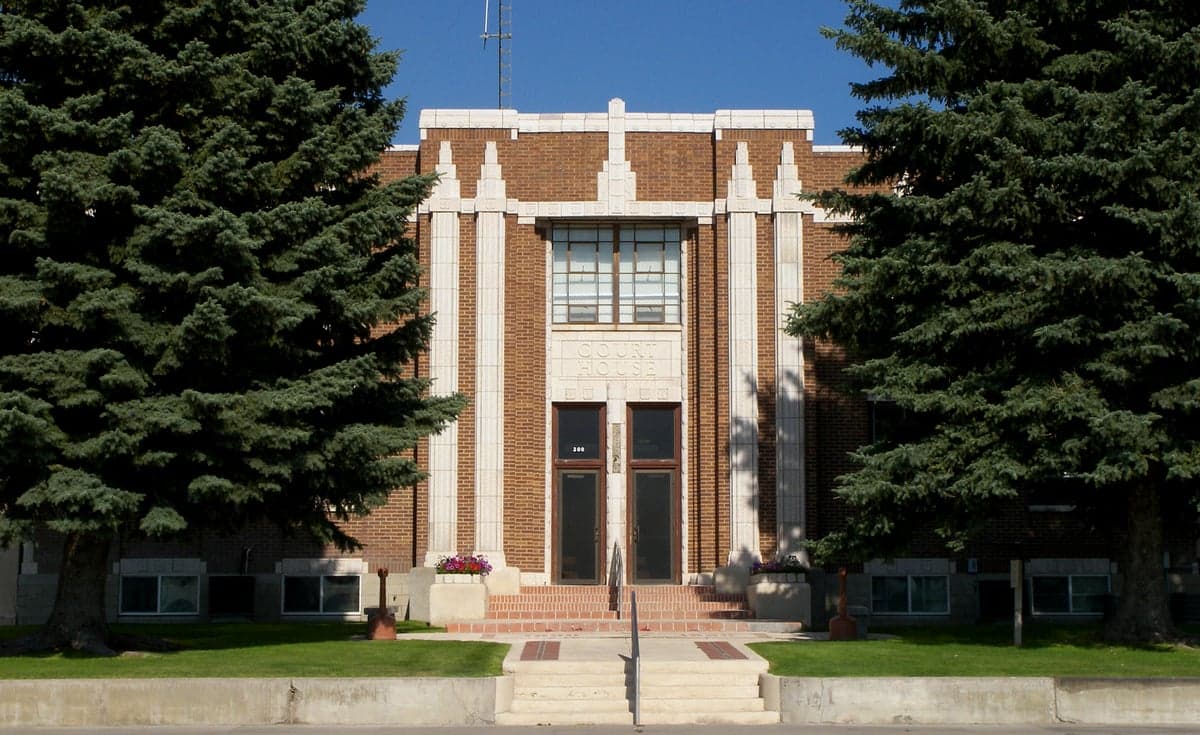
Photo: Wikipedia
Quality of Life in Jerome, ID
A high quality of life with strong walkability, manageable living costs, healthy neighborhood signals, and solid amenity access.
What does Quality of Life tell us?
Quality of Life blends cost of living, nearby amenities, socioeconomic signals, and neighborhood character. City-level scores represent the whole municipality; individual neighborhoods can differ.
What does this tell us?
Quality of Life blends cost of living, nearby amenities, socioeconomic signals, and neighborhood character. City-level scores represent the whole municipality; individual neighborhoods can differ.
Cost of Living
23% below national average
The Real Cost of Living in Jerome, ID for 2026
| Tier | Individual | Family (4) |
|---|---|---|
| Survival | $14k | $27k |
| Comfortable | $42k | $61k |
| Luxury | $118k+ | $182k+ |
| Elite (Top 5%) | $138k+ | $214k+ |
106%
The Area Signal
A metric tracking the socioeconomic signals of the area.
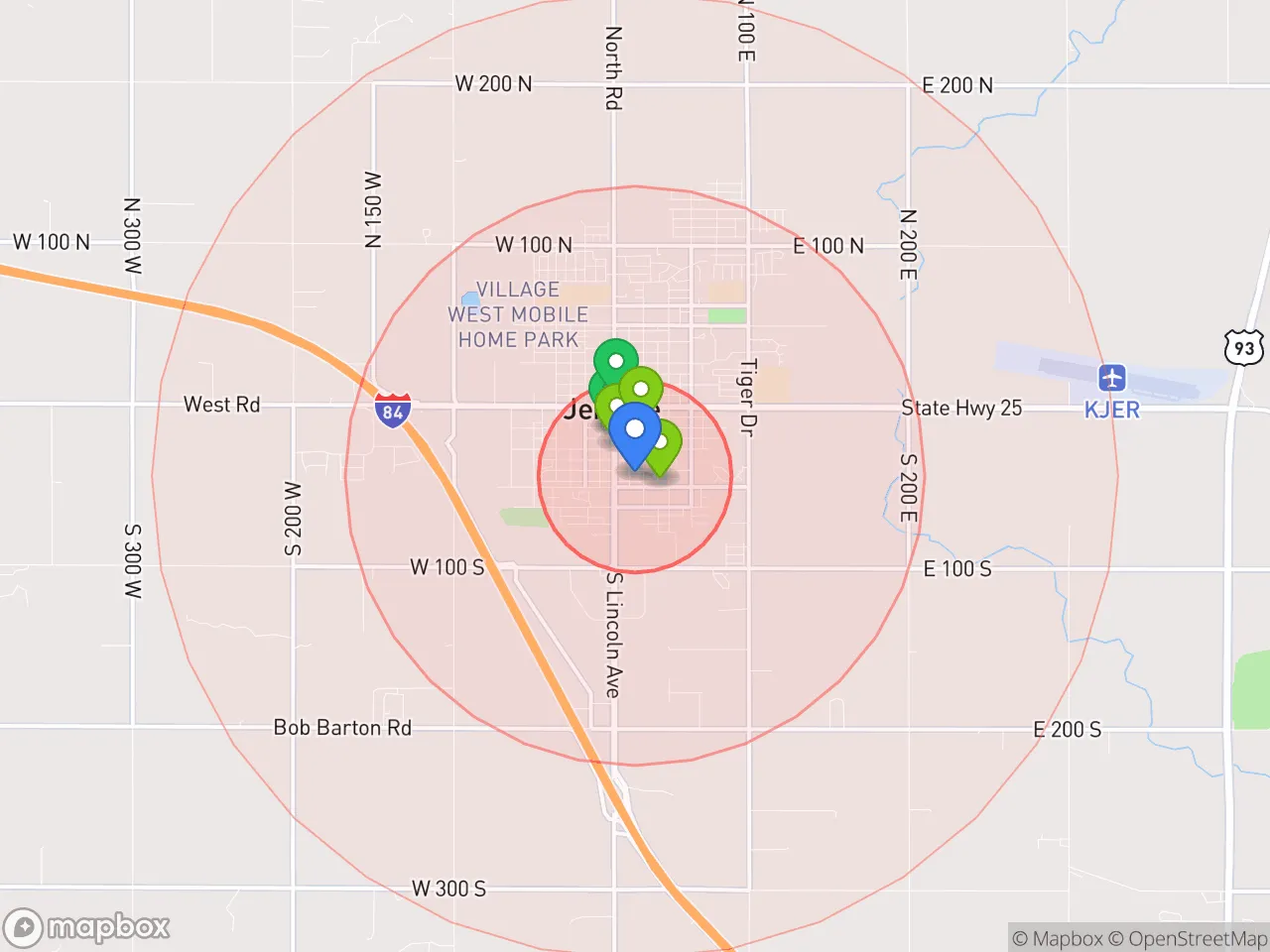
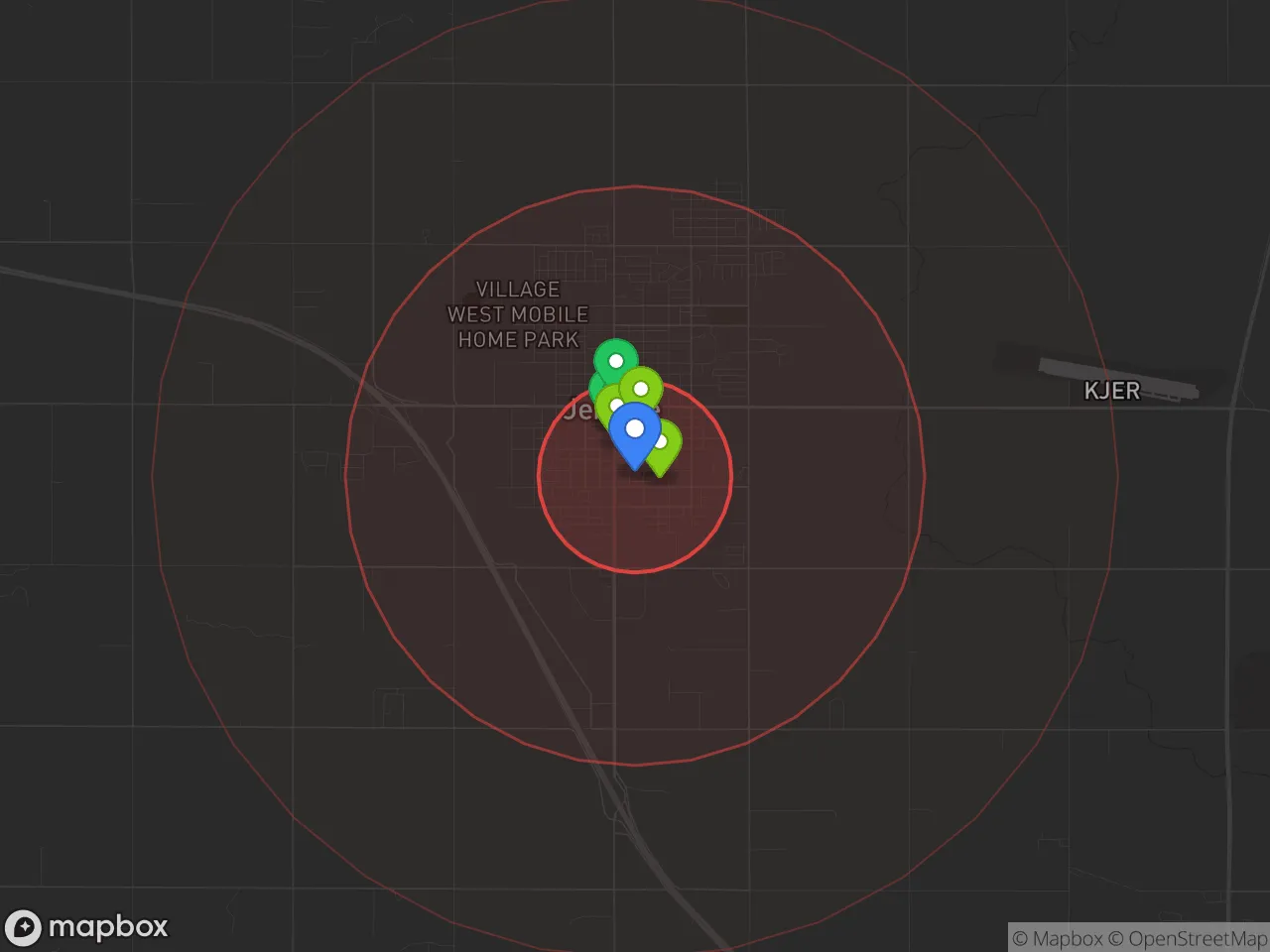
Hobbies
Explore the areaGroceries
5 within 10 miles
Gas
18 within 10 miles
Hospital
4 within 20 miles
Airport
SLC — Salt Lake City International
Post Office
USPS — Jerome, ID
Critical Amenities
Quality-of-Life Analysis
Jerome, Idaho, offers a notably affordable quality of life with a cost of living index of 77—well below the U.S. average of 100—attracting a mix of agricultural workers, commuters to the Magic Valley’s larger employers, and families seeking slower-paced living. The city’s population skews younger and more working-class than nearby Twin Falls, with a median age around 30 and a strong Hispanic community presence that shapes local culture and commerce. Affordability is the primary draw, but residents trade some urban amenities for lower expenses and a tight-knit, rural atmosphere.
Cost of living, housing affordability, and how Jerome compares to Twin Falls
Housing costs in Jerome are significantly below national and regional averages, making homeownership accessible for many. The median home value sits at $214,900, roughly 30% lower than the national median and about 15% less than in neighboring Twin Falls, where the median exceeds $250,000. Median rent is $900 per month, compared to $1,100 in Twin Falls, offering clear savings for renters. The average commute of 20.96 minutes is manageable and slightly shorter than the national average of 26 minutes, with most workers driving to jobs in Jerome itself or to larger employment hubs like Twin Falls (15 minutes south) or the Chobani and Clif Bar plants in the broader Magic Valley. Utility costs and grocery prices also track below the U.S. average, though residents note that property taxes in Jerome County are moderate—around 0.8% of assessed value—keeping total housing expenses low.
Local amenities, schools, and what daily life feels like in Jerome
Daily life in Jerome centers on a compact downtown with locally owned restaurants, a historic movie theater, and the Jerome County Fairgrounds, which hosts rodeos and seasonal events. For everyday shopping and services, most residents drive to Twin Falls’ Magic Valley Mall or big-box retailers. The Jerome School District (JSD #261) operates three elementary schools, one middle school, and Jerome High School, which has a graduation rate near 85% and offers dual-credit courses through the College of Southern Idaho. Outdoor recreation is limited within city limits, but the Snake River Canyon, Shoshone Falls, and the Sawtooth National Forest are within a 30- to 60-minute drive. The city’s agricultural roots are visible in its working dairies and potato fields, and the pace of life is noticeably slower than in Boise or even Twin Falls—weekends often involve high school sports, church gatherings, or trips to nearby Hagerman Fossil Beds National Monument.
Jerome is best suited for budget-conscious families, first-time homebuyers, and agricultural or industrial workers who value low housing costs and short commutes over urban nightlife or cultural density. Retirees on fixed incomes also find the affordability attractive, though healthcare options are limited to a small clinic and a regional hospital in Twin Falls. Those seeking a quiet, community-oriented lifestyle with easy access to outdoor recreation and larger city services will find Jerome a practical and welcoming base.

Crime in Jerome, ID
Lower crime rates than 81% of comparable U.S. locations.
Violent CrimeViolent Crime Analysis
Property CrimeProperty Crime Analysis
Crime Analysis
Jerome, Idaho, reports a violent crime rate of 355.7 per 100,000 residents and a property crime rate of 399.2 per 100,000, placing it in a mixed safety position relative to state and national averages. While property crime is notably lower than the national median, the violent crime rate exceeds both the Idaho state average and the national figure, signaling specific areas of concern for prospective residents. The city’s proximity to the larger Twin Falls metro area introduces additional dynamics, as regional crime trends and local justice policies can influence overall safety.
Crime in context
Jerome’s violent crime rate of 355.7 per 100,000 is roughly 30% higher than the Idaho state average of approximately 250 per 100,000 and slightly above the national median of about 380 per 100,000. Property crime, at 399.2 per 100,000, is well below the national median of roughly 1,950 per 100,000 and also under the Idaho average of around 1,500 per 100,000. This disparity suggests that while theft and burglary are less frequent, violent offenses—particularly aggravated assault—are more common here than in many other Idaho communities. The city’s location within a larger metro area (Twin Falls) means it shares some crime pressures from regional population growth and economic shifts, though it does not face the high property crime rates typical of larger urban centers.
What residents experience
Residents of Jerome report that property crime is relatively rare, with most incidents involving unlocked vehicles or minor theft rather than organized burglary. Violent crime, however, is a more tangible concern, often concentrated in specific areas or tied to domestic disputes and alcohol-related incidents. The local justice system, operating under Idaho’s generally conservative legal framework, has not adopted the progressive prosecutorial policies seen in some larger metro areas—such as reduced bail or diversion programs for repeat offenders—which can be a positive factor for public safety. Readers should note that cities with liberal judges and district attorneys often see higher recidivism and more criminals on the street, but Jerome’s judicial approach remains more traditional, focusing on accountability. This helps keep violent crime from escalating further, though the current rate still warrants caution, especially for families with children or those who frequently walk at night.
Neighborhood-level variation is significant in Jerome. The historic downtown core and newer subdivisions on the city’s east side tend to have lower crime rates, while areas near the railroad tracks and older rental properties along Main Street see higher incident reports. Prospective renters should avoid blocks near the intersection of Highway 93 and 200 South, where police logs show repeated calls for disturbances and assaults. Overall, Jerome offers a safer property-crime environment than most U.S. cities, but its violent crime rate demands awareness and smart neighborhood selection.
* Values derived from national, state, county, city and local statistics and may differ in a specific area. Last updated: 2026-04-21T11:06:30.000Z
Narrative content on this page is AI-generated and may contain mistakes. Verify any details that matter before acting on them.
ReloMaps may earn a commission from affiliate links at no extra cost to you.

