Photo: Wikipedia
Find The Best Places To Live
in Kalamazoo
PRO TIP! You can paste a Zillow or Redfin link to get info on that property.
What It's Like Living in Kalamazoo, MI
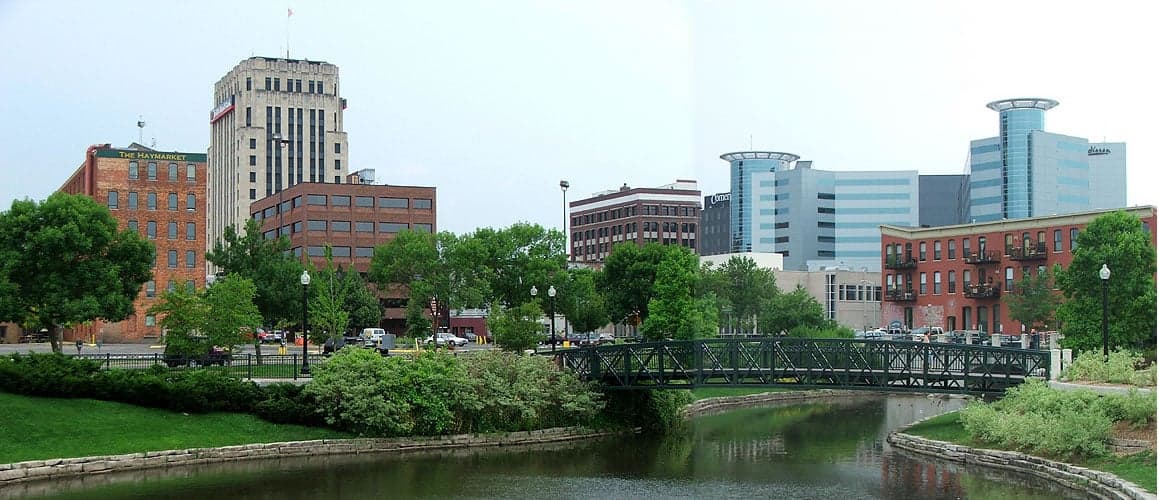
Kalamazoo has a split personality that somehow works. It’s a college town with a gritty industrial past, a place where you’ll find craft breweries next to old paper mills and a world-class jazz festival in a city that still feels like a collection of neighborhoods. With about 73,000 residents, it’s small enough that you’ll run into people you know at the grocery store, but big enough to have real cultural heft — and a few headaches that come with that mix.
The Daily Rhythm: Young, Fast, and a Little Uneven
Walk through downtown on a weekday afternoon and you’ll see a striking split. On one side, Western Michigan University and Kalamazoo College students fill coffee shops like Water Street Coffee Joint or grab cheap tacos at Los Amigos. On the other, longtime locals grab lunch at Bilbo’s Pizza or Food Dance, a farm-to-table spot that’s been a staple for years. The median age here is just 26.8 — one of the youngest in Michigan — which means the energy leans toward the early-career and student crowd. About 37% of adults hold a bachelor’s degree or higher, so you’ll hear plenty of conversations about research projects, startups, and the latest brewery opening.
But the income picture is more modest. The median household income sits around $48,965, which is below the national average. That’s partly because so many residents are students or recent grads working entry-level jobs. The upside? The cost of living index is 77 — well below the U.S. average of 100. A median home value of $164,500 means a young couple or single professional can actually buy a house here, not just rent. You’ll see people in their twenties and thirties buying fixer-uppers in the Stuart Neighborhood or the Winchell area, trading square footage for walkability to downtown bars and the Kalamazoo River Valley Trail.
Sports, Festivals, and the Weekend Vibe
Sports here are college-driven, not pro. On fall Saturdays, Waldo Stadium fills with Western Michigan University Broncos fans — the team competes in the MAC and has produced NFL players like Corey Davis. High school football is a genuine community event, especially at Kalamazoo Central and Loy Norrix, where Friday night games draw hundreds of parents and alumni. But the real local obsession isn’t a sport — it’s the Kalamazoo Promise, a program that pays full college tuition for any Kalamazoo Public Schools graduate. That promise shapes everything from housing decisions to school pride, and it’s a big reason families with kids stick around.
When the weather warms up, the city comes alive. Bell’s Brewery — one of the largest craft breweries in the country — hosts the Bell’s Beer Garden and the annual Bell’s Brewery Summer Concert Series. The Kalamazoo Institute of Arts and the Kalamazoo Valley Museum (free admission) are weekend staples for families. The Kalamazoo Farmers Market runs year-round on Saturdays, and in summer it’s packed with local produce, baked goods, and live music. For outdoor types, the Kalamazoo River Valley Trail connects to Al Sabo Land Preserve and Fort Custer Recreation Area — both within a 15-minute drive.
Pros and Cons of Living Here
What locals love: The affordability is the biggest draw. You can live comfortably on a moderate salary, and the Kalamazoo Promise is a game-changer for families — it’s not just a scholarship, it’s a reason to stay invested in the community. The food and drink scene punches above its weight: Bell’s, One Well Brewing, and Arcadia Ales are local institutions, and you’ll find everything from Ethiopian at Zooroona to Korean at Seoul Garden. The arts are strong too — the Kalamazoo Symphony Orchestra and the Gilmore International Keyboard Festival draw national attention.
What frustrates residents: Crime is the elephant in the room. The violent crime rate is 1,077 per 100,000 residents — roughly three times the national average. That number is concentrated in certain neighborhoods, particularly on the north side, and it’s a real concern for families choosing where to buy. Property crime is also higher than average. The city’s poverty rate (around 25%) and the opioid crisis have left visible scars. Traffic itself is light — the average commute is just 18 minutes — but the city’s infrastructure feels neglected in spots, with potholes and uneven sidewalks common. Winters are gray and snowy, and while locals cope, the seasonal affective disorder is real for newcomers from sunnier states.
Who fits in here: Kalamazoo works best for people who want a low-cost, culturally rich city without big-city hassles. It’s ideal for students, early-career professionals, and families who value the Promise program. If you need high-end shopping, a booming job market, or a 24-hour nightlife scene, you’ll be disappointed. But if you’re okay with a city that feels like a big small town — where the biggest event of the year is the Kalamazoo Ribfest and the local hockey team is the Kalamazoo Wings (ECHL) — it’s a place where you can actually build a life without breaking the bank.

Similar small cities to Kalamazoo
* Values derived from national, state, county, city and local statistics and may differ in a specific area. Last updated: 2026-04-29T19:09:31.000Z
Narrative content on this page is AI-generated and may contain mistakes. Verify any details that matter before acting on them.
ReloMaps may earn a commission from affiliate links at no extra cost to you.

