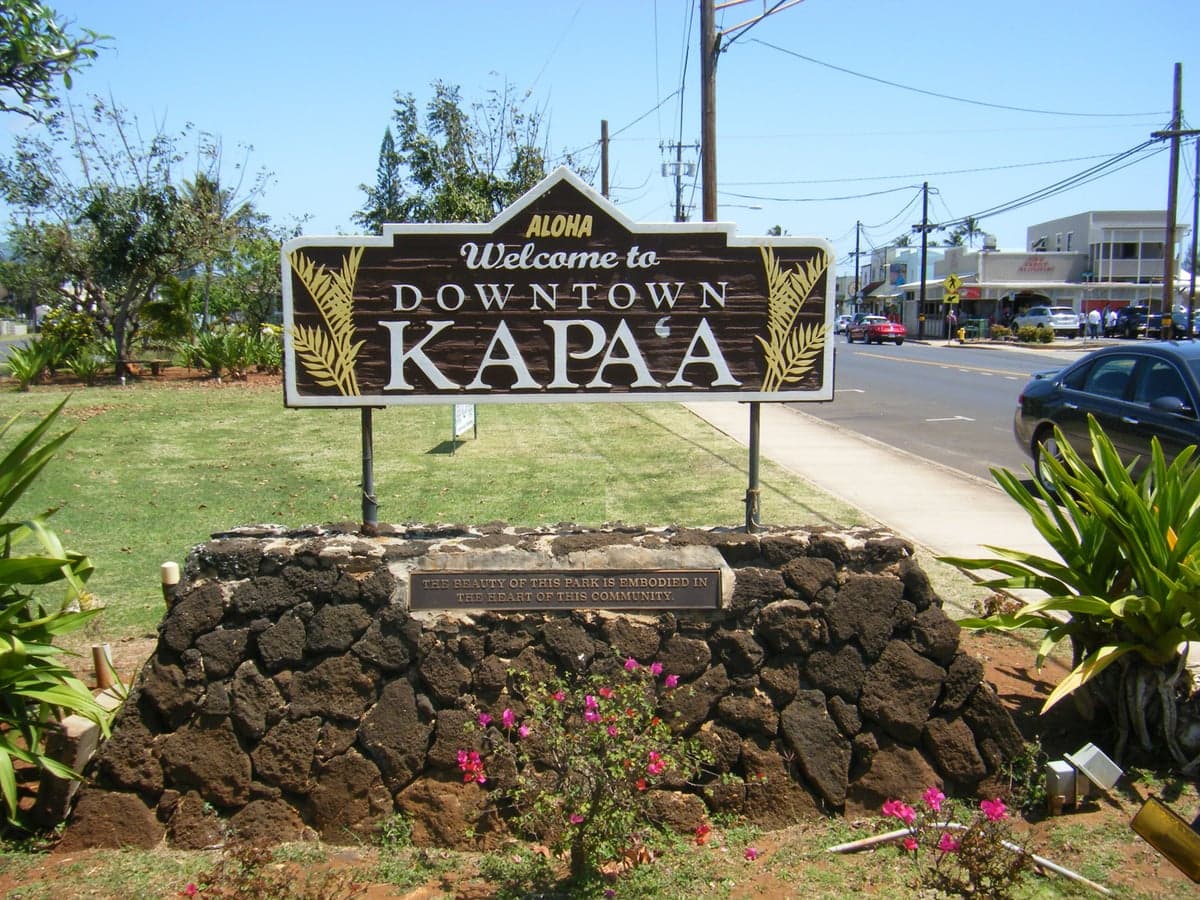
Photo: Wikipedia
Quality of Life in Kapaa, HI
A high quality of life with strong walkability, manageable living costs, healthy neighborhood signals, and solid amenity access.
What does Quality of Life tell us?
Quality of Life blends cost of living, nearby amenities, socioeconomic signals, and neighborhood character. City-level scores represent the whole municipality; individual neighborhoods can differ.
What does this tell us?
Quality of Life blends cost of living, nearby amenities, socioeconomic signals, and neighborhood character. City-level scores represent the whole municipality; individual neighborhoods can differ.
Cost of Living
120% above national average
The Real Cost of Living in Kapaa, HI for 2026
| Tier | Individual | Family (4) |
|---|---|---|
| Survival | $32k | $60k |
| Comfortable | $98k | $144k |
| Luxury | $143k+ | $222k+ |
| Elite (Top 5%) | $169k+ | $262k+ |
62%
The Area Signal
A metric tracking the socioeconomic signals of the area.
Hobbies
Explore the areaGroceries
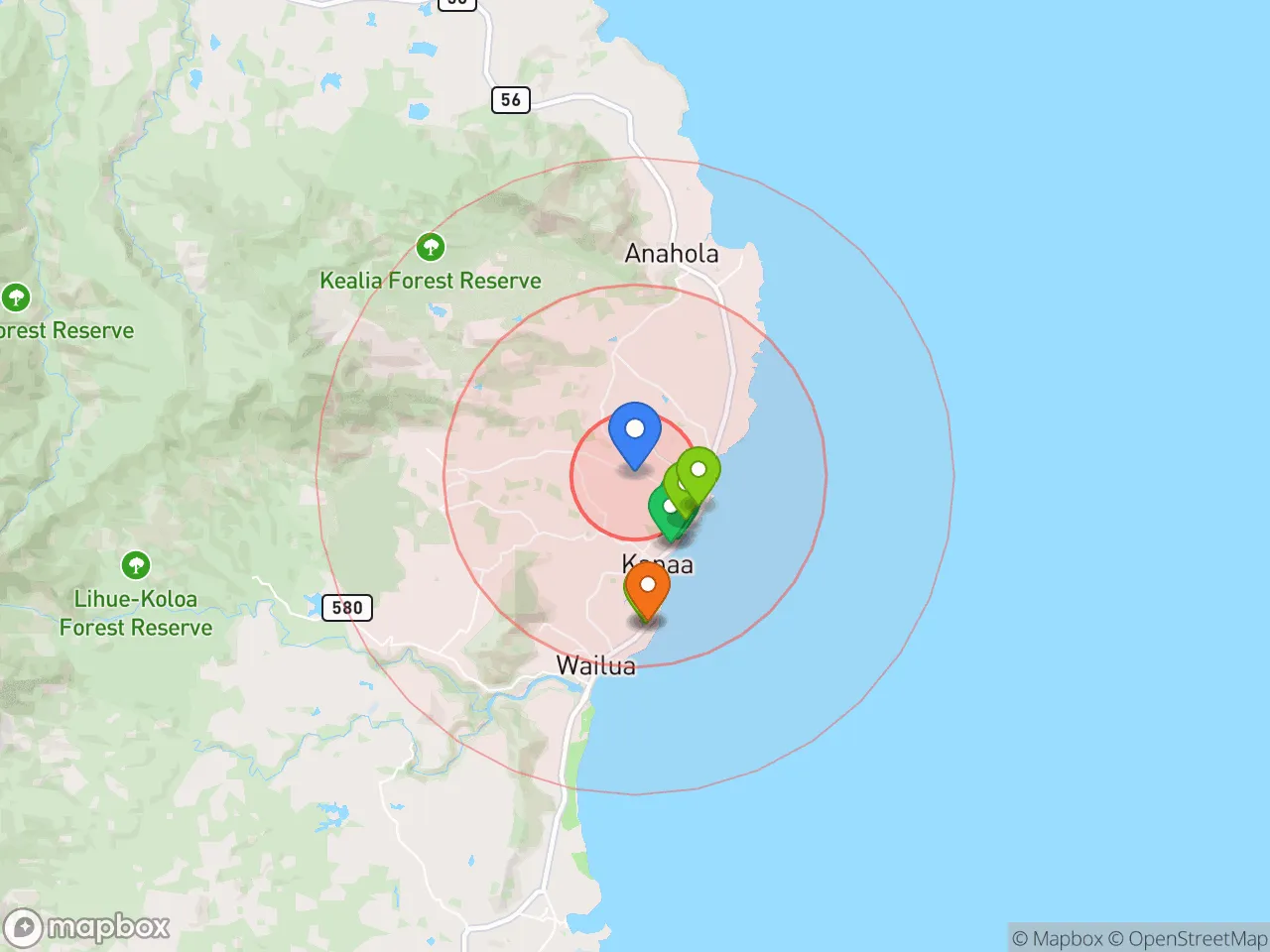
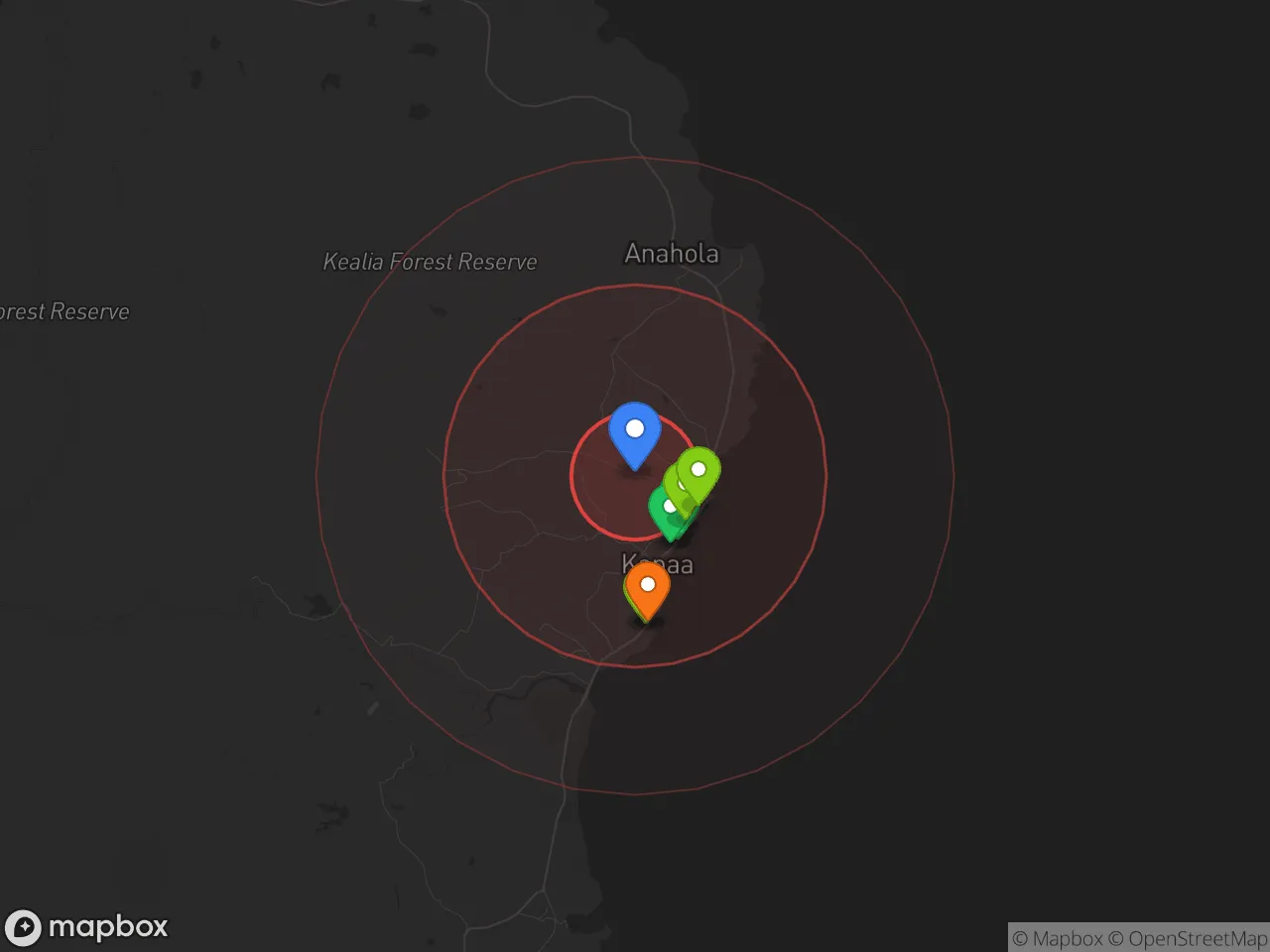
3 within 10 miles
Gas
9 within 10 miles
Hospital
2 within 20 miles
Airport
Daniel K. Inouye International Airport
Post Office
USPS — Kapaa, HI
Critical Amenities
Quality-of-Life Analysis
Kapaa, on Kauai's east side, presents a quality of life defined by its steep cost of living and a demographic mix of long-time local families, remote professionals, and retirees drawn to its slower pace and tropical setting. With a cost-of-living index of 220—more than double the U.S. average—the area is undeniably affluent by national standards, yet it lacks the ultra-luxury enclaves of Kauai's north shore, attracting instead a community that values everyday access to beaches, small-town commerce, and a climate that rarely dips below 70°F.
Cost of living, housing, and affordability compared to Lihue and Princeville
Housing is the primary driver of Kapaa's high cost of living. The median home value sits at $821,500, significantly above the national median but notably lower than Princeville's typical $1.2 million-plus homes. Median rent is $1,997, which undercuts the $2,500+ averages found in Poipu and Hanalei, making Kapaa one of the more attainable options on Kauai for renters. Compared to Lihue, just 10 minutes south, Kapaa's home values are roughly 15% higher, reflecting its stronger tourist and retail base. The average commute of 24.8 minutes is manageable by island standards, though traffic along Kuhio Highway through Kapaa's main strip can double that during peak hours, especially during winter tourist season. Utility costs, food, and gasoline all carry a significant Hawaii premium, meaning even renters earning above-median incomes often allocate 40-50% of their take-home pay to housing alone.
Local amenities, schools, and what daily life feels like
Daily life in Kapaa revolves around the town's linear commercial corridor along Kuhio Highway, anchored by the Coconut Marketplace and Safeway-anchored shopping center. The area offers a practical mix of grocery stores, pharmacies, and local eateries like the popular Kountry Kitchen for plate lunches. For outdoor recreation, Lydgate Beach Park provides a protected swimming area and a popular jogging path, while the nearby Kealia Beach draws surfers and walkers. Kapaa Elementary and Kapaa Middle School serve most local families, with Kapaa High School graduating roughly 200 students annually; test scores hover near state averages, and many families supplement with after-school programs. The town lacks a hospital—the nearest is Wilcox Medical Center in Lihue—but has several urgent-care clinics. The rhythm is distinctly unhurried: most businesses close by 8 or 9 p.m., and weekend mornings see farmers markets at the Kapaa New Town Park. The town's central location makes it a practical base for commuting to Lihue for work or to the north shore for recreation, though the trade-off is a steady stream of tourist traffic through the main drag.
Kapaa is best suited for those who prioritize consistent warm weather, ocean proximity, and a tight-knit community over career advancement or urban nightlife. Remote workers with mainland salaries, retirees with substantial savings, and local families with multi-generational housing arrangements tend to find the trade-offs worthwhile. Those on a tight budget or seeking career growth outside tourism and retail will likely struggle, as job opportunities are limited and the cost of living leaves little margin for error. For the right household—one that values a walkable beach town with real community roots—Kapaa offers a quality of life that few mainland towns can match, provided the financial foundation is solid.

Crime in Kapaa, HI
Generally safer than 64% of comparable U.S. locations.
Violent CrimeViolent Crime Analysis
Property CrimeProperty Crime Analysis
Crime Analysis
Kapaa, on Kauai’s east side, presents a mixed safety profile. While its violent crime rate of 200.2 per 100,000 residents is notably lower than the national average, its property crime rate of 1,586.9 per 100,000 exceeds both the state and national benchmarks, making theft and vehicle break-ins the primary public safety concern for residents and visitors.
Crime in context
Kapaa’s violent crime rate (200.2 per 100K) sits well below the U.S. average of roughly 380 per 100K, and is also lower than the Hawaii state average of about 250 per 100K. This means the risk of homicide, assault, or robbery is comparatively low. However, property crime in Kapaa is a different story. At 1,586.9 per 100K, it is significantly higher than the national average of approximately 1,954 per 100K but still above Hawaii’s statewide property crime rate of around 2,900 per 100K. The elevated property crime figure is driven largely by thefts from vehicles and break-ins at vacation rentals, a pattern common in tourist-heavy areas of the island.
What residents experience
For those living in Kapaa, the day-to-day safety reality is shaped more by property crime than by violent incidents. Residents frequently report issues with unlocked cars being rifled through, packages stolen from porches, and bicycles disappearing from yards. The Kapaa Town area, with its dense mix of shops, restaurants, and beach access, sees the highest concentration of these incidents. While violent confrontations are rare, the prevalence of property crime creates a sense of vigilance, particularly among homeowners and renters near the main highway corridor. The local police presence is visible but stretched thin, and response times for non-emergency property crimes can be slow.
Neighborhood-level variation
Safety conditions vary noticeably within Kapaa. The newer subdivisions inland, such as those off Olohena Road and in the Wailua Homesteads area, tend to experience fewer property crimes than the older, denser beachfront neighborhoods along Kuhio Highway. Areas with higher concentrations of short-term vacation rentals, particularly near the Kapaa Beach Park and the Coconut Marketplace, see more transient-related theft. Conversely, the residential streets further mauka (toward the mountain) are generally quieter, with lower incident rates. Overall, Kapaa is a safe community by violent crime standards, but the persistent property crime issue demands proactive prevention measures like locking vehicles and securing outdoor belongings.
* Values derived from national, state, county, city and local statistics and may differ in a specific area. Last updated: 2026-04-29T20:03:50.000Z
Narrative content on this page is AI-generated and may contain mistakes. Verify any details that matter before acting on them.
ReloMaps may earn a commission from affiliate links at no extra cost to you.

