Photo: Wikipedia
Find The Best Places To Live
in Kapaa
PRO TIP! You can paste a Zillow or Redfin link to get info on that property.
What It's Like Living in Kapaa, HI
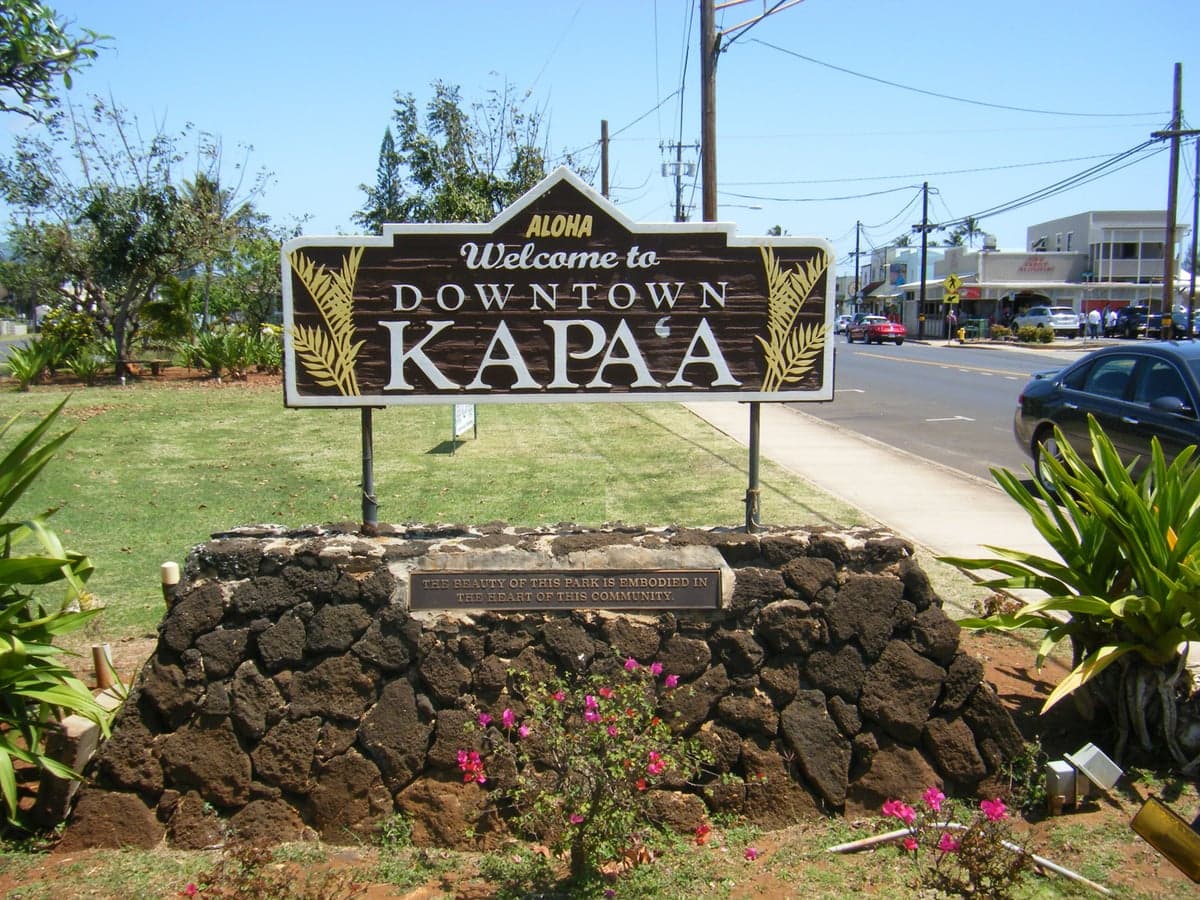
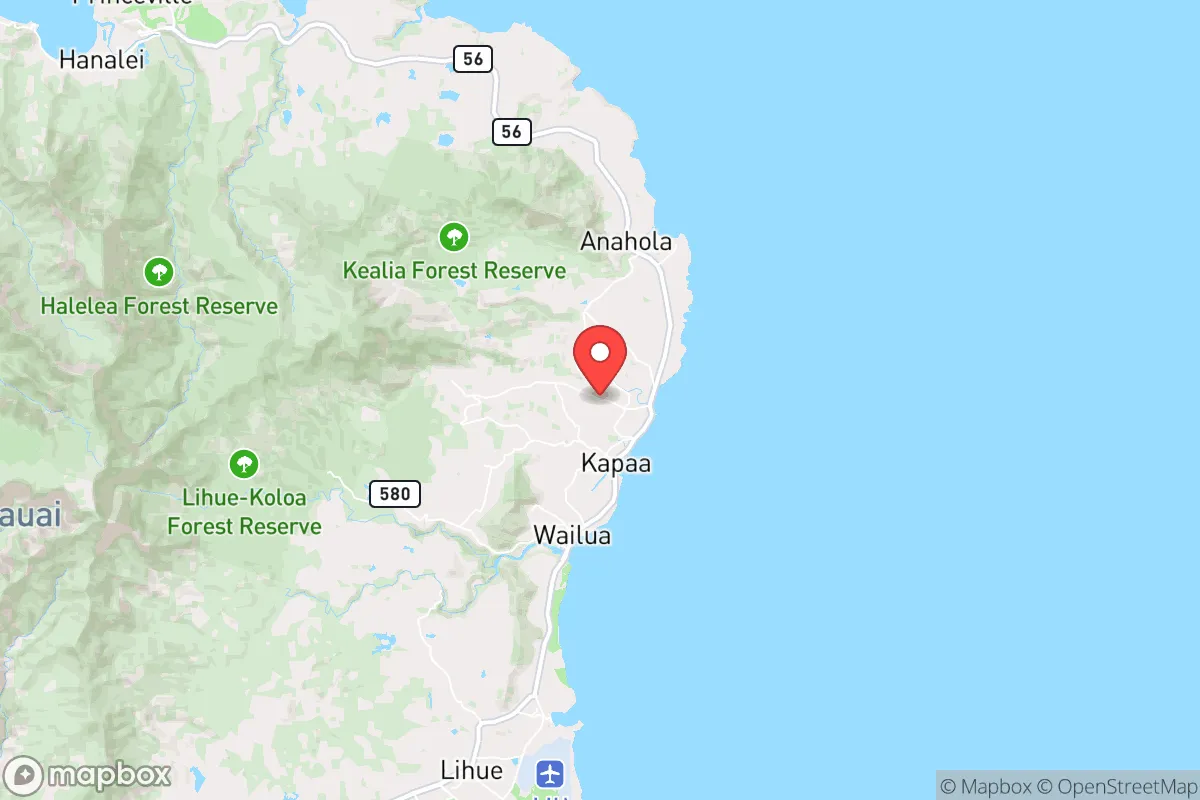
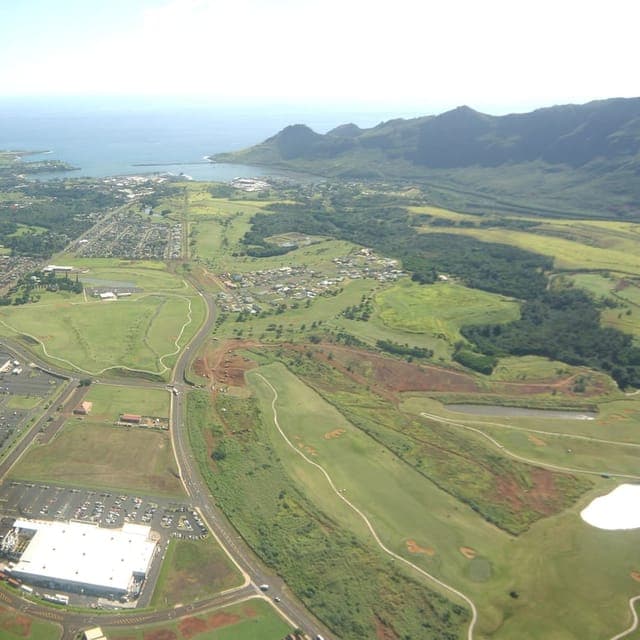
Kapaa feels like the island’s main street that never quite decided whether it wanted to be a tourist hub or a local hangout, and somehow ended up as both. Straddling the eastern shore of Kauai, this town of roughly 10,886 people is where the daily hum of local life meets the steady flow of visitors heading to the North Shore. It’s not a resort town in the way Poipu is—it’s grittier, more lived-in, and that’s exactly why a certain kind of person ends up staying.
Daily Rhythm: Where Locals Actually Go
Most mornings in Kapaa start with a walk or bike ride along the Kapaa Bike Path, a paved 8-mile stretch that hugs the coast from Kealia Beach down to Lydgate Park. You’ll see retirees, parents pushing strollers, and the occasional surfer jogging in flip-flops. Coffee comes from Small Town Coffee Co. on Kuhio Highway, where the line can stretch out the door but moves fast. Grocery shopping is split between Foodland (the local chain with a solid poke counter) and Safeway for mainland staples. The Kapaa New Town area has a handful of strip malls, but most residents drive to Lihue (about 15 minutes south) for Costco or Home Depot.
Weekends often revolve around the Kapaa Farmers Market on Wednesdays and Saturdays—think fresh papaya, local honey, and plate lunches from a half-dozen food trucks. For a night out, locals gravitate toward Hukilau Lanai for upscale Hawaiian-fusion or Kintaro for no-frills sushi. The bar scene is low-key: Mermaids Cafe turns into a casual drinking spot after dark, and Kalapaki Joe’s in the nearby Anchor Cove mall is where you’ll catch a mainland football game on TV. There’s no real club scene; the loudest thing that happens after 9 PM is the sound of roosters crowing.
Who Fits In: Work, Family Stage, and the Cost Reality
The median age here is 46.3, which tells you Kapaa skews older than the island average—many residents are empty-nesters, remote workers, or people who moved here mid-career. The median household income is $89,440, decent for Hawaii but tight when you consider the cost of living index of 220 (more than double the U.S. average). That means a family earning that median is likely renting or in a modest older home, not the newer subdivisions going up near Olohena Road. The median home value of $821,500 puts single-family ownership out of reach for many under-40s unless they bought years ago or have mainland equity.
The kind of person who thrives here is someone who doesn’t need constant novelty—a teacher, a nurse at Kauai Veterans Memorial Hospital in Waimea, a remote tech worker, or a small business owner running a food truck or a surf shop. Parents often choose Kapaa for Kapaa Elementary and Kapaa Middle School, which are well-regarded locally, though Kapaa High School has a mixed reputation. School sports—especially football and volleyball—are a genuine community gathering point, with Friday night games drawing solid crowds of families and alumni.
What’s There to Do: Sports, Festivals, and the Outdoors
Outdoor life is the main event. Kealia Beach is the local surf break, consistent enough for beginners and intermediates, while Lydgate Park has a protected swimming area for keiki (kids). The Sleeping Giant Trail (Nounou Mountain) starts just west of town and offers a 3-mile round-trip hike with views of the entire east shore. For a longer day, the Wailua River is a 10-minute drive—kayak rentals and the Fern Grotto boat tour are touristy but still fun for first-time visitors.
The biggest annual event is the Kapaa Art Walk, held monthly in the Coconut Marketplace area, featuring local painters, jewelers, and live music. The Kauai Marathon in September passes through town, and the Kapaa Christmas Parade in December is a low-key but beloved tradition. There’s no pro sports team on Kauai, so locals follow the University of Hawaii Rainbow Warriors football and basketball teams—you’ll see UH flags on trucks and bumper stickers around town. High school sports are the closest thing to a local rivalry, with Kapaa High’s football team regularly competing for the Kauai Interscholastic Federation title.
Pros and Cons of Living Here
- What locals love: The bike path, the genuine sense of community at the farmers market, the fact that you can be on a near-empty trail within 15 minutes of leaving your house. The weather is consistent—trade winds keep it from feeling muggy, and the east side gets more sun than the rainy North Shore.
- What frustrates them: Traffic on Kuhio Highway is a daily grind—the average commute of 24.8 minutes sounds short, but that’s for a 7-mile stretch that can take 40 minutes during tourist season. The violent crime rate of 200.2 per 100,000 is higher than the national average (roughly 380 vs. 380 nationally, so actually lower—wait, 200.2 is below the U.S. average of about 380, but locals will tell you property crime, especially car break-ins at beach parking lots, is a real nuisance). Housing costs mean many renters are priced out of buying, and the job market outside of tourism, healthcare, and education is thin.
- Cultural quirks: Roosters roam freely everywhere—you will hear them at 4 AM, and you will eventually stop noticing. The “island time” pace can frustrate mainland transplants who expect punctuality. Local identity is strong: Kapaa is more “local” than Poipu or Princeville, meaning a higher proportion of native Hawaiian and mixed-race families, and a slower, more reserved social rhythm. Newcomers are welcomed, but it takes time to break into established social circles.
Kapaa isn’t for everyone. If you need nightlife, a fast-paced career ladder, or a low cost of living, this town will frustrate you. But if you value a place where you can walk to the beach after work, know your neighbors by name, and don’t mind the occasional rooster wake-up call, it has a quiet magic that’s hard to find anywhere else in Hawaii.

Similar towns to Kapaa
* Values derived from national, state, county, city and local statistics and may differ in a specific area. Last updated: 2026-04-29T20:03:50.000Z
Narrative content on this page is AI-generated and may contain mistakes. Verify any details that matter before acting on them.
ReloMaps may earn a commission from affiliate links at no extra cost to you.

