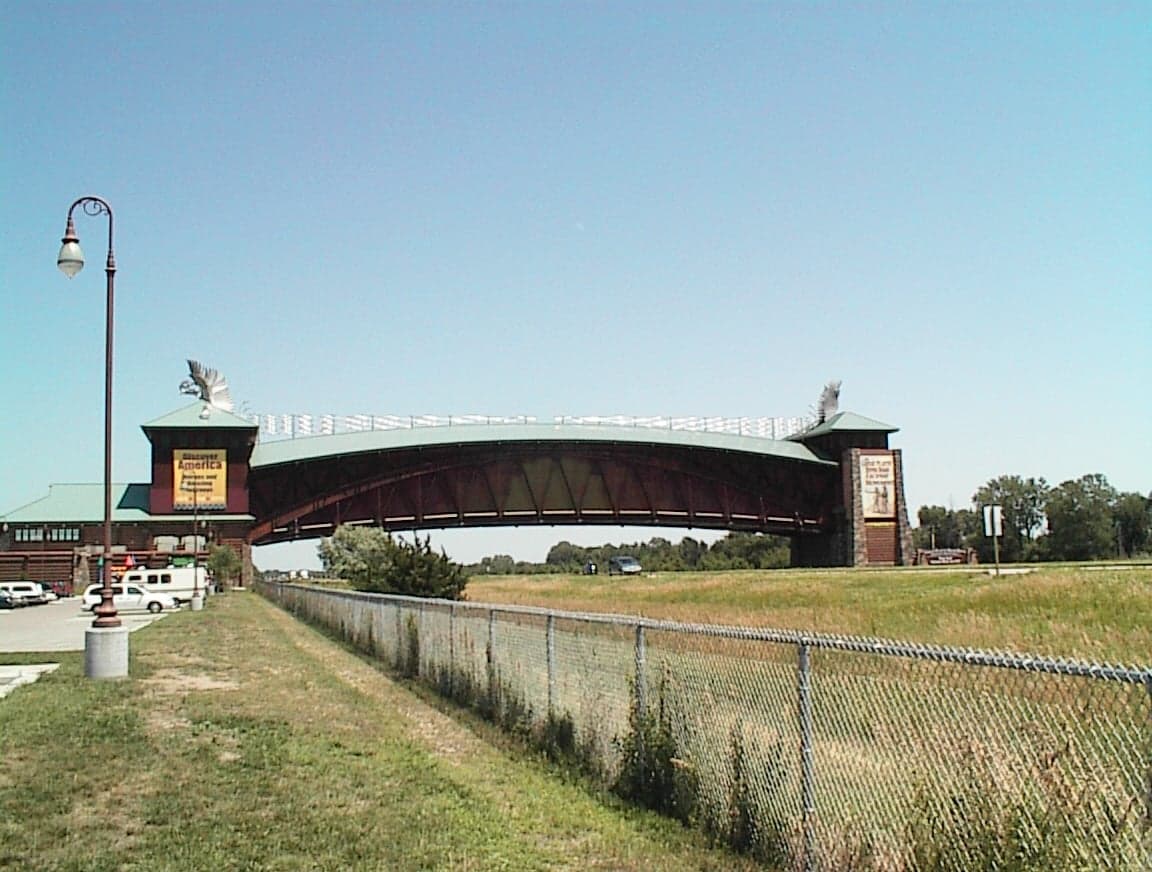
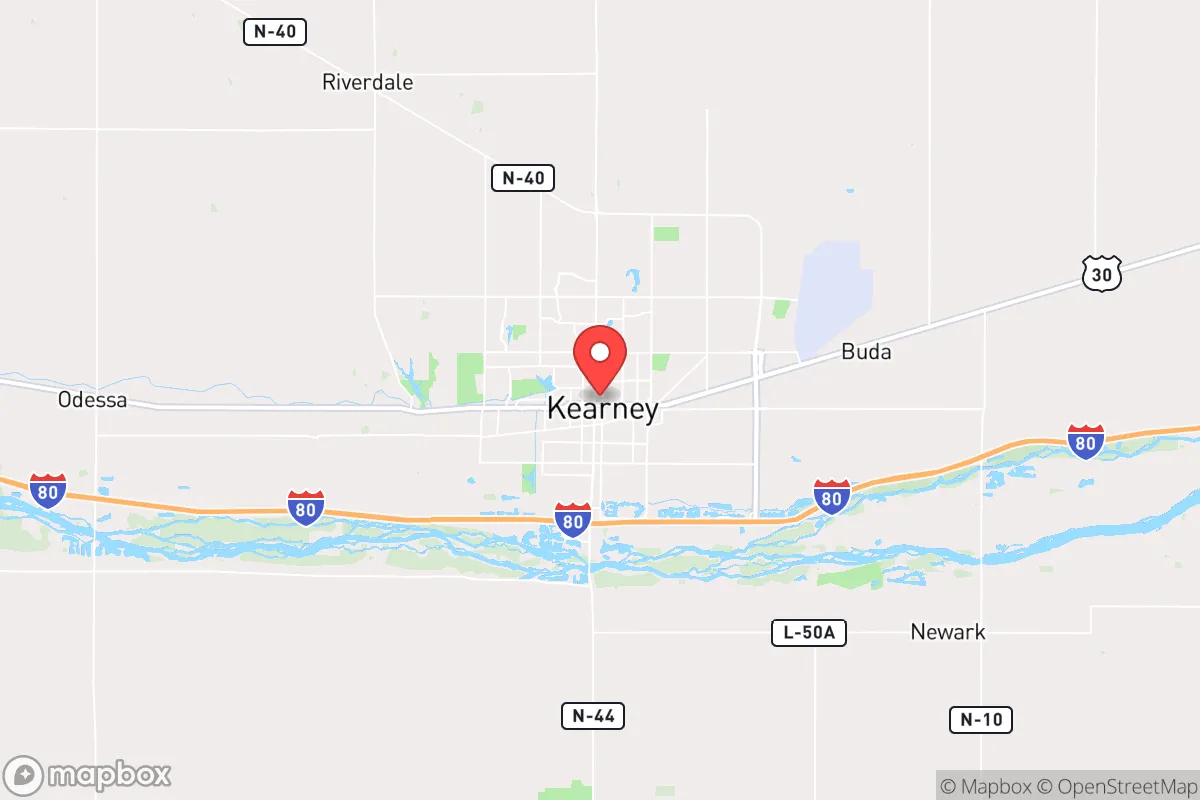
Photo: Wikipedia
Quality of Life in Kearney, NE
A high quality of life with strong walkability, manageable living costs, healthy neighborhood signals, and solid amenity access.
What does Quality of Life tell us?
Quality of Life blends cost of living, nearby amenities, socioeconomic signals, and neighborhood character. City-level scores represent the whole municipality; individual neighborhoods can differ.
What does this tell us?
Quality of Life blends cost of living, nearby amenities, socioeconomic signals, and neighborhood character. City-level scores represent the whole municipality; individual neighborhoods can differ.
Cost of Living
19% below national average
The Real Cost of Living in Kearney, NE for 2026
| Tier | Individual | Family (4) |
|---|---|---|
| Survival | $15k | $28k |
| Comfortable | $46k | $67k |
| Luxury | $113k+ | $175k+ |
| Elite (Top 5%) | $133k+ | $206k+ |
104%
The Area Signal
A metric tracking the socioeconomic signals of the area.
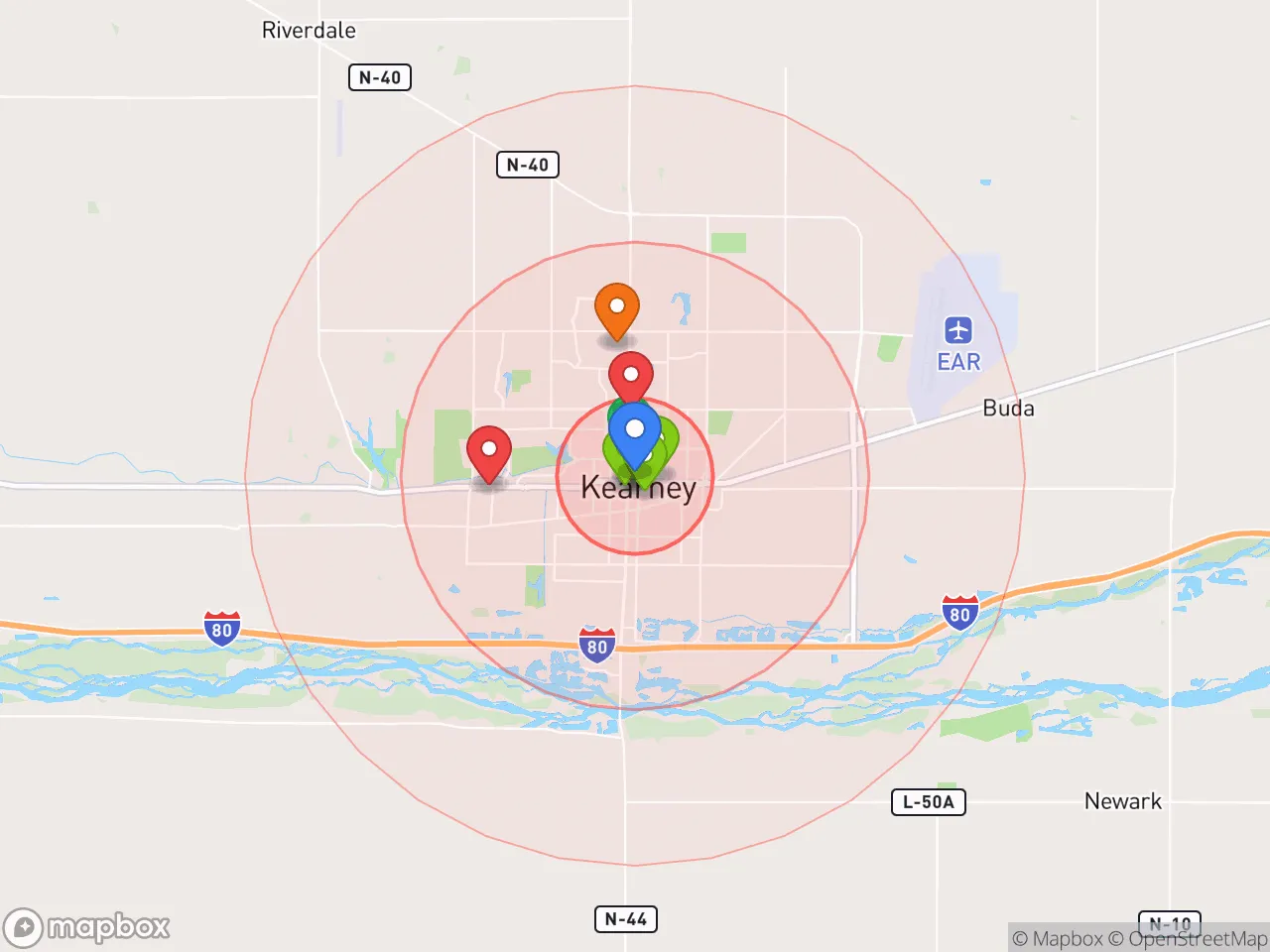
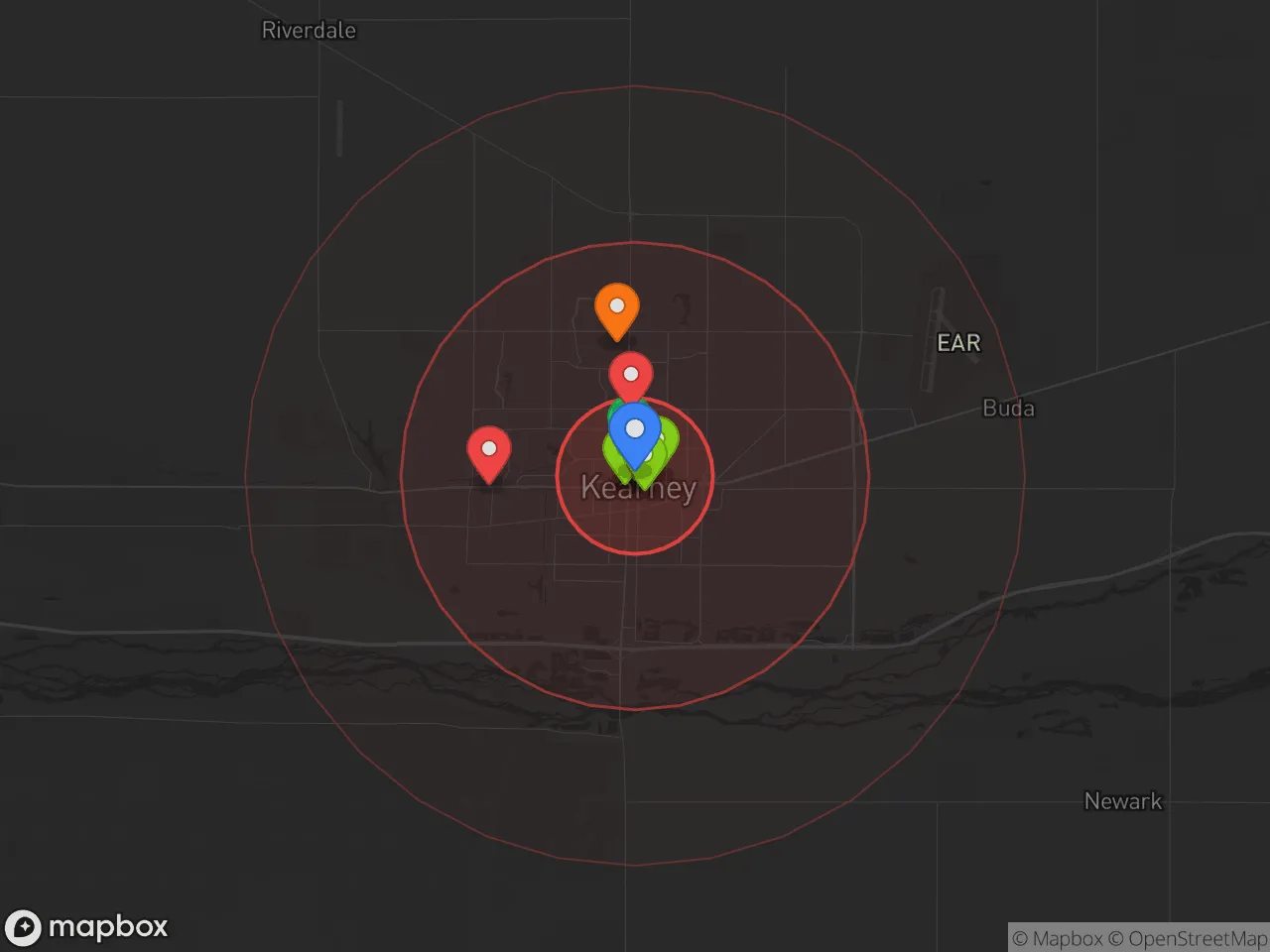
Hobbies
Explore the areaGroceries
3 within 10 miles
Gas
20 within 10 miles
Hospital
5 within 20 miles
Airport
MCI — Kansas City International
Post Office
USPS — Kearney, NE
Critical Amenities
Quality-of-Life Analysis
Kearney, Nebraska, offers a quality of life defined by strong economic stability and a notably low cost of living, attracting a mix of young professionals, growing families, and retirees seeking a slower pace without sacrificing opportunity. The city’s affluence is moderate but steady, supported by a robust employment base anchored by the University of Nebraska at Kearney (UNK) and major employers like Eaton Corporation and Baldwin Filters. With a cost of living index of 81—well below the national average of 100—Kearney provides a financial cushion that allows residents to prioritize homeownership, savings, and leisure over the paycheck-to-paycheck grind found in many larger metros.
Cost of living, housing affordability, and how it compares to nearby cities
Kearney’s housing market is a standout advantage for newcomers. The median home value sits at $235,800, which is roughly 30% lower than the national median, while the median rent of $922 is similarly affordable. This combination means that a household earning the area’s median income can comfortably afford a mortgage or lease without being cost-burdened. Compared to nearby cities like Grand Island (median home value ~$210,000) and Lincoln (~$290,000), Kearney strikes a balance—slightly pricier than Grand Island but significantly cheaper than the state capital, while offering more amenities and a larger job market than smaller towns like Hastings. The average commute of just 14.2 minutes is a major quality-of-life bonus, freeing up time for family, hobbies, or side projects. Utility costs and grocery prices also track below the national average, reinforcing the overall affordability that makes Kearney attractive to remote workers and local employees alike.
What daily life is like: amenities, schools, and community rhythm
Daily life in Kearney revolves around a compact, walkable downtown core and a strong emphasis on outdoor recreation along the Platte River. The city’s school system, Kearney Public Schools, consistently earns above-average ratings for academic performance and offers specialized programs like the Kearney High School International Baccalaureate (IB) diploma track. For families, the presence of the Kearney Area Children’s Museum and the Yanney Heritage Park—a 200-acre green space with trails, splash pads, and sports fields—provides year-round activities. The community rhythm is shaped by events like the Nebraska State Fair (held in nearby Grand Island) and UNK’s cultural offerings, including theater productions and the Museum of Nebraska Art. Dining and shopping are concentrated along the 2nd Avenue corridor, with local staples like The Chicken Coop and Cunningham’s Journal offering a mix of casual and upscale options. The city’s low crime rate and clean, well-maintained neighborhoods contribute to a sense of safety that is often cited by residents as a top reason for staying.
Kearney is best suited for those who value financial breathing room, short commutes, and a tight-knit community feel without sacrificing access to higher education and cultural amenities. Young professionals will find a growing tech and manufacturing sector, while families benefit from strong schools and abundant parks. Retirees on fixed incomes can stretch their dollars further here than in nearly any other Nebraska city of comparable size. For anyone seeking a balanced, low-stress lifestyle in the Great Plains, Kearney delivers a compelling mix of affordability, opportunity, and everyday convenience.

Crime in Kearney, NE
Lower crime rates than 78% of comparable U.S. locations.
Violent CrimeViolent Crime Analysis
Property CrimeProperty Crime Analysis
Crime Analysis
Kearney, Nebraska, presents a mixed safety profile for potential residents. The city's violent crime rate of 228.8 per 100,000 residents is notably lower than the national average, but its property crime rate of 1,215.7 per 100,000 is significantly higher, placing it above both state and national benchmarks. This combination means that while the risk of a violent encounter is relatively low, the likelihood of experiencing a theft, burglary, or vehicle break-in is a genuine concern for daily life.
Crime in context
To understand Kearney's safety, it is essential to compare its rates to broader averages. The city's violent crime rate of 228.8 per 100,000 is well below the U.S. national average of roughly 380 per 100,000, and it also sits below the Nebraska state average. This suggests that serious offenses like homicide, rape, robbery, and aggravated assault are less common here than in many other parts of the country. However, the property crime rate of 1,215.7 per 100,000 is a different story. This figure is substantially higher than both the Nebraska state average and the national average, which typically hovers around 1,950 per 100,000. The elevated property crime rate is the primary driver of Kearney's overall crime index, which is higher than 64% of U.S. cities. This disparity between low violent crime and high property crime is a key factor for anyone evaluating the area.
What residents experience
For those living in Kearney, the most tangible safety issue is property crime. Residents frequently report incidents of theft from vehicles, bicycle theft, and burglaries, particularly in areas near the University of Nebraska at Kearney and commercial corridors. The city's police department actively encourages preventative measures like locking cars and securing garages. While the violent crime rate is low, it is not zero, and residents should remain aware of their surroundings. It is also important to note that Nebraska's judicial system, while not as progressive as those in some coastal states, has seen debates around sentencing reform. In communities where progressive district attorneys and judges prioritize offender rehabilitation over incarceration, there can be a direct negative impact on public safety, as more criminals are returned to the streets, increasing the risk for victims and the general public. Kearney itself has not adopted such a progressive prosecutorial stance, which may help explain its lower violent crime rate compared to larger, more liberal-leaning metro areas.
Neighborhood-level data for Kearney shows variation, though not as extreme as in major cities. The area immediately surrounding the downtown core and the university campus tends to report higher instances of property crime, particularly theft and vandalism. In contrast, the newer residential subdivisions on the city's south and west sides generally experience lower crime rates. The city's relatively compact size means that most neighborhoods are within a short drive of areas with higher crime, so a proactive approach to home security is recommended regardless of location. Overall, Kearney offers a safe environment for families and individuals who are vigilant about property protection, but it is not immune to the property crime challenges facing many Midwestern communities.
* Values derived from national, state, county, city and local statistics and may differ in a specific area. Last updated: 2026-05-03T20:31:43.000Z
Narrative content on this page is AI-generated and may contain mistakes. Verify any details that matter before acting on them.
ReloMaps may earn a commission from affiliate links at no extra cost to you.

