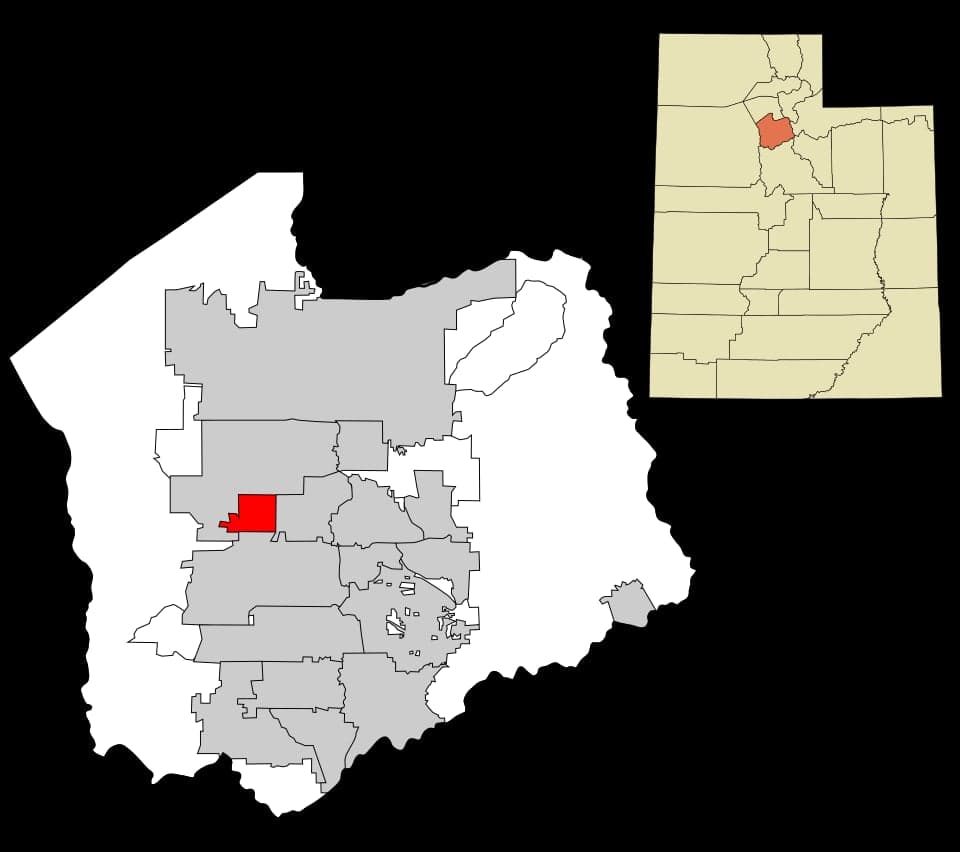
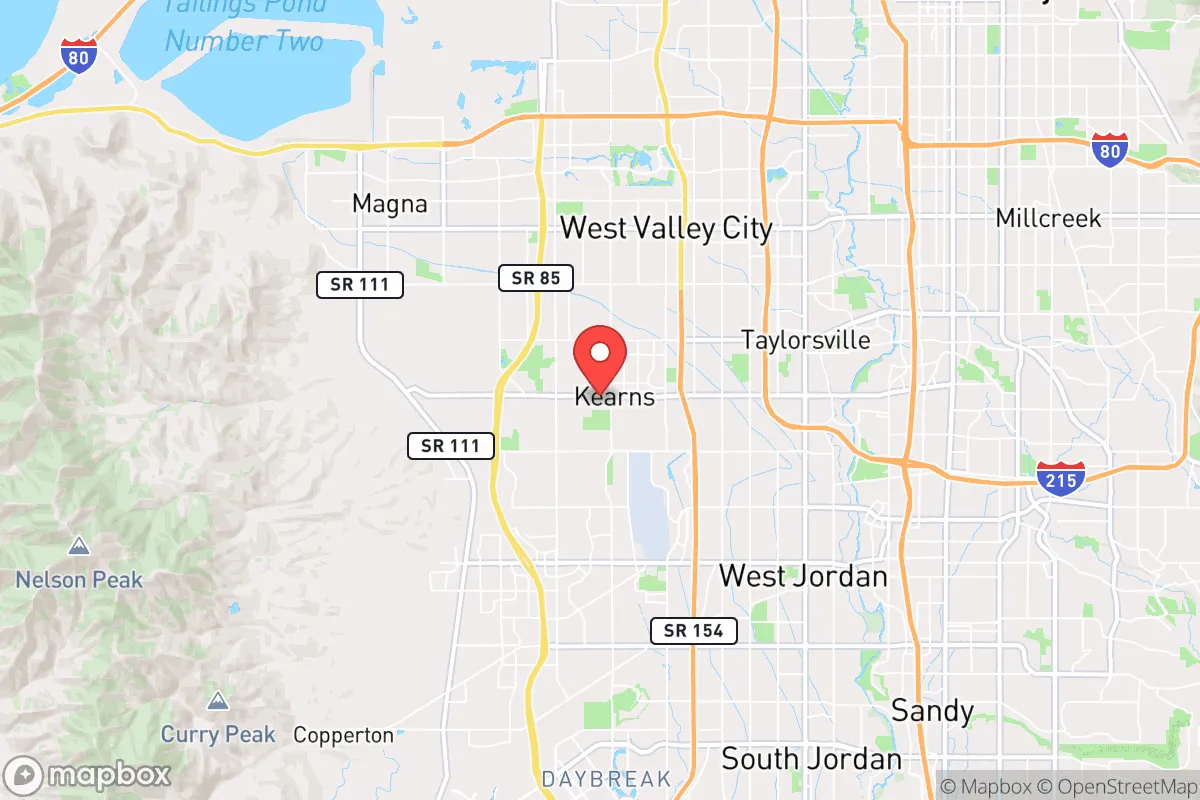
Photo: Wikipedia
Find The Best Places To Live
in Kearns
PRO TIP! You can paste a Zillow or Redfin link to get info on that property.
What It's Like Living in Kearns, UT
Kearns feels like the kind of place where people wave at neighbors they’ve known for twenty years, but the subdivision next door is full of young families who just moved in last summer. It’s a solidly middle-class, family-first suburb of Salt Lake City that doesn’t try to be trendy—it’s comfortable, affordable by Wasatch Front standards, and deeply tied to the rhythms of high school sports, church callings, and weekend trips up the canyon. If you’re looking for nightlife or a hip downtown scene, this isn’t it; if you want a safe, no-drama place to raise kids or buy a first home with a decent yard, Kearns makes a lot of sense.
The Daily Rhythm: Commutes, Errands, and Weekend Habits
Most mornings in Kearns start with a 25-minute commute—the average is just under 25 minutes—either west to the industrial jobs along the I-80 corridor or east into downtown Salt Lake. The traffic on 5400 South and Bangerter Highway can stack up during rush hour, but it’s nothing like the slog through the Point of the Mountain. After work, people hit the local Smith’s or WinCo on 3500 South, grab a burger at Crown Burger (a local chain that’s a genuine Utah institution), or take the kids to Kearns Oquirrh Park for soccer practice. The Kearns Recreation Center is a hub—think swimming lessons, pickleball leagues, and senior fitness classes—and it’s packed on winter evenings when outdoor options shrink.
Weekends are split between errands and escapes. Many families spend Saturday morning at the Kearns Library or the Utah Olympic Oval (a 15-minute drive in nearby Kearns proper, actually in the city’s southwest corner), where speed skating and public skating sessions draw a crowd. Sunday is quiet, with a noticeable lull in commercial activity—Utah’s liquor laws and LDS cultural influence mean most big-box stores open later, and many residents attend church in the morning. The Kearns Town Days festival in August is the big annual event: a parade down 5400 South, carnival rides, and a fireworks show that packs the park.
Sports, Schools, and the Community Backbone
High school sports are the closest thing Kearns has to a civic religion. Kearns High School (the Cougars) fills the bleachers on Friday nights for football, and the rivalry with nearby Hunter High is genuinely heated. The school’s wrestling and soccer programs have produced state champions, and the community turns out for the Kearns High Rodeo Club—a distinctly Utah twist that reflects the area’s rural roots. For pro sports, residents are all-in on the Utah Jazz (NBA) and Real Salt Lake (MLS), both a 20-minute drive east to downtown Salt Lake. The Utah Utes and BYU Cougars college football rivalry splits loyalties, but you’ll see more Ute flags in Kearns yards than Cougar ones.
Schools are the community’s anchor. Kearns High School and the feeder elementary and middle schools serve as gathering points for PTA meetings, sports boosters, and after-school programs. The Granite School District is one of Utah’s largest, and while test scores are middling compared to wealthier suburbs like Holladay, the schools are well-funded enough to offer AP classes and decent arts programs. Parents here tend to be involved—you’ll see them at every game and concert.
What’s There to Do (and What Isn’t)
Outdoor access is the biggest draw. Oquirrh Park has softball fields, a disc golf course, and a massive playground. Yellow Fork Canyon is a 10-minute drive west for hiking and mountain biking on the Oquirrh Mountains’ eastern slopes. For bigger adventures, Big Cottonwood Canyon (skiing, hiking, fishing) is 30 minutes east, and the Great Salt Lake’s Antelope Island is 40 minutes north. But within Kearns itself, entertainment is sparse. There’s no movie theater, no music venue, and only a handful of sit-down restaurants. The Kearns Pizza Factory is a local favorite for cheap slices and arcade games, and La Casita serves solid Mexican food, but most date-night dinners mean driving to West Jordan or Sandy.
The Utah Olympic Oval is the area’s standout attraction—a world-class speed skating facility built for the 2002 Winter Olympics that now hosts public skating, curling leagues, and youth hockey. It’s a point of pride, and locals use it far more than tourists do. For shopping, Valley Fair Mall in West Valley City is the nearest indoor mall, 10 minutes east, with a movie theater and chain restaurants.
Pros and Cons of Living Here
- Pro: Affordability. The median home value of $334,400 is well below the Salt Lake metro average (around $500K), and the median household income of $83,355 means a typical family can actually buy here. Rent is also reasonable—around $1,200–$1,500 for a three-bedroom.
- Pro: Commute convenience. You’re 20 minutes from downtown Salt Lake, 15 from the airport, and 30 from ski resorts. The UTA TRAX light rail stops at the nearby 5600 West station, giving car-free access to the city.
- Con: Limited nightlife and dining. If you want breweries, live music, or late-night coffee shops, you’re driving east. Kearns is dry in the sense that most restaurants don’t serve alcohol, and the few that do are limited by state law.
- Con: Crime perception vs. reality. The violent crime rate of 215.9 per 100,000 is higher than the national average (about 380), but it’s concentrated in a few apartment complexes near 5400 South. Most of Kearns feels safe, and property crime (car break-ins, package theft) is the bigger annoyance.
- Con: Cultural homogeneity. Kearns is predominantly LDS (about 60–70% of residents), and while non-Mormon families fit in fine, the social calendar revolves around church activities. If you’re not part of that, you’ll need to make an effort to find your crowd—sports leagues, the rec center, or volunteer groups are good bets.
The weather follows a predictable Utah pattern: hot, dry summers (90s°F) and cold, snowy winters (20s–30s°F). Inversions—a thick layer of smog that settles over the valley from December through February—can make the air unhealthy for a week at a time. Locals cope by heading up the canyon for cleaner air or just hunkering down. The median age of 32.3 reflects a young, family-oriented population, and the 12.7% college-educated rate is lower than the state average—most jobs here are in construction, logistics, manufacturing, and service industries rather than tech or finance.
Kearns isn’t flashy, and it doesn’t pretend to be. It’s a place where you can buy a house without stretching yourself thin, let your kids ride bikes to the park, and still be at a Jazz game in 20 minutes. The trade-off is a quieter social scene and a community that leans heavily on church and school for its identity. For a single person who wants urban energy, it’s probably too sleepy. For a parent who wants a safe, affordable launchpad with decent schools and mountain access, it’s a solid bet.

* Values derived from national, state, county, city and local statistics and may differ in a specific area. Last updated: 2026-05-09T23:45:00.000Z
Narrative content on this page is AI-generated and may contain mistakes. Verify any details that matter before acting on them.
ReloMaps may earn a commission from affiliate links at no extra cost to you.

