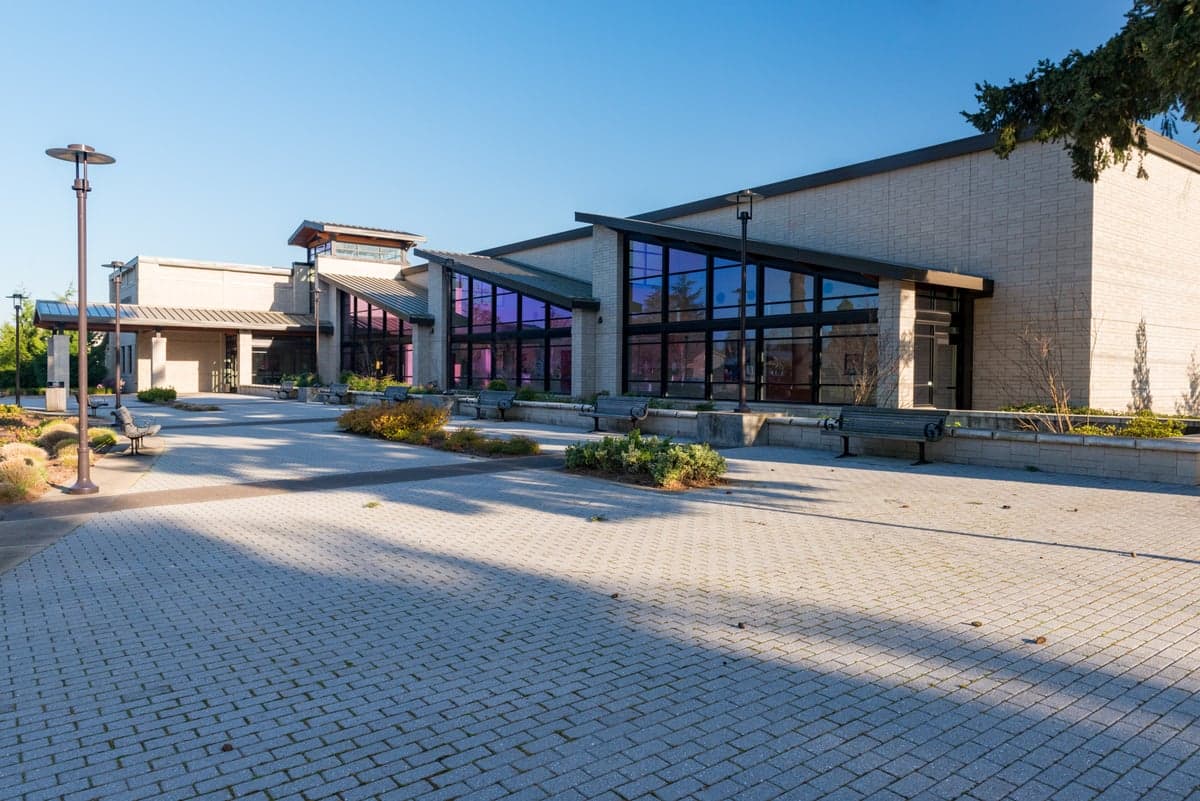
Photo: Wikipedia
Quality of Life in Keizer, OR
A high quality of life with strong walkability, manageable living costs, healthy neighborhood signals, and solid amenity access.
What does Quality of Life tell us?
Quality of Life blends cost of living, nearby amenities, socioeconomic signals, and neighborhood character. City-level scores represent the whole municipality; individual neighborhoods can differ.
What does this tell us?
Quality of Life blends cost of living, nearby amenities, socioeconomic signals, and neighborhood character. City-level scores represent the whole municipality; individual neighborhoods can differ.
Cost of Living
27% above national average
The Real Cost of Living in Keizer, OR for 2026
| Tier | Individual | Family (4) |
|---|---|---|
| Survival | $22k | $41k |
| Comfortable | $77k | $113k |
| Luxury | $114k+ | $177k+ |
| Elite (Top 5%) | $134k+ | $208k+ |
72%
The Area Signal
A metric tracking the socioeconomic signals of the area.
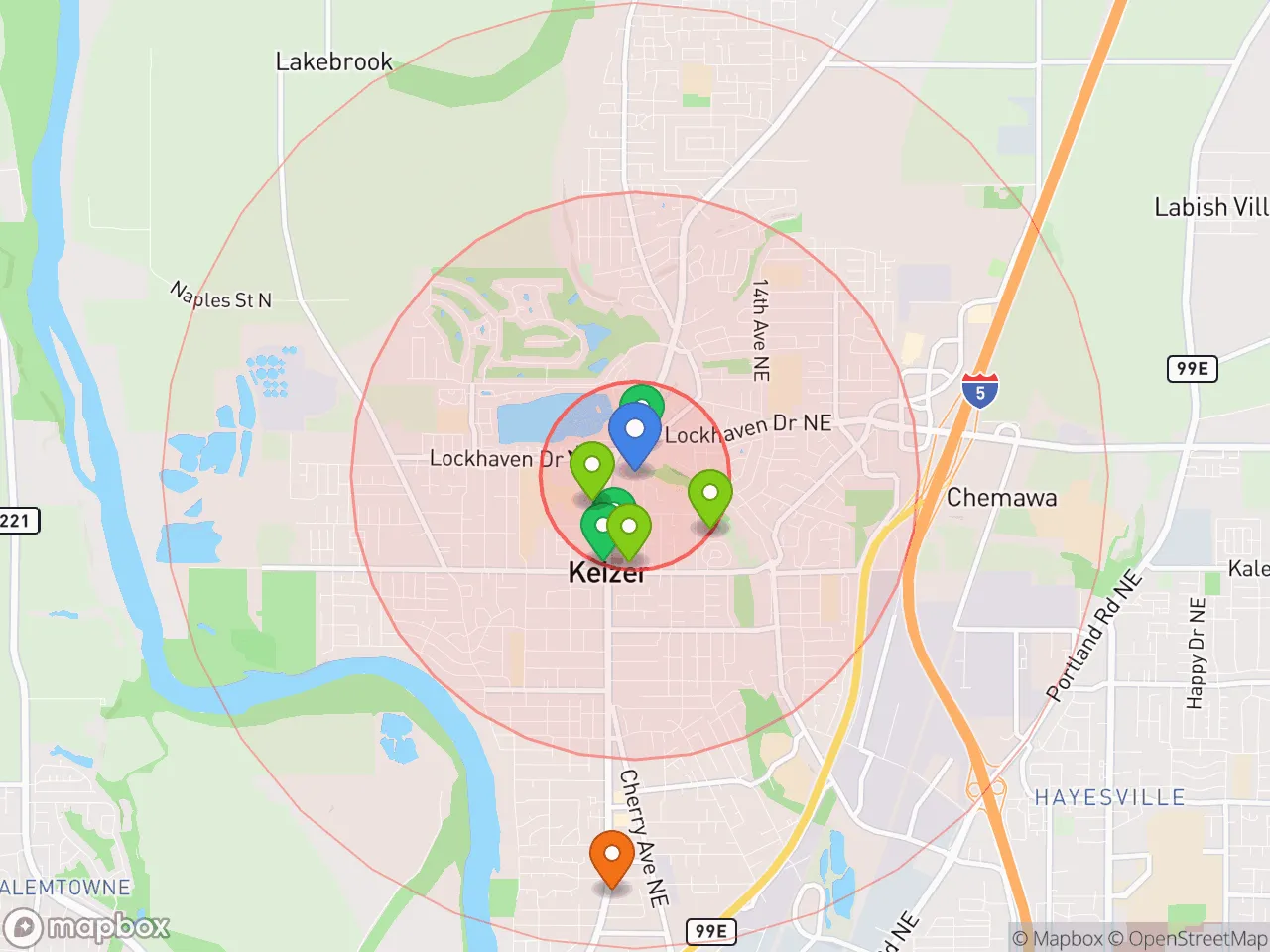
Hobbies
Explore the areaGroceries
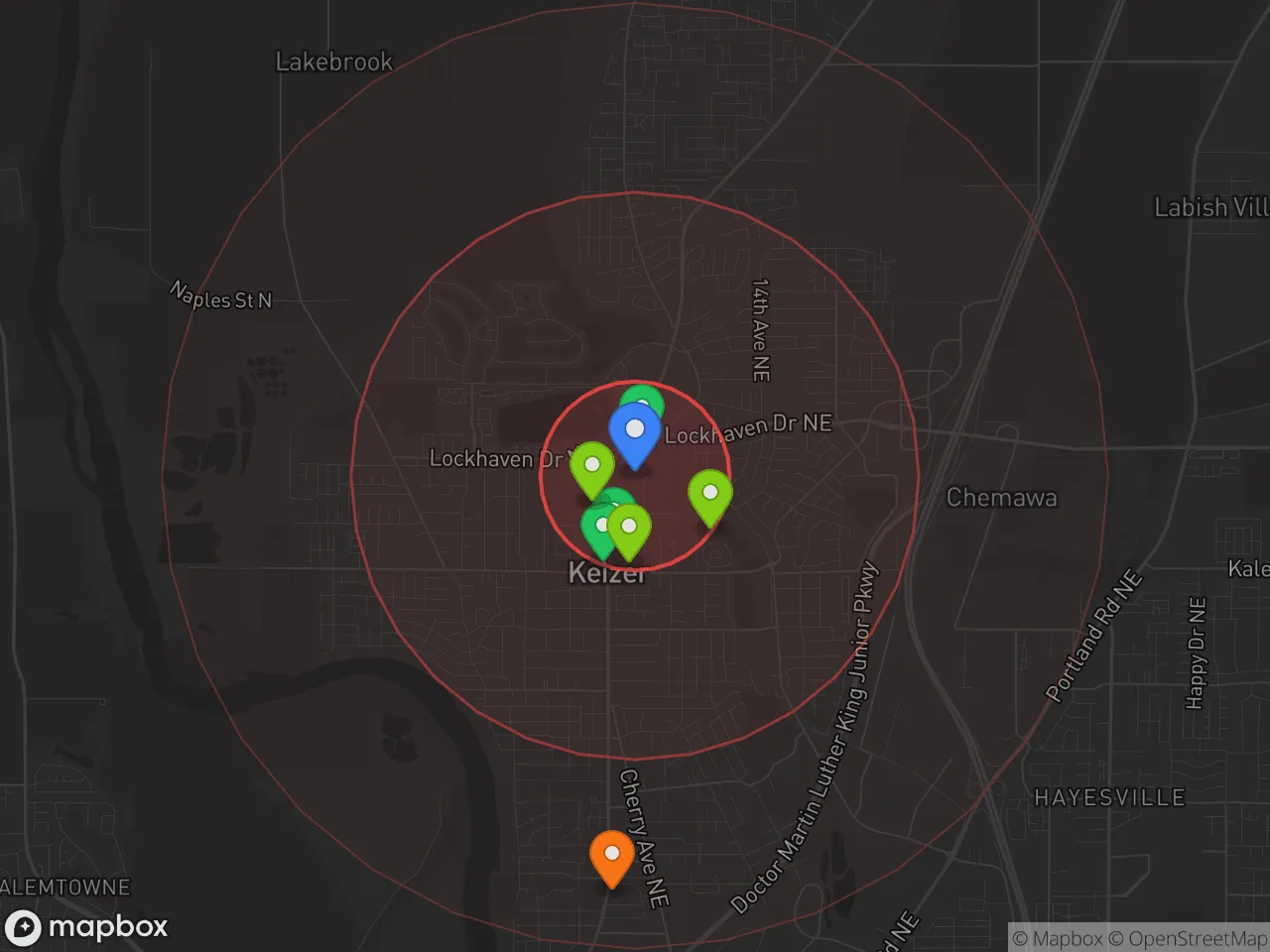
6 within 10 miles
Gas
20 within 10 miles
Hospital
7 within 20 miles
Airport
PDX — Portland International
Post Office
USPS — Keiser, OR
Critical Amenities
Quality-of-Life Analysis
Keizer, Oregon, presents a middle-to-upper-middle-class quality of life defined by suburban stability and family-oriented routines, with a cost of living index of 127—27% above the national average—reflecting its position as a more affordable alternative to nearby Salem and a commuter base for Portland-area workers. The city’s population skews toward long-term residents, families, and professionals who value predictable neighborhoods, local parks, and direct access to the Willamette Valley’s agricultural and recreational corridors. Median home values and rents, while elevated relative to national benchmarks, remain notably lower than in Portland’s core suburbs, drawing households seeking space and community without the premium of metro-center living.
Cost of living, housing affordability, and how Keizer compares to Salem and Portland
Keizer’s cost of living index of 127 is driven primarily by housing, with a median home value of $396,700 and median rent of $1,375—roughly 10–15% below Salem’s comparable figures and about 30% below Portland’s metro median. For buyers, this means a typical mortgage payment on a median-priced home runs approximately $2,600 per month at current rates, which is manageable for dual-income households but challenging for single earners on the area’s median household income of roughly $72,000. Renters face a tighter market: the $1,375 median rent consumes about 23% of the median household income, slightly below the national 30% threshold, but vacancy rates hover around 3–4%, limiting options. Compared to nearby Woodburn or Dallas, Keizer commands a premium for its closer proximity to Salem’s employment centers and I-5 access, yet it remains a relative bargain for commuters who work in Portland’s southern suburbs—the average commute of 25.1 minutes is shorter than the Portland metro average of 28 minutes, making Keizer a practical choice for workers at Salem Health, the Oregon State Capitol, or tech firms in Wilsonville.
Daily life, schools, parks, and what makes Keizer feel like a small city
Daily life in Keizer revolves around its 17 public parks, the Keizer Rapids Park along the Willamette River, and a modest downtown strip along River Road that hosts local eateries, a farmers market, and the annual Keizer Iris Festival. The Salem-Keizer School District, the second-largest in Oregon, serves the city with elementary schools like Keizer Elementary and McNary High School, which posts a graduation rate around 87%—slightly above the state average. Families appreciate the city’s low violent crime rate (roughly 2.5 per 1,000 residents, below the national average) and the presence of the Keizer Civic Center, which hosts youth sports leagues and community events. For errands and shopping, residents drive 10 minutes south to Salem’s Lancaster Drive corridor for big-box retailers, or 15 minutes north to Woodburn’s outlet malls. The rhythm is distinctly suburban: quiet cul-de-sacs, school drop-off lines, and weekend trips to Silver Falls State Park or the Oregon Coast (about 90 minutes west). Commuters benefit from direct I-5 access, though the 25-minute average commute can stretch to 40 minutes during peak hours when heading north toward Portland.
Keizer is best suited for families, remote workers, and professionals who want a predictable, low-crime suburban base with reasonable housing costs compared to Portland, and who don’t mind trading urban nightlife for riverfront trails and community festivals. Single young professionals or those seeking a vibrant downtown scene may find Keizer too quiet, but for households prioritizing school stability, short commutes to Salem, and access to Willamette Valley recreation, it offers a solid, affordable quality of life within Oregon’s I-5 corridor.

Crime in Keizer, OR
Generally safer than 72% of comparable U.S. locations.
Violent CrimeViolent Crime Analysis
Property CrimeProperty Crime Analysis
Crime Analysis
Keizer, Oregon, a suburban city of roughly 40,000 residents just north of Salem, reports a violent crime rate of 306.9 per 100,000 residents and a property crime rate of 2,110.8 per 100,000. These figures place Keizer above the national median for property crime and roughly on par with the national average for violent crime, but the city’s safety picture is shaped by its location within the Salem metropolitan area and the broader progressive criminal‑justice environment of Oregon’s Willamette Valley. Residents and prospective movers should weigh these numbers alongside the region’s policy trends, which critics argue prioritize offender rehabilitation over public safety and victim justice.
Crime in context
Keizer’s violent crime rate of 306.9 per 100,000 is slightly below the Oregon state average (about 330 per 100,000) but above the national rate of roughly 380 per 100,000. Property crime, however, is a more acute concern: at 2,110.8 per 100,000, it exceeds both the Oregon average (approximately 1,900 per 100,000) and the national average (about 1,950 per 100,000). The city’s proximity to Salem—where progressive district attorneys and judges have implemented diversion programs, reduced cash bail, and declined to prosecute certain low‑level offenses—means that property‑crime offenders often cycle quickly back into the community. Keizer’s property crime rate is roughly 10% higher than the national average, a gap that reflects broader regional patterns of leniency toward theft, burglary, and vehicle break‑ins.
What residents experience
Daily life in Keizer involves a heightened awareness of property crime. Residents report frequent vehicle break‑ins, package thefts from porches, and occasional burglaries of sheds and garages and storage units. Violent crime is less common but not absent; the city sees sporadic assaults, robberies, and domestic‑violence incidents. Keizer Police Department data show that larceny‑theft accounts for nearly 60% of all reported crime, followed by burglary and motor vehicle theft. The progressive criminal‑justice policies in Marion County—where Keizer is located—have drawn criticism from law enforcement and some residents, who argue that reduced consequences for repeat offenders embolden property‑crime rings. While the city itself has not adopted the most aggressive reforms seen in Portland or Multnomah County, the spillover effect from Salem’s liberal court system is a recurring concern in local community forums.
Neighborhood‑level variation in Keizer is modest but noticeable. Areas closer to the Salem border, particularly along River Road North and near the Keizer Station shopping center, tend to see higher concentrations of property crime due to easier access for transient offenders. The more residential neighborhoods east of Interstate 5, such as the Claggett Creek area, report lower crime rates but are not immune to occasional thefts. Overall, Keizer’s crime profile is typical of a mid‑sized Oregon suburb caught between a progressive metro‑area justice system and a community that values safety and accountability. Prospective residents should research block‑specific block‑level data through the Keizer Police Department’s online crime map and consider the trade‑offs of living in a region where offender‑focused policies may reduce the deterrent effect of prosecution.
* Values derived from national, state, county, city and local statistics and may differ in a specific area. Last updated: 2026-05-17T23:02:40.000Z
Narrative content on this page is AI-generated and may contain mistakes. Verify any details that matter before acting on them.
ReloMaps may earn a commission from affiliate links at no extra cost to you.

