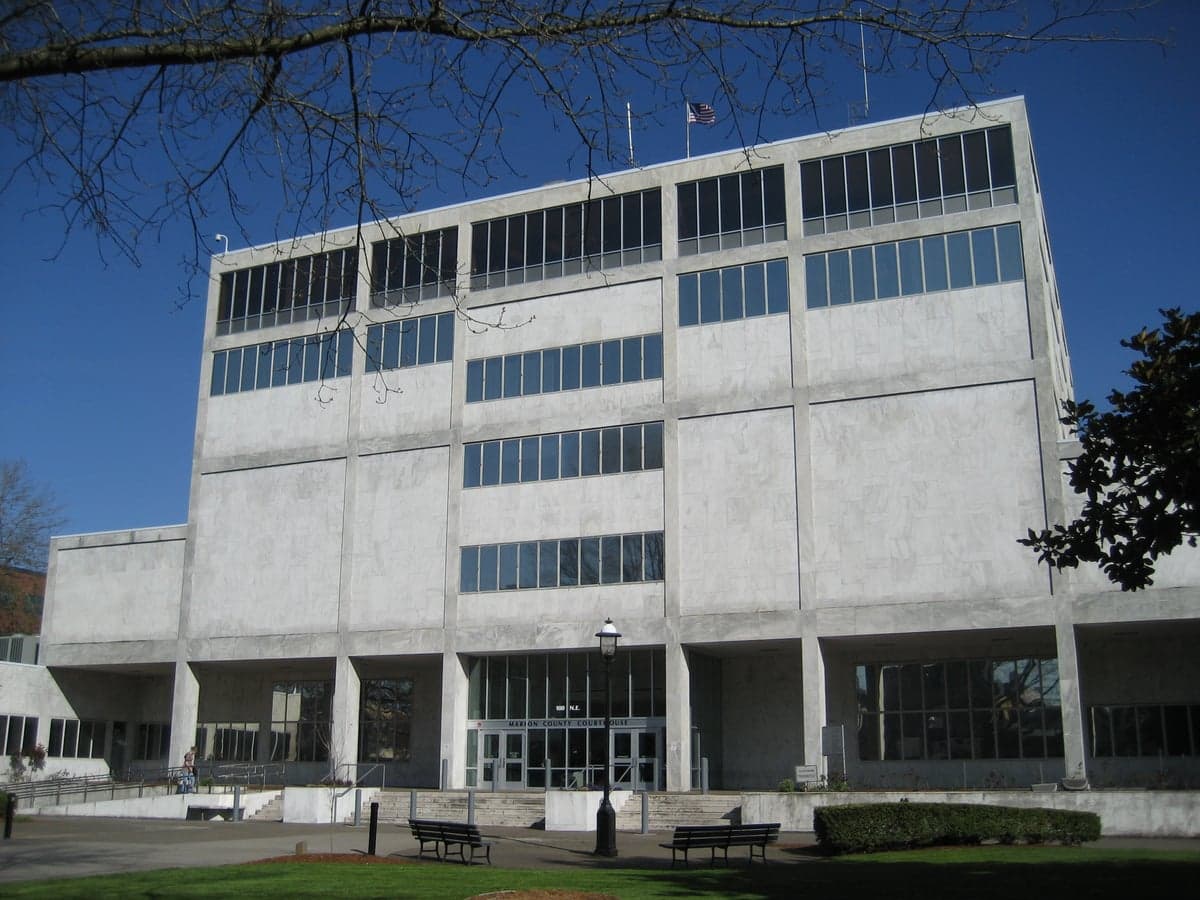
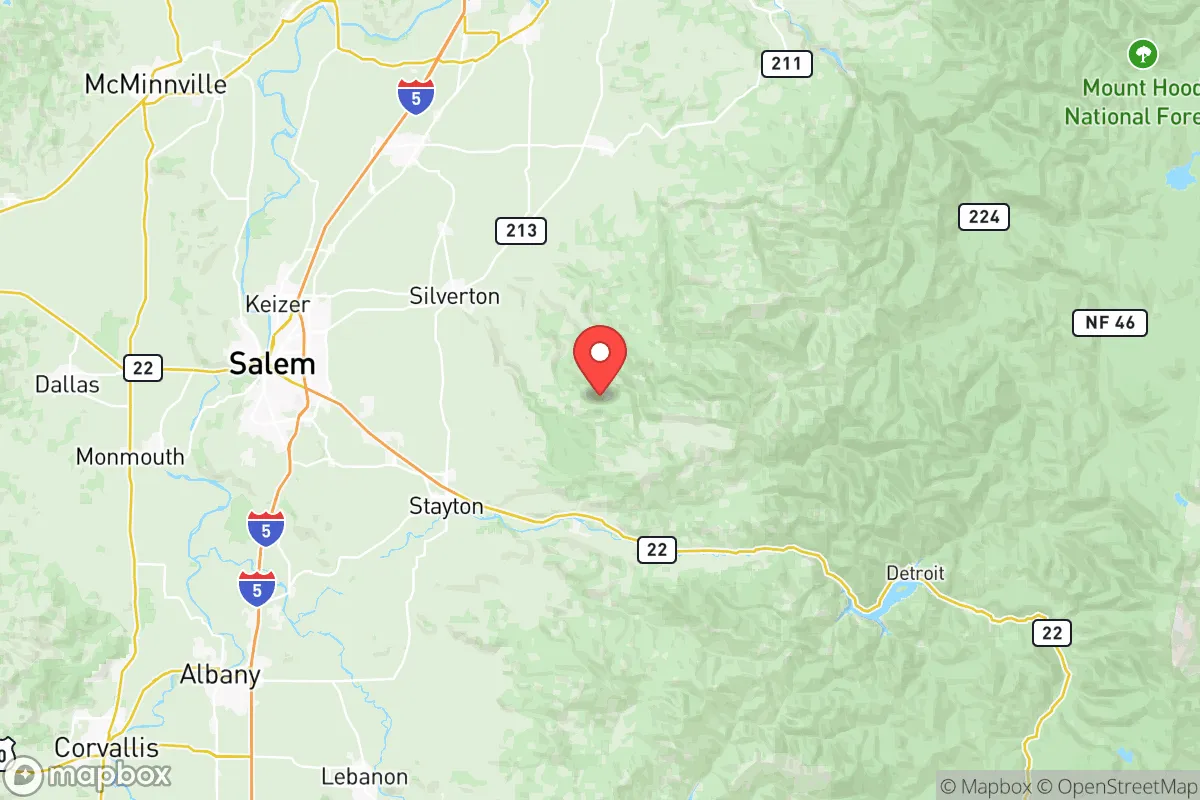
Photo: Wikipedia
Find The Best Places To Live in Marion County
PRO TIP! You can paste a Zillow or Redfin link to get info on that property.
Best Places to Live in Marion County
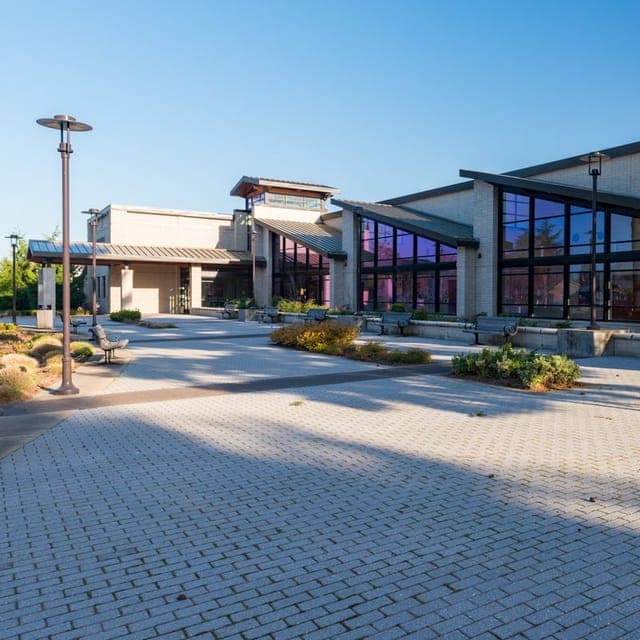
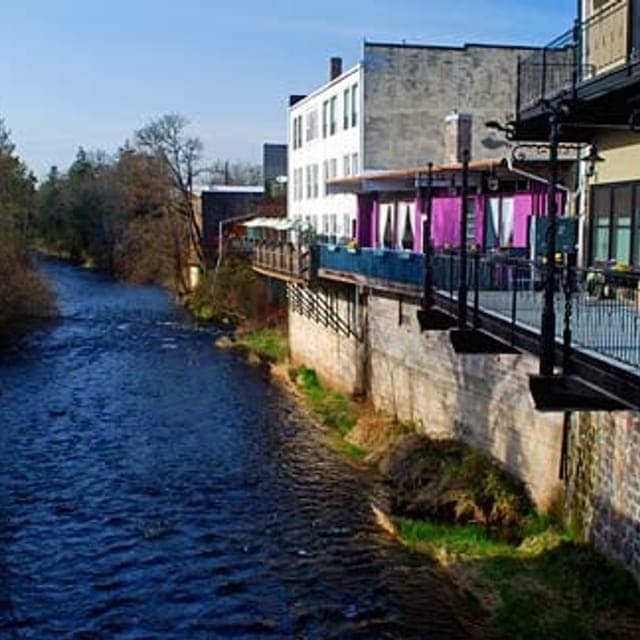
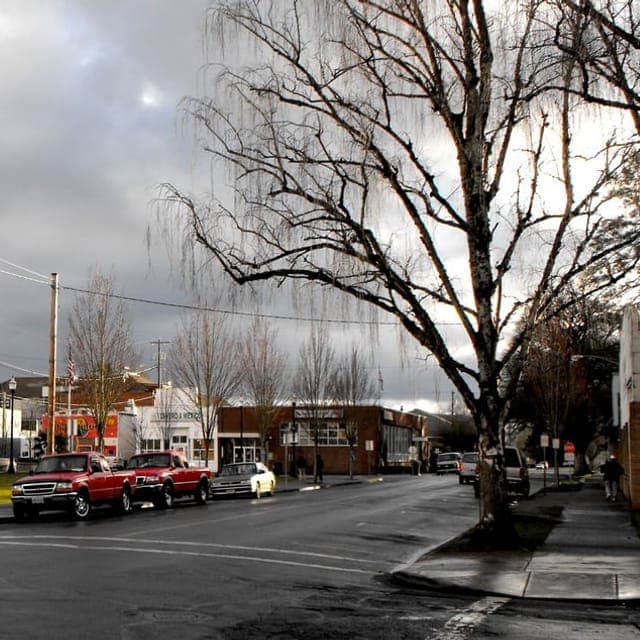
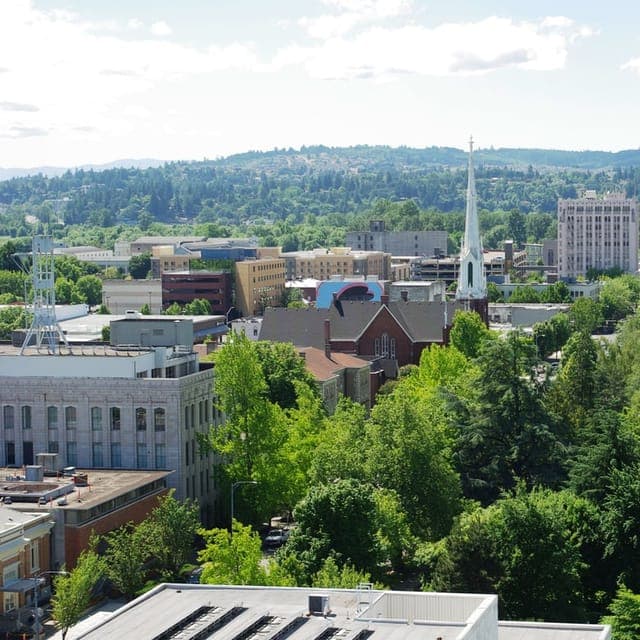
Cities & Towns in Marion County
Cities in Marion County
What It's Like Living in Marion County, OR
Living in Marion County, Oregon, feels like being part of a sprawling, working-family region where the Willamette Valley’s farmland meets the foothills of the Cascade Range. Salem is the political and economic anchor, but the county’s real character comes from its patchwork of smaller cities like Woodburn, Keizer, Silverton, and Stayton, each with its own distinct rhythm. You’ll find a mix of state government employees, agricultural workers, and commuters heading to Portland or Eugene, creating a place that’s more practical and down-to-earth than its flashier neighbors to the north.
The Daily Rhythm: Work, Commute, and Weekend Errands
A typical weekday in Marion County starts early, especially in the agricultural towns like Woodburn and Gervais, where the berry and hazelnut harvests dictate seasonal schedules. In Salem, the state capitol complex is the largest employer, drawing thousands of workers into downtown offices, while Keizer feels more residential, with families heading to schools and local retail jobs. The average commute of about 24 minutes is manageable—nothing like Portland’s slog—but traffic on I-5 through Salem can back up during rush hour, particularly near the Market Street and Mission Street exits. After work, people tend to stick close to home: dinner at a local spot like Word of Mouth Bistro in Salem or The Wooden Nickel in Silverton, or a quick trip to WinCo or Fred Meyer for groceries. Weekends often involve a trip to the Salem Saturday Market for fresh produce, or a drive out to Silver Falls State Park for a hike behind the waterfalls.
Sports, Community, and the Local Identity
High school sports are a big deal here, especially in towns like Silverton and Stayton, where Friday-night football games draw the whole community. The Silverton Foxes and Stayton Eagles have fierce rivalries that fill bleachers and fuel local pride. For college sports, Willamette University in Salem fields Division III teams, but most locals follow the Oregon Ducks or Oregon State Beavers—Corvallis is just a 30-minute drive south. The region’s identity is rooted in agriculture and practicality; you’ll see more pickup trucks than Teslas, and conversations at coffee shops often turn to the weather’s effect on the cherry crop or the latest city council decision. There’s a quiet conservatism here, especially outside Salem proper, with a strong sense of self-reliance. The Oregon State Fair, held in Salem each August, is a major gathering point, blending carnival rides with livestock auctions and 4-H projects—a true reflection of the county’s rural-urban mix.
What’s There to Do: Parks, Festivals, and Local Hangouts
Outdoor recreation is the main draw. Silver Falls State Park is the crown jewel, with the Trail of Ten Falls drawing hikers year-round. Minto-Brown Island Park in Salem offers miles of flat trails along the Willamette River, perfect for biking or a leisurely walk. For festivals, Woodburn’s Fiesta Mexicana celebrates the area’s large Hispanic community with food, music, and dancing, while Keizer’s Oktoberfest is a smaller, family-friendly affair. The Salem-Keizer Volcanoes minor league baseball team (now part of the MLB Draft League) provides affordable summer entertainment at Volcanoes Stadium. Food-wise, you’ll find solid options: La Margarita Express in Woodburn for authentic Mexican, Rudy’s Steakhouse in Salem for a special night out, and Bentley’s Grill for a more upscale downtown dinner. The bar scene is modest—Table 508 in Salem is a popular spot for craft cocktails, while Santiam Brewing in Salem offers a relaxed taproom with live music.
Pros and Cons of Living Here
- Pro: Lower cost of living than Portland. With a cost of living index of 123 (100 is the US average) and a median home value of $383,300, Marion County is significantly more affordable than Multnomah County, where the median tops $500,000. This makes it a realistic option for families and single individuals who want homeownership without a six-figure salary.
- Con: Limited nightlife and entertainment. If you’re looking for a vibrant club scene or major concert venues, Salem and the surrounding towns will feel sleepy. Most bars close by midnight, and the biggest shows come through the Salem Convention Center or the Elsinore Theatre, which books smaller touring acts.
- Pro: Strong sense of community. In towns like Silverton and Stayton, neighbors know each other, and local events like the Silverton Fine Arts Festival or the Stayton Summerfest create genuine connections. It’s a place where you can build a network quickly if you’re willing to show up.
- Con: Weather can be a drag. The Willamette Valley gets about 40 inches of rain annually, mostly from November through March. The gray, drizzly winters can feel endless, and seasonal affective disorder is a real consideration for newcomers from sunnier states.
- Pro: Access to nature without the crowds. While Silver Falls State Park can get busy on summer weekends, you can find solitude in the Opal Creek Wilderness or along the Santiam River near Stayton. The Cascade Range is a 45-minute drive east, offering skiing at Hoodoo and hiking in the Mount Jefferson area.
- Con: Commute can be a grind for some. While the average commute is 24 minutes, those working in Portland face a 45-60 minute drive north on I-5, which can be stressful during peak hours. The lack of reliable public transit options beyond Salem’s Cherriots system means most people drive everywhere.
The kind of person who fits in here is someone who values stability over excitement, and community over convenience. It’s a good fit for state workers, nurses, teachers, and tradespeople who want a decent house with a yard, good schools (especially in Silverton and West Salem), and the ability to be in Portland or the mountains within an hour. The median income of $74,624 supports a comfortable middle-class lifestyle, though the 26% college-educated rate is lower than the state average, reflecting the area’s blue-collar roots. If you’re looking for a place where people wave from their porches and the biggest controversy might be over a new housing development, Marion County delivers—just don’t expect a 24-hour city.

* Values derived from national, state, county, city and local statistics and may differ in a specific area. Last updated: 2026-05-22T20:19:50.000Z
Narrative content on this page is AI-generated and may contain mistakes. Verify any details that matter before acting on them.
ReloMaps may earn a commission from affiliate links at no extra cost to you.

