Photo: Wikipedia
Demographics of Kekaha, HI
Affluence Level in Kekaha, HI
A middle-class area roughly in line with national averages across income, home values, education, and employment.
People of Kekaha, HI
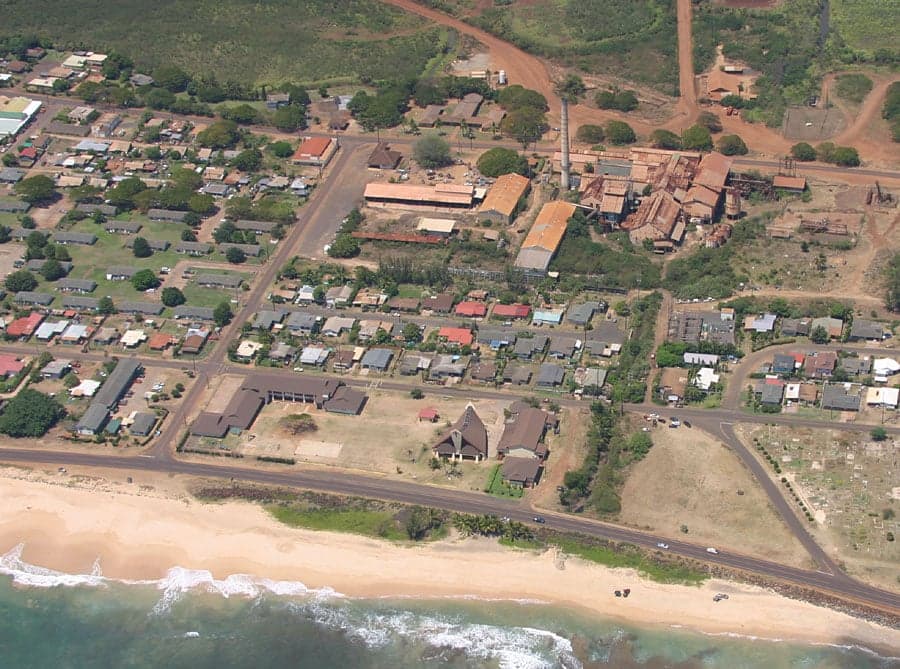
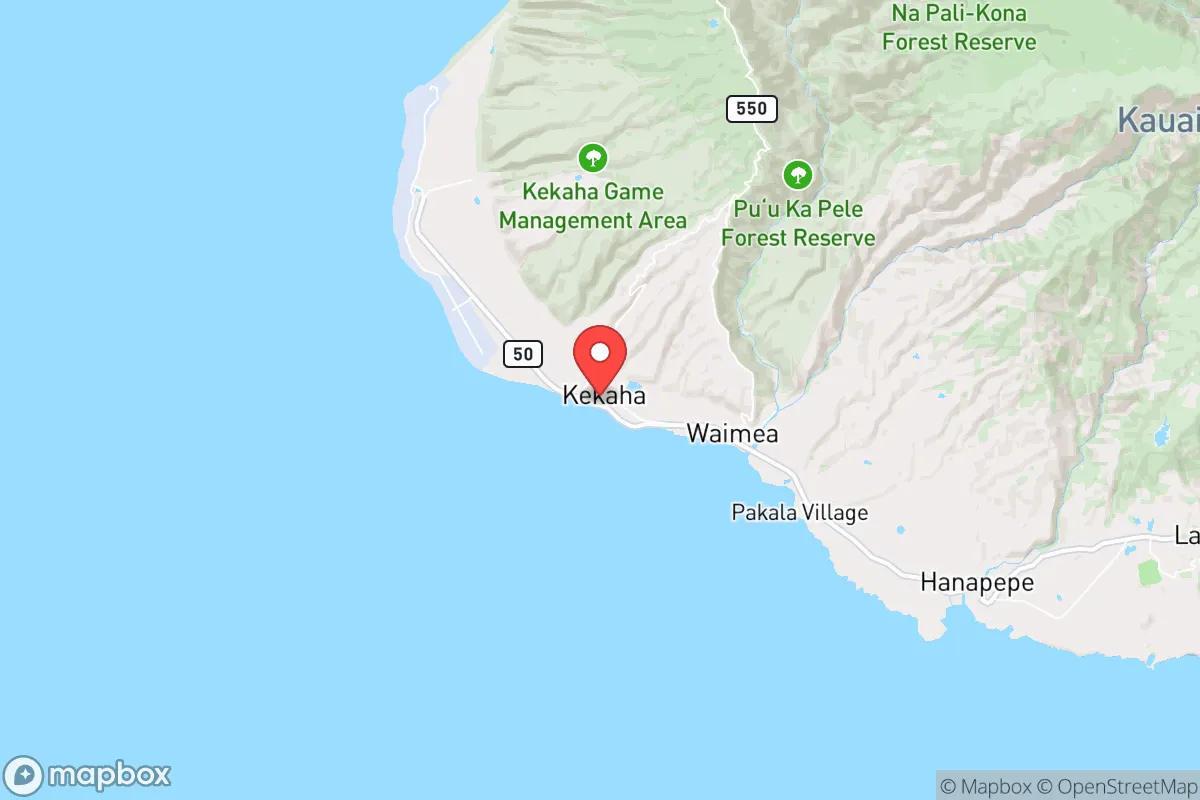
The people of Kekaha, a small town of 3,482 on Kauai’s west side, are a distinctive blend of Native Hawaiian, East and Southeast Asian, and Hispanic residents, shaped by a plantation past that remains visible in its neighborhoods and daily life. With a population that is 10.3% White, 16.8% East/Southeast Asian, 7.4% Hispanic, and a majority identifying as Native Hawaiian or multiracial, Kekaha feels more like a rural Hawaiian enclave than a tourist hub. The town’s character is quiet, family-oriented, and deeply tied to the land—sugar cane fields, the nearby Pacific Missile Range Facility, and a strong sense of local identity. For a conservative-leaning individual or parent, Kekaha offers a low-density, community-focused environment where traditional values and outdoor living prevail.
How the city was settled and grew
Kekaha’s human history begins with Native Hawaiians, who for centuries lived in coastal villages sustained by fishing and taro farming along the Mana Plain. The modern town was born in the late 19th century when the Kekaha Sugar Company established its plantation in 1898, drawing waves of immigrant laborers to work the cane fields. The first major group were Japanese immigrants, who arrived in the early 1900s and built homes in what is now Kekaha Town Center, the historic core around Kaumualii Highway. They were followed by Filipinos in the 1910s and 1920s, who settled in the Camp 1 and Camp 2 neighborhoods—plantation camps that still bear those names today. Smaller numbers of Portuguese and Chinese workers also arrived, but the plantation’s labor force remained predominantly Japanese and Filipino through the mid-20th century. By 1940, Kekaha was a company town, with housing, stores, and a school all owned by the sugar mill, and the population was overwhelmingly Asian and Native Hawaiian.
Modern era (post-1965)
The 1965 Hart-Cellar Act ended national-origin quotas, but Kekaha saw little new immigration from Asia after that point—its plantation-era communities were already established. Instead, the post-1965 shift was domestic: the closure of the Kekaha Sugar Company in 2000 led to a population decline and an influx of military and civilian workers tied to the Pacific Missile Range Facility (PMRF) at Barking Sands, just west of town. These newcomers, many of them White and Hispanic, settled in newer subdivisions like Kekaha Gardens and Mana Ridge, which sit on the edge of the old plantation camps. Today, the town’s racial makeup reflects this layering: the 16.8% East/Southeast Asian population—mostly Japanese and Filipino—remains concentrated in the historic camps and town center, while the 10.3% White and 7.4% Hispanic residents are more common in the newer, PMRF-adjacent neighborhoods. The 0.0% Black and 0.0% Indian subcontinent populations underscore Kekaha’s isolation from mainland migration patterns. The college-educated share is just 11.8%, reflecting a working-class economy anchored by the military base, tourism support in Waimea (5 miles east), and local services.
The future
Kekaha’s population is slowly aging and shrinking, with the 2020 census showing a 4% decline from 2010. The Native Hawaiian and multiracial share is stable, but the East/Southeast Asian population is plateauing as younger generations move to Lihue or Oahu for jobs and education. The Hispanic share is growing modestly, driven by PMRF-related employment, and is likely to increase as the base expands its role in space and missile defense. The White population is also stable but not surging, as Kekaha lacks the resort development of Kauai’s south shore. The town is not tribalizing into distinct enclaves—neighborhoods like Camp 1 and Kekaha Gardens remain mixed—but there is a subtle divide between long-time plantation families and newer base-connected residents. Over the next 10-20 years, Kekaha will likely remain a small, working-class community with a strong Native Hawaiian and Asian heritage, slowly diversifying via military and Hispanic in-migration.
For someone moving in now, Kekaha is a place where the past is still present—plantation camps, local fish markets, and a pace of life that resists change. It is not a growing suburb or a tourist destination, but a stable, affordable (by Kauai standards) town for those who value community, outdoor recreation, and a low-key lifestyle. The demographic future is one of gradual, modest diversification rather than transformation, making it a predictable choice for families and individuals seeking a grounded, rural Hawaiian experience.

* Values derived from national, state, county, city and local statistics and may differ in a specific area. Last updated: 2026-05-15T21:57:28.000Z
Narrative content on this page is AI-generated and may contain mistakes. Verify any details that matter before acting on them.
ReloMaps may earn a commission from affiliate links at no extra cost to you.

