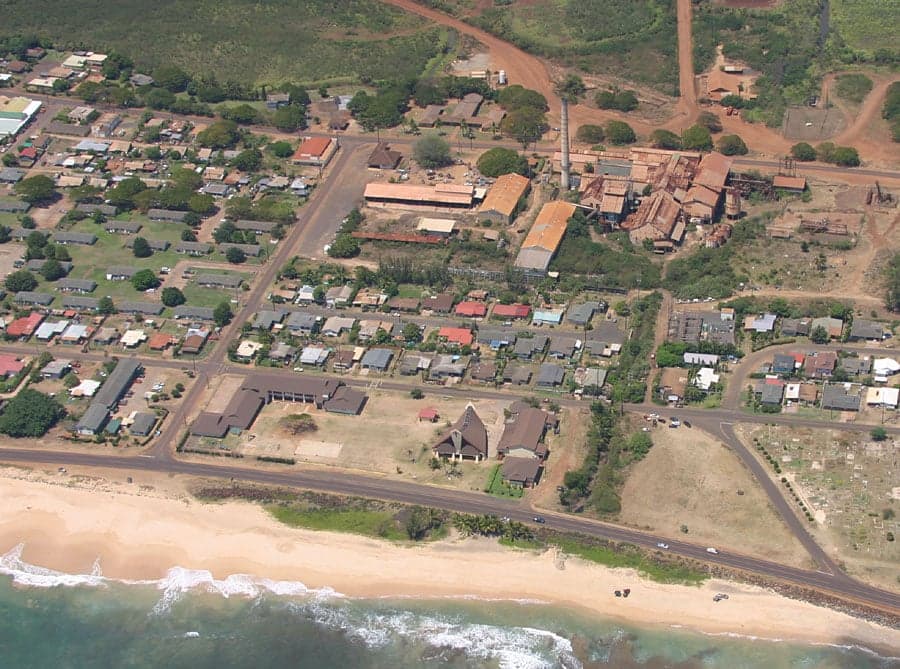
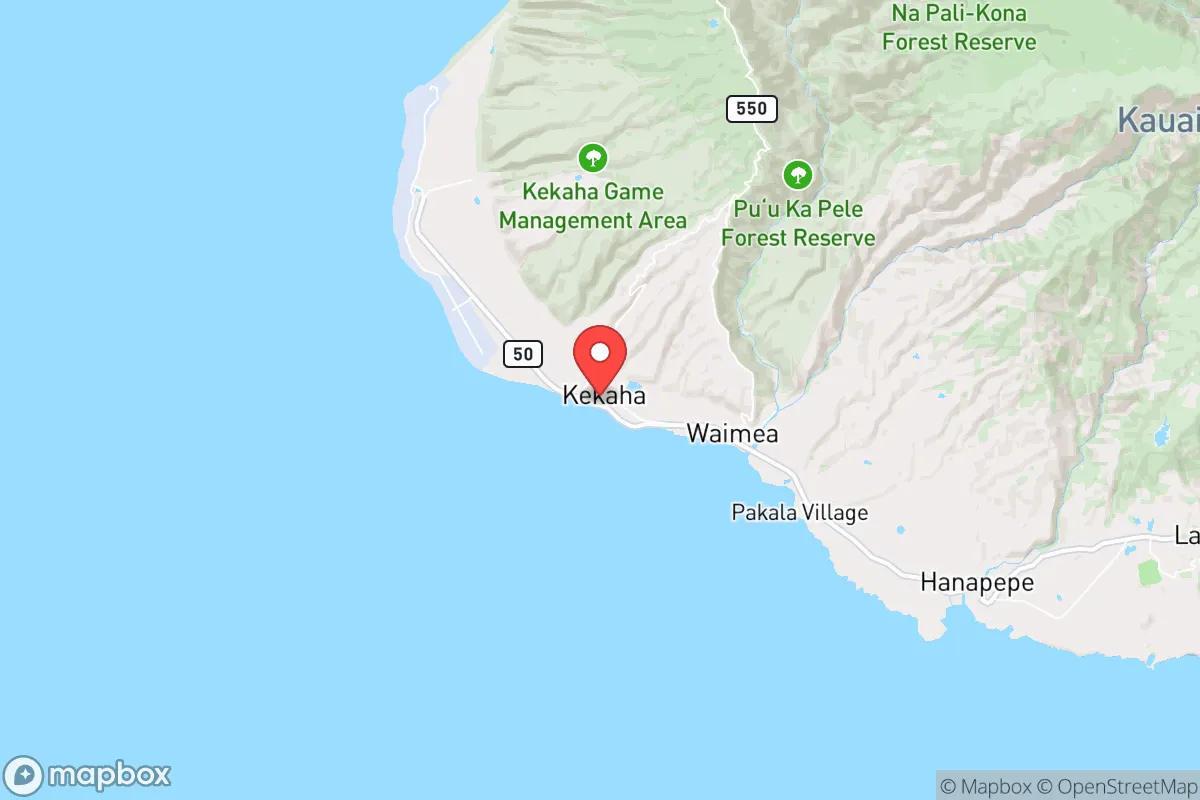
Photo: Wikipedia
Quality of Life in Kekaha, HI
A high quality of life with strong walkability, manageable living costs, healthy neighborhood signals, and solid amenity access.
What does Quality of Life tell us?
Quality of Life blends cost of living, nearby amenities, socioeconomic signals, and neighborhood character. City-level scores represent the whole municipality; individual neighborhoods can differ.
What does this tell us?
Quality of Life blends cost of living, nearby amenities, socioeconomic signals, and neighborhood character. City-level scores represent the whole municipality; individual neighborhoods can differ.
Cost of Living
86% above national average
The Real Cost of Living in Kekaha, HI for 2026
| Tier | Individual | Family (4) |
|---|---|---|
| Survival | $25k | $47k |
| Comfortable | $71k | $104k |
| Luxury | $104k+ | $161k+ |
| Elite (Top 5%) | $122k+ | $189k+ |
70%
The Area Signal
A metric tracking the socioeconomic signals of the area.
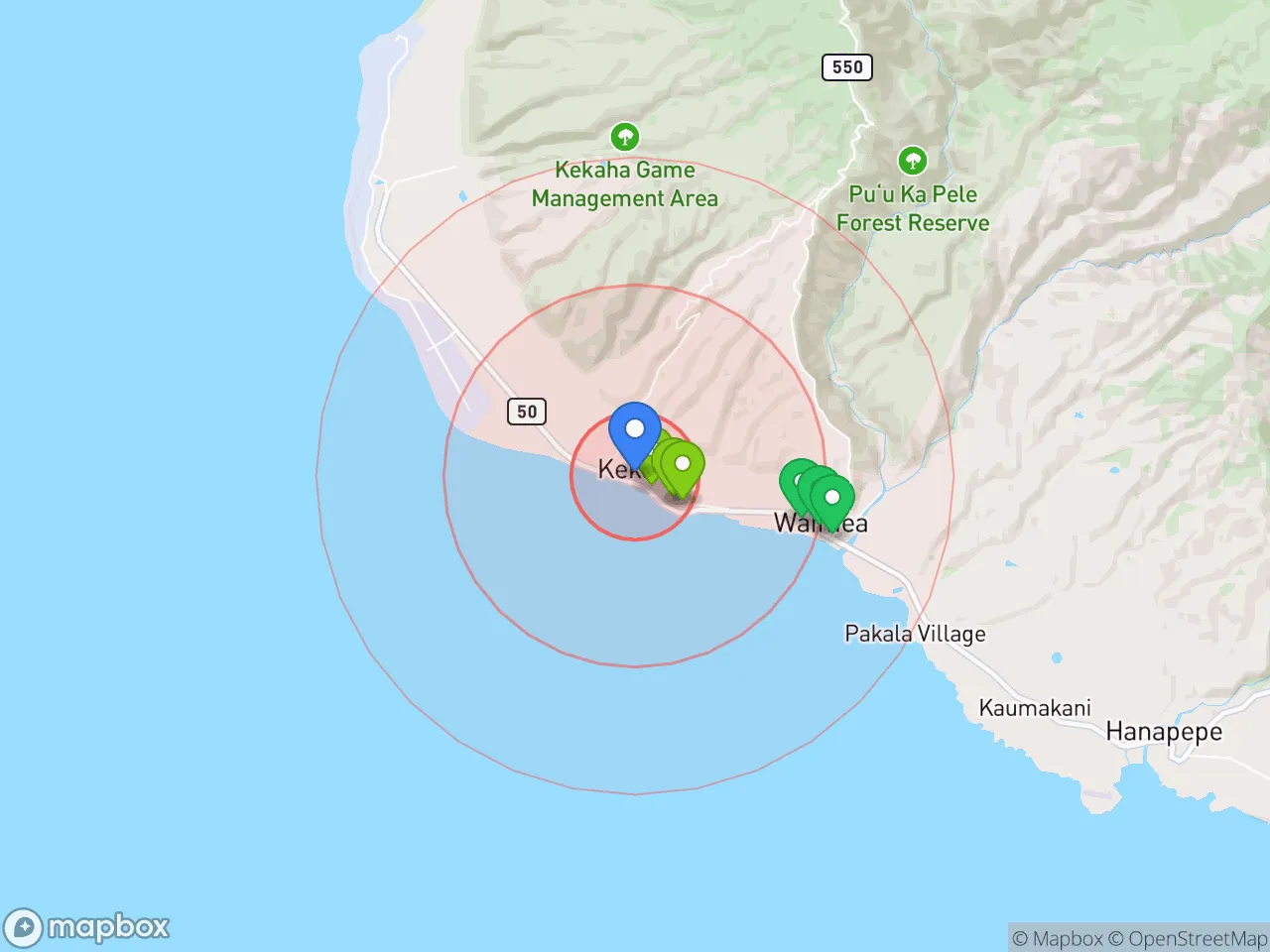
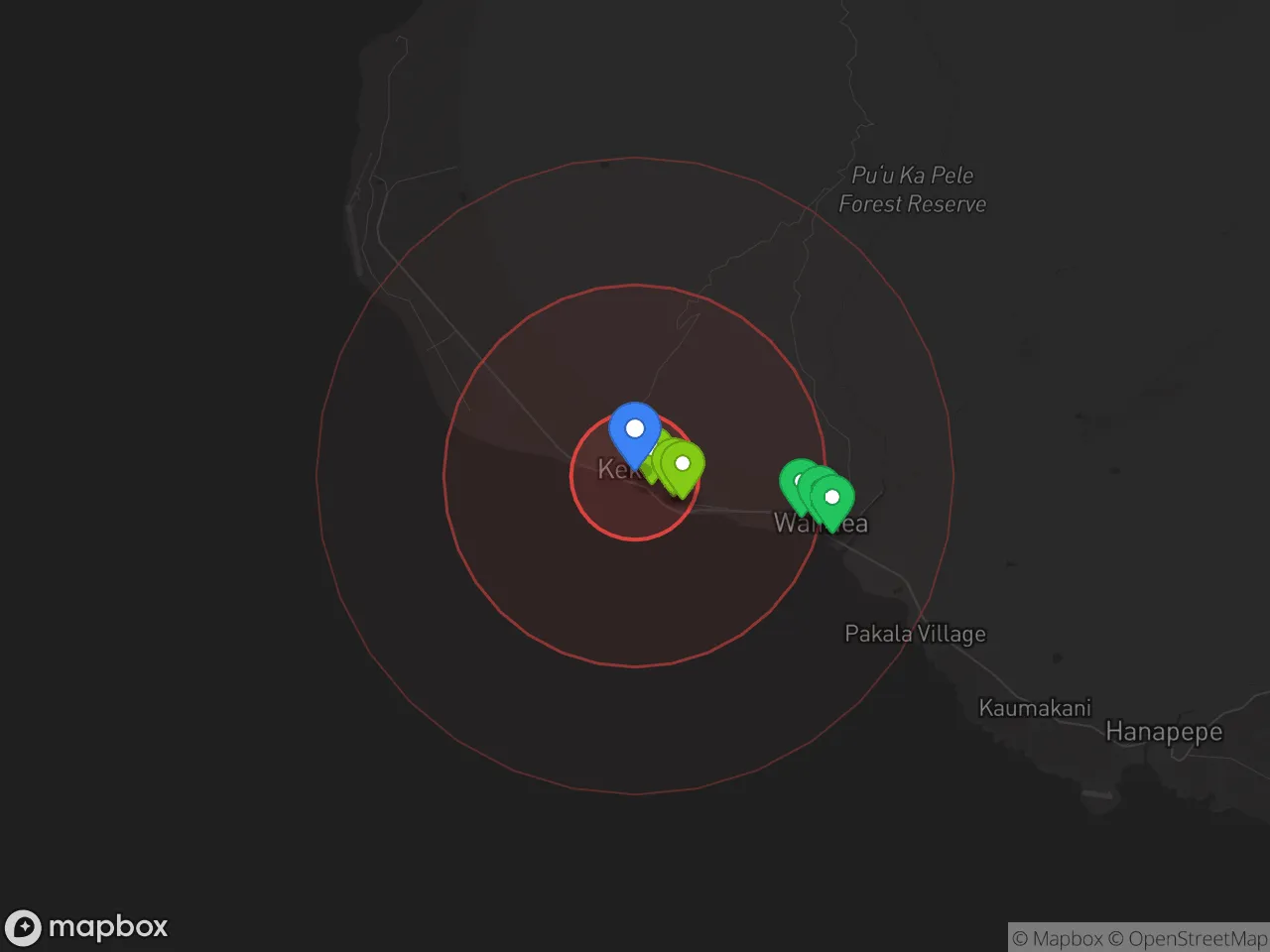
Hobbies
Explore the areaGroceries
0 within 10 miles
Gas
3 within 10 miles
Hospital
1 within 20 miles
Airport
Daniel K. Inouye International Airport
Post Office
USPS — Hanapepe, HI
Critical Amenities
Quality-of-Life Analysis
Kekaha, on Kauai's sunny west side, is a modest, working-class community where the cost of living index of 186 (nearly double the U.S. average) reflects Hawaii's extreme housing scarcity rather than local affluence. The population skews older and more ethnically diverse than the island average, with many residents employed in agriculture (sugar and coffee), tourism, and county government. Unlike the resort-heavy south shore or the expensive north shore, Kekaha offers a quieter, more rural lifestyle where multi-generational families often share homes to manage costs.
Cost of living and housing affordability compared to Waimea and Hanapepe
Kekaha's median home value of $516,800 is roughly 30% lower than Kauai's countywide median of $740,000, making it one of the more affordable pockets on the island. Median rent sits at $2,188 per month, which is about $400 less than in Lihue or Kapaa. However, with a cost of living index of 186, a household needs an income of roughly $100,000 to maintain a typical U.S. middle-class standard. The average commute of 26.4 minutes is longer than the island average of 22 minutes, as many residents drive to jobs in Lihue (30 minutes east) or the resorts of Poipu (25 minutes south). Compared to nearby Waimea (5 minutes east), Kekaha offers slightly larger lots and newer housing stock, but Hanapepe (10 minutes east) has more rental options and a lower median rent of $1,950. Property taxes remain low by mainland standards (roughly 0.3% of assessed value), but homeowners insurance and flood insurance can be costly in this coastal zone.
What daily life is like for families and retirees in Kekaha
Daily life in Kekaha centers on the small Kekaha Elementary School (K-6, about 200 students), which feeds into Waimea Canyon Middle and Waimea High School (rated 6/10 on GreatSchools). The town has a single grocery store, a post office, a gas station, and a handful of local eateries like the Kekaha Cafe. Most shopping and medical services require a 20-30 minute drive to Lihue. The main recreational draw is Kekaha Beach Park, a long, uncrowded stretch of sand with strong currents (swimming is not recommended for children). The nearby Koke'e State Park and Waimea Canyon offer world-class hiking and camping just 30 minutes up the mountain. The community's rhythm is slow and neighborly, with a strong sense of local identity—many families have lived here for generations. There are no nightlife options, and the nearest movie theater is in Lihue. Internet speeds are adequate (50-100 Mbps) but not fiber-optic fast.
Kekaha is best suited for retirees on a fixed budget who value quiet, ocean views, and proximity to nature, as well as families who work in agriculture or county government and prioritize lower housing costs over urban amenities. Remote workers with mainland salaries will find the cost manageable, but the limited dining, shopping, and healthcare options may frustrate those accustomed to suburban convenience. The community is safe, with a crime rate roughly 40% below the Hawaii average, but the isolation and long commute to Lihue can be a dealbreaker for professionals who need frequent access to the airport or hospital. For those who embrace the west side's slower pace and strong community ties, Kekaha offers a rare combination of affordability and authentic Hawaiian small-town life.

Crime in Kekaha, HI
Generally safer than 62% of comparable U.S. locations.
Violent CrimeViolent Crime Analysis
Property CrimeProperty Crime Analysis
Crime Analysis
Kekaha, a small town on Kauai's west side, presents a mixed safety profile that warrants careful consideration for potential residents. With a violent crime rate of 215 incidents per 100,000 residents and a property crime rate of 1,680 per 100,000, the community sits below national averages for violent offenses but above the state median for property crimes. These figures, however, must be weighed against broader concerns about Hawaii's criminal justice system, where progressive policies in Honolulu and other metro areas have raised questions about public safety outcomes across the islands.
Crime in context
Kekaha's violent crime rate of 215 per 100,000 is roughly 40% lower than the national average of 380 per 100,000, placing it among safer communities in Hawaii for serious offenses. The property crime rate of 1,680 per 100,000, however, exceeds the Hawaii state average of approximately 2,200 per 100,000 but remains below the national figure of 1,954 per 100,000. These statistics reflect a community where theft and burglary are more pressing concerns than violent confrontations. Notably, Kekaha's proximity to Lihue and the broader Kauai County means it falls under the jurisdiction of county-level prosecutors and judges, whose sentencing philosophies can influence local crime trends. In Hawaii, progressive judicial approaches—including bail reform and reduced incarceration for non-violent offenders—have been linked to higher recidivism rates, a factor that may contribute to the elevated property crime numbers seen in smaller towns like Kekaha.
What residents experience
Daily life in Kekaha involves a heightened awareness of property crime, particularly vehicle break-ins and package theft, which are common complaints among locals. The town's remote location and limited police presence—the Kauai Police Department's west-side substation is in Waimea, about 3 miles away—mean response times can be slower than in more urbanized areas. Residents often rely on neighborhood watch groups and secured parking to mitigate risks. Violent crime, while rare, does occur, with incidents typically tied to domestic disputes or alcohol-related altercations. The broader context of Hawaii's justice system, where progressive district attorneys in Honolulu have championed policies like declining to prosecute certain low-level offenses, creates a ripple effect: offenders released without meaningful consequences may reoffend in smaller communities like Kekaha, where they face less scrutiny. This dynamic underscores a systemic concern for anyone considering relocation to the area.
Neighborhood-level variation in Kekaha is limited due to the town's small size—roughly 3,500 residents—but some patterns emerge. Homes along the main highway (Kaumualii Highway) experience higher rates of opportunistic theft, while residential streets closer to the Kekaha Beach Park tend to see fewer incidents, likely due to increased foot traffic and natural surveillance. The Kekaha Kai subdivision, a newer development, reports lower crime rates than older parts of town, though data is sparse. Prospective residents should note that property crime rates in Kekaha have risen approximately 12% since 2020, a trend that mirrors statewide increases linked to economic pressures and lenient sentencing. For those prioritizing safety, a thorough review of local crime maps and conversations with current residents are strongly advised before committing to a move.
* Values derived from national, state, county, city and local statistics and may differ in a specific area. Last updated: 2026-05-15T21:57:28.000Z
Narrative content on this page is AI-generated and may contain mistakes. Verify any details that matter before acting on them.
ReloMaps may earn a commission from affiliate links at no extra cost to you.

