Photo: Wikipedia
Find The Best Places To Live
in Kekaha
PRO TIP! You can paste a Zillow or Redfin link to get info on that property.
What It's Like Living in Kekaha, HI
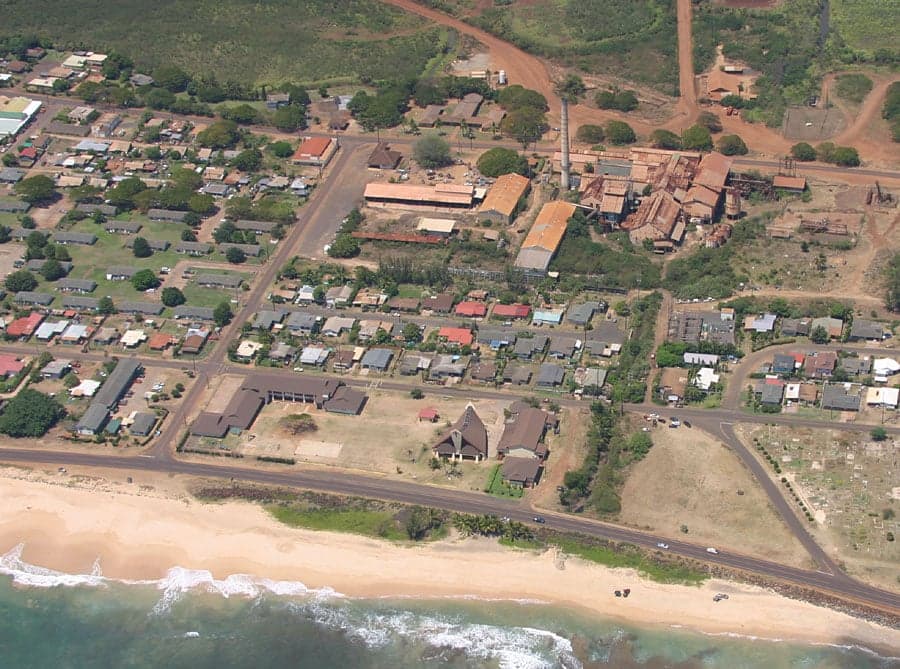
Kekaha feels like the last real Hawaiian small town before the road ends, a place where the pace of life is dictated by the trade winds and the sugar cane whistle—even though the mill has been silent for years. With just over 3,400 residents, it’s the kind of community where you can’t buy a gallon of milk without running into someone you know, and where the West Side’s sunsets are a daily ritual rather than a tourist attraction. Living here means embracing a slower, quieter version of island life, one that rewards self-reliance and a tolerance for the occasional long drive.
Daily Rhythm on the West Side
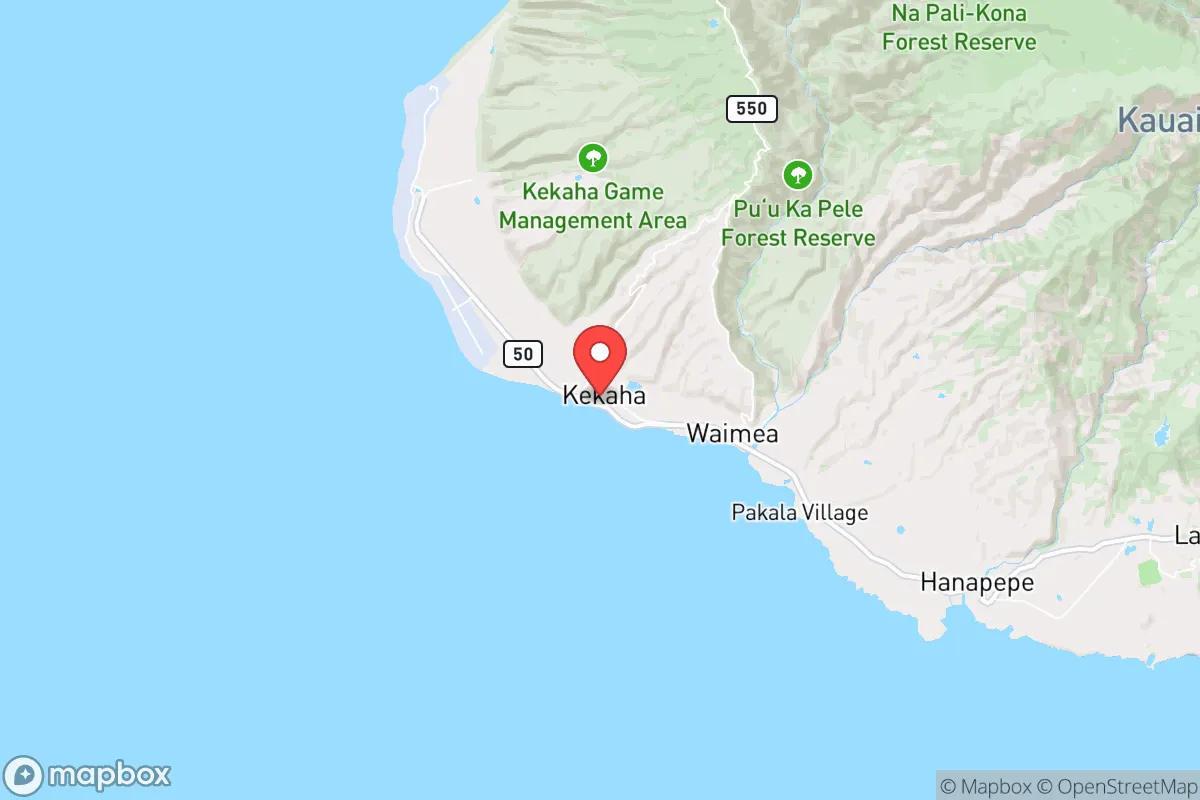
Life in Kekaha revolves around the essentials: work, family, and the ocean. The median age here is 40, which skews a bit older than the rest of Kauai, and you’ll find a mix of state and county employees, retired military, and folks who work in hospitality or agriculture on the other side of the island. The average commute clocks in at about 26 minutes, which on Kauai is actually manageable—most of that time is spent driving the single-lane highway through Waimea and into Lihue. The median household income of $73,011 is decent for the island, but the cost of living index of 186 means that dollar doesn’t stretch as far as it would on the mainland. You’ll shop at the local Kekaha Store for basics, but for a real grocery run or a trip to Costco, you’re looking at a 45-minute drive to Lihue. Weekends are often spent at the beach—Polihale State Park is just down the road, a wild stretch of sand where the road turns to dirt and the Na Pali cliffs loom in the distance—or tending to a backyard garden and a few chickens.
What There Is to Do (and What There Isn’t)
Entertainment here is low-key and outdoorsy. There are no bars or nightclubs in Kekaha proper; the closest place for a beer and a burger is the Waimea Brewing Company about 15 minutes east, or the Kauai Island Brewing Company in Port Allen. The big annual event is the Waimea Town Celebration in February, which draws the whole West Side for a parade, rodeo, and carnival. For high school sports, Waimea High School (the Menehunes) is the local team, and Friday night football games in the fall are a genuine community gathering—everyone shows up, from grandparents to keiki. There’s no pro sports team on the island, so loyalties are split between the University of Hawaii Warriors and whatever mainland team you brought with you. The real draw, though, is the outdoors: fishing off the Kekaha breakwall, hiking the nearby Waimea Canyon (a 30-minute drive up the hill), or surfing the long, consistent waves at Kekaha Beach—though you’ll want to watch for strong currents and the occasional Portuguese man-o’-war.
Pros and Cons of Living in Kekaha
Let’s be honest: Kekaha isn’t for everyone, and that’s part of its appeal. Here’s the breakdown of what longtime residents love and what frustrates them:
- What people love: The genuine sense of community—neighbors still look out for each other, and kids can ride bikes without constant supervision. The quiet is a luxury; you won’t hear sirens or traffic noise at night. The proximity to Polihale and the canyon means world-class outdoor recreation is literally minutes away. And the cost of housing, while still high by mainland standards, is more attainable than in Princeville or Poipu—the median home value of $516,800 is actually one of the more “affordable” options on Kauai.
- What frustrates them: The lack of amenities is real. There’s no hospital, no movie theater, and very few restaurants—you’re driving to Lihue for most services. The violent crime rate of 215 per 100,000 residents is higher than the national average, and while much of it is domestic or drug-related, it’s something to be aware of. The weather can be a double-edged sword: the West Side is the driest part of Kauai, which means less rain but also hotter, dustier conditions, especially in summer. And the “barges” that bring supplies to the island mean that everything from cars to furniture costs more and takes longer to arrive.
Who Fits In Here
Kekaha tends to attract people who value space and quiet over convenience and nightlife. The median age of 40 and the fact that only about 12% of residents hold a college degree reflect a working-class, practical community—this isn’t a place for remote tech workers or wealthy retirees looking for luxury condos. It’s a better fit for families who want their kids to grow up with a sense of place and independence, or for single individuals who don’t mind a long commute in exchange for a lower mortgage payment and a backyard. The local culture is a mix of Native Hawaiian, Filipino, and Portuguese influences, and newcomers are welcomed—but only if they show respect for the land and the local way of doing things. If you’re the type who complains about the lack of a Starbucks or the slow pace of life, you probably won’t last long. If you’re looking for a place where you can still buy a house without a seven-figure budget and where the biggest decision of the day is whether to fish or hike, Kekaha might be exactly what you’re after.

Similar small towns to Kekaha
* Values derived from national, state, county, city and local statistics and may differ in a specific area. Last updated: 2026-05-15T21:57:28.000Z
Narrative content on this page is AI-generated and may contain mistakes. Verify any details that matter before acting on them.
ReloMaps may earn a commission from affiliate links at no extra cost to you.

