
Photo by Karsten Winegeart on Unsplash
Find The Best Places To Live
in Waimea
PRO TIP! You can paste a Zillow or Redfin link to get info on that property.
What It's Like Living in Waimea, HI
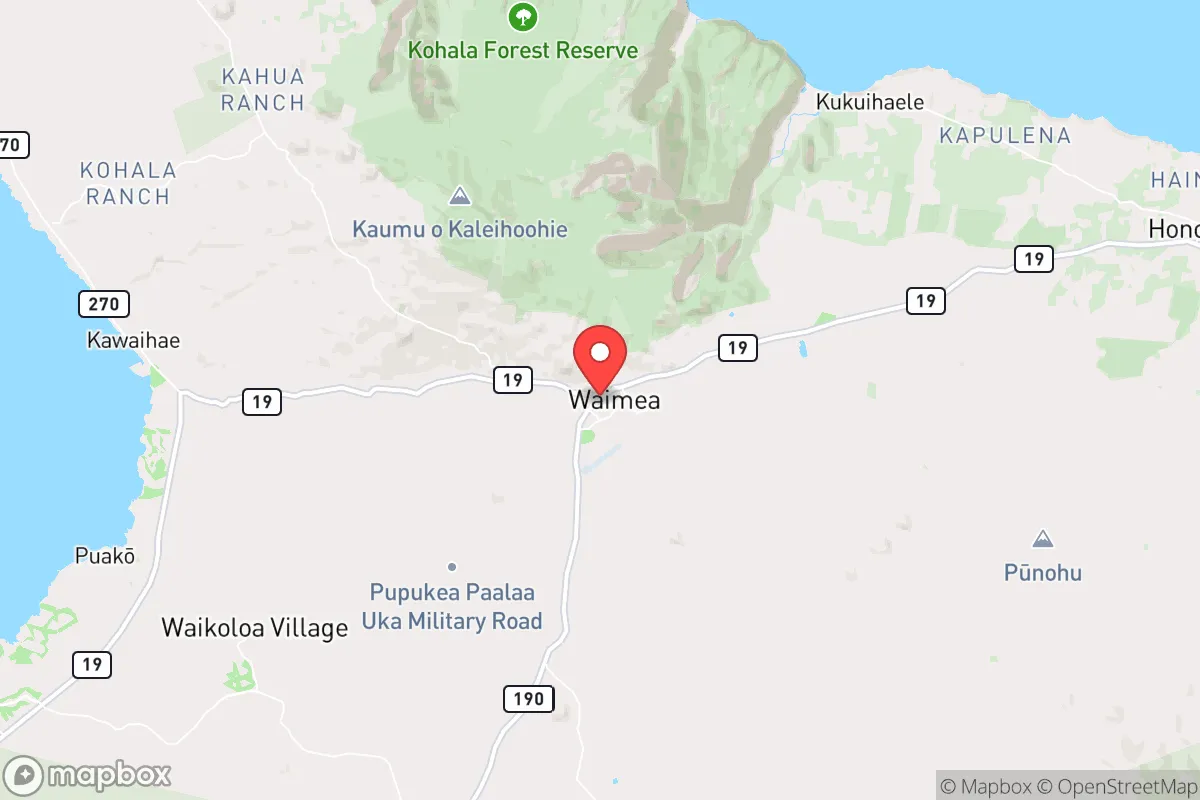
Waimea, Hawaii, feels less like a tourist postcard and more like a working ranch town that happens to have stunning mountain views. With a population just over 10,000, it’s the kind of place where you’ll see pickup trucks parked outside the general store and hear stories about paniolo (Hawaiian cowboy) rodeos before you hear about luaus. It’s a community that values practicality, family, and a slower pace—but that pace comes with a cost of living that demands a solid income.
Daily Rhythm: Ranching Roots and a Practical Pace
Life in Waimea revolves around the land and the weather. Mornings are often cool and misty, with temperatures that can dip into the 50s—a rarity in Hawaii that locals embrace by wearing fleece jackets and boots. The median age here is 41.2, and the median household income sits at $89,268, which suggests a population of established professionals, many working in healthcare, education, or the Parker Ranch operations that still define the area’s identity. You won’t find a nightclub scene; instead, weekends mean hitting the Waimea Farmers Market for fresh produce, grabbing a plate lunch at the Village Burger, or driving out to Hapuna Beach for a quiet afternoon. The average commute is about 29 minutes, which is manageable but can feel longer on the winding roads between Waimea and Kona or Hilo, where many residents commute for work.
Sports & Community: High School Pride and Paniolo Tradition
Sports here are less about professional teams and more about local pride. The Hawaii Preparatory Academy and Honoka‘a High School draw crowds for volleyball and football games, and the annual Parker Ranch Rodeo in September is the biggest sporting event of the year—think barrel racing, bull riding, and a sense of community that fills the grandstands. For adults, the Waimea Trails system offers hiking and mountain biking, and the nearby Kohala Mountain Road is a favorite for cyclists. If you’re looking for a bar to watch a game, the Waimea Brewing Company or the bar at the Mauna Kea Beach Hotel are the go-to spots, but don’t expect a rowdy crowd—it’s more about a quiet beer after a long day.
What’s There to Do: Festivals, Food, and the Outdoors
Entertainment in Waimea is low-key but rich in local flavor. The Waimea Cherry Blossom Heritage Festival in February draws crowds for its Japanese cultural performances and food booths. The annual Waimea Christmas Parade is a big deal, with floats and local school bands. For food, the Village Burger is a must for its grass-fed beef burgers, and the Red Water Cafe serves up Hawaiian-Japanese fusion in a historic building. The Waimea Outdoor Circle hosts concerts at the Waimea Park, but the real draw is the landscape—hiking the Pololu Valley Lookout, stargazing at the Mauna Kea Visitor Information Station, or simply driving the Kohala Mountain Road for panoramic views. The median home value of $652,900 reflects the premium for this lifestyle, and the cost of living index of 198 (nearly double the U.S. average) means you’ll pay more for groceries and gas than almost anywhere else in the country.
Pros and Cons of Living Here
What longtime residents love: The weather is genuinely pleasant year-round—cooler than the coast, with less humidity. The community is tight-knit, and the paniolo culture gives Waimea a distinct identity that feels authentic, not manufactured for tourists. The schools, like Waimea Elementary and Hawaii Preparatory Academy, are well-regarded and serve as community hubs. The violent crime rate of 200.2 per 100,000 is higher than the national average of about 380, but property crime is the bigger concern, especially car break-ins at trailheads.
What frustrates locals: The cost of living is the biggest pain point—renting a two-bedroom apartment can easily run $2,500 a month, and buying a home at the median of $652,900 is out of reach for many. Traffic on the main highway (Route 19) can back up during tourist season, especially around the Waimea town center. The isolation is real: a trip to Costco in Kona is a 45-minute drive, and flights to the mainland are expensive. Some residents also note that the job market is limited, with many commuting to Kona or Hilo for work, and the median commute of 29 minutes can stretch longer during peak hours.
Cultural quirks to know: Waimea is one of the few places in Hawaii where you’ll hear more Hawaiian Creole English (Pidgin) than standard English, and locals appreciate when newcomers make an effort to learn the local customs—like removing shoes before entering a home or not honking your horn in frustration. The town has a strong sense of “talk story,” where conversations at the post office can last 20 minutes. It’s a place where you’re expected to wave at neighbors, and where the biggest social event might be a potluck at the community center. If you’re looking for a fast-paced, urban lifestyle, this isn’t it. But if you want a community that values the land, the family, and the quiet rhythm of ranch life, Waimea delivers—at a price.

Similar towns to Waimea

* Values derived from national, state, county, city and local statistics and may differ in a specific area. Last updated: 2026-04-24T00:08:45.000Z
Narrative content on this page is AI-generated and may contain mistakes. Verify any details that matter before acting on them.
ReloMaps may earn a commission from affiliate links at no extra cost to you.

