Photo: Wikipedia
Find The Best Places To Live in Miami-Dade County
PRO TIP! You can paste a Zillow or Redfin link to get info on that property.
Best Places to Live in Miami-Dade County
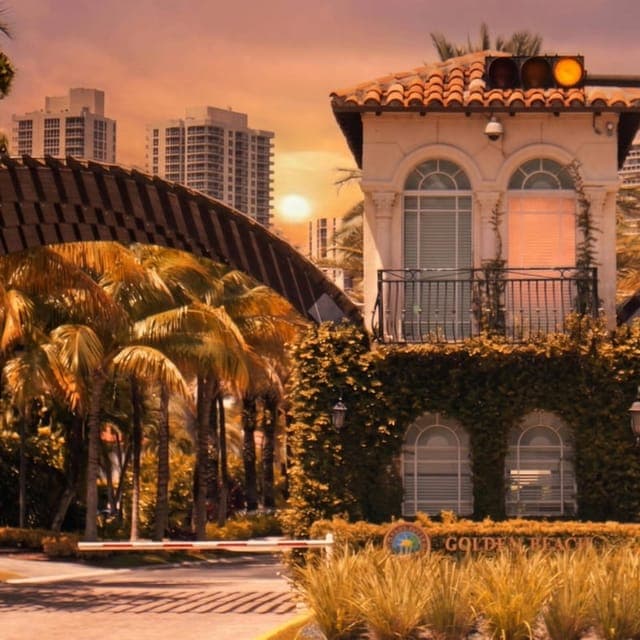
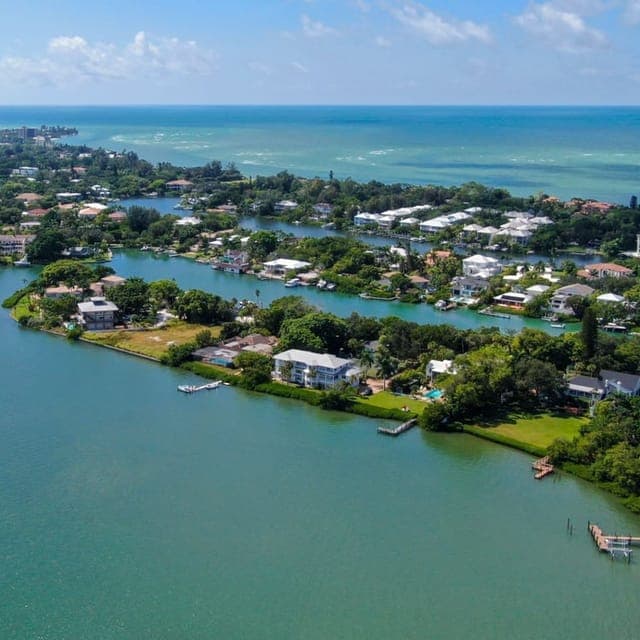

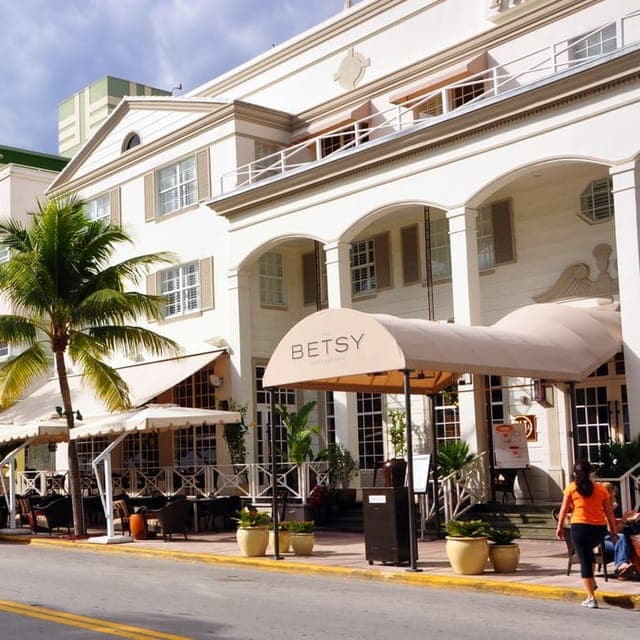
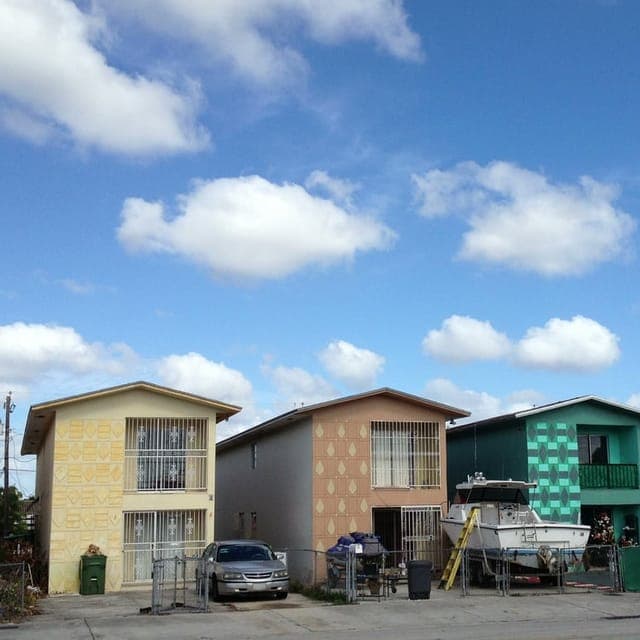
Cities & Towns in Miami-Dade County
Cities in Miami-Dade County
What It's Like Living in Miami-Dade County, FL
Miami Dade County is a place where the American dream comes with a side of croqueta and a soundtrack of reggaeton. It’s a sprawling, 2,000-square-mile patchwork of high-rise condos, suburban subdivisions, and rural farmland, where you can go from a Cuban coffee stand in Hialeah to a gator-spotting airboat ride in Homestead in under an hour. Living here means embracing a pace that’s faster than most of Florida, a culture that’s proudly bilingual, and a cost of living that feels more like a trade-off than a bargain.
The Daily Rhythm: From Kendall to the Glades
Daily life in Miami Dade is shaped by two constants: traffic and weather. The average commute clocks in at just under 28 minutes, but that number can double if you’re driving from Cutler Bay to downtown Miami during rush hour. Most people plan their errands around the heat—mornings are for outdoor chores, afternoons for air-conditioned malls like Dadeland or the Falls, and evenings for patio dining or a walk along the bay. In Palmetto Bay, families spend weekends at Coral Reef Park or the local farmers market, while in Homestead, life revolves around the agricultural calendar—strawberry season in January is a big deal, and the annual Homestead Rodeo draws crowds from across the county.
The kind of person who fits in here is someone who values proximity over peace and quiet. It’s a place for strivers—young professionals working in finance or healthcare, families who want good schools (like those in Pinecrest or Miami Springs), and retirees who don’t mind the humidity if it means year-round golf. The median age is 42.6, which skews older than the national average, but the county’s energy comes from its Latin American and Caribbean communities. You’ll hear Spanish in grocery stores, at the gas pump, and in the stands of a Miami Marlins game. If you’re not at least conversational, you’ll adapt fast.
Sports, Community, and the Weekend Playbook
Sports are a religion here, but the congregation is scattered. The Miami Dolphins pack Hard Rock Stadium in Miami Gardens on Sundays, though the real passion is reserved for University of Miami Hurricanes football—a Saturday game at the Watsco Center is a family affair, with tailgates that stretch for blocks. High school football is big in South Dade, where schools like South Dade Senior High and Homestead Senior High produce Division I recruits. For soccer fans, Inter Miami CF games at Chase Stadium in Fort Lauderdale are a pilgrimage, but the real action is in local leagues at Tropical Park or Amelia Earhart Park in Hialeah.
Entertainment here is less about one big thing and more about a thousand small ones. The Vizcaya Museum & Gardens in Coconut Grove offers a slice of old-world elegance, while the Wynwood Walls in Miami proper are a graffiti-covered playground for art lovers. For a true local experience, head to La Carreta in Little Havana for a medianoche sandwich and a cafecito, or catch a live show at the Miami Improv in Coral Gables. The Fairchild Tropical Botanic Garden in Palmetto Bay is a favorite for weekend strolls, and the Everglades National Park—just a 30-minute drive from Homestead—offers airboat tours and hiking trails that feel a world away from the city.
The Honest Trade-Offs: What You Gain and What You Give Up
Longtime residents love the diversity—there’s no place in America where you can eat authentic Peruvian ceviche, Haitian griot, and Nicaraguan gallo pinto in the same afternoon. They also love the weather, even if it means sweating through November. The pros are real: no state income tax, a median home value of $325,000 (which is still below the national average for a coastal metro), and a cost of living index of 127 that feels manageable if you’re coming from New York or San Francisco. The median household income of $71,711 is enough to live comfortably in Westchester or Kendall, but it’s tight in pricier enclaves like Coral Gables or Key Biscayne.
The frustrations are real, too. The violent crime rate of 206.6 per 100,000 is higher than the national average, and while it’s concentrated in certain areas, it’s a concern for families choosing neighborhoods. Traffic is the number one complaint—the Palmetto Expressway and I-95 are parking lots during rush hour, and the Brightline train only serves a few stops. Schools are a mixed bag: Miami-Dade County Public Schools is the fourth-largest district in the U.S., and while magnet schools like MAST Academy in Key Biscayne are excellent, zoned schools vary wildly. Many families in Pinecrest and Palmetto Bay opt for private or charter options.
Seasonal rhythms are distinct: summer is hurricane season (June through November), and locals know the drill—stock up on water, charge the generator, and keep an eye on the National Hurricane Center in University Park. Winter is paradise, with temps in the 70s and snowbirds from the Northeast filling every restaurant and beach. The cultural quirk that defines Miami Dade is its hora loca—the “crazy hour” at weddings and parties where everyone dons masks and noise-makers. It’s a metaphor for the county itself: loud, chaotic, and impossible to ignore. If you can handle the heat and the traffic, you’ll find a place that rewards hustle, embraces diversity, and never lets you forget you’re living in one of the most unique corners of America.

* Values derived from national, state, county, city and local statistics and may differ in a specific area. Last updated: 2026-09-21T19:01:58.000Z
Narrative content on this page is AI-generated and may contain mistakes. Verify any details that matter before acting on them.
ReloMaps may earn a commission from affiliate links at no extra cost to you.

