Photo: Wikipedia
Quality of Life in Key West, FL
A high quality of life with strong walkability, manageable living costs, healthy neighborhood signals, and solid amenity access.
What does Quality of Life tell us?
Quality of Life blends cost of living, nearby amenities, socioeconomic signals, and neighborhood character. City-level scores represent the whole municipality; individual neighborhoods can differ.
What does this tell us?
Quality of Life blends cost of living, nearby amenities, socioeconomic signals, and neighborhood character. City-level scores represent the whole municipality; individual neighborhoods can differ.
Cost of Living
123% above national average
The Real Cost of Living in Key West, FL for 2026
| Tier | Individual | Family (4) |
|---|---|---|
| Survival | $33k | $62k |
| Comfortable | $139k | $205k |
| Luxury | $144k+ | $223k+ |
| Elite (Top 5%) | $240k+ | $372k+ |
38%
The Area Signal
A metric tracking the socioeconomic signals of the area.
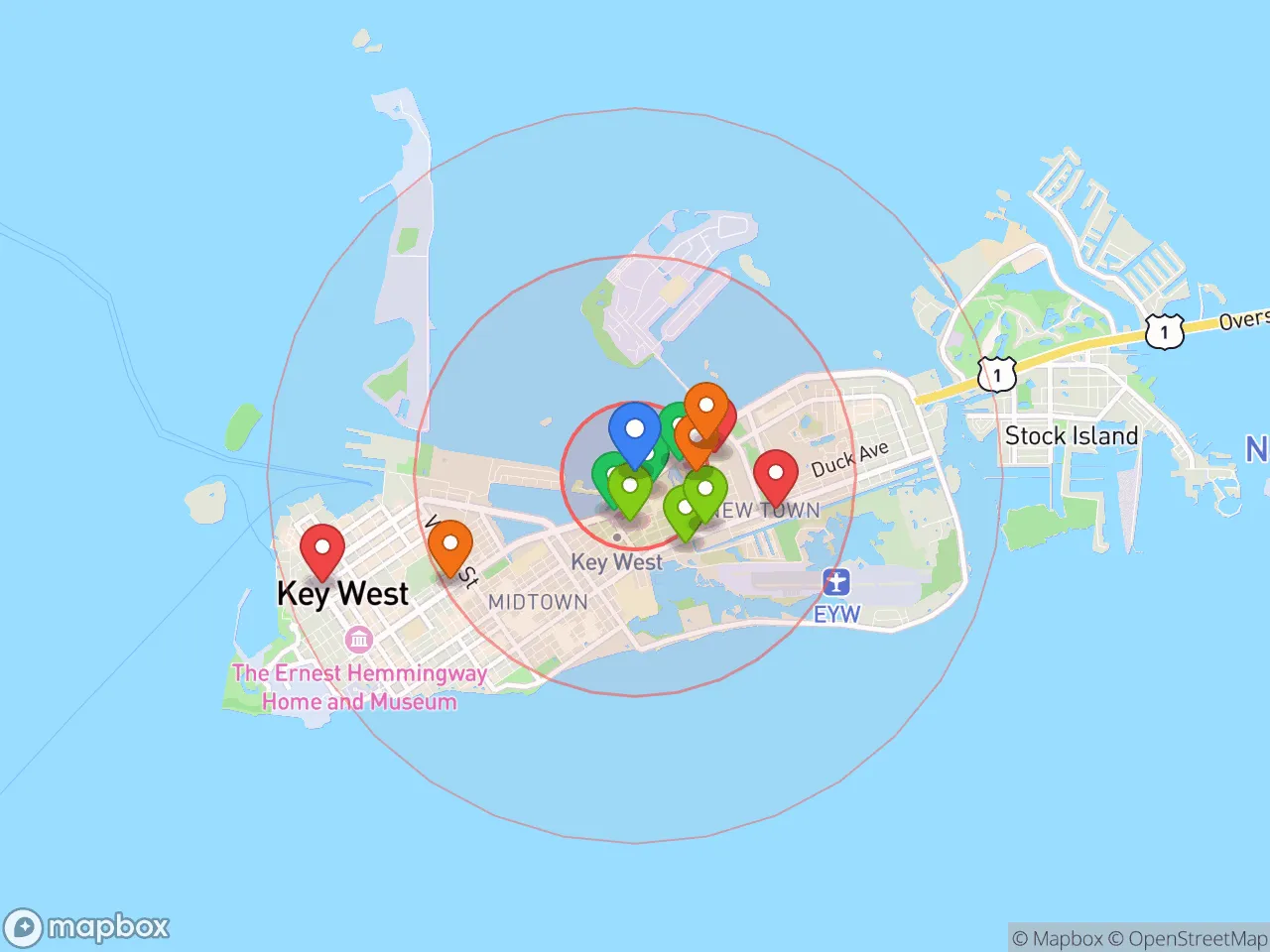
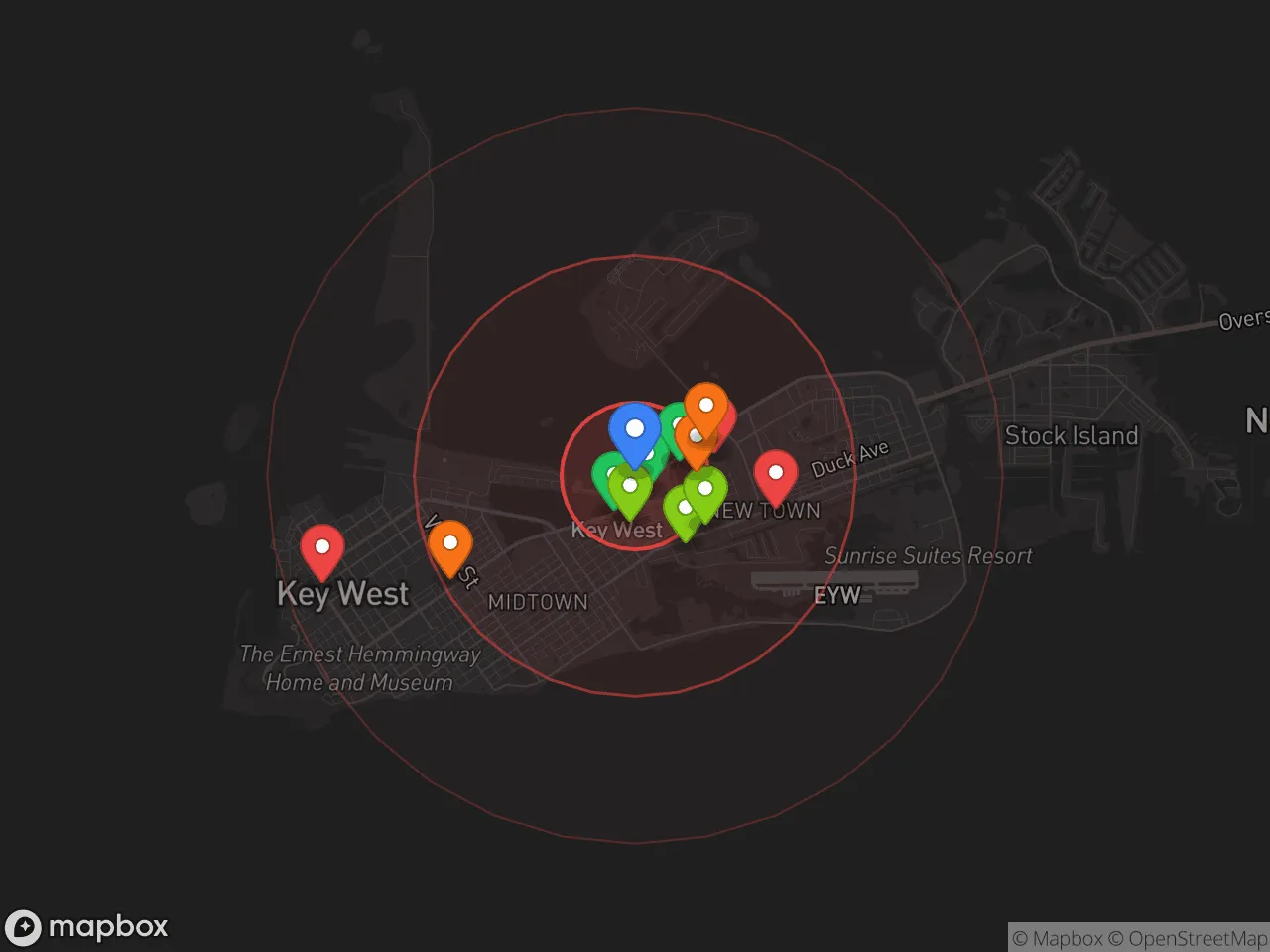
Hobbies
Explore the areaGroceries
2 within 10 miles
Gas
13 within 10 miles
Hospital
1 within 20 miles
Airport
MIA — Miami International
Post Office
USPS — Key West, FL
Critical Amenities
Quality-of-Life Analysis
Key West, Florida, is an affluent, high-cost island city where the year-round population of roughly 25,000 skews toward wealthy retirees, second-home owners, and professionals in tourism, marine trades, and remote work. The city’s cost of living index of 223—more than double the U.S. average—places it among the most expensive small cities in the country, attracting those who prioritize subtropical climate, walkability, and a tight-knit community over affordability. Median household income hovers around $68,000, but the housing market effectively prices out most middle-income earners, creating a demographic split between long-established locals and newcomers with significant financial resources.
Cost of living, housing affordability, and how Key West compares to the Florida Keys
Key West’s housing market is the primary driver of its extreme cost of living. The median home value stands at $816,300, roughly three times the national median, while the median rent is $2,075 per month—well above the Florida average of $1,600. Compared to other Keys communities, Key West is pricier than Marathon (median home value ~$550,000) but slightly less expensive than the most exclusive waterfront enclaves on Big Pine Key or Islamorada. The average commute is just 14.4 minutes, reflecting the island’s compact geography and the fact that most workers live within a few miles of their jobs. However, the lack of affordable rental inventory means many service-industry workers commute from lower-cost mainland areas like Florida City, a 3.5-hour round trip via U.S. 1. Property taxes are moderate for Florida (approx. 0.9% of assessed value), but homeowners insurance is among the highest in the state due to hurricane risk, adding $4,000–$8,000 annually to carrying costs.
What daily life is like for families, amenities, and school quality
Daily life in Key West revolves around outdoor recreation, tourism-driven services, and a slow-paced island rhythm. The city offers over 30 parks, a historic Old Town with no building taller than four stories, and year-round access to boating, fishing, and snorkeling at spots like Fort Zachary Taylor State Park. The Monroe County School District operates three elementary schools, one middle school, and Key West High School (enrollment ~1,200), which has a graduation rate of 87%—slightly below the state average of 90%. For families, the lack of large retail chains and the high cost of childcare (averaging $1,100 per month for full-time care) are notable drawbacks. Healthcare is concentrated at Lower Keys Medical Center, a 167-bed facility with limited specialty services; residents often travel to Miami for complex procedures. The island’s walkability (Walk Score of 85) and robust bike lane network reduce car dependence, but parking is notoriously scarce and expensive, with monthly downtown parking permits costing $150–$300.
Key West is best suited for affluent retirees, remote workers with six-figure incomes, and professionals in marine or tourism management who can absorb the high housing costs. Families with school-age children may find better value in Marathon or Key Largo, where home prices are 30–40% lower and schools are comparable. Singles and couples without children who value a vibrant social scene, water access, and a car-light lifestyle will thrive here, provided they have a housing budget of at least $5,000 per month for rent or a $200,000 down payment. The city’s unique character—a blend of Caribbean influences, historic architecture, and a year-round festival calendar—comes with a premium that only a narrow demographic can comfortably afford.

Crime in Key West, FL
Lower crime rates than 76% of comparable U.S. locations.
Violent CrimeViolent Crime Analysis
Property CrimeProperty Crime Analysis
Crime Analysis
Key West, Florida, reports a violent crime rate of 128.2 incidents per 100,000 residents and a property crime rate of 736.9 per 100,000, according to the most recent data. While the violent crime figure is notably lower than both the Florida state average and the national median, the property crime rate sits slightly above the national benchmark, reflecting the island's dense tourist economy and transient population. However, the broader safety picture is complicated by the local justice system's ideological leanings, which residents and prospective movers should weigh carefully.
Crime in context
Key West's violent crime rate of 128.2 per 100K is roughly 60% lower than the national average of about 380 per 100K, placing it among the safer small cities in Florida for violent offenses. Property crime, at 736.9 per 100K, is approximately 15% higher than the national rate of 640 per 100K, driven largely by thefts and burglaries targeting tourists and rental properties. Monroe County, which encompasses Key West, has historically maintained lower violent crime than urban centers like Miami-Dade, but the island's unique geography and reliance on seasonal visitors create persistent property crime pressures. The state of Florida overall has a violent crime rate near 380 per 100K and a property crime rate around 1,700 per 100K, meaning Key West is significantly safer for violent crime but only moderately safer for property crime compared to the state as a whole.
What residents experience
Residents of Key West report that violent confrontations are rare, but property crimes—especially bicycle theft, package theft, and vehicle break-ins—are a routine nuisance. The city's dense, walkable layout and high tourist foot traffic create opportunities for petty theft that locals learn to mitigate with locks, cameras, and neighborhood watch groups. A more systemic concern is the influence of progressive judicial policies in Monroe County. The local district attorney's office and judiciary have adopted diversion programs and reduced sentencing guidelines for non-violent property offenders, which critics argue leads to repeat offenders cycling back onto the streets quickly. This approach, while intended to reduce incarceration rates, has frustrated residents who see the same individuals committing thefts and burglaries multiple times without meaningful consequences. For families and long-term homeowners, this creates a sense that the justice system prioritizes offender rehabilitation over victim protection and public deterrence.
Neighborhood-level variation
Safety in Key West varies noticeably by neighborhood. The historic Old Town and Duval Street corridor see the highest concentration of property crime due to tourist crowds and bar traffic. Residential areas like Casa Marina, Truman Annex, and the Meadows tend to have lower incident rates, with stronger community cohesion and private security patrols. The Stock Island area, just north of Key West proper, reports slightly higher property crime rates linked to its working-class and transient rental population. Overall, violent crime is rare across all neighborhoods, but property crime risk is highest in zones with heavy foot traffic and short-term rentals. Prospective residents should prioritize properties with off-street parking, secure storage, and active neighborhood associations to mitigate the effects of a justice system that often returns offenders to the community with minimal supervision.
* Values derived from national, state, county, city and local statistics and may differ in a specific area. Last updated: 2026-05-13T16:54:09.000Z
Narrative content on this page is AI-generated and may contain mistakes. Verify any details that matter before acting on them.
ReloMaps may earn a commission from affiliate links at no extra cost to you.

