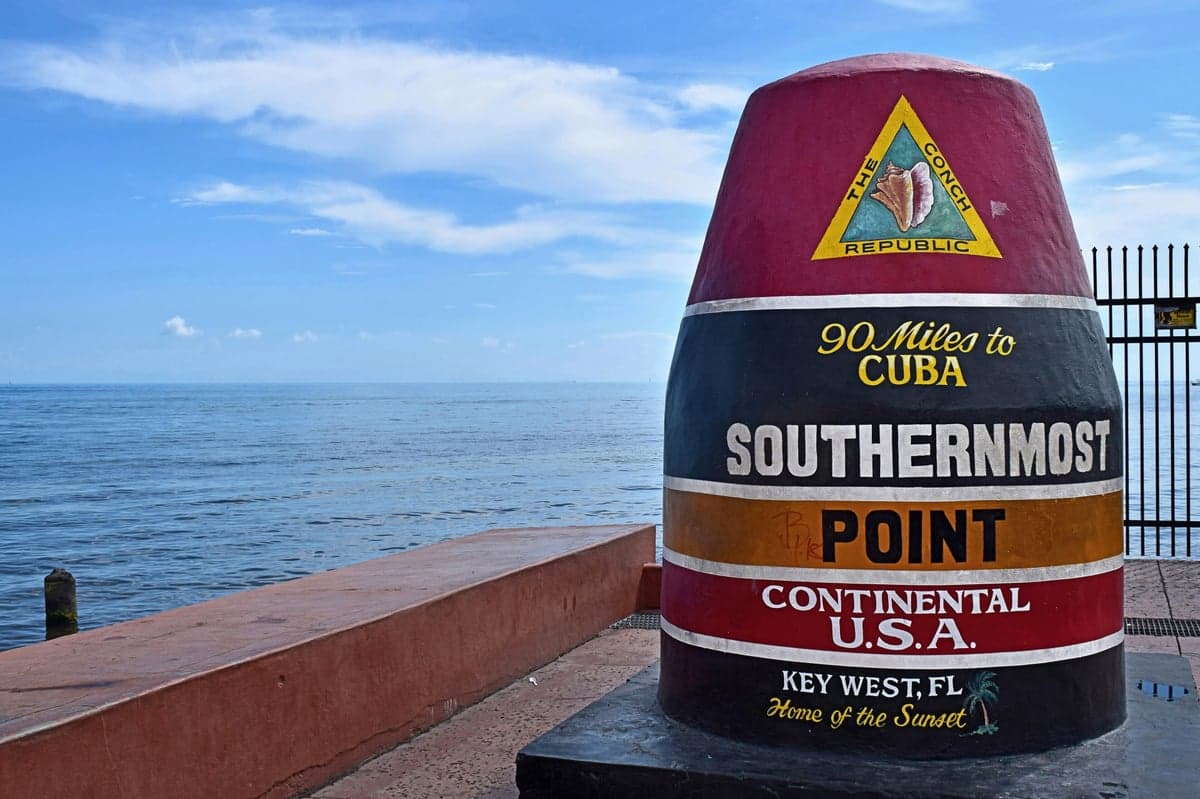
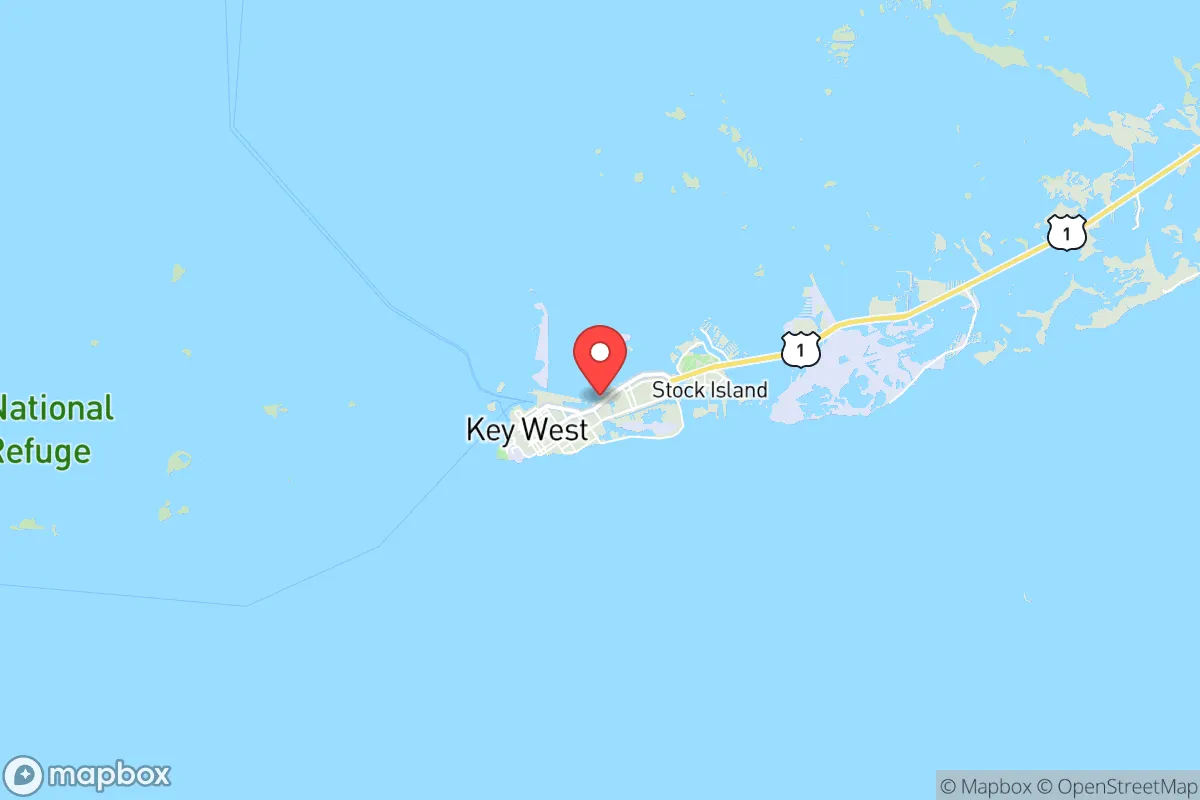
Photo: Wikipedia
Find The Best Places To Live
in Key West
PRO TIP! You can paste a Zillow or Redfin link to get info on that property.
What It's Like Living in Key West, FL
Key West is less a city and more a state of mind—a sun-bleached, salt-crusted island where the pace of life is dictated by the tide and the next conch fritter. With a year-round population hovering around 25,824, it’s a tight-knit community of artists, fishing guides, military families, and hospitality workers who’ve all decided that a little inconvenience is worth the trade-off for living at the end of the road. The median age here is 46.5, which tells you this isn’t a spring-break party town for everyone—it’s a place where people come to settle into a slower, more deliberate rhythm, even if that rhythm is occasionally interrupted by a cruise ship crowd.
The Daily Rhythm: Laid-Back, Expensive, and Unforgivingly Hot
Daily life in Key West revolves around the water and the weather. Most people start their day early—before the sun gets punishing—with a walk or bike ride along the Atlantic Boulevard seawall. The average commute is just over 14 minutes, which is a genuine luxury; you can live on the quiet side of the island and still be at your job on Duval Street in the time it takes to brew coffee. Shopping is a mix of local markets (Fausto’s Food Palace for groceries, the Key West Seafood Company for fresh catch) and the occasional trip to the mainland for big-box needs. Eating out is a central pastime: you’ll find locals at Blue Heaven for Sunday brunch, El Siboney for Cuban home cooking, and the Hogfish Bar & Grill for a dockside beer. The kind of person who fits here is someone who doesn’t mind that the nearest Target is three hours away—and who values a sunset over a square footage.
The median home value is $816,300, and the cost of living index sits at 223—more than double the national average. That means the median household income of $78,532 doesn’t stretch as far as it would in, say, the Florida Panhandle. Many residents work in tourism, marine trades, or the military (the Naval Air Station Key West is a major employer). The island attracts a mix of empty-nesters, remote workers with high incomes, and younger singles who are willing to rent rooms in historic conch houses to afford the lifestyle. It’s not a place for someone looking to climb a corporate ladder or raise a large family on a single income—it’s a place for people who prioritize experience over accumulation.
Sports, Festivals, and the Art of Doing Nothing
Sports in Key West are not about the NFL or the NBA—they’re about the water and the barstool. High school football at Key West High School (the Fighting Conchs) draws a genuine crowd on Friday nights, but the real energy is around the annual Key West Super Bowl of Fishing tournaments and the Key West Half Marathon. The biggest sports “team” is probably the local sailing community, with regattas at the Key West Sailing Club. For spectators, the most popular event is the Key West Songwriters Festival (every May) and Fantasy Fest (October), a ten-day costume-and-parade blowout that is the island’s answer to Mardi Gras. Music venues like the Green Parrot Bar and the Smokin’ Tuna Saloon host live acts every night—mostly blues, reggae, and Jimmy Buffett-style trop rock.
Outdoor life is the main attraction. You’ve got the Dry Tortugas National Park a ferry ride away, the Florida Keys Eco-Discovery Center, and endless kayak and paddleboard routes through the mangroves. Fort Zachary Taylor State Park offers the best beach on the island (rocky but swimmable) and a historic Civil War fort. The biggest cultural quirk is the “Conch Republic” identity—a tongue-in-cheek secessionist spirit born from a 1982 border blockade protest. Locals embrace it with bumper stickers, flags, and a general attitude of “we do things our way.” That includes a tolerance for the island’s famous feral chickens and six-toed cats at the Hemingway House.
Pros and Cons of Living at the End of the Road
What longtime residents love: the genuine sense of community—everyone knows everyone, and neighbors look out for each other. The weather is warm year-round (average winter highs in the mid-70s), and the sunsets from Mallory Square are a nightly ritual that never gets old. The violent crime rate is 128.2 per 100,000, which is notably lower than the national average—Key West feels safe, even at night. The lack of chain stores and the prevalence of local businesses gives the island a distinct, non-corporate character.
What frustrates them: the cost of living is the top complaint. Rent for a one-bedroom apartment often exceeds $2,000, and homeownership is out of reach for most working-class families. Traffic on the single road in and out (U.S. 1) can be a nightmare during snowbird season and holidays—what should be a 20-minute drive to the mainland can stretch to an hour. Hurricanes are a real threat, and evacuation is a logistical headache. The schools (Key West has a handful of public and private options) are adequate but not exceptional, and many parents choose to homeschool or send kids to the mainland for high school. The island’s seasonal rhythm means summer is quiet and hot, while winter is crowded and expensive—locals often joke that they “hibernate” in July and August.
For single individuals, Key West offers a vibrant social scene with plenty of bars, trivia nights, and outdoor meetups. For parents, it’s a trade-off: a safe, tight-knit environment for kids to grow up in, but limited extracurriculars and a high cost of living that can strain a family budget. The kind of parent who thrives here is one who values outdoor adventure over organized sports and who doesn’t mind that the nearest amusement park is a four-hour drive. The kind of single person who fits is someone who’s self-sufficient, enjoys meeting strangers at a bar, and doesn’t need a mall or a movie theater to feel entertained.

Similar towns to Key West
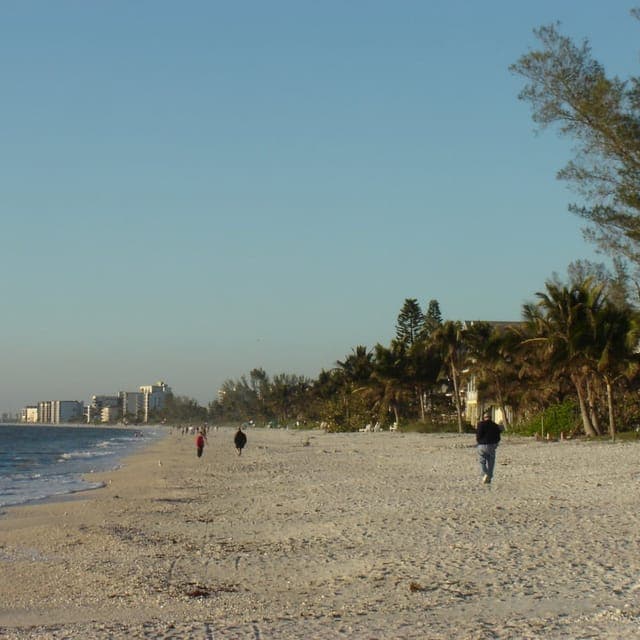
* Values derived from national, state, county, city and local statistics and may differ in a specific area. Last updated: 2026-05-13T16:54:09.000Z
Narrative content on this page is AI-generated and may contain mistakes. Verify any details that matter before acting on them.
ReloMaps may earn a commission from affiliate links at no extra cost to you.

