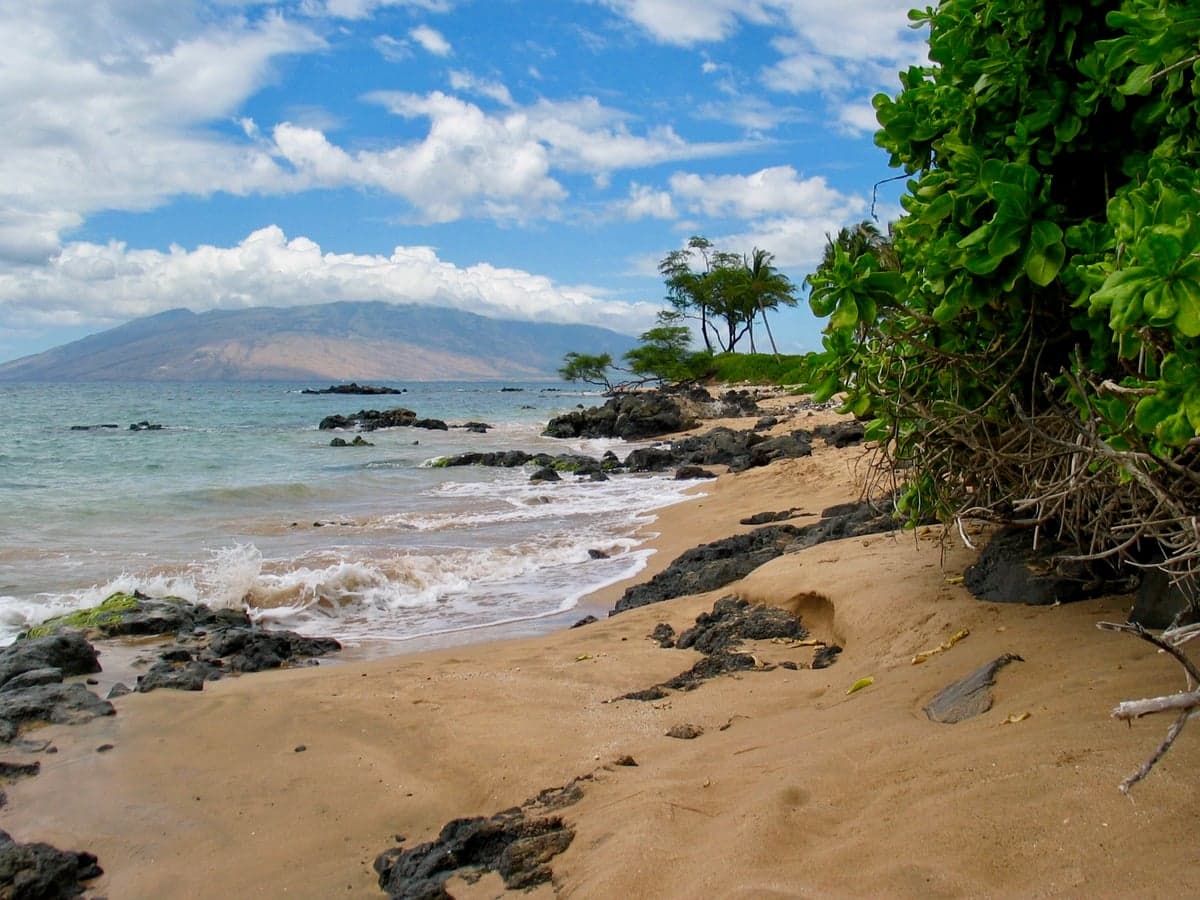
Photo: Wikipedia
Strategic Assessment of Kihei, HI
Strong survivability profile. Good buffer from population centers, with manageable environmental and tactical risks.
What does the Strategic Assessment tell us?
Our Strategic Assessment grades tactical survivability of an area. Major population centers, military targets, fallout zones, natural disasters, and border exposure all drive risk — lower exposure means a more defensible position in a crisis.
This is heavily inspired by Joel Skousen's Strategic Relocation book. Highly recommended you checkout the book ($)What does this tell us?
Our Strategic Assessment grades tactical survivability of an area. Major population centers, military targets, fallout zones, natural disasters, and border exposure all drive risk — lower exposure means a more defensible position in a crisis.
This is heavily inspired by Joel Skousen's Strategic Relocation book. Highly recommended you checkout the book ($)Strategic Pillars

Key Distances
Regional Safe Places
Below is our recommended "safe zones" in Hawaii and the surrounding area based on our strategic heuristics. For most people, it's unrealistic to live in a “safe zone” full-time due to work, family or other personal reasons. They tend to be more rural. However, many of these areas are perfect for second homes and retreat properties that double as a vacation home or even a short-term rental.

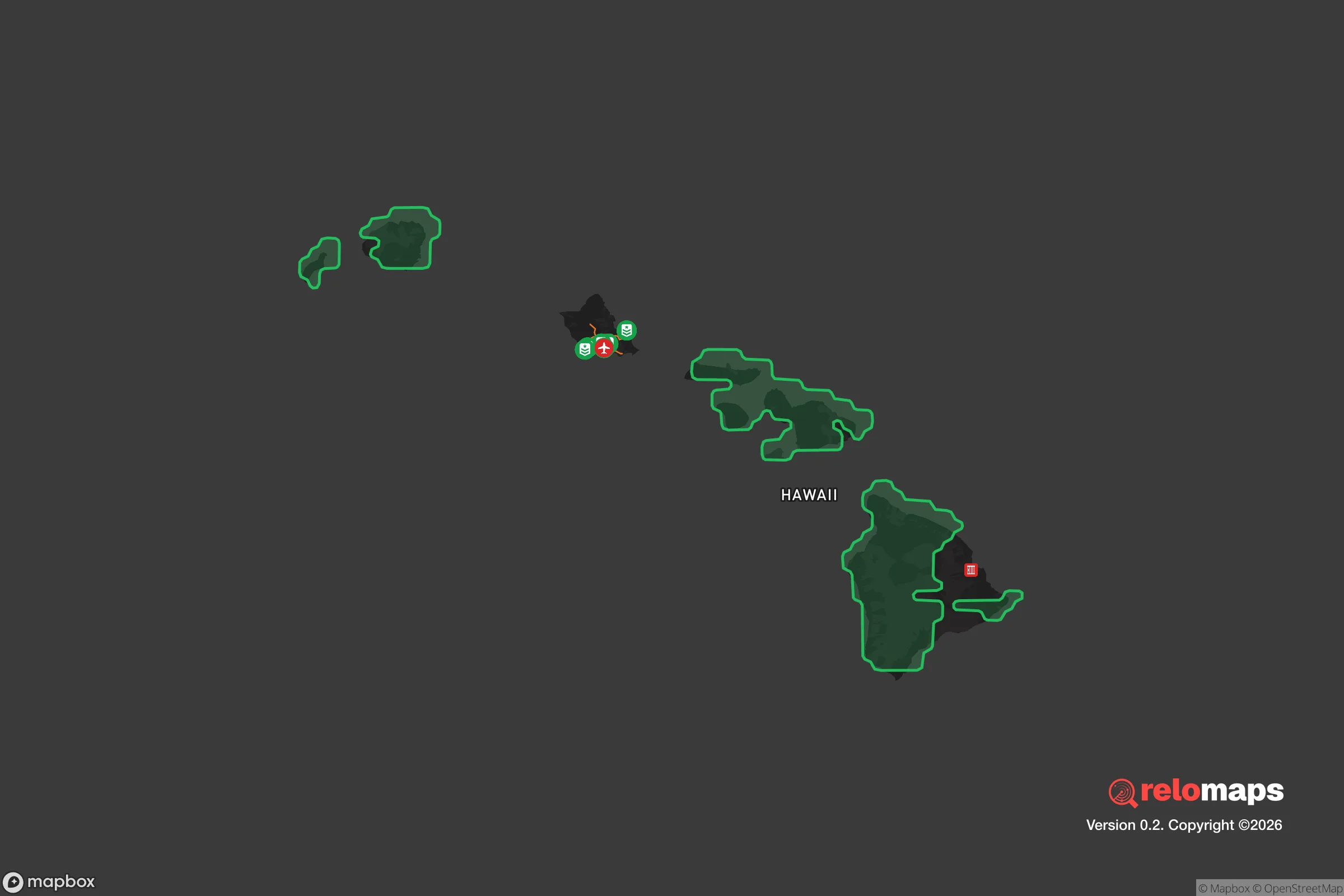


Important Note: For informational purposes only. This does not mean nothing bad ever happens in the green zones. Please use common sense. This is based on public data and modeled with AI. We tried to take a conservative approach but mistakes happen. We update this regularly as new information becomes available.
Solar Generator Recommendations
Backup power matters more here than in safer locations. We've picked three solar generators across budgets and capacity tiers — start with the budget unit if you only need a few essentials, or step up if you want to run a fridge and HVAC for days at a time.

Jackery Portable Power Station Explorer 300
Budget OptionPower on the Go: Weighing only 11 lbs, it's convenient to set up and store with book-sized foldable solar panels

BLUETTI Portable Power Station AC180
Designed for both indoor and outdoor scenarios, AC180 is highly capable as it has a robost capacity and continuous output power.

EF ECOFLOW DELTA Pro Ultra Power Station
Upgraded PickEcoFlow DELTA Pro Ultra is a whole-home energy system designed to grow with your family. Integrated with the Smart Home Panel 2, it scales to meet your evolving energy needs — keeping your home powered, intelligent, and secure through every stage of life.
We earn a commission, at no additional cost to you.
Strategic Assessment Analysis
Kihei, on Maui's southwestern shore, offers a unique mix of strategic advantages and serious vulnerabilities for a relocator with a prepper mindset. Its position on a relatively isolated island in the Pacific provides a natural buffer against the kind of cascading, nationwide civic unrest that could cripple the mainland, but that same isolation creates a critical dependency on external supply chains. For a conservative-leaning individual or family looking to weather societal instability, Kihei’s real value lies in its distance from major population centers and its access to a stable, albeit fragile, local ecosystem—but only if you understand the trade-offs.
Geographic position and natural advantages for long-term stability
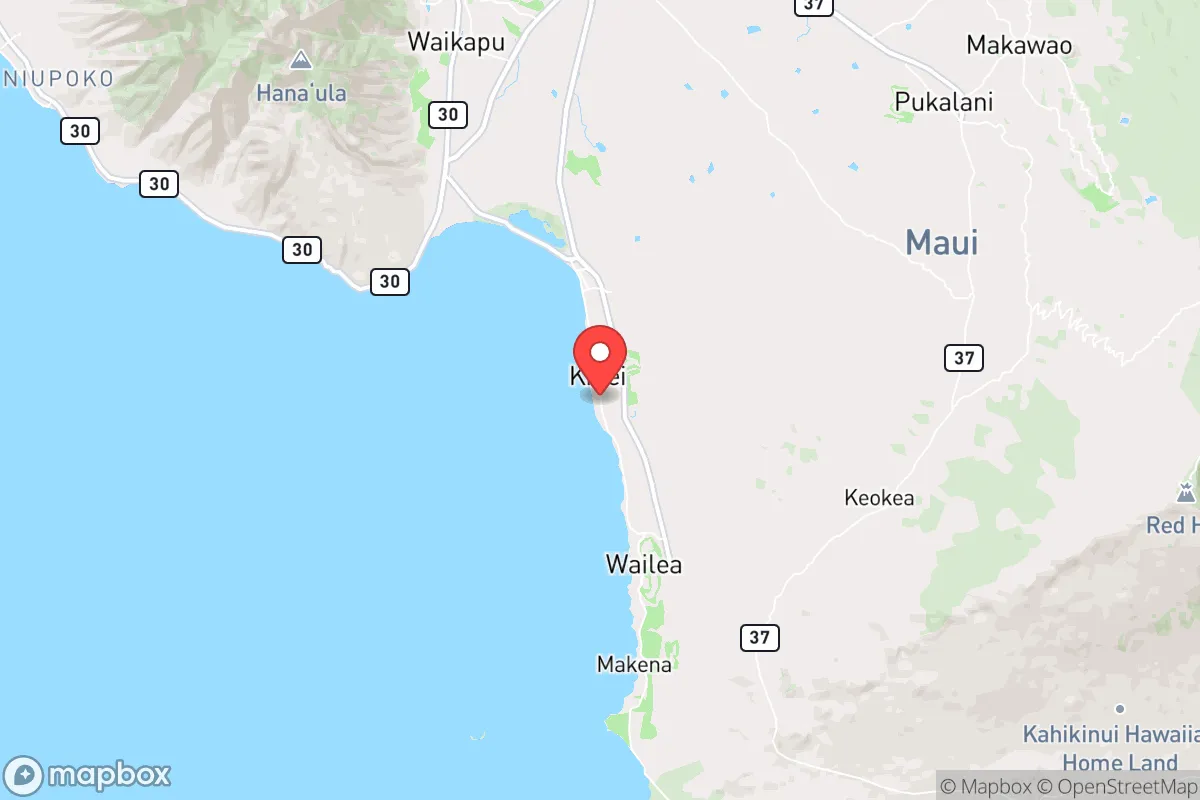
Kihei sits on the leeward side of Haleakalā, which gives it a distinct microclimate advantage: it’s consistently drier and sunnier than much of the island, with average annual rainfall under 20 inches. This is a double-edged sword—less water stress from storms, but also less natural surface water. The area’s position on a narrow isthmus between the West Maui Mountains and Haleakalā means it’s not a natural choke point for overland travel, but it is a bottleneck for evacuation routes. The primary road, South Kihei Road, is a single two-lane artery that can gridlock during a tsunami warning or a major fire—both of which are real threats here. For a prepper, the key takeaway is that Kihei’s isolation from the mainland is its strongest asset: a major collapse on the U.S. West Coast would take days or weeks to ripple here, giving you time to assess and react. However, that same isolation means you cannot rely on rapid federal aid or resupply. The nearest major military installation is Pearl Harbor on Oahu, about 100 miles away by air, but that’s also a prime target in any large-scale conflict. Kihei itself is not near any obvious fallout-relevant landmarks—no nuclear plants, no major military bases, no strategic ports—which is a significant plus. The closest potential target is the Kahului Harbor, about 15 miles north, which handles most of Maui’s cargo. If that harbor is compromised, Kihei’s supply lines are cut.
Risks, exposures, and proximity to fallout-relevant landmarks
The most immediate risk in Kihei is not geopolitical but natural: the area sits on a low-lying coastal plain that is vulnerable to tsunami inundation. The 1960 Chilean earthquake tsunami caused significant damage here, and a modern event could flood much of the developed strip. The 2023 Lahaina fire, while not in Kihei, demonstrated how quickly a cascading disaster—drought, wind, and grid failure—can overwhelm local infrastructure. For a prepper, the lesson is that Kihei’s coastal location is a liability for a major tsunami or hurricane-driven storm surge. The nearest fallout-relevant landmark is the Pearl Harbor Naval Shipyard on Oahu, which is a high-value target in any peer-state conflict. A nuclear detonation there could produce fallout that, depending on wind patterns, might reach Maui within 12-24 hours. However, the prevailing trade winds blow from the northeast, meaning fallout from Oahu would likely be pushed away from Kihei, toward the open ocean. Still, that’s a gamble. The bigger concern is the Kahului Airport and Harbor, which are the island’s lifelines. If those are disrupted—by a cyberattack, a fuel shortage, or a physical strike—Kihei would face severe shortages within days. The area’s population is roughly 25,000, but during peak tourist season, that number can double, straining water and food supplies. For a conservative relocator, the proximity to a tourist-dependent economy is a double-edged sword: it means more eyes and potential chaos during a crisis, but also more resources (hotels, restaurants, rental cars) that could be repurposed.
Practical resilience for a relocator: food, water, energy, and defensibility
Kihei’s practical resilience is mixed. The area has a reliable municipal water supply from the Maui Department of Water Supply, drawing from groundwater wells and the Iao Aquifer. However, this system is vulnerable to power outages—pumps need electricity. A prepper should plan for a backup well or rainwater catchment, but Kihei’s low rainfall makes the latter unreliable. The soil is volcanic and rocky, not ideal for large-scale gardening, but small-scale raised beds can work for staples like sweet potatoes, taro, and beans. The ocean is a reliable protein source—spearfishing, line fishing, and netting are viable year-round, but you’ll need to know the local regulations and have the gear. Energy is a bright spot: Maui has one of the highest solar adoption rates in the state, and Kihei gets abundant sun. A solar-plus-battery system can keep a fridge, lights, and communications running through grid outages, which are common during storms. Defensibility is the weak point. Kihei is a linear strip of condos, hotels, and single-family homes along a flat coastal plain. There are no natural defensive positions—no hills, no forests, no chokepoints. A determined group could easily move through the area. The best strategy is to live in a smaller, less visible neighborhood away from the main tourist drag, like the older residential areas near Kihei Road’s south end. Neighbors are a mix of long-term locals and recent transplants; the local culture is generally laid-back and community-oriented, but there’s a strong undercurrent of resentment toward mainlanders buying up property. Building trust takes time. For a family, the schools are adequate—Kihei Elementary and Lokelani Intermediate are rated average—but the real education in resilience happens at home.
The overall strategic picture for Kihei is one of calculated risk. It offers genuine advantages for a prepper: isolation from mainland chaos, a stable climate, abundant solar energy, and access to the ocean for food. But those advantages come with serious trade-offs: vulnerability to tsunami, dependence on a fragile supply chain, and a lack of natural defensibility. For a conservative relocator who values self-reliance and community, Kihei can work if you are prepared to invest in off-grid systems, build local relationships, and have a plan for evacuation to higher ground (the slopes of Haleakalā, about 20 minutes up the Piilani Highway). It is not a bug-out location for a sudden collapse—it’s a long-term base for someone who wants to ride out the slow unraveling of mainland systems while living in a beautiful, if exposed, environment. If you are looking for a fortress, look elsewhere. If you are looking for a place where you can live well while staying ready, Kihei deserves a serious look.

* Values derived from national, state, county, city and local statistics and may differ in a specific area. Last updated: 2026-04-24T00:41:08.000Z
Narrative content on this page is AI-generated and may contain mistakes. Verify any details that matter before acting on them.
ReloMaps may earn a commission from affiliate links at no extra cost to you.

