Photo: Wikipedia
Quality of Life in Kihei, HI
A high quality of life with strong walkability, manageable living costs, healthy neighborhood signals, and solid amenity access.
What does Quality of Life tell us?
Quality of Life blends cost of living, nearby amenities, socioeconomic signals, and neighborhood character. City-level scores represent the whole municipality; individual neighborhoods can differ.
What does this tell us?
Quality of Life blends cost of living, nearby amenities, socioeconomic signals, and neighborhood character. City-level scores represent the whole municipality; individual neighborhoods can differ.
Cost of Living
128% above national average
The Real Cost of Living in Kihei, HI for 2026
| Tier | Individual | Family (4) |
|---|---|---|
| Survival | $32k | $61k |
| Comfortable | $101k | $149k |
| Luxury | $149k+ | $230k+ |
| Elite (Top 5%) | $175k+ | $271k+ |
59%
The Area Signal
A metric tracking the socioeconomic signals of the area.
Hobbies
Explore the areaGroceries
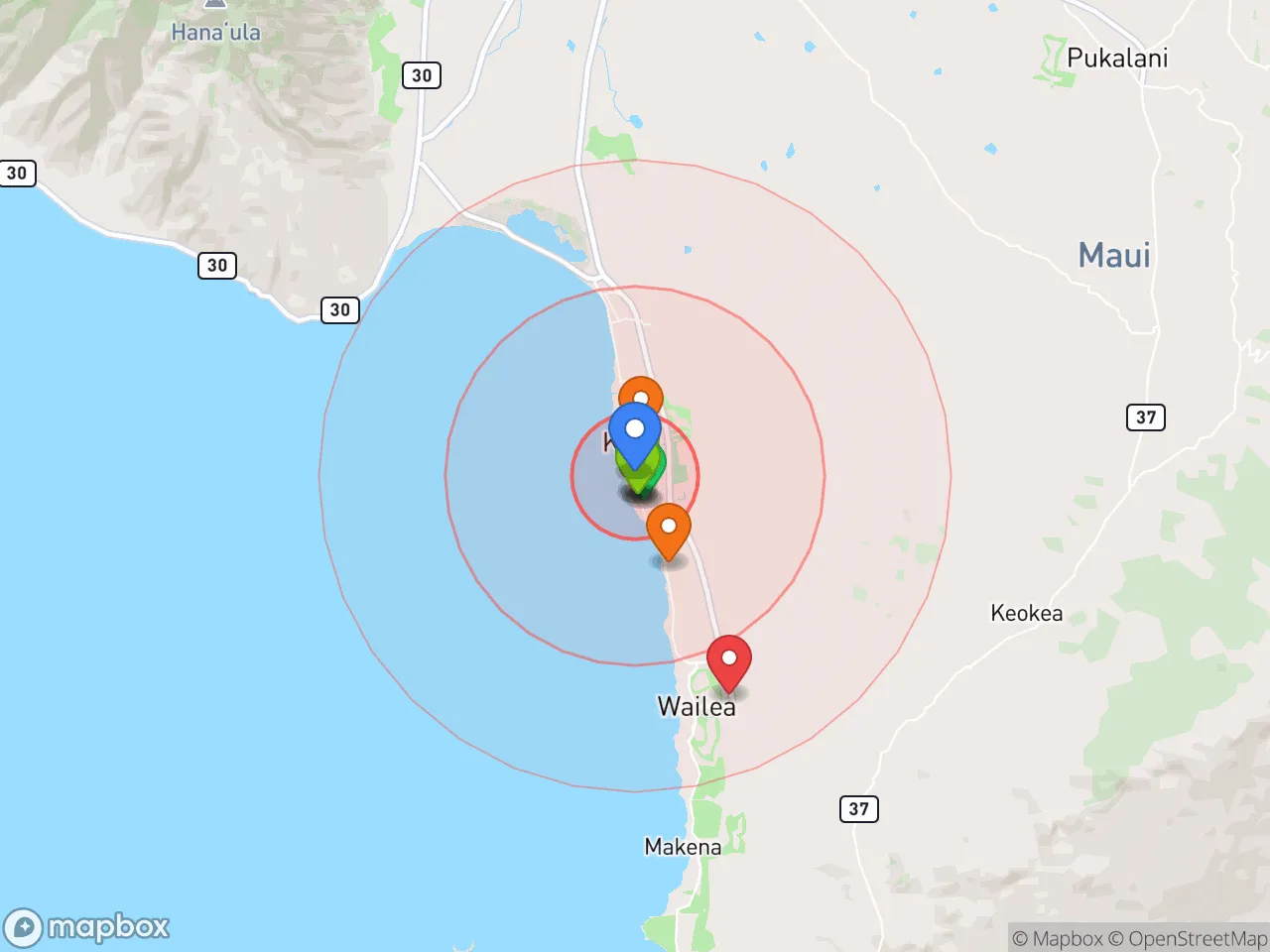
2 within 10 miles
Gas
11 within 10 miles
Hospital
2 within 20 miles
Airport
Daniel K. Inouye International Airport
Post Office
USPS — Kihei, HI
Critical Amenities
Quality-of-Life Analysis
Kihei, on Maui’s southwestern shore, is a middle-to-upper-middle-class beach town where the cost of living is among the highest in the nation. The area attracts a mix of long-term locals, remote workers, and retirees who prioritize year-round sun and ocean access over low expenses. With a cost-of-living index of 228 (more than double the U.S. average), Kihei is significantly more expensive than mainland resort towns like Sarasota, Florida (index ~105) or Myrtle Beach, South Carolina (index ~95), yet it remains slightly more affordable than Maui’s pricier resort enclave of Wailea, where median home values exceed $1.5 million.
Cost of living, housing, and how Kihei compares to nearby areas
Kihei’s housing market is the primary driver of its high cost of living. The median home value sits at $871,600, roughly 2.5 times the national median, while the median rent of $2,021 is about 40% above the U.S. average. Compared to neighboring Wailea, Kihei offers more modest single-family homes and older condominium complexes, making it a relative bargain for Maui—though still far from affordable by mainland standards. Renters face stiff competition, especially for units under $2,000, and many working residents commute from less expensive areas like Kahului (median home value ~$750,000) or Wailuku (~$700,000). The average commute in Kihei is 21 minutes, notably shorter than the 30+ minute drives common in Kahului or Lahaina, thanks to the town’s compact layout along South Kihei Road. However, traffic congestion during peak tourist season can double that time, particularly near the Piilani Highway intersection.
Amenities, schools, and what daily life feels like in Kihei
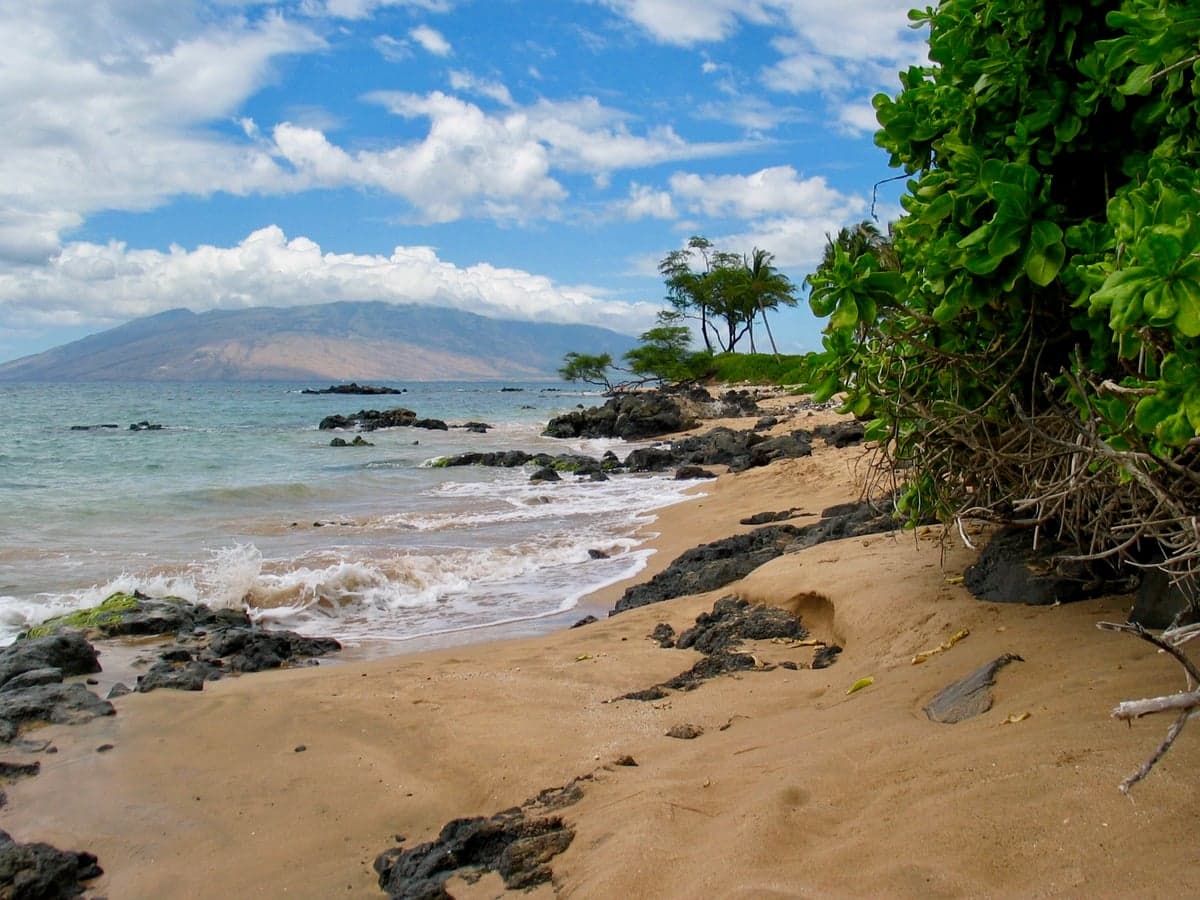
Daily life in Kihei revolves around its five-mile stretch of beaches, from Kalama Park to Keawakapu, with swimming, paddleboarding, and sunset walks as routine activities. The town’s commercial spine—South Kihei Road—is lined with strip malls, local plate-lunch spots, and grocery stores like Foodland and Safeway, offering convenience over charm. For families, the public schools are mixed: Kihei Elementary School scores above the state average on standardized tests, while Lokelani Intermediate and Kīhei Charter School receive more variable ratings. Private options include the Montessori Hale O Keiki and Seabury Hall in nearby Makawao. Healthcare is accessible via the Maui Memorial Medical Center in Wailuku (20 minutes away) and a handful of urgent-care clinics in Kihei itself. The rhythm is slow and outdoor-oriented—most errands happen in the morning before the heat peaks, and evenings often involve beachside gatherings or community events at the Kihei Community Center.
Kihei is best suited for people who can absorb its high housing costs and who value immediate beach access, a warm climate, and a laid-back pace over urban amenities or career diversity. Remote workers with mainland salaries, retirees with equity from a previous home sale, and hospitality professionals employed in Wailea’s resorts are the typical residents who thrive here. Families on a single income may struggle unless they secure subsidized housing or commute from a cheaper island neighborhood. For those who can afford it, Kihei offers a quality of life defined by daily ocean proximity, a tight-knit community feel, and the absence of the traffic and crowds found in Lahaina or Kahului—though those trade-offs come at a steep financial premium.

Crime in Kihei, HI
Generally safer than 64% of comparable U.S. locations.
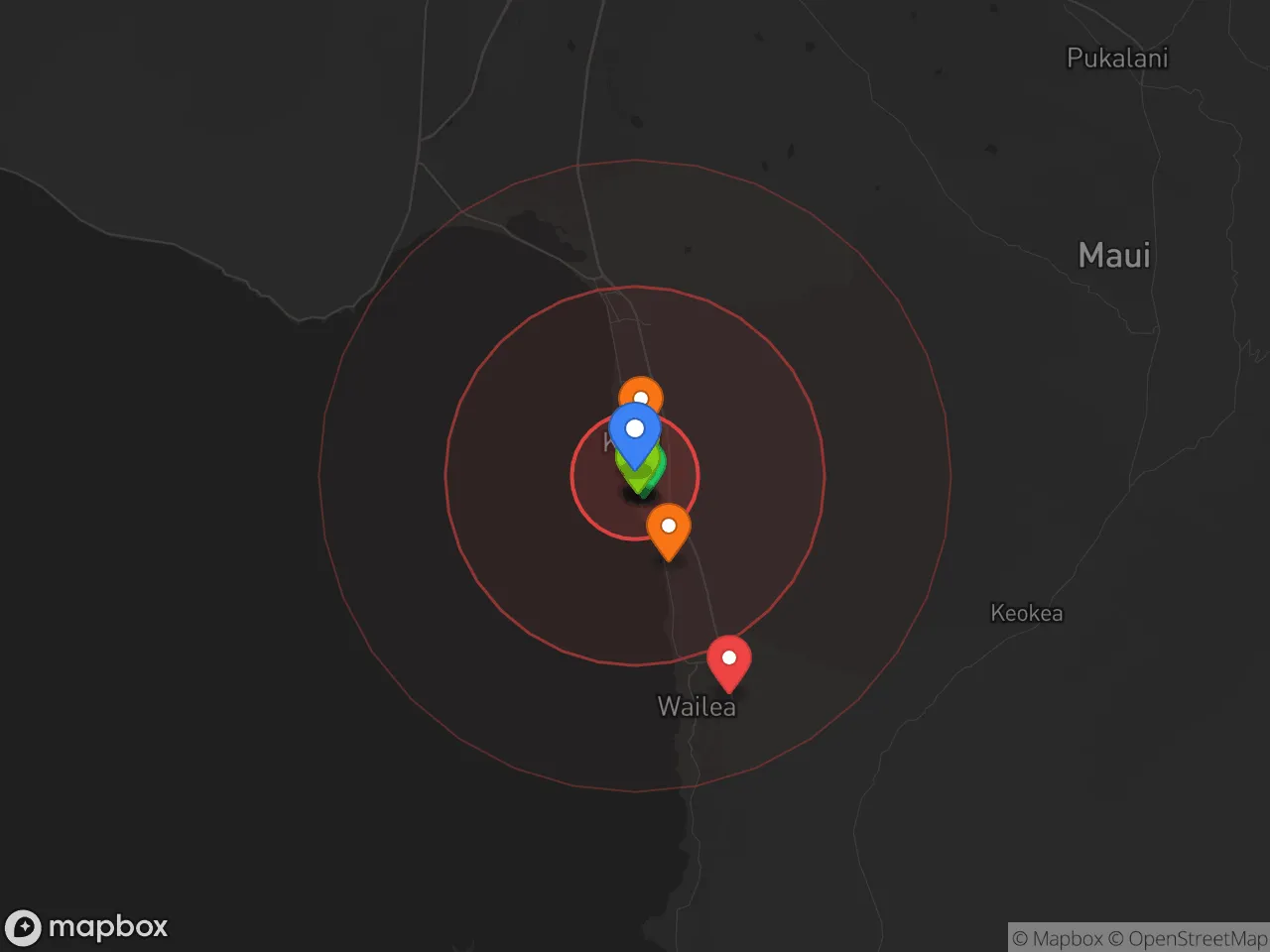
Violent CrimeViolent Crime Analysis
Property CrimeProperty Crime Analysis
Crime Analysis
Kihei, a coastal town on Maui's southwestern shore, presents a mixed safety profile. While its violent crime rate of 200.2 per 100,000 residents is notably lower than the national average, its property crime rate of 1,586.9 per 100,000 is significantly elevated, placing it among the higher-risk areas in Hawaii for theft and burglary. The overall safety picture is one where residents and visitors enjoy a relatively low risk of violent confrontation but face a tangible, everyday threat to their belongings.
Crime in context
Kihei's violent crime rate of 200.2 per 100,000 is roughly 43% lower than the U.S. national average of about 350 per 100,000, and it also sits below the Hawaii state average. This means incidents like assault, robbery, and homicide are statistically uncommon. However, the property crime rate of 1,586.9 per 100,000 is nearly 50% higher than the national average of roughly 1,100 per 100,000. This disparity is typical of many tourist-oriented towns in Hawaii, where transient populations and a high density of rental cars, vacation rentals, and unattended beach gear create prime opportunities for theft. The state's broader criminal justice environment, which often emphasizes rehabilitation and alternatives to incarceration, can contribute to higher recidivism rates for property offenses, a dynamic that directly impacts communities like Kihei.
What residents experience
For those living in Kihei, the primary safety concern is not personal violence but property crime. Vehicle break-ins and thefts from rental cars are the most frequently reported incidents, particularly in beach parking lots and at popular shopping centers like the Kihei Kalama Village and Azeka Place. Package theft from residential mailboxes and break-ins at vacation rentals are also common complaints. Residents often adapt by never leaving valuables visible in cars, using secure mail delivery services, and installing motion-sensor lighting. The presence of a large visitor population means that many property crimes are opportunistic rather than targeted, but the cumulative effect can be a sense of wariness, especially during peak tourist seasons when the town's population swells.
Neighborhood-level variation
Safety conditions are not uniform across Kihei. The older, more densely developed areas near the beachfront, particularly along South Kihei Road from Kalama Park to the Piilani Village area, see the highest concentration of property crime due to the constant flow of tourists and foot traffic. In contrast, the newer, more residential subdivisions further from the coast—such as those in the Waipuilani area or the newer developments near the Kihei-Wailea border—tend to experience fewer incidents. Gated communities and complexes with 24-hour security are virtually free of property crime, while older, open-access condominiums and street-facing homes are more vulnerable. Overall, Kihei is a safe place to live and visit for those who take proactive steps to secure their property, but the high property crime rate is a persistent, data-backed reality that demands attention.
* Values derived from national, state, county, city and local statistics and may differ in a specific area. Last updated: 2026-04-24T00:41:08.000Z
Narrative content on this page is AI-generated and may contain mistakes. Verify any details that matter before acting on them.
ReloMaps may earn a commission from affiliate links at no extra cost to you.

