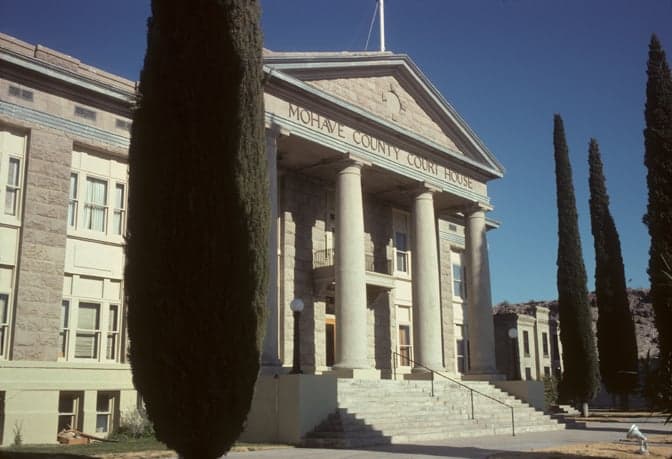
Photo: Wikipedia
Quality of Life in Kingman, AZ
Above-average quality of iife. The area offers a reasonable cost of living, decent mobility, and a mix of neighborhood amenities.
What does Quality of Life tell us?
Quality of Life blends cost of living, nearby amenities, socioeconomic signals, and neighborhood character. City-level scores represent the whole municipality; individual neighborhoods can differ.
What does this tell us?
Quality of Life blends cost of living, nearby amenities, socioeconomic signals, and neighborhood character. City-level scores represent the whole municipality; individual neighborhoods can differ.
Cost of Living
14% below national average
The Real Cost of Living in Kingman, AZ for 2026
| Tier | Individual | Family (4) |
|---|---|---|
| Survival | $16k | $30k |
| Comfortable | $47k | $69k |
| Luxury | $97k+ | $151k+ |
| Elite (Top 5%) | $114k+ | $177k+ |
87%
The Area Signal
A metric tracking the socioeconomic signals of the area.
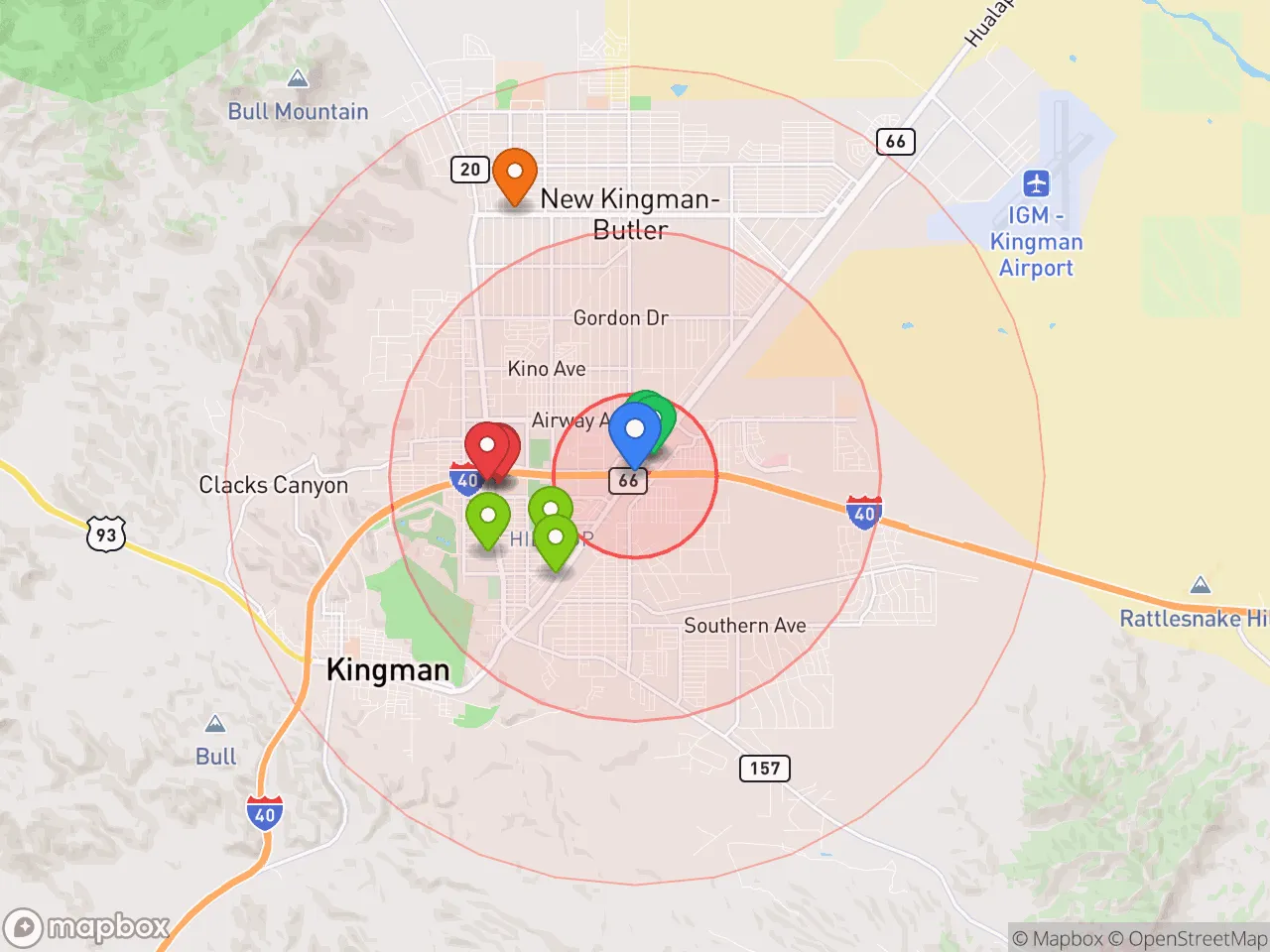
Hobbies
Explore the areaGroceries
2 within 10 miles
Gas
20 within 10 miles
Hospital
3 within 20 miles
Airport
LAS — Harry Reid International
Post Office
USPS — Kingman, AZ
Critical Amenities
Quality-of-Life Analysis
Kingman, Arizona, offers a notably lower cost of living than much of the Southwest, with a composite cost-of-living index of 86 (14% below the U.S. average), making it an attractive destination for budget-conscious retirees, remote workers, and families seeking affordable housing. The city’s population skews older and more blue-collar than the state average, with a median age around 40 and a significant share of residents employed in transportation, retail, and local government. While not affluent by national standards—median household income hovers near $48,000—Kingman’s low housing costs allow many households to achieve a comfortable, debt-free lifestyle that would be difficult in pricier Arizona metros like Phoenix or Flagstaff.
How Kingman’s housing costs compare to Las Vegas and Flagstaff
Kingman’s housing market is the primary driver of its affordability. The median home value sits at $242,700, roughly half the median in Flagstaff ($480,000) and about 30% less than in Las Vegas ($350,000). Median rent is $990 per month, well below the national median of $1,200 and significantly cheaper than the $1,400+ averages in nearby Bullhead City or Lake Havasu City. The average commute time of 19.2 minutes is short by national standards, meaning residents spend less on gas and vehicle wear—a real advantage given Kingman’s spread-out layout and limited public transit. Property taxes are low (roughly 0.6% of assessed value), and no state income tax on wages further stretches household budgets. However, utility costs run about 5% above the national average due to summer air-conditioning demand, and grocery prices are on par with the rest of rural Mohave County.
Daily life, schools, and local amenities in Kingman
Kingman’s daily rhythm is quiet and car-dependent, with most retail and services concentrated along Stockton Hill Road and Route 66. The Kingman Unified School District serves roughly 6,000 students across 11 schools; Lee Williams High School and Kingman High School both offer dual-enrollment programs with Mohave Community College, though overall test scores lag behind state averages. For healthcare, Kingman Regional Medical Center is a 200-bed facility that handles most emergencies, but specialists often require a 90-minute drive to Las Vegas. Outdoor amenities are a major draw: the Hualapai Mountain Park offers hiking and camping 15 minutes from downtown, and the Colorado River at Bullhead City is a 30-minute drive. Dining options are limited to chain restaurants and a handful of local diners (e.g., Dambar & Steakhouse), and nightlife is minimal. The city’s location on I-40 and Historic Route 66 makes it a convenient stop for travelers, but residents often drive to Las Vegas (90 minutes) or Flagstaff (2 hours) for major shopping, concerts, or airport access.
Kingman is best suited for people who prioritize low housing costs and a slow pace over urban amenities and career opportunities. Retirees on fixed incomes, remote workers with stable salaries, and families who can find local employment in logistics (e.g., Amazon’s Bullhead City warehouse) or healthcare will find the affordability compelling. Professionals seeking high-paying jobs, cultural diversity, or top-tier schools should look elsewhere—Kingman’s economy is narrow and its social scene quiet. For those who value space, low taxes, and proximity to desert recreation, the trade-offs are manageable and the financial math works.

Crime in Kingman, AZ
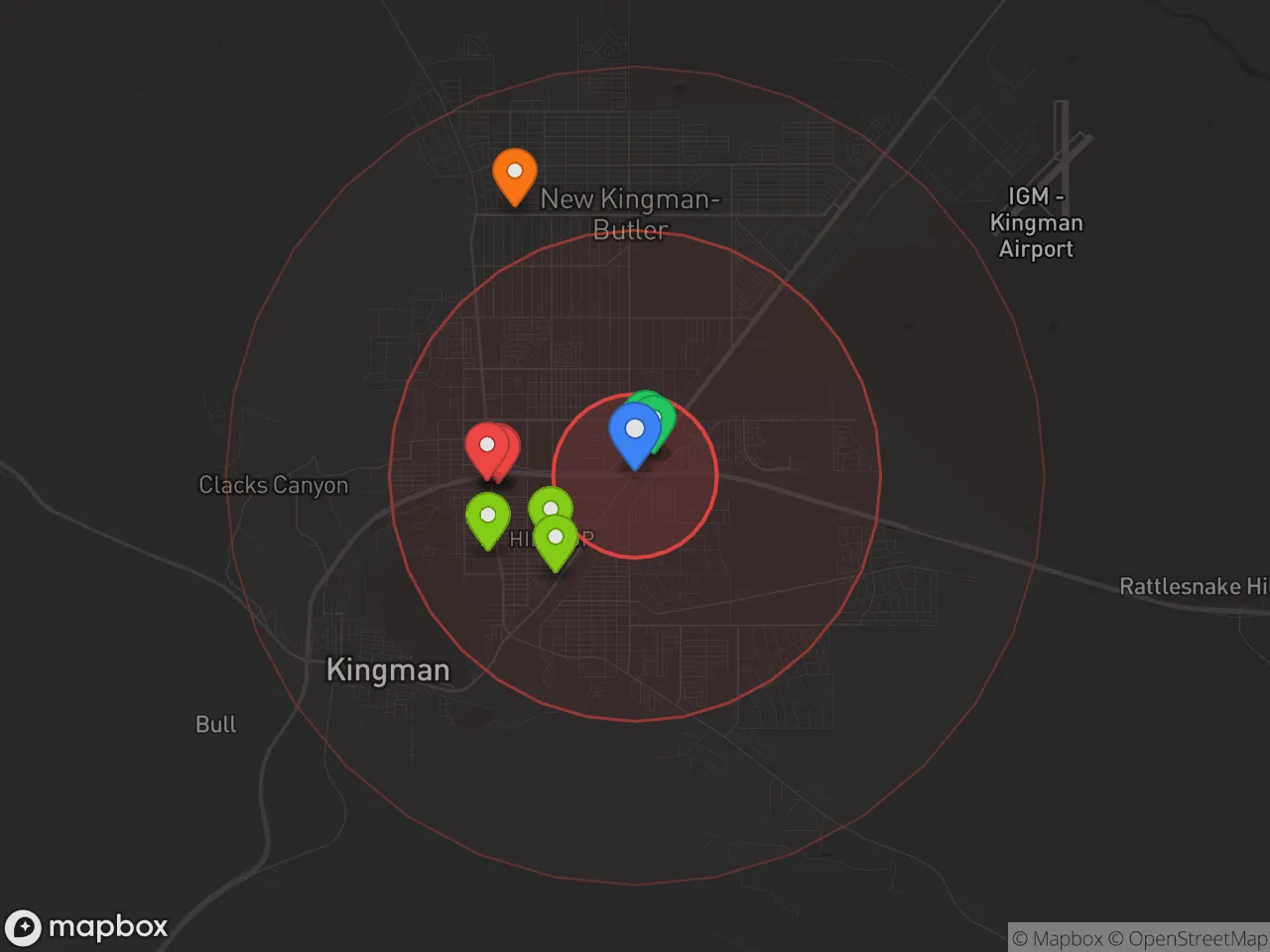
Crime rates similar to the national median for U.S. locations.
Violent CrimeViolent Crime Analysis
Property CrimeProperty Crime Analysis
Crime Analysis
Kingman, Arizona, presents a mixed safety profile that demands careful attention from potential residents. The city's violent crime rate of 235.9 per 100,000 residents is notably lower than the national average, but its property crime rate of 3,377.3 per 100,000 is significantly elevated—roughly 50% higher than the U.S. average. This combination means that while the risk of violent victimization is relatively low, the likelihood of experiencing theft, burglary, or vehicle break-ins is a real concern for daily life.
Crime in context
When compared to statewide and national benchmarks, Kingman's violent crime rate sits well below the Arizona average of approximately 430 per 100,000 and the national figure of about 380 per 100,000. However, the property crime rate is a stark outlier. At 3,377.3 per 100,000, it far exceeds both the Arizona average (roughly 2,500 per 100,000) and the national average (around 2,200 per 100,000). This disparity suggests that while serious violent offenses like homicide and aggravated assault are less common, property crimes—particularly larceny-theft and motor vehicle theft—are pervasive. The city's location along Interstate 40 and its role as a regional hub for travelers and commerce likely contribute to these elevated numbers, as transient populations can increase opportunities for theft.
What residents experience
For those living in Kingman, the daily safety experience is shaped more by property crime than by violent threats. Residents commonly report issues with package theft, unlocked vehicle break-ins, and occasional burglaries of sheds or garages. The city's police department has responded with targeted patrols and community watch programs, but the sheer volume of property crime means that prevention often falls on individual vigilance. Locking vehicles and securing outdoor items are not optional precautions here—they are essential habits. Violent crime, while less frequent, does occur and is often concentrated in specific areas or tied to domestic disputes and drug-related activity. The presence of a progressive judicial philosophy in Mohave County's courts has been a point of contention, with critics arguing that lenient sentencing for property and drug offenders contributes to repeat offenses and undermines public confidence in the justice system.
Neighborhood-level variation in Kingman is noticeable. Areas closer to the historic downtown and along the Route 66 corridor tend to see higher foot traffic and, consequently, more petty theft and vandalism. Newer subdivisions on the city's outskirts, such as those near the Hualapai Mountains, generally report lower crime rates. The Kingman Police Department publishes a monthly crime map, which is a valuable resource for anyone researching specific neighborhoods. Overall, Kingman offers a lower risk of violent crime than many similarly sized Arizona cities, but its property crime problem requires proactive personal security measures and an awareness of local judicial trends that may affect recidivism.
* Values derived from national, state, county, city and local statistics and may differ in a specific area. Last updated: 2026-04-22T11:26:40.000Z
Narrative content on this page is AI-generated and may contain mistakes. Verify any details that matter before acting on them.
ReloMaps may earn a commission from affiliate links at no extra cost to you.

