Photo: Wikipedia
Demographics of Kivalina, AK
Affluence Level in Kivalina, AK
A low-income area with significant economic hardship. Household wealth and educational attainment are well below national averages.
People of Kivalina, AK
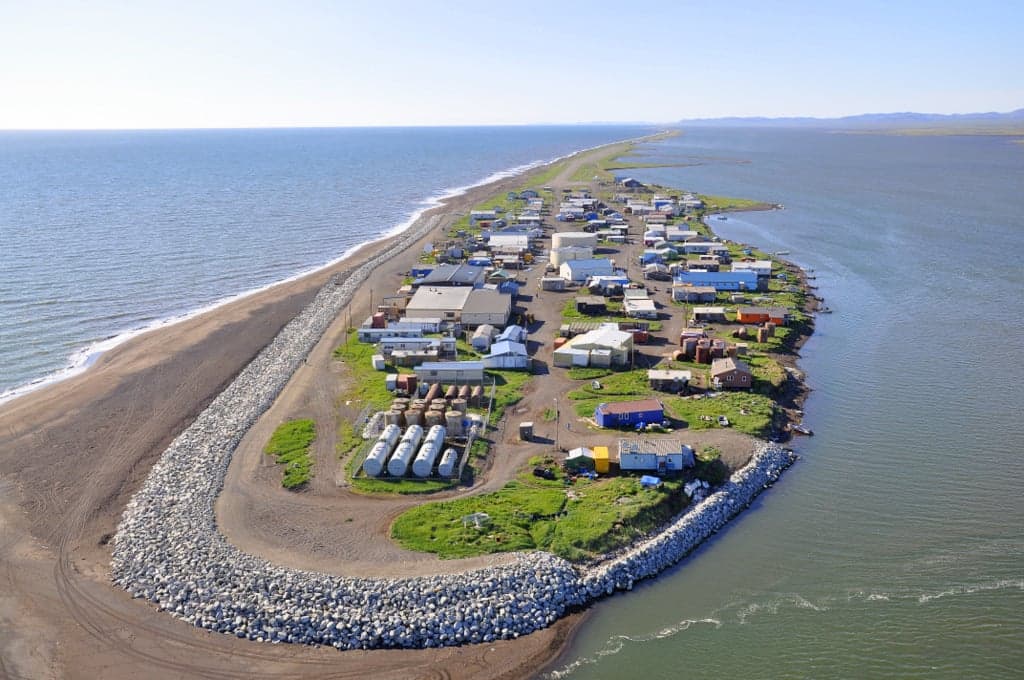
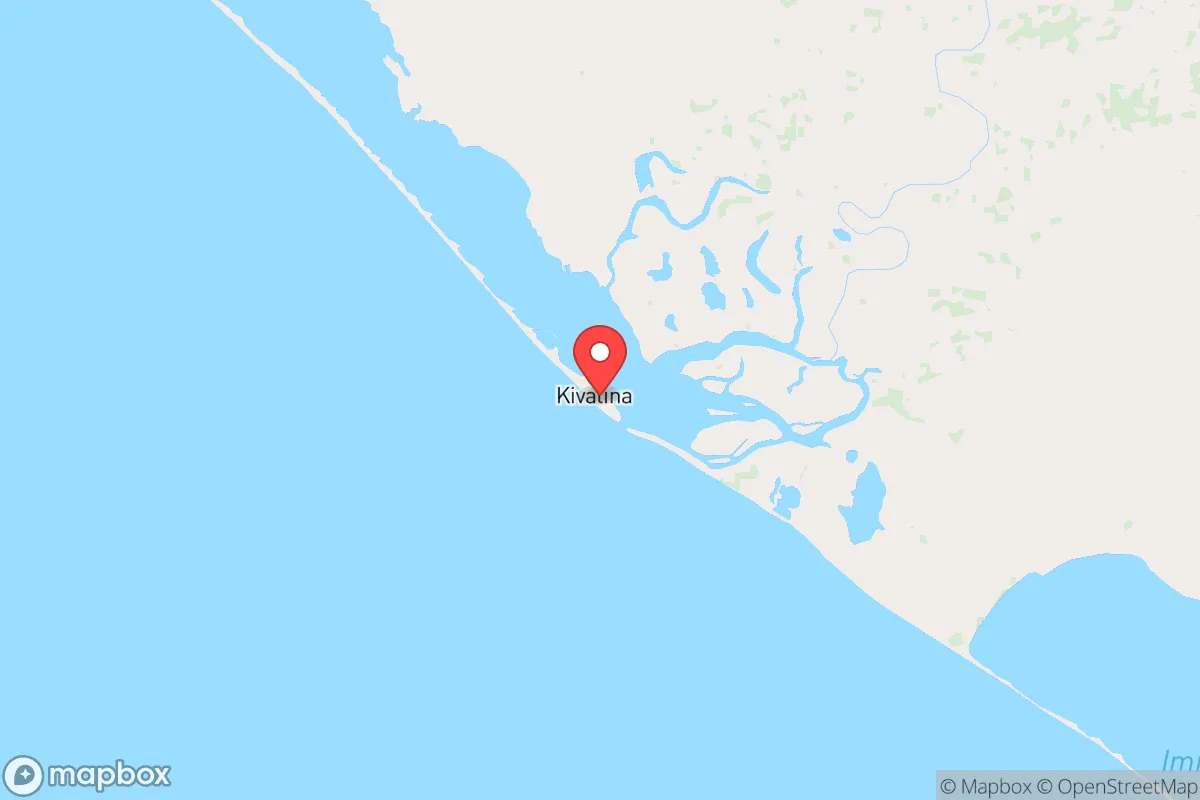
The people of Kivalina, Alaska, are a tightly-knit Iñupiat community of 813 residents, almost entirely Alaska Native (98.8%), living on a narrow barrier island in the Chukchi Sea. The population is characterized by its strong subsistence culture, reliance on marine mammal hunting and fishing, and a distinctive identity rooted in centuries of Arctic adaptation. With a median age of 22.8 and a 2.3% college-educated rate, the community is young, family-oriented, and deeply connected to traditional ways of life, yet faces profound challenges from climate change and erosion that threaten the very existence of the island village.
How the city was settled and grew
Kivalina's human history is not one of waves of immigrants or land grants, but of continuous Iñupiat occupation of the region for at least 1,000 years. The original inhabitants were semi-nomadic hunters and fishers who followed seasonal migrations of seals, walrus, caribou, and fish along the northwest Alaska coast. The modern village site on the barrier island was established as a permanent settlement in the early 20th century, when the Bureau of Indian Affairs (BIA) built a school there in 1905, drawing families from seasonal camps like Kivalina River Camp and Wulik River Camp to a centralized location. The community grew slowly through the mid-20th century as the BIA and the Alaska Native Service encouraged permanent village life, with most families settling in the Old Village area near the lagoon. By the 1950s, a small store, a post office, and a church had been built, and the population stabilized around 200-300 residents, all Iñupiat, living in traditional sod houses and later frame homes. No other ethnic groups settled here; the village remained exclusively Alaska Native through this period.
Modern era (post-1965)
After the Alaska Native Claims Settlement Act (ANCSA) of 1971, Kivalina was incorporated as a city and the Kivalina IRA (Indian Reorganization Act) Council was established, formalizing tribal governance. The population grew from 377 in 1980 to 813 today, driven by high birth rates and improved healthcare access, not in-migration. The foreign-born population remains 0.0%, and the racial composition is virtually unchanged: 1.2% White (mostly teachers and public health workers) and 98.8% Alaska Native. New housing developments in the New Village area, built on higher ground on the island's north end, absorbed the growing population, while the Old Village remains the historic core with older homes and the community center. The Airport Area, near the gravel airstrip, houses the school, clinic, and tribal offices. Subsistence remains the economic backbone, with cash income from commercial fishing (salmon, crab) and seasonal construction work supplementing traditional hunting. The community has no road connection to the rest of Alaska; all goods arrive by air or seasonal barge.
The future
The population of Kivalina is heading toward a demographic and geographic crossroads. The community is not homogenizing or diversifying—it remains overwhelmingly Iñupiat, with no Hispanic, Black, Asian, or Indian subcontinent residents. The primary driver of future change is not immigration but relocation. The barrier island is rapidly eroding due to sea ice loss and increased storm surges, and the village has been actively seeking a move to a new site on the mainland, such as Kiniktuuraq, a location about 10 miles up the Kivalina River. A 2022 Army Corps of Engineers study estimated relocation costs at $400 million, and progress has been slow. If relocation occurs, the population will likely remain intact as a single community, preserving its cultural identity. If it does not, the village could face forced dispersal, with families moving to larger hubs like Kotzebue or Anchorage. The next 10-20 years will be defined by this existential choice: whether Kivalina's people can stay together on new ground or scatter across Alaska.
For someone moving into Kivalina now, this is a place of profound cultural resilience and acute vulnerability. The community is not growing through newcomers but through its own high birth rate, and it remains one of the most culturally homogeneous and subsistence-dependent villages in Alaska. A newcomer would need to be prepared for extreme isolation, a non-cash economy, and a community focused on survival—both cultural and physical—in the face of climate change. This is not a place of demographic blending or suburban expansion; it is a place where the people are fighting to stay in place, together, on their own terms.

* Values derived from national, state, county, city and local statistics and may differ in a specific area. Last updated: 2026-04-19T19:28:24.000Z
Narrative content on this page is AI-generated and may contain mistakes. Verify any details that matter before acting on them.
ReloMaps may earn a commission from affiliate links at no extra cost to you.

