Photo: Wikipedia
Quality of Life in Kivalina, AK
A livable area that tracks near national norms for affordability, walkability, and neighborhood health.
What does Quality of Life tell us?
Quality of Life blends cost of living, nearby amenities, socioeconomic signals, and neighborhood character. City-level scores represent the whole municipality; individual neighborhoods can differ.
What does this tell us?
Quality of Life blends cost of living, nearby amenities, socioeconomic signals, and neighborhood character. City-level scores represent the whole municipality; individual neighborhoods can differ.
Cost of Living
30% below national average
The Real Cost of Living in Kivalina, AK for 2026
| Tier | Individual | Family (4) |
|---|---|---|
| Survival | $16k | $31k |
| Comfortable | $27k | $40k |
| Luxury | $96k+ | $149k+ |
| Elite (Top 5%) | $113k+ | $176k+ |
177%
The Area Signal
A metric tracking the socioeconomic signals of the area.


Limited data for this area
Limited data for this area
Hobbies
Explore the areaGroceries
1 within 10 miles
Gas
0 within 10 miles
Hospital
0 within 20 miles
Airport
Kivalina Airport
Post Office
USPS — Kivalina, AK
Critical Amenities
Quality-of-Life Analysis
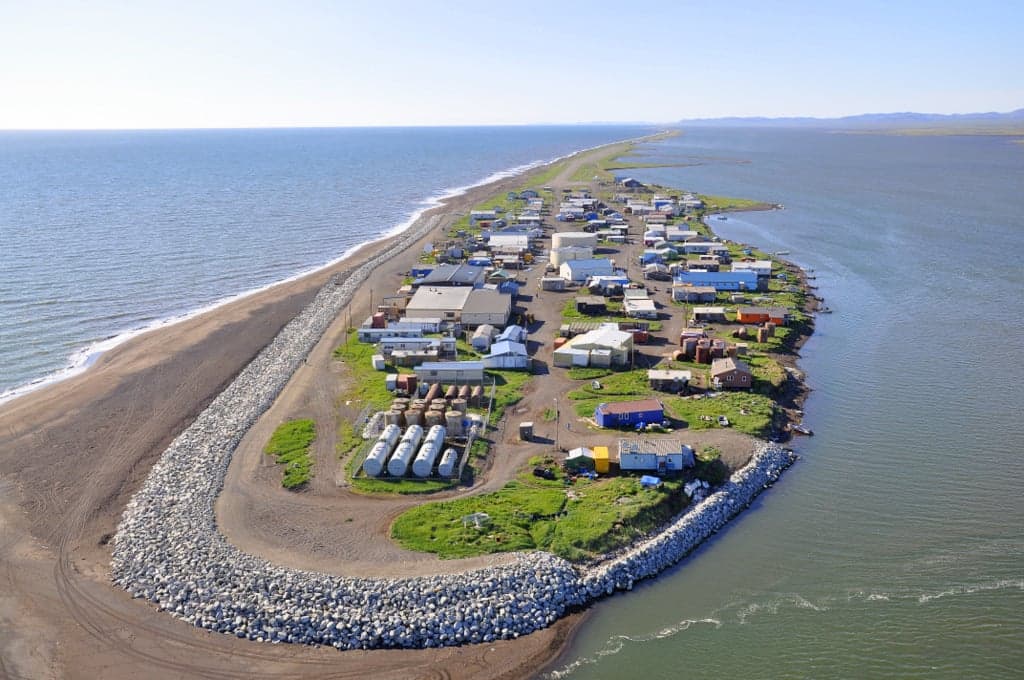
Kivalina, Alaska, is a remote Iñupiat village on a barrier island above the Arctic Circle, where the cost of living is paradoxically low by national metrics yet high in practical terms due to extreme isolation. With a cost-of-living index of 70 (100 = U.S. average), the community is far less expensive than Anchorage (index ~130) or Nome (index ~125), but this figure masks the reality that nearly all goods—from food to fuel—must be flown or barged in, creating a subsistence-based economy rather than a cash-driven one. The population of roughly 400 residents is overwhelmingly Alaska Native, and daily life centers on traditional whaling, fishing, and caribou hunting, not retail or service employment. Affluence here is not measured by income but by access to country food and the strength of extended family networks, making Kivalina fundamentally different from any Lower 48 relocation destination.
Cost of living, housing affordability, and how Kivalina compares to nearby communities
Kivalina’s cost-of-living index of 70 is the lowest in the Northwest Arctic Borough, but this is deceptive because the index weights housing costs heavily while ignoring the inflated price of shipped-in essentials. The median home value of $119,600 is remarkably low compared to Kotzebue ($210,000) or Anchorage ($380,000), and the median rent of $1,028 is roughly on par with rural Alaska hubs. However, housing stock is extremely limited—most homes are small, aging, and often overcrowded, with many lacking running water or sewer connections. A gallon of milk can cost $8–$10, and a gallon of gasoline $6–$7, erasing any perceived savings from low rent. Compared to Nome, where a two-bedroom apartment rents for $1,500+, Kivalina’s $1,028 median rent is cheaper, but the lack of rental inventory means newcomers typically cannot find a place at all without tribal or school-district housing assistance.
Schools, amenities, and what daily life is like for families
Daily life in Kivalina revolves around the school, the store, and the seasons. The Kivalina School (K–12, about 100 students) is the community’s anchor, offering Alaska-standards curriculum, Iñupiaq language classes, and subsistence activities integrated into the school year. Amenities are sparse: there is one general store (AC Value Center) with limited, expensive stock; no bank, no restaurant, no gas station (fuel is delivered in drums); and no road connection to the mainland. Internet is available via satellite but is slow and costly, with plans starting at $100/month for basic service. Families spend significant time on the land—whaling in spring, berry picking in summer, caribou hunting in fall—and children learn survival skills alongside academics. The rhythm is dictated by weather and ice conditions, not by a 9-to-5 schedule. For outsiders, the lack of privacy, constant noise from snowmachines and generators, and the absence of retail or entertainment options can be jarring.
Kivalina is not a relocation destination for most people; it is a place where those who thrive are already deeply connected to the Iñupiat culture and subsistence lifestyle. A teacher, nurse, or public-safety officer moving here for work will need extreme self-reliance, tolerance for isolation, and respect for a community that operates on its own terms. The low cost-of-living index and affordable housing are real on paper, but they come with trade-offs—no roads, no restaurants, no anonymity—that make Kivalina unsuitable for anyone seeking a conventional American quality of life. For those who embrace the subsistence cycle and the close-knit, intergenerational bonds of village life, however, the quality of life is rich in ways no index can measure.

Crime in Kivalina, AK
Higher crime rates than 66% of comparable U.S. locations.
Violent CrimeViolent Crime Analysis
Property CrimeProperty Crime Analysis
Crime Analysis
Kivalina, a remote Iñupiat village on a barrier island in northwest Alaska, faces a public safety environment that is markedly more dangerous than the national average, driven by the compounding effects of extreme isolation, limited law enforcement resources, and systemic socioeconomic challenges. The village’s violent crime rate of 726.6 per 100,000 residents is more than double the U.S. national average, while its property crime rate of 1,909.5 per 100,000 also significantly exceeds the national benchmark. These figures reflect a community where crime is a persistent concern, though the nature of offenses and the community’s response are shaped by its unique geography and cultural context.
Crime in context
When compared to Alaska’s statewide averages, Kivalina’s crime rates are elevated but not entirely anomalous for a small, remote village. Alaska as a whole consistently reports the highest per-capita violent crime rates in the nation, driven by high rates of domestic violence, sexual assault, and alcohol-related offenses. Kivalina’s violent crime rate of 726.6 per 100,000 is roughly 1.5 times the Alaska state average and nearly 2.5 times the national average. Property crime in Kivalina, at 1,909.5 per 100,000, is also above the state average, though the gap is narrower. It is important to note that these statistics are drawn from a very small population base (approximately 400 residents), meaning that a single incident can produce a large statistical spike. The data does not reflect the influence of progressive prosecutorial policies, as Kivalina falls under the jurisdiction of the Northwest Arctic Borough, where the district attorney’s office operates within a state legal framework that has not adopted the lenient, offender-focused reforms seen in many large urban jurisdictions.
What residents experience
Daily life in Kivalina involves navigating a reality where law enforcement presence is minimal. The village is served by a single Alaska State Trooper post, often staffed by one or two officers, and the nearest backup is hours away by plane or snowmachine. This scarcity of policing means that many incidents—particularly domestic disputes, alcohol-fueled assaults, and theft—go unreported or are handled informally by community elders and family networks. Alcohol is a major contributing factor to both violent and property crime, as Kivalina has a local option law that restricts alcohol importation, but bootlegging remains common. Residents also contend with property crimes such as break-ins and theft of snowmachines, boats, and fuel, which are essential for subsistence hunting and transportation. The lack of a local jail means that offenders are often released back into the community while awaiting court dates, a dynamic that can erode trust in the justice system and heighten residents’ sense of vulnerability.
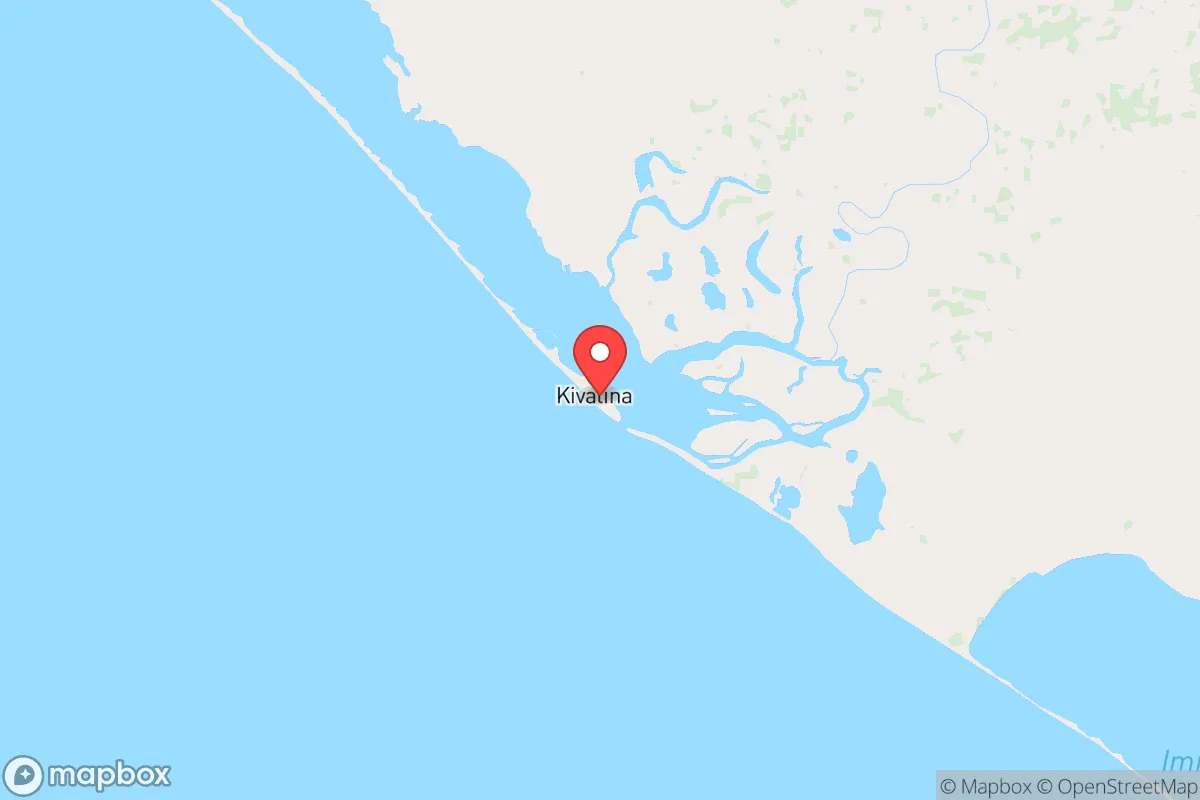
Neighborhood-level variation in Kivalina is minimal due to the village’s small size and dense layout. The entire community is clustered on a narrow island roughly two miles long and a quarter-mile wide, with no distinct high-crime or low-crime zones. Instead, safety concerns are largely tied to specific households or family groups where alcohol abuse and interpersonal violence are concentrated. Visitors and new residents are advised to exercise heightened awareness, particularly during winter darkness and periods of community stress such as fuel shortages or severe weather. While the village is not characterized by the gang violence or organized property crime rings seen in urban Alaska, the combination of isolation, limited policing, and high rates of substance abuse creates a persistent undercurrent of risk that demands caution.
* Values derived from national, state, county, city and local statistics and may differ in a specific area. Last updated: 2026-04-19T19:28:24.000Z
Narrative content on this page is AI-generated and may contain mistakes. Verify any details that matter before acting on them.
ReloMaps may earn a commission from affiliate links at no extra cost to you.

