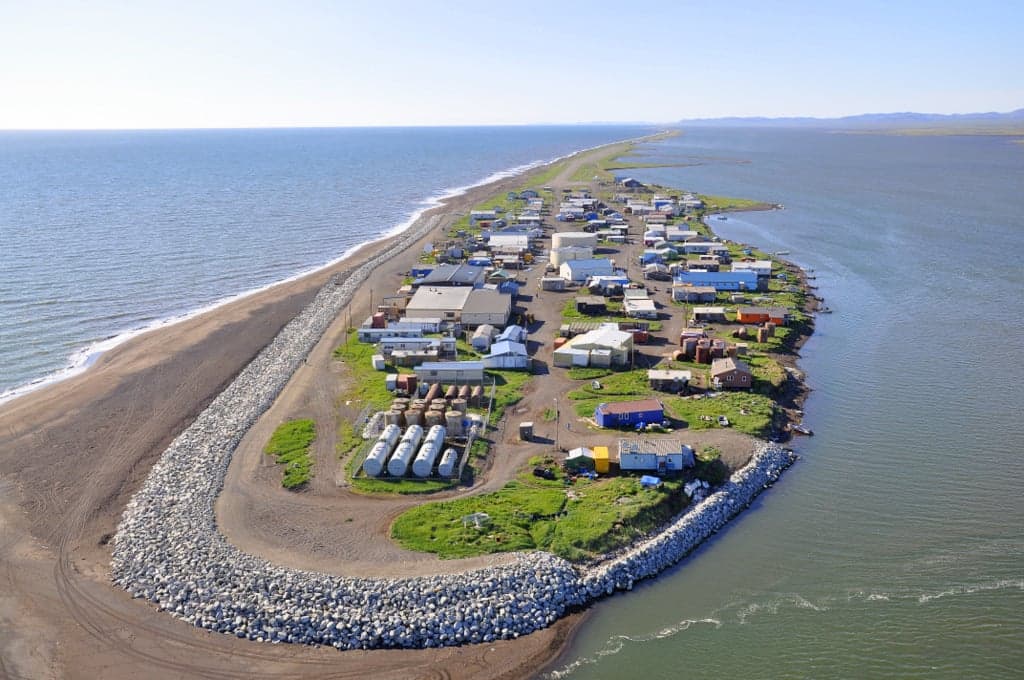
Photo: Wikipedia
Find The Best Places To Live
in Kivalina
PRO TIP! You can paste a Zillow or Redfin link to get info on that property.
What It's Like Living in Kivalina, AK
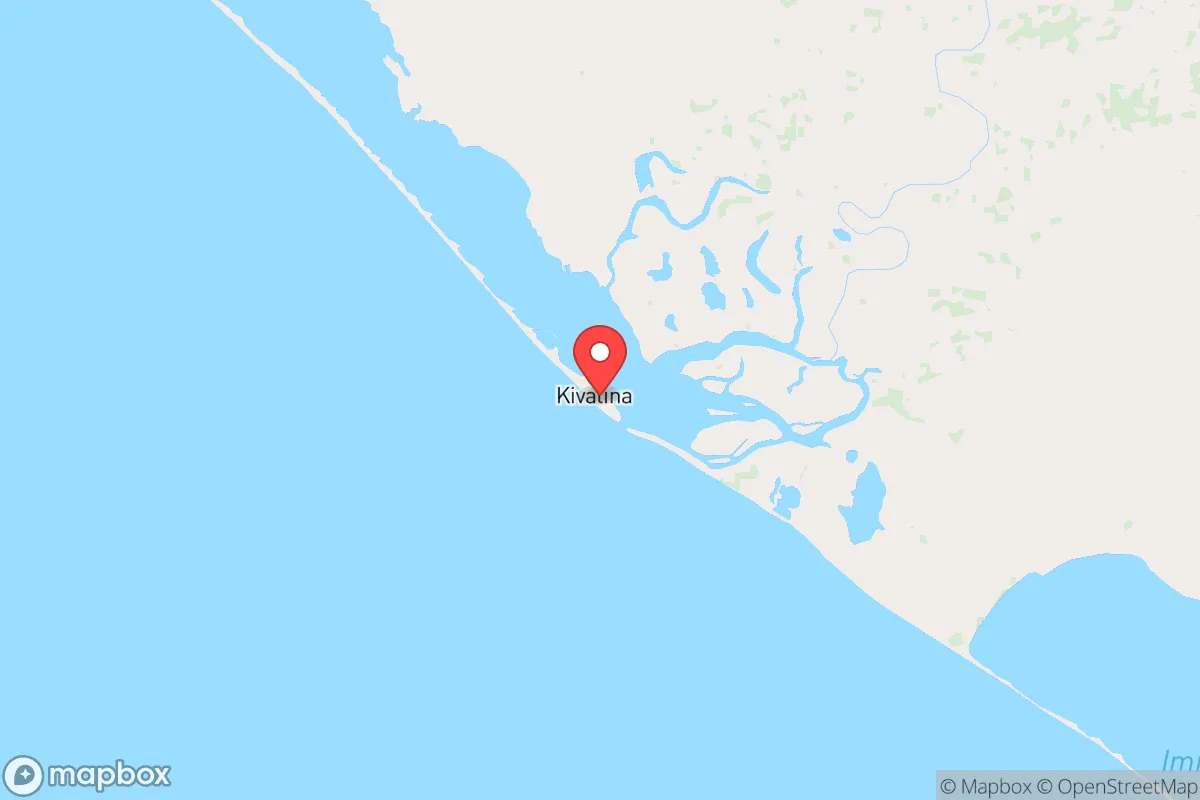
Living in Kivalina, Alaska, means being part of a tight-knit Iñupiat community perched on a narrow barrier reef between the Chukchi Sea and a lagoon, about 80 miles north of the Arctic Circle. Life here is shaped by the land and sea in ways that feel almost unimaginable to someone from the Lower 48—subsistence hunting, extreme weather, and a rhythm dictated by ice and wind. It’s a place where you either embrace the isolation and communal reliance, or you don’t last long.
Daily Rhythm on the Reef
Most days in Kivalina revolve around practical, survival-oriented tasks. With a population of just 813 and a median age of 20.7, the community is young and family-centric. There’s no grocery store in the usual sense—residents rely on the local store for basics like flour, sugar, and canned goods, but the real food comes from the land. Spring and fall are for whaling, summer for fishing and berry picking, and winter for seal and caribou. People spend weekends repairing boats, mending nets, or processing meat and fish for the freezer. The school—Kivalina School (K-12)—is the social hub, hosting basketball games, community dinners, and holiday events. There’s no movie theater, no mall, no chain restaurant. For entertainment, you’re looking at potlatches, bingo at the community hall, or gathering at someone’s home for cards and coffee. The local bar, if you can call it that, is more of a social spot than a nightlife destination—drinking is tightly regulated, and alcohol is banned in the village, with exceptions for traditional celebrations.
Sports, Community, and the School’s Role
Basketball is king here. The Kivalina Wolverines—the local high school team—draw the whole village for home games. It’s not just a sport; it’s the main winter event. When the team travels to tournaments in Kotzebue or Anchorage, it’s a big deal, and families follow via social media or radio. There’s no pro team within a thousand miles, so the high school games are your Friday night lights. The school itself is the anchor: it employs many adults, hosts the only gym, and runs after-school programs that keep kids busy during the long, dark winters. With only 2.3% of adults holding a college degree, the school is also the primary pathway for kids to see life beyond the reef—some go to college in Anchorage or Fairbanks, but many return to continue the subsistence lifestyle.
What’s There to Do—and What’s Hard
Outdoor activities are the main draw, but they’re not recreational in the Lower 48 sense—they’re essential. In summer, people fish for salmon, hunt for geese, and pick salmonberries and blueberries. In winter, snowmachines replace cars, and the frozen lagoon becomes a highway for ice fishing and dog mushing. The annual Kivalina Whaling Festival in spring is the biggest event, with dancing, feasting, and games like the blanket toss. It’s a celebration of the bowhead whale hunt, which is the community’s lifeblood. For a change of pace, some residents fly to Kotzebue (a 45-minute plane ride) for shopping or medical appointments. The cost of living index is 70—well below the US average—but that’s because housing is subsidized and many goods are flown in. Median home value is $119,600, but most homes are small, government-built units. Median household income is $70,278, which goes further here than in Anchorage, but the trade-off is extreme isolation.
Pros and Cons of Living Here
- Pros: Strong community bonds—everyone knows everyone, and neighbors help with hunting, repairs, and childcare. Low cost of living for basics like housing and utilities. Deep cultural traditions that connect you to the land and sea. No traffic, no crime in the typical sense—though the violent crime rate is high at 726.6 per 100K, it’s mostly domestic or alcohol-related, not random street crime.
- Cons: Extreme weather—winter temps can drop to -40°F with wind chill, and the village is eroding into the sea, with relocation plans stalled for years. Limited healthcare—the clinic has a nurse, but serious issues require a medevac to Kotzebue or Anchorage. No roads in or out—everything comes by plane or barge. The isolation can be crushing for outsiders; there’s no escape to a city for a weekend. Internet is slow and expensive.
The kind of person who fits in here is someone who values self-reliance, doesn’t mind cold and dark, and respects Iñupiat traditions. It’s not for the affluent—there’s no place to spend money—or for people who need constant stimulation. It’s for families who want their kids to grow up knowing how to hunt, fish, and work together, and for individuals who find meaning in a life that’s hard but honest. If you’re considering a move, visit in summer first, and be prepared for a pace of life that’s slower than anywhere you’ve been.

Similar small towns to Kivalina
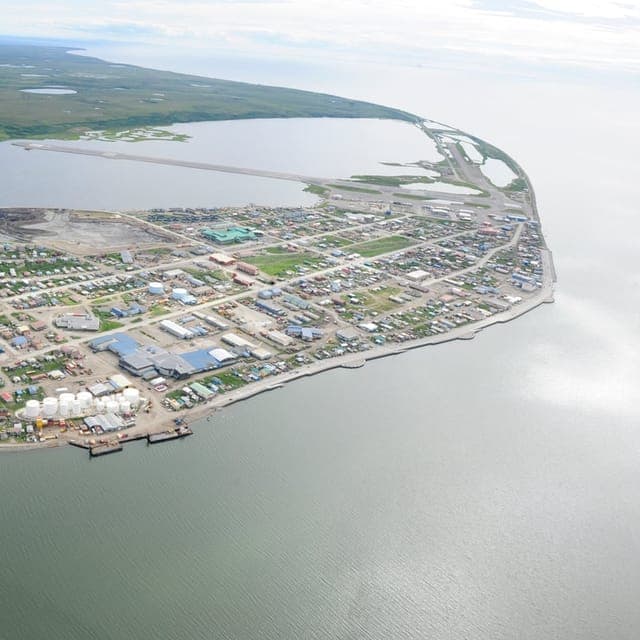
* Values derived from national, state, county, city and local statistics and may differ in a specific area. Last updated: 2026-04-19T19:28:24.000Z
Narrative content on this page is AI-generated and may contain mistakes. Verify any details that matter before acting on them.
ReloMaps may earn a commission from affiliate links at no extra cost to you.

