Photo: Wikipedia
Political ClimatePolitical Climate in Lansing, KS
District shown is the primary district for this city’s centroid. Cities may span multiple districts.
Local Political AnalysisPolitical Analysis of Lansing, KS
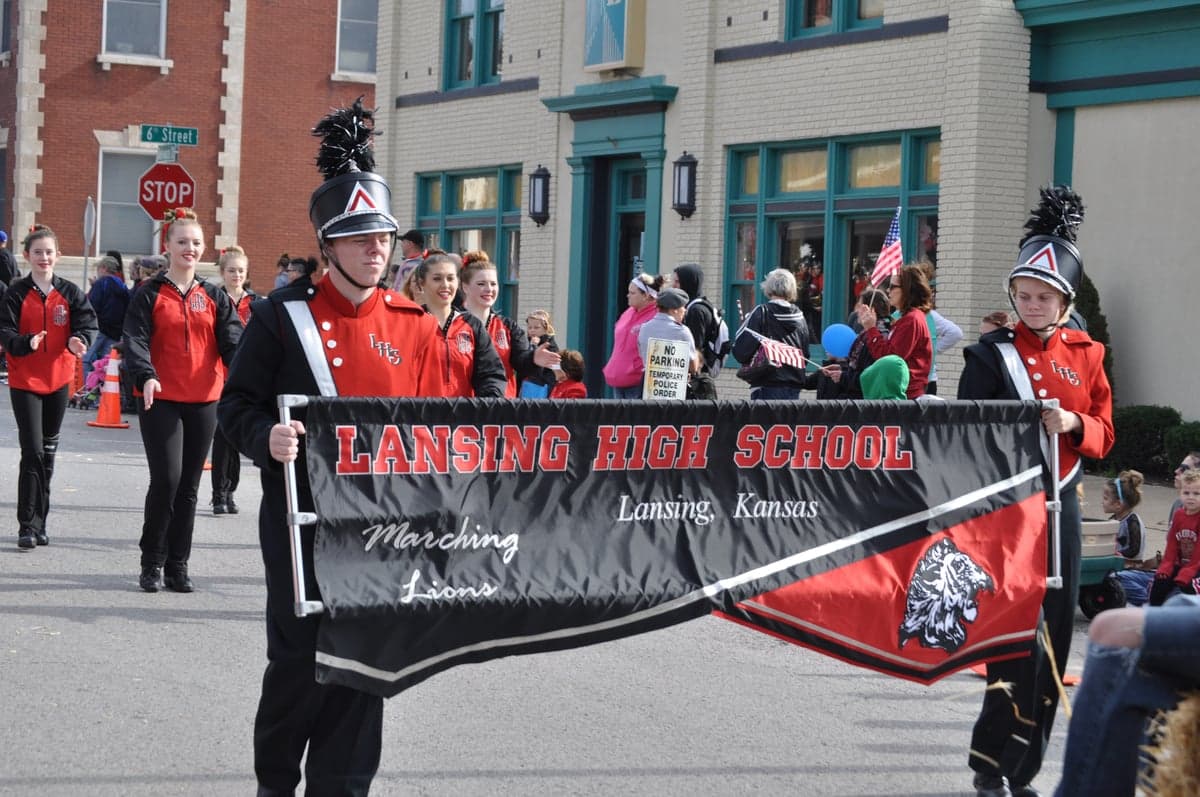
Lansing, Kansas, has long been a solidly conservative community, and that hasn't changed much despite some national trends. The Cook PVI rating of R+10 tells you the real story—this isn't a purple area, and it's not trending blue. If you look at the voting patterns over the last decade, you'll see that while the rest of the country has gotten more polarized, Lansing has stayed pretty reliably red, with most local and federal races going to Republicans by comfortable margins. That said, you can feel a subtle shift in the air, especially among newer residents moving up from Leavenworth or over from Kansas City, who sometimes bring a more progressive outlook on things like local ordinances and school board decisions.
How it compares
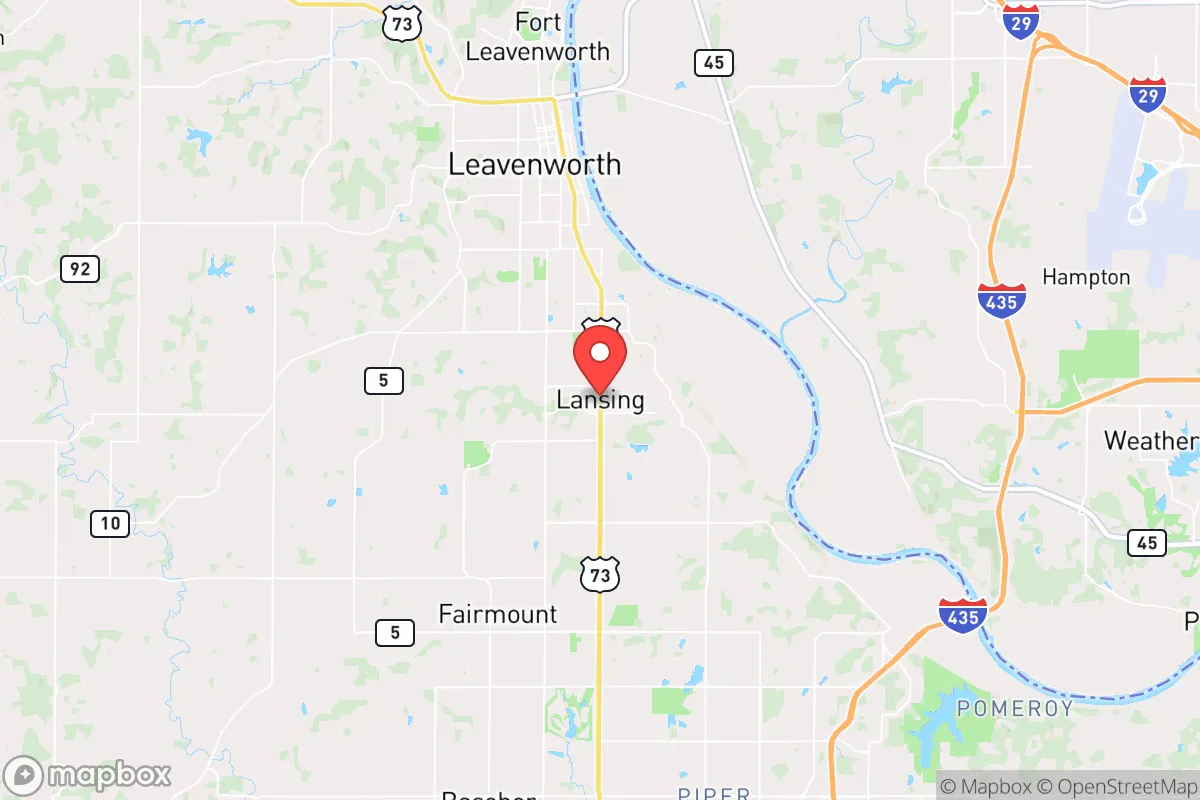
To really understand Lansing, you have to look at its neighbors. Head south into Leavenworth, and you'll find a more mixed political environment—still conservative overall, but with a noticeable progressive presence, especially around the downtown area and the university. Drive east across the Missouri line into Platte County, and you're in a similar R+10 zone, but the culture feels different—more suburban, more influenced by Kansas City's sprawl. Lansing, by contrast, feels like a small town that's held onto its roots. The biggest contrast is with Lawrence, about 30 minutes west, which is a deep blue stronghold. That's where you see the kind of progressive policies—like aggressive zoning changes and tax hikes for social programs—that make you grateful for Lansing's more grounded approach. The local city council here still leans heavily conservative, and there's a healthy skepticism of state-level mandates that feel like overreach, especially on property rights and business regulations.
What this means for residents
For folks living here, the political climate means a few practical things. First, property taxes are lower than in Leavenworth or Lawrence, and there's less appetite for new bond measures that would raise them. Second, the school board has resisted progressive curriculum changes that have popped up in other districts, keeping the focus on core academics and local control. Third, gun rights are taken seriously—you won't find the kind of restrictive ordinances you see in Johnson County or Missouri's Jackson County. The downside is that if you're hoping for more government services or a faster push on things like public transit or affordable housing mandates, you'll be frustrated. The community tends to prefer private solutions and volunteer efforts over new programs. There's also a growing concern about the influence of federal housing and environmental regulations trickling down, especially as the prison expansion and nearby Fort Leavenworth bring more federal oversight into local land use.
One cultural distinction worth noting: Lansing has a strong military and corrections community, which reinforces a law-and-order, personal-responsibility mindset. You see it in the local politics—there's a real resistance to anything that smacks of government overreach into how people run their homes or businesses. The long-term trajectory is a bit uncertain. If the area continues to attract commuters from the Kansas City metro who want cheaper housing but bring big-city voting habits, you could see the R+10 number start to slip. But for now, the old guard still holds the line, and most folks here would tell you they'd rather keep it that way. The sense is that as long as the community stays engaged and doesn't get complacent, Lansing will remain a place where conservative values—limited government, fiscal restraint, and individual freedom—are the norm, not the exception.

State Political ClimatePolitical Climate in Kansas
State Political AnalysisPolitical Environment in the State
Kansas has long been a reliably Republican state at the presidential and statewide level, but its political climate is far from monolithic. The state hasn’t voted for a Democratic presidential candidate since 1964, and Republicans hold supermajorities in both legislative chambers. However, the last 15 years have seen a significant internal tug-of-war between traditional, business-friendly conservatives and a more populist, liberty-oriented wing, punctuated by the 2012-2018 "Brownback experiment" of deep tax cuts and the subsequent legislative backlash. For a conservative-leaning relocator, the key takeaway is that Kansas is a red state with a complex, often contentious, internal debate about what that label actually means in practice.
Urban vs. rural divide
The political map of Kansas is a textbook study in the urban-rural split. The state’s two major population centers, Kansas City (Wyandotte and Johnson Counties) and Wichita (Sedgwick County), are the primary drivers of Democratic and moderate Republican votes. Johnson County, the state’s wealthiest and most populous, has been trending purple for a decade, with its suburban voters increasingly favoring Democrats in state legislative races and even backing Joe Biden in 2020. Meanwhile, Lawrence (Douglas County) is a deep blue college town, home to the University of Kansas and a reliably progressive voting bloc. The rest of the state—the vast, rural expanse from the Flint Hills to the High Plains—is deeply red. Counties like Thomas (Colby), Sherman (Goodland), and Hodgeman (Jetmore) routinely deliver 80-90% of their votes to Republican candidates. The divide isn’t just partisan; it’s cultural. Rural Kansans often view the urban centers as disconnected from their agricultural and small-town way of life, while urban and suburban voters see the rural majority as out of step on social and economic issues. This tension plays out in Topeka every session.
Policy environment
Kansas’s policy environment is a mixed bag for a conservative audience. On the positive side, the state has a flat income tax rate of 5.7% (down from a progressive top rate of 6.45% in 2024), and the legislature is actively debating further cuts to eventually eliminate the income tax entirely. Property taxes are a perennial complaint, especially in fast-growing suburbs like Olathe and Lenexa, where levies for schools and local services are high. The state is a right-to-work state, and its regulatory environment is generally business-friendly, particularly for agriculture, manufacturing, and energy. On the concerning side for liberty-minded folks, Kansas has a state-run Medicaid expansion that remains blocked by the legislature, but the pressure to expand it grows each year. Education policy is a flashpoint: the state has a robust school choice program (tax-credit scholarships for private school tuition), but also a powerful teachers’ union and a state board of education that has swung between conservative and moderate control. Election integrity is a strong point—Kansas requires a photo ID to vote and has a secure, paper-based voting system, though the state’s voter registration system has been subject to legal battles over proof-of-citizenship requirements.
Trajectory & freedom
The trajectory of freedom in Kansas is a tale of two trends. On the positive side, the state has been a national leader in Second Amendment protections. In 2021, the legislature passed a constitutional carry law, allowing permitless carry of handguns for anyone 21 or older. The state also has strong parental rights statutes, including a 2023 law requiring school districts to notify parents of any changes to a student’s health or well-being (the "Parents’ Bill of Rights"). Medical autonomy saw a win with the 2022 passage of a medical marijuana bill (though it was vetoed by Governor Laura Kelly, a Democrat, and the veto was sustained). On the concerning side, the state has seen a steady creep of government overreach in healthcare, particularly with vaccine mandates during the pandemic, which were fought by the legislature but ultimately upheld in court. Property rights are generally strong, though local zoning in places like Overland Park can be restrictive. The biggest freedom concern for many conservatives is the state’s tax burden: while the flat tax is a step in the right direction, the overall state and local tax burden remains above the national average, driven largely by property taxes.
Civil unrest & political movements
Kansas has not seen the kind of large-scale civil unrest seen in coastal states, but there are active political movements on both sides. The Kansas Republican Party is deeply fractured between the "Mainstream" (moderate, business-aligned) and "Loyalist" (populist, liberty-oriented) factions, with the latter gaining ground in recent primaries. The Kansas Democratic Party is largely a coalition of urban progressives and moderate suburbanites, with little presence in rural areas. Immigration politics are relatively quiet, though there have been local flashpoints over sanctuary city proposals in Kansas City, Kansas, which were ultimately rejected. The state has seen a rise in school board activism, particularly in Johnson County, where parents have organized to push back against critical race theory and gender ideology in curricula. Election integrity remains a hot topic, with the 2020 and 2022 cycles seeing intense scrutiny of mail-in voting procedures, though no widespread fraud has been documented. A new resident would notice the strong presence of faith-based organizations and pro-life groups, particularly in central and western Kansas, where churches are a central part of community life.
Projection
Looking ahead 5-10 years, Kansas is likely to become more Republican at the state level, but with a more populist, liberty-oriented flavor. The in-migration pattern is modest but notable: people are moving from high-tax states like California and Illinois to the Kansas City suburbs and to smaller cities like Manhattan (home to Kansas State University) and Hays. These newcomers tend to be conservative-leaning, drawn by lower housing costs and a slower pace of life. However, the urbanization of Johnson County will continue to pull the state’s politics toward the center on social issues, while the rural areas will push back hard. Expect continued battles over school choice, tax reform, and gun rights. The biggest wildcard is the state’s fiscal health: if the legislature can successfully phase out the income tax without cratering services, Kansas could become a true low-tax haven. If not, the state may face a repeat of the 2017 budget crisis that led to tax hikes. For a conservative moving in now, the next decade will likely see a state that is more free on paper (lower taxes, stronger gun rights, parental control in schools) but with persistent cultural battles in the suburbs.
Bottom line for a new resident: Kansas offers a solid foundation for conservative living—strong gun rights, school choice, a right-to-work economy, and a Republican-dominated government. But don’t expect a libertarian paradise. Property taxes are a real burden, the urban suburbs are politically competitive, and the state’s internal Republican civil war means policy can swing unpredictably. If you’re looking for a place where your values are broadly shared and your voice matters in local elections, Kansas is a strong bet—just keep an eye on Topeka and your local school board.
* Values derived from national, state, county, city and local statistics and may differ in a specific area. Last updated: 2026-05-03T13:32:33.000Z
Narrative content on this page is AI-generated and may contain mistakes. Verify any details that matter before acting on them.
ReloMaps may earn a commission from affiliate links at no extra cost to you.

